


Late 19th Century Jardiniere
A late 19th century jardiniere brings the garden indoors, offering a handsome vessel to display potted plants and decorative bowls with historic character.
Late 19th Century Jardiniere
A late 19th century jardiniere comprises plant stands, decorative bowls, and planters designed to hold flora in domestic interiors. Buyers searching this phrase encounter vessels and accompanying stands originating from diverse global traditions.
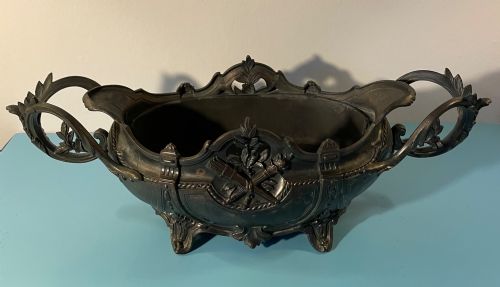
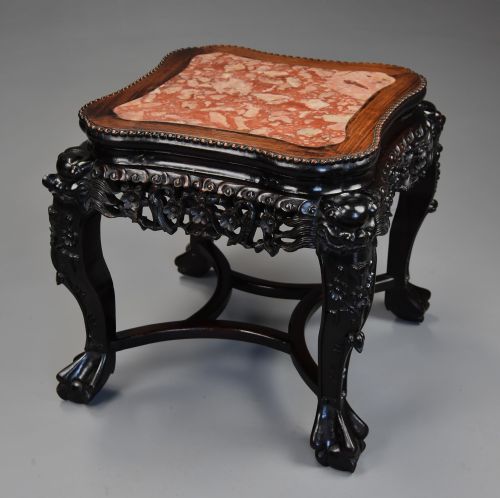
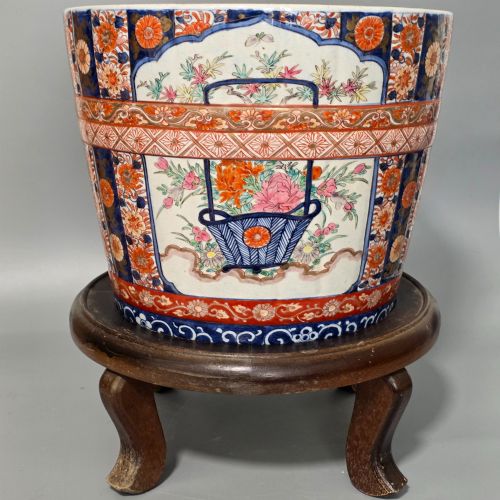
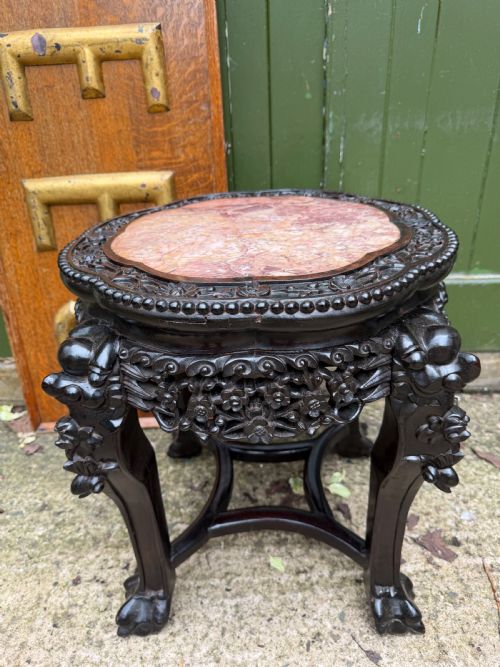
The selection ranges from French walnut and brass table pieces to Chinese carved hardwood stands with marble inset tops. Japanese Imari and bronze bowls also appear frequently alongside Indian brass and padouk examples.
Forms vary from low occasional tables and pot stands to tall French Louis XV style plant stands and substantial bronze bowls. These objects reflect the eclectic tastes of the late Victorian era.
How they were made
Materials span carved hardwoods such as walnut and padouk, combined with marble inset tops for stability and contrast. Metals play a major role, utilising cast brass, copper, bronze, and pressed brass.
Craftsmen applied intricate hand-engraving to brass and detailed carving to hardwood frames and stands. Cloisonne enamelling and porcelain production yielded vibrant decorative surfaces on bowls and planters.
Listings feature materials spanning hardwood, marble, walnut, brass, bronze, spelter, cast metal, and porcelain.
What varies in quality
Quality rests on the crispness of the carving in hardwood and the depth of hand-engraving on brass surfaces. Heavy bronze and cloisonne pieces demonstrate superior metalworking skill compared to lighter pressed brass alternatives.
The integration of materials, such as a tightly fitted variegated rouge marble top within a carved wooden frame, distinguishes finer examples. Scale and proportion also dictate standing presence, particularly in paired French stands and large Japanese planters.
The Late 19th Century Jardiniere Glossary
- Jardiniere
- An ornamental pot or stand for holding plants or flowers. These vessels sit on tables or floors depending on their height and form.
- Cloisonne
- An ancient technique for decorating metalwork objects with coloured material held in place by thin metal strips. It creates intricate patterns on bowls and planters.
- Hongmu
- A category of dense, dark Chinese hardwood used for fine furniture and stands. It provides a durable and polished surface for carved details.
- Imari
- A type of Japanese porcelain decorated in underglaze blue and overglaze red, gold, and green. It appears on large planters imported during this period.
Late 19th Century Jardiniere: Frequently Asked Questions
What is a jardiniere?
A jardiniere is a decorative pot or receptacle designed to hold plants and flowers inside the home. They function as both horticultural containers and focal decorative objects.
Many examples sit upon dedicated stands or low tables to elevate greenery off the floor. They bridge the gap between functional garden accessories and interior furnishings.
How do I style a plant stand?
Plant stands and low tables place potted plants at varying heights within a room. They suit corners, hallways, and living spaces where architectural green elements add texture.
Matching pairs can frame a fireplace or entryway for symmetry. Single tall stands work well with trailing plants or large sculptural foliage.
What materials were used?
Makers utilised a wide array of materials including hardwoods like walnut, mahogany, and padouk. Metals such as brass, copper, bronze, and spelter appear frequently.
Inlates of variegated rouge marble add contrasting colour and sturdy surfaces. Porcelain, cloisonne, and giltwood further expand the material vocabulary of these pieces.
How do I identify French pieces?
French pieces often follow Louis XV styles with curved lines and decorative woodwork. They appear as tall stands or table brass and copper vessels.
Giltwood and walnut finishes reflect European domestic fashions of the late Victorian era. These items emphasise ornate silhouettes and refined finishing.
Where were oriental pieces made?
Oriental pieces originate primarily from China and Japan during the Qing Dynasty and Meiji periods. Chinese pieces frequently feature carved hardwood and marble inset tops.
Japanese examples include Imari porcelain planters and heavy bronze or cloisonne bowls. These items showcase distinct Asian craftsmanship and decorative motifs.