


Carved Floral Jardiniere
A carved floral jardiniere brings sculptural plant housing into a room, combining botanical display with traditional craftsmanship across diverse periods.
Carved Floral Jardiniere
When you search for a carved floral jardiniere, you encounter plant stands, planters, and decorative vessels designed to hold greenery or floral arrangements. These pieces emerge from the nineteenth century, the Victorian era, and periods such as the Meiji and Qing dynasties, reflecting global craftsmanship.
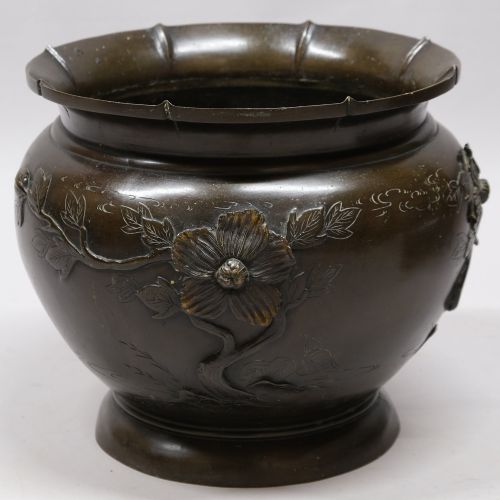
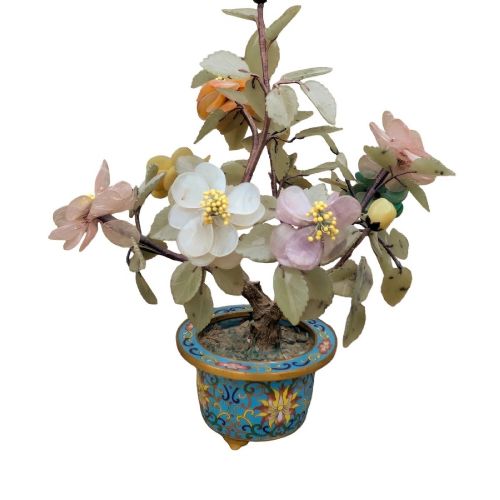
The forms span from bronze bowls and copper log buckets to hardwood vase stands inset with marble, alongside cloisonne and hardstone vessels. You find substantial Chinese rosewood and mahogany plant stands as well as intricately carved walnut planters from the late nineteenth century.
Originating across Asian and European workshops, these items serve primarily as decorative plant holders or display furniture. They bridge the gap between functional horticulture and fine decorative sculpture within domestic interiors.
How they were made
Makers utilised cast bronze, hammered copper, and heavy brass to construct durable metal vessels capable of holding soil and water. These metal items often incorporate intricate surface work, combining patination with applied decorative elements.
Woodworking traditions rely on dense timbers such as mahogany, walnut, and rosewood, shaped into plant stands and fitted with stone tops. Hardstone, jade, quartz, and cloisonne add colour and texture to specific planter bodies.
Carving techniques on the wooden and stone components range from floral motifs to structural supports designed to bear the weight of large plants. Artisans combined joinery and casting methods suited to the specific material traditions of each region.
The furniture forms include plant stands, copper log buckets, desk pots, and elaborate marble top vase tables.
What varies in quality
Quality rests upon the integrity of the materials and the precision of the workmanship evident in the carving or casting. Heavy bronze bowls and dense rosewood stands demonstrate superior material substance compared to lighter constructions.
The refinement of the decorative detail, whether in the handling of a bronze surface or the snug fit of a marble top into a wooden frame, distinguishes finer examples. Consistency in period finishing and the preservation of original patination elevate the standing of a piece.
The Carved Floral Jardiniere Glossary
- Jardiniere
- An ornamental pot or stand for holding plants or flowers. These vessels can be freestanding or sit upon dedicated tables.
- Cloisonne
- An ancient technique for decorating metalwork objects with coloured material held in place by thin metal strips. This method appears on specific Asian planters.
- Meiji Period
- A period of Japanese history spanning from eighteen sixty-eight to nineteen twelve, noted for distinct bronze and decorative metal production. Pieces from this era often display refined casting techniques.
- Hardstone
- A term used for semi-precious stones such as jade and quartz utilised in decorative Asian vessels. These materials are carved and inlaid into the body of the piece.
- Plant Stand
- A piece of furniture designed to elevate greenery, frequently featuring a marble top inset into hardwood. These stands support vases, jardiniere bowls, and decorative sculptures.
Carved Floral Jardiniere: Frequently Asked Questions
What is a jardiniere?
A jardiniere is a decorative pot, bowl, or stand designed to hold plants and floral displays within interior spaces.
They function as both horticultural containers and decorative furnishings, often elevated on dedicated stands or placed upon tables.
How do I care for bronze planters?
Bronze planters require gentle dusting with a dry cloth to maintain their natural patination over time.
Avoid abrasive cleaners or excessive moisture that might compromise the historic surface of the metal.
What woods were used for plant stands?
Maker traditions utilised dense hardwoods including mahogany, walnut, and rosewood for structural stability.
These timbers support heavy pots and often feature inset marble tops to protect the wood from water.
How do I identify a Meiji period piece?
Meiji period items from Japan date between eighteen sixty-eight and nineteen twelve, often rendered in cast bronze.
They are identified through stylistic conventions and casting characteristics typical of late nineteenth-century Japanese metalwork.
Where should I place a plant stand?
Plant stands suit entryways, living rooms, and conservatories where they can safely elevate heavy vessels and greenery.
Ensure the floor surface is level and the stand is away from direct sources of extreme heat.