

Victorian Indian Table
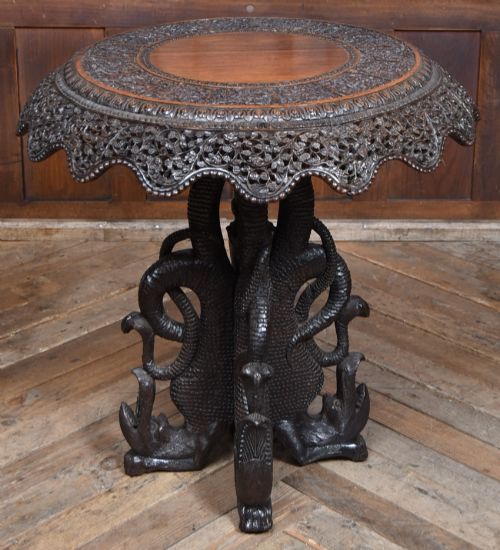
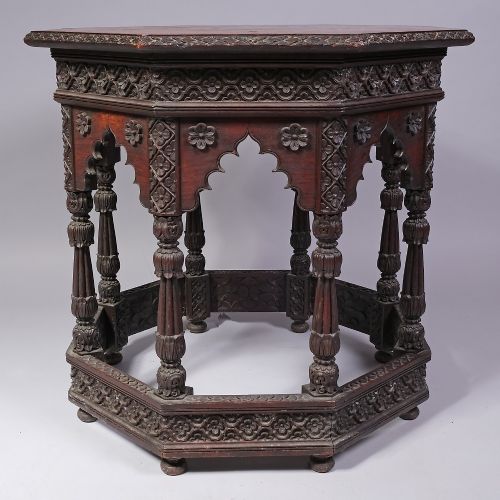
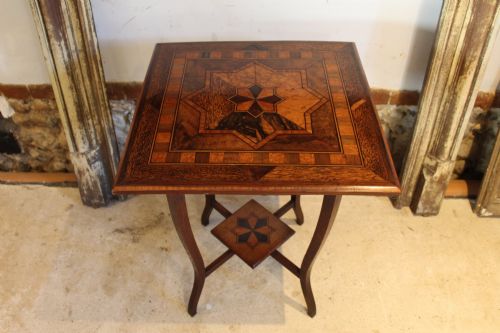
When you search for a victorian indian table, you enter a rich world of colonial craftsmanship spanning intricate padauk carving and geometric bone inlay.
Victorian Indian Table
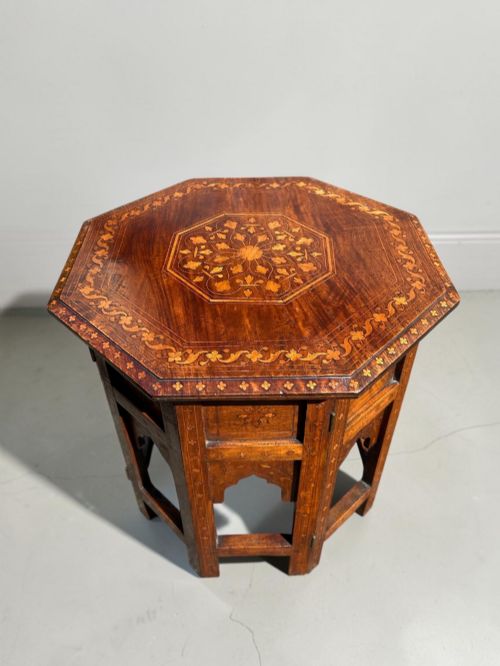
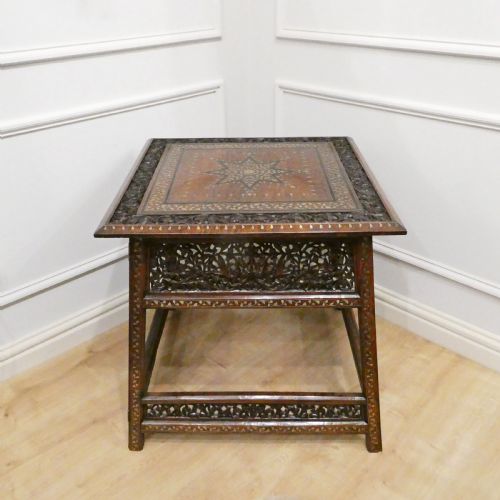
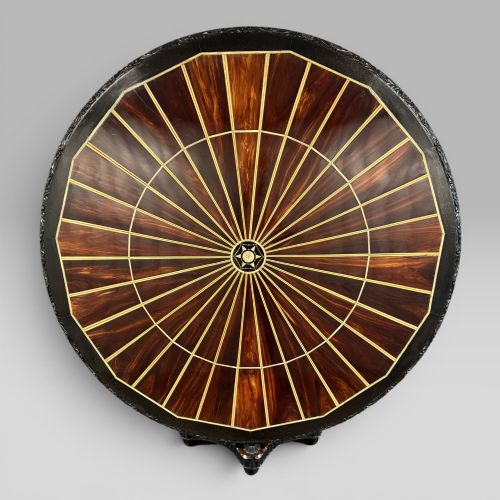
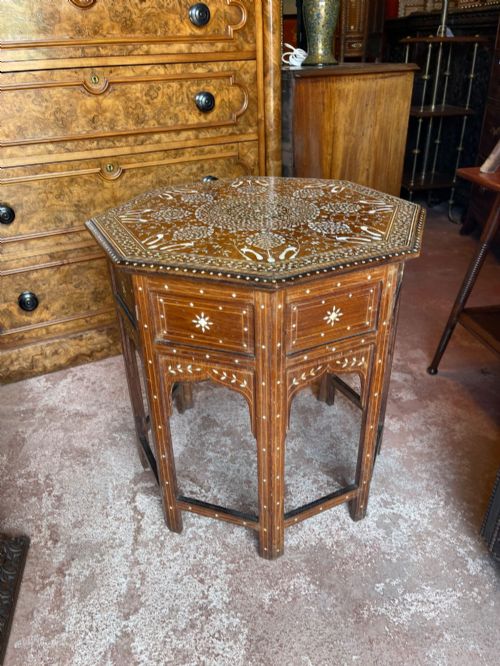
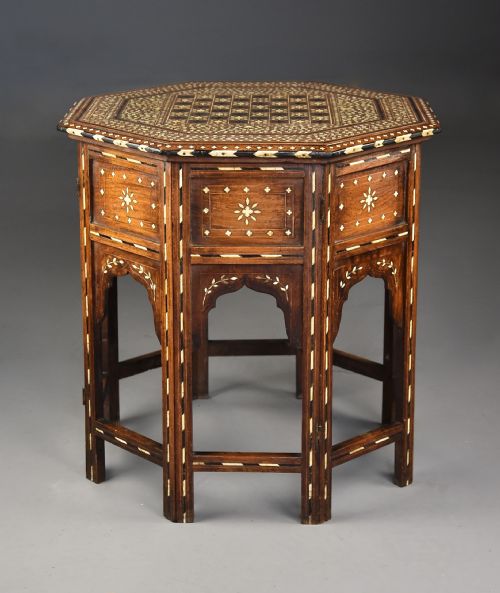
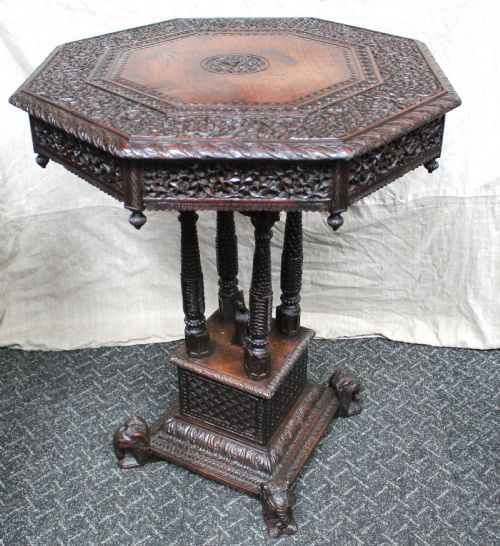
A victorian indian table encompasses a diverse group of nineteenth-century furnishings created across the Indian subcontinent and Burma for both local use and export to Britain. Buyers seeking these pieces will frequently encounter versatile occasional tables, folding campaign designs, and octagonal forms originating from centres such as Hoshiarpur.
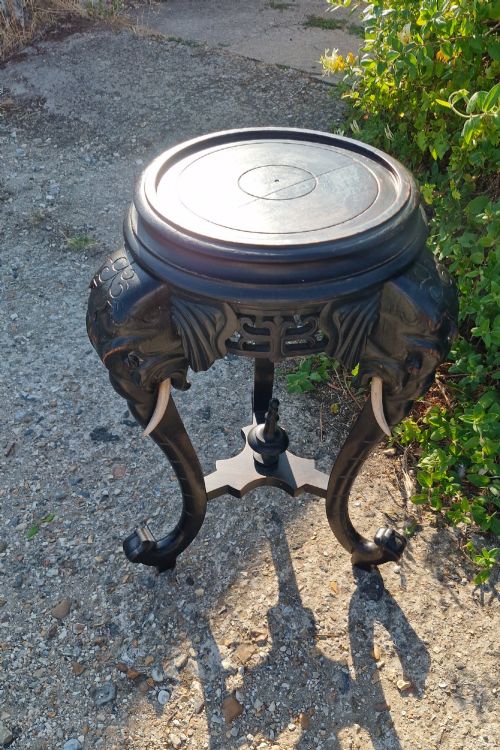
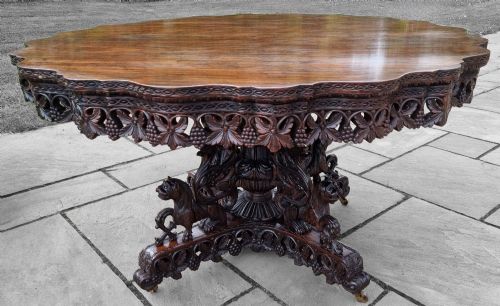
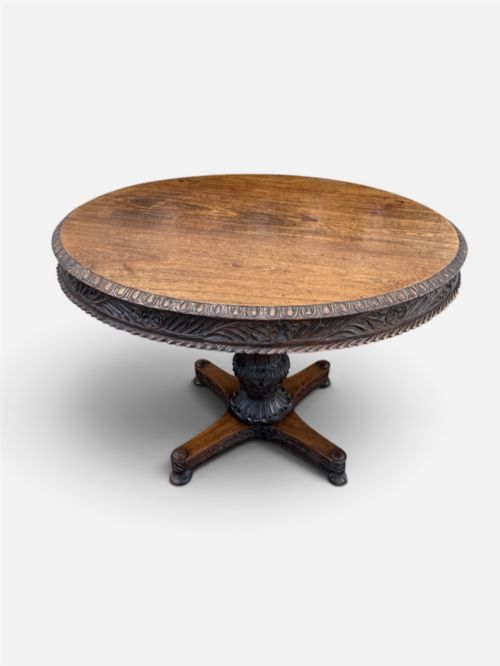
The aesthetic vocabulary bridges traditional regional motifs with British nineteenth-century taste, producing forms like carved elephant tables, tilt-top centre tables, and multi-tiered buffets. Anglo-Indian and Anglo-Burmese styles dominate the selection, often combining dense surface carving with sophisticated structural engineering.
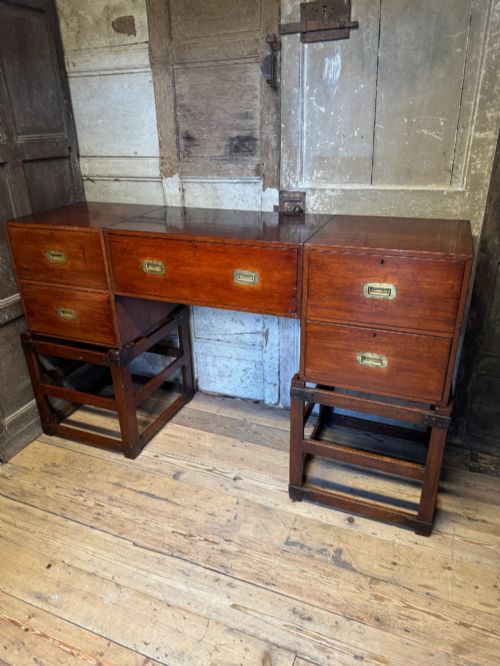
Many examples reflect the colonial exchange of the period, utilising indigenous timbers to satisfy European demand for exotic domestic furniture. These items range from compact side tables to substantial partners desks, offering functional utility alongside intricate decorative carving.
Materials and methods of construction
Craftsmen utilised dense tropical hardwoods including padauk, teak, rosewood, and ebony, which provided stable foundations for deep relief carving and turning. These heavy timbers were seasoned to withstand shifting climates and carved with meticulous attention to botanical and figurative detail.
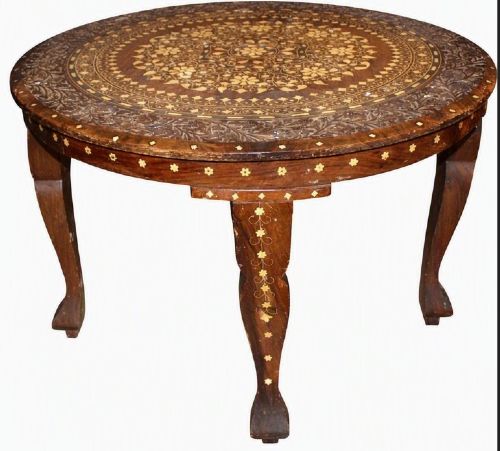
Surface ornamentation frequently incorporated contrasting materials such as bone, mother of pearl, and brass wire inlaid into geometric recesses or floral patterns. Folding campaign mechanisms and clever joinery allowed substantial tables to collapse or dismantle easily for transport.
Listings feature woods such as padauk, rosewood, teak, and ebony, alongside detailed bone and brass inlay.
Distinctions in execution and design
Quality rests primarily on the crispness and depth of the hand-carving, where superior examples exhibit sharp undercutting and lively botanical or animal forms rather than shallow, repetitive stamping. The integration of inlay work also marks the difference between standard production pieces and masterworks, with tightly fitted bone or brass elements demonstrating exceptional patience.
Timber selection plays a major role, as uniformly grained padauk or figured rosewood elevates an object above ordinary utility furniture made from simpler hardwoods. Structural integrity, original hardware, and the retention of delicate fretwork without extensive replacement further separate high-tier survivals from lesser items.
Liberty and Co
The Victorian Indian Table Glossary
- Campaign table
- A folding or dismantling piece designed for military officers or colonial administrators on the move. These tables feature clever hinges and removable legs for portability.
- Hoshiarpur
- A Punjabi town renowned for intricate woodwork, particularly octagonal tables and folding screens. Artisans there excelled at dense geometric bone and brass inlay on shesham or teak.
- Padauk
- A heavy, durable reddish-brown tropical hardwood favoured by nineteenth-century cabinetmakers. It accepts fine carving exceptionally well and darkens gracefully with age.
- Teapoy
- A small occasional table or stand originally designed for holding tea caddies and equipment. In colonial contexts, the term often describes compact decorative tea and coffee tables.
- Tilt-top
- A tabletop hinged to its central pedestal so it can tilt vertically when not in use. This clever mechanism saved domestic floor space in nineteenth-century drawing rooms.
Victorian Indian Table: Frequently Asked Questions
How do I identify a Hoshiarpur table?
Hoshiarpur tables are typically distinguished by their octagonal folding forms and dense, all-over geometric inlay executed in bone and brass. The wooden surfaces are packed with intricate carved patterns leaving almost no plain space.
They originated from the Punjab region during the late nineteenth century and were widely exported to satisfy British demand for exotic furnishings.
How should I care for a carved wooden table?
Maintain stable indoor humidity levels and keep the wood away from direct heat sources to prevent timber shrinkage and splitting. Dust regularly with a soft, dry cloth to protect the intricate recessed carvings.
Avoid liquid polishes that can build up within the carved channels or discolour delicate bone and brass inlay work.
What is a campaign tea table?
A campaign tea table is a portable piece designed to fold flat or dismantle for easy transport during colonial travels. They combined practical folding frames with decorative carved teak or rosewood tops suitable for drawing room use upon arrival.
Many examples feature clever interlocking legs that require no metal hinges or screws.