

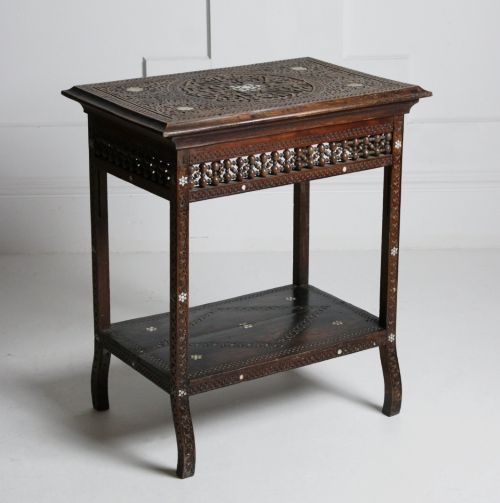

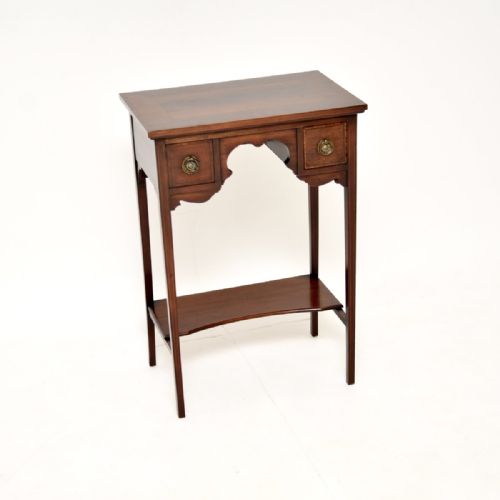
Inlaid Wooden Plant Stand
An inlaid wooden plant stand brings botanical display and intricate craftsmanship into a room.
Inlaid Wooden Plant Stand
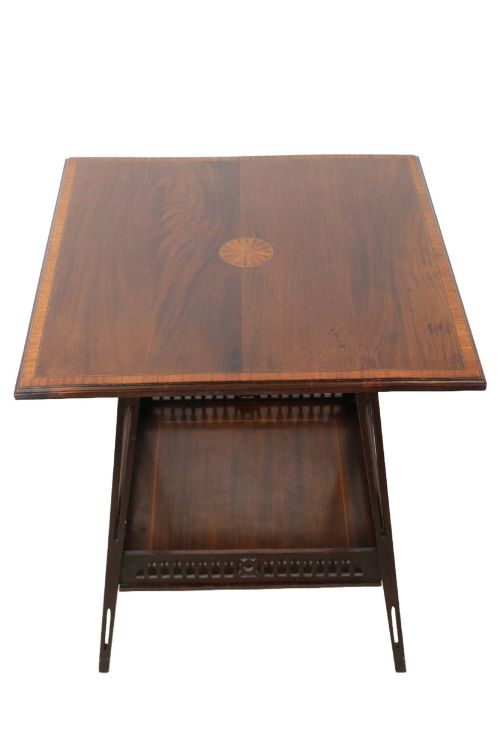
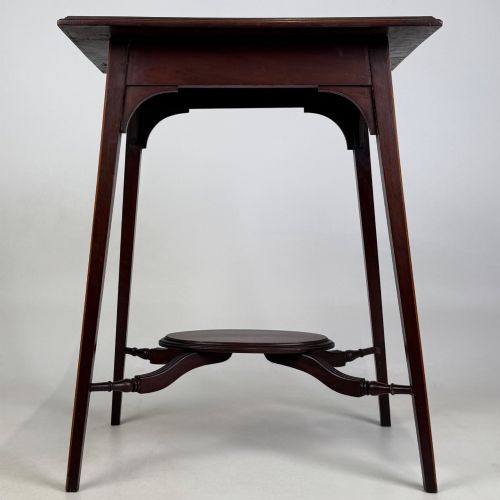
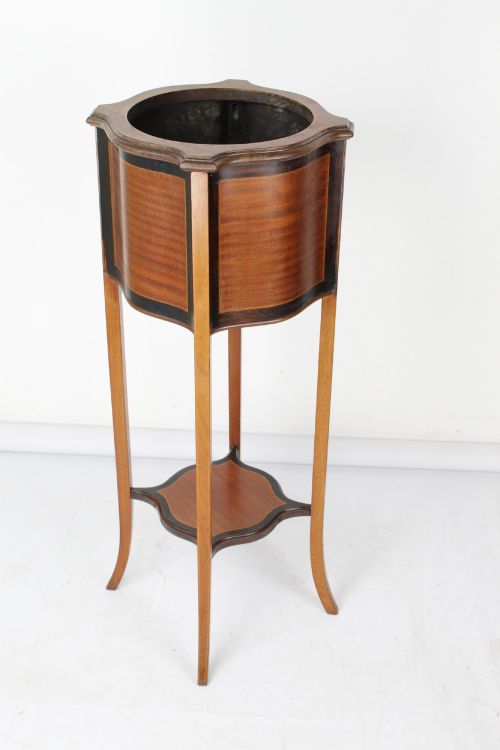
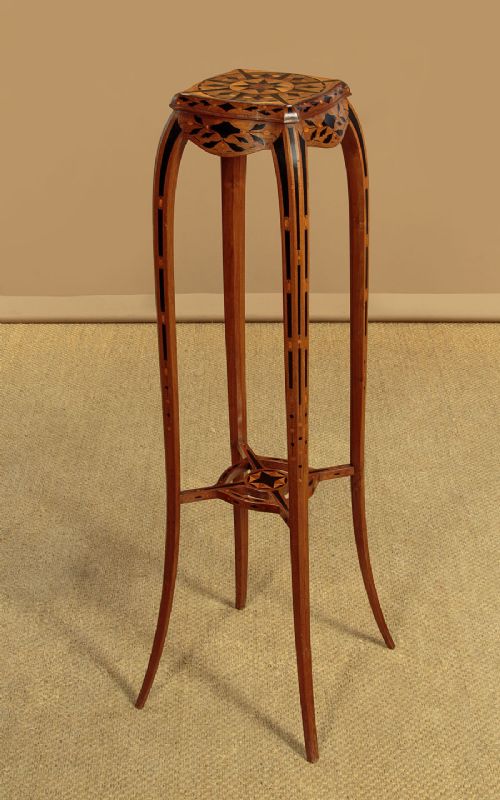
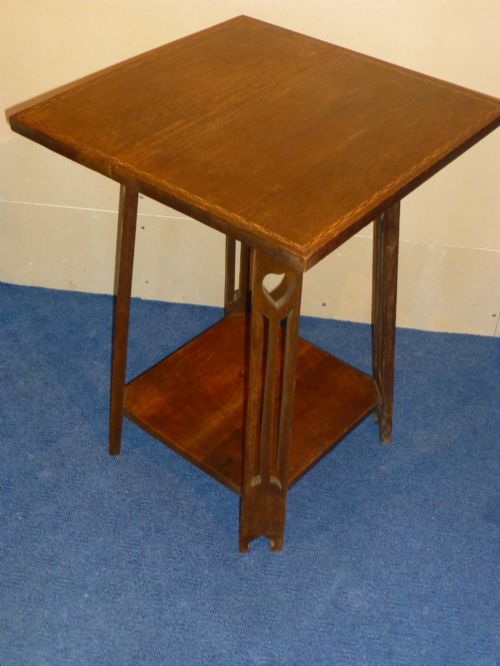
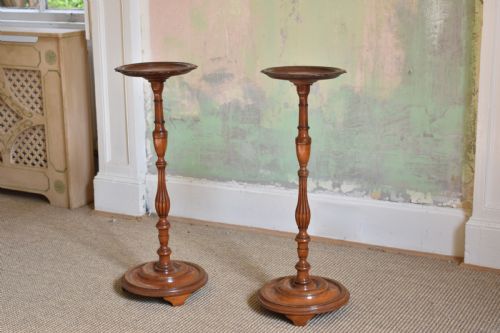
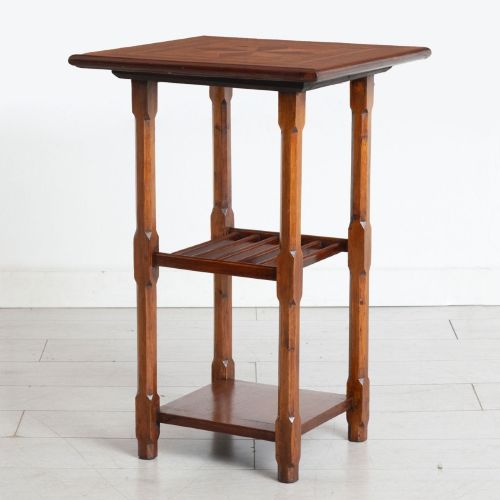
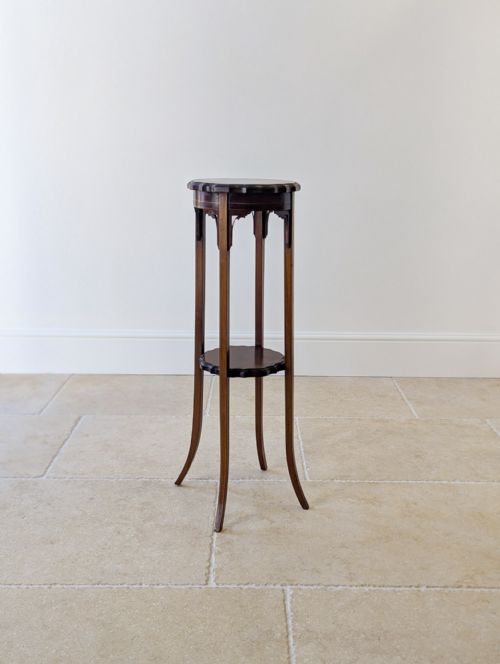
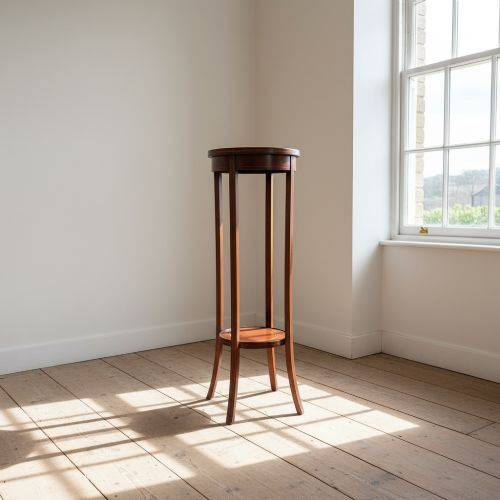
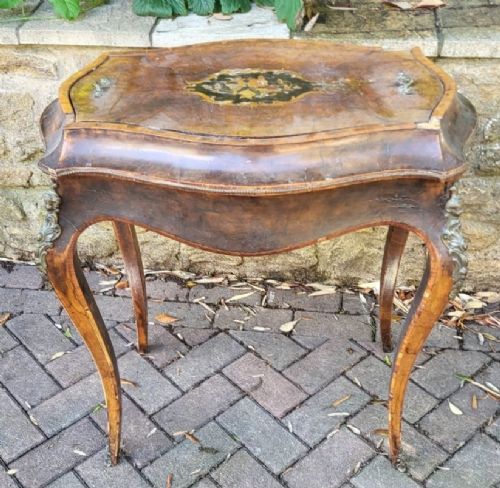
When you search for an inlaid wooden plant stand, you encounter pieces primarily from the Victorian and Edwardian eras, alongside items spanning the nineteenth and twentieth centuries. These objects range from dedicated plant holders and jardinieres to occasional tables and torchères designed to elevate greenery or display decorative items.
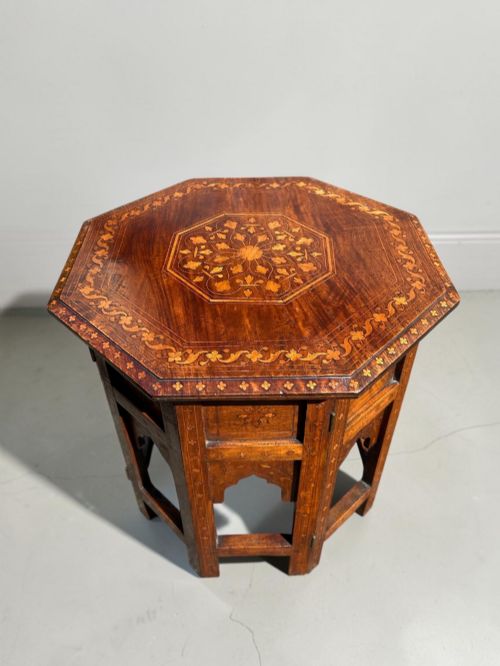
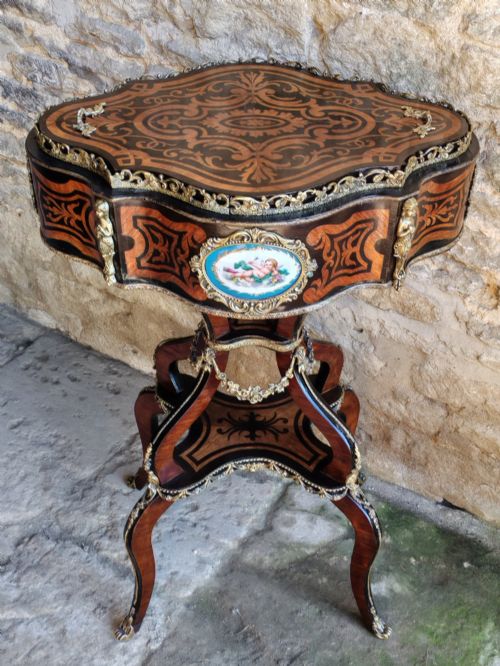
Edwardian mahogany examples dominate the selection, often featuring delicate wood inlay. Alongside these, you find specimens utilising diverse regional forms, from Anglo-Indian and Moorish octagonal tables to French marquetry pieces.
Materials and Technique
Cabinetmakers constructed these supports predominantly using mahogany, walnut, satinwood, and teak as foundational timbers. Surfaces incorporate contrasting wood inlay, marquetry, and occasional metal or bone elements to create geometric or floral patterns.
Construction techniques vary from traditional British cabinetmaking, seen in Sheraton revival and Arts and Crafts pieces, to detailed hand-carving and inlay traditions originating in Hoshiarpur and other regional workshops.
Inlaid Wooden Plant Stand Retail Price Guide 2026
Typical asking prices for inlaid wooden plant stand among the pieces listed under this phrase on Sellingantiques today, from the lower quarter to the upper quarter. They describe what is for sale here now, not the wider market.
Materials documented across the pieces include bone, brass, ivory alternatives, and numerous exotic hardwood veneers.
Quality and Execution
The standard of a piece rests on the precision of the joinery and the fineness of the inlay work. Finer examples display tightly fitted wood varieties and crisp botanical or geometric marquetry without gaps or misalignment.
The integrity of the timber foundation and the crispness of any carved or turned elements distinguish standard production items from exceptional workshop pieces.
Trevor Page & Co·Liberty & Co.·William Birch
The Inlaid Wooden Plant Stand Glossary
- Torchère
- A tall, slender stand designed specifically to hold a lamp, plant, or decorative urn. These elevated surfaces create vertical interest in interior spaces.
- Jardiniere
- A decorative container or stand intended for holding plants or flowers. They often feature protective linings or lift-off lids.
- Marquetry
- The art of applying pieces of veneer to a structure to form decorative patterns and pictures. Craftsmen select various wood tones to achieve tonal depth.
- Satinwood
- A durable, yellowish timber prized for its lustrous sheen. It frequently appears as a contrasting veneer in inlaid furniture.
- Occasional table
- A small, versatile table used for general purposes rather than a specific permanent function. These pieces easily move about a room to support plants or lamps.
Inlaid Wooden Plant Stand: Frequently Asked Questions
What is an inlaid wooden plant stand used for?
These pieces elevate potted plants, ferns, or floral arrangements to display them effectively within domestic interiors. They serve a practical botanical function while adding decorative woodwork to a room.
Beyond holding plants, many examples function successfully as small side tables, lamp stands, or torchères for displaying decorative objects.
How do I identify an Edwardian plant stand?
Edwardian stands typically date from the early twentieth century and frequently feature light mahogany construction with subtle satinwood or contrasting wood inlay. Their design leans toward refined elegance rather than heavy Victorian ornamentation.
Look for slender legs, tapering forms, and balanced proportions characteristic of furniture produced during the Edwardian period.
What is the difference between a jardiniere and a plant stand?
A jardiniere usually incorporates a specific container, bowl, or well designed to hold soil and plants directly, sometimes featuring a lift-off lid or metal liner. A plant stand is primarily a supporting pedestal or table designed to bear the weight of a separate pot.
In many historical listings, makers and sellers used these terms interchangeably for similar elevated display furniture.
How do I care for antique inlaid wood?
Protect antique wood surfaces from direct sunlight and extreme fluctuations in humidity to prevent the timber from drying out or warping. Regular, gentle dusting with a soft, dry cloth preserves the finish.
Avoid applying modern silicone polishes, opting instead for traditional beeswax formulations recommended for antique furniture maintenance.