
Victorian Green Ceramic
When you handle victorian green ceramic pieces, you meet objects where utility meets rich glaze work from the nineteenth century.
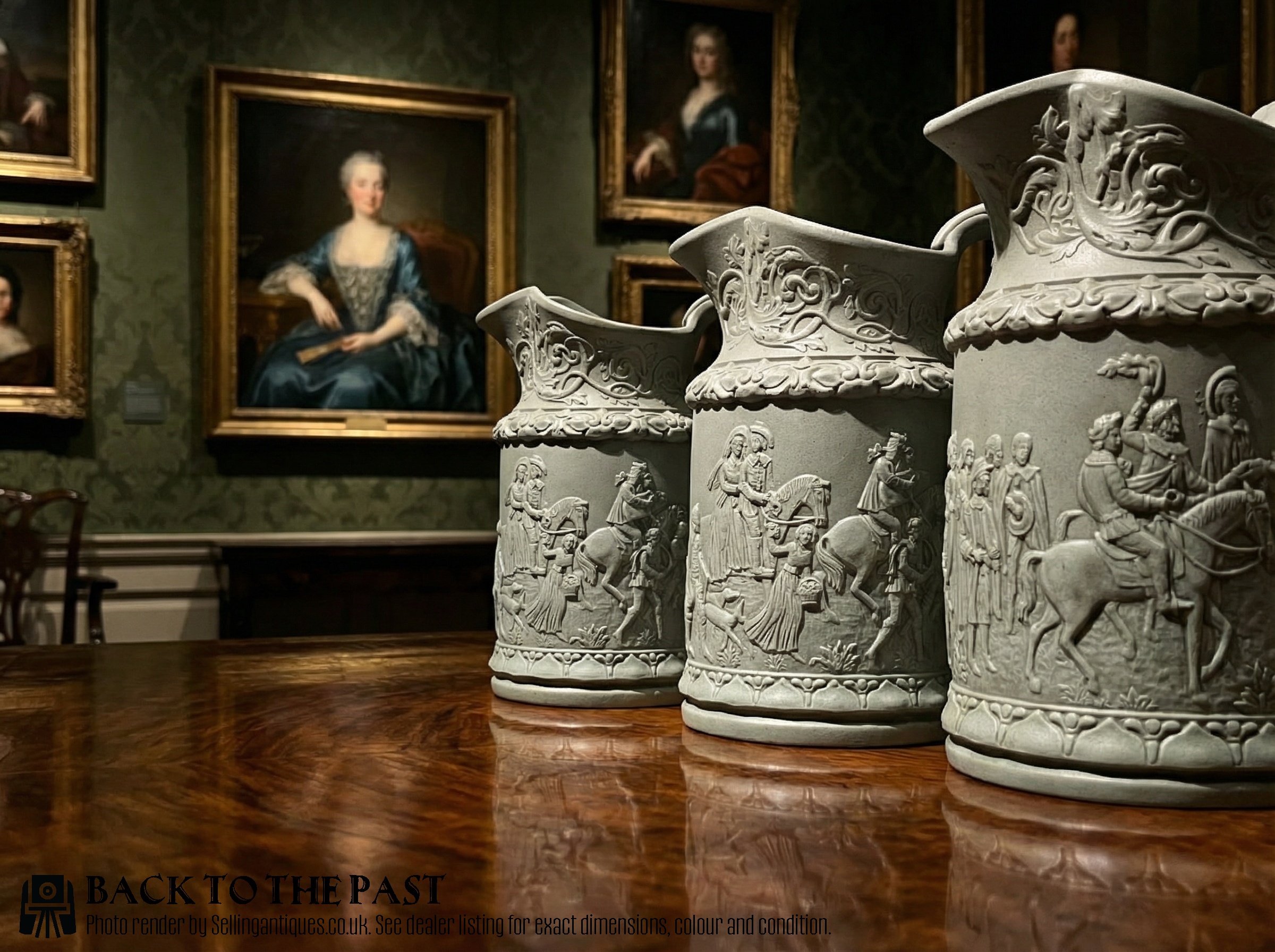
Victorian Green Ceramic
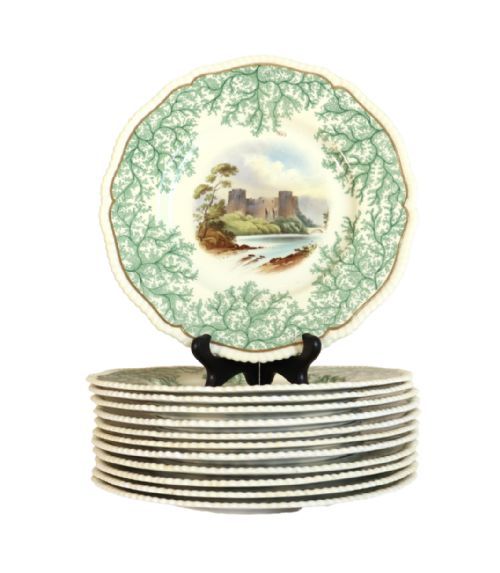
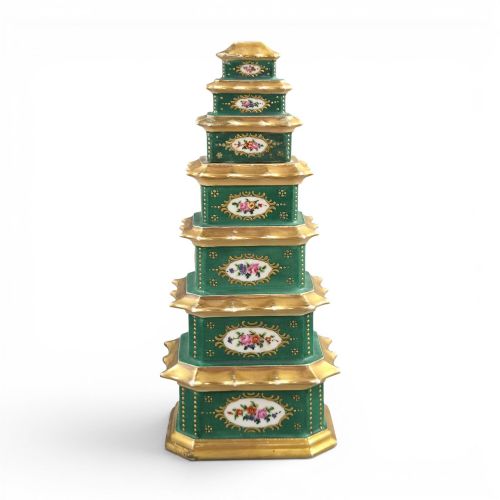
Victorian green ceramic pieces encompass a varied range of utilitarian and decorative objects originating primarily from the nineteenth century. Buyers searching this phrase encounter earthenwares, stonewares, and porcelains shaped into vases, jardiniere vessels, spill vases, and tableware.
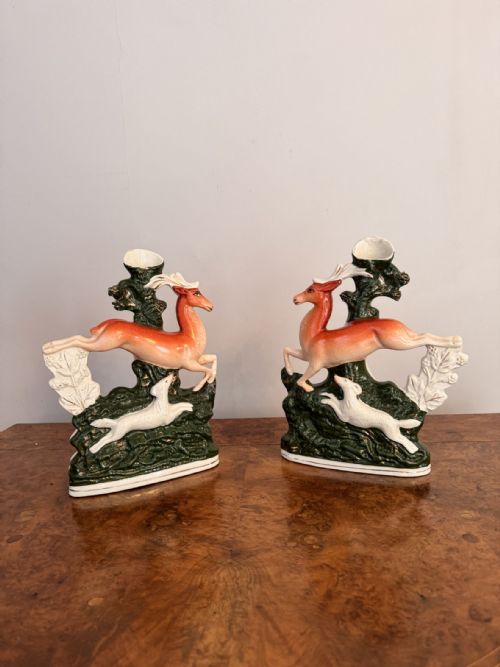
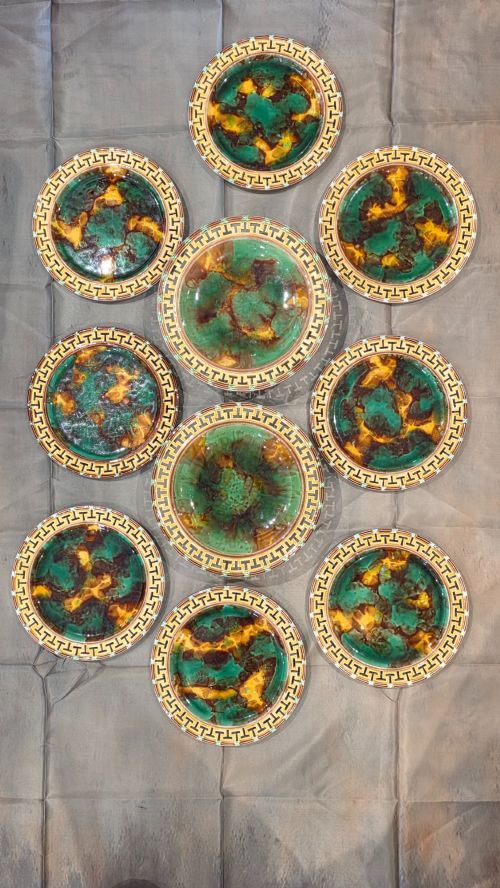
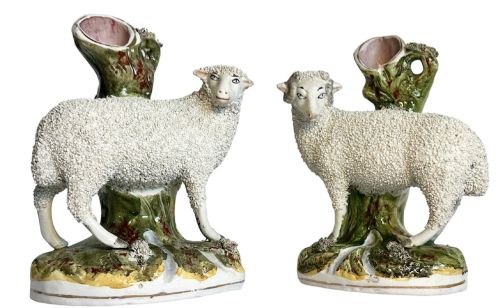
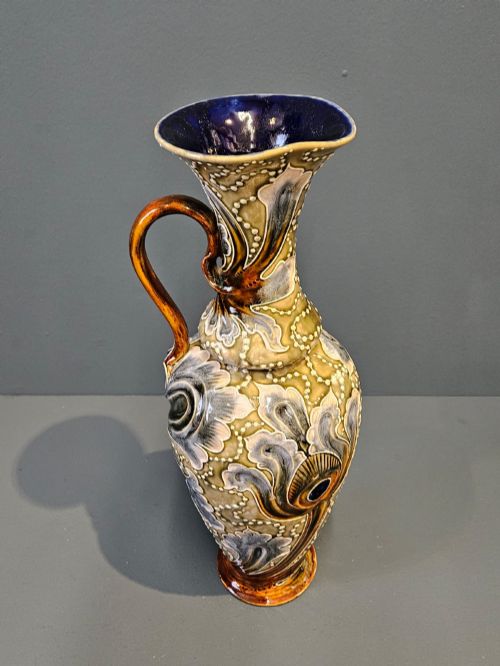
The selection frequently includes majolica services, Staffordshire figures, and Doulton Lambeth vessels featuring distinct green tones. These items reflect periods spanning the Victorian era through to early twentieth-century decorative movements.
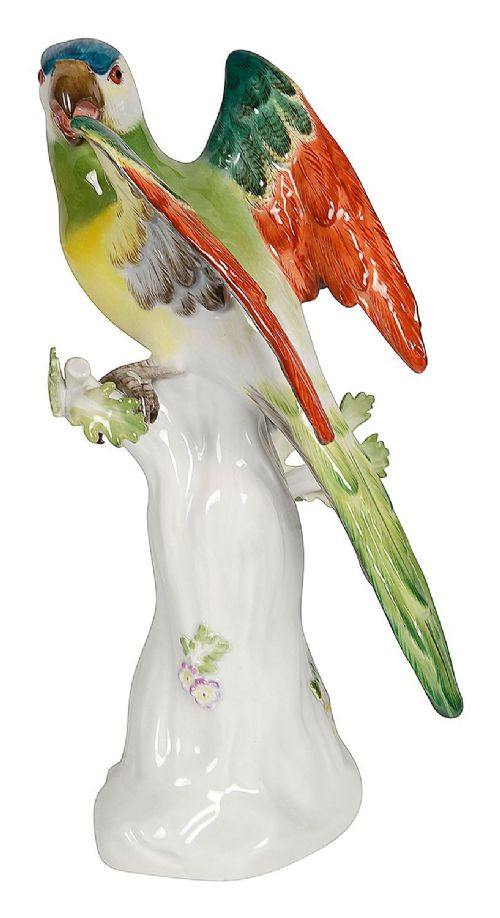
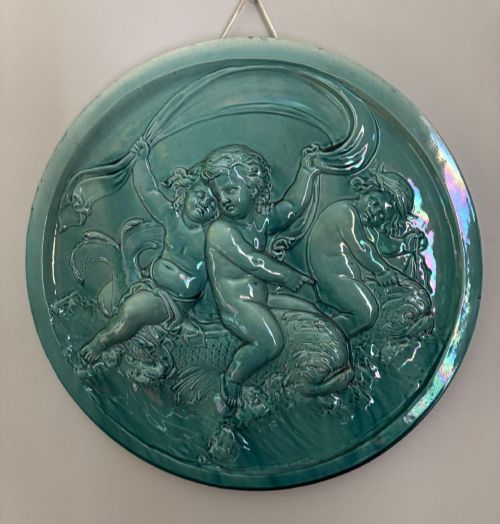
Makers represented in this tradition span English potteries and continental porcelain works, employing specialised glazes to achieve characteristic colour depth. Forms range from domestic table items to architectural plaques and display pieces.
Materials and production methods
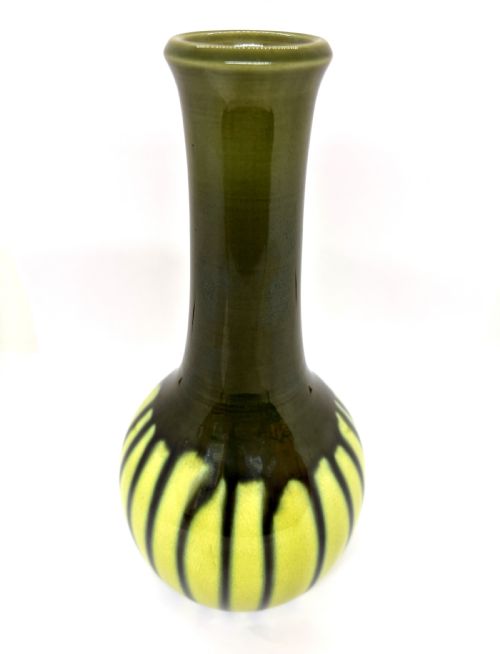
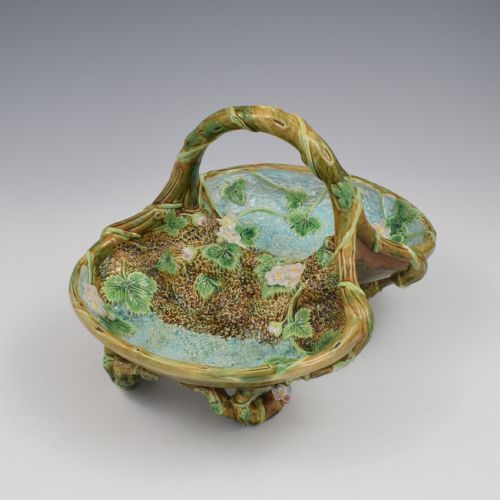
Potters utilised earthenware, stoneware, and porcelain bodies as the structural base for these items, often applying coloured lead glazes to create rich surface sheens. Majolica pieces rely on opaque tin-glazes combined with metallic oxides to produce deep green and naturalistic colouration.
Firing techniques in nineteenth-century kilns determined the vibrancy of the glaze and the durability of the ceramic body. Many items incorporate moulded relief decoration beneath the glaze, which captures pooling pigments to accentuate surface detail.
Listings feature nineteenth-century earthenwares, stonewares, and porcelains decorated with green glazes across forms like vases, jardiniere vessels, and tableware.
Assessing quality in ceramic pieces
Quality in these ceramics rests upon the crispness of the original moulding and the control of the glaze during firing. Superior examples display even colour distribution without pooling faults, alongside sharp relief work that preserves the integrity of the design.
The distinction between standard domestic wares and exceptional studio or factory pieces lies in the sophistication of the modelling and the depth of the glaze palette. Pieces bearing identifiable factory marks or decorator signatures typically demonstrate higher execution standards.
Wedgwood·Royal Doulton·George Jones·Doulton Lambeth·Meissen·Copeland·Minton
The Victorian Green Ceramic Glossary
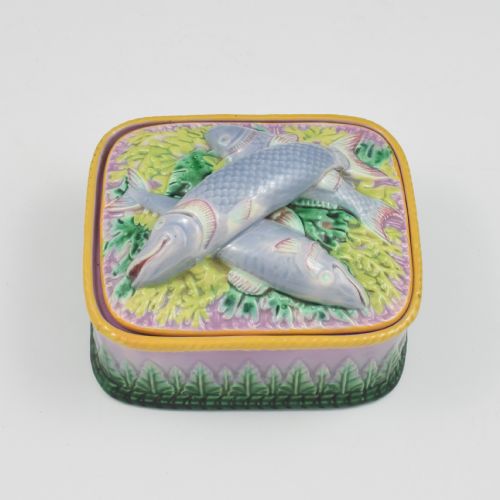
- Majolica
- A type of earthenware decorated with coloured lead glazes over an opaque tin-glazed ground, popular during the Victorian period. This technique allowed for vivid green and brown naturalistic designs.
- Spill vase
- A small vertical vessel designed to hold slender tapers used for lighting candles or fires. These are frequently modelled as animals, figures, or architectural cottages.
- Jardiniere
- A large ornamental pot or stand intended for housing live plants. They often feature prominent relief decoration and rich glazed surfaces.
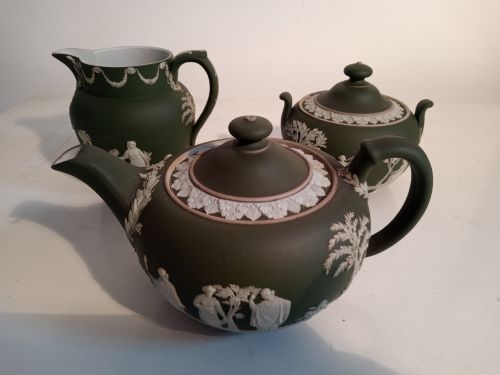
- Jasperware
- A type of fine stoneware developed with a matte finish, most commonly associated with applied white reliefs on coloured backgrounds. It was utilised extensively for decorative vessels and tableware.
- Earthenware
- Porous pottery fired at relatively low temperatures and rendered impermeable through the application of glaze. It forms the base body for much nineteenth-century majolica and utilitarian ware.
Victorian Green Ceramic: Frequently Asked Questions
What are victorian green ceramic pieces typically made from?
These items are produced from standard ceramic bodies including earthenware, stoneware, and porcelain. Potters coated these clay bases with coloured glazes, notably lead-based formulas that produced deep green hues.
Decoration often involved moulded relief work beneath the glaze surface, which enhanced the dimensional quality of the finished object.
How were spill vases used in nineteenth century homes?
Spill vases held wooden spills or paper tapers near fireplaces for transferring flames to candles, pipes, and lamps. They sat on mantelpieces as functional ornaments during the Victorian era.
Makers shaped these vessels into animal figures, cottages, and floral motifs to suit domestic interior decoration.
How do I identify majolica within this ceramic category?
Majolica is characterised by coloured lead glazes applied over an absorbent earthenware body, yielding rich green and earthy tones. The surfaces exhibit a high gloss and often depict naturalistic subjects like leaves, fruit, and animals.
Many pieces lack maker ciphers but display registration diamonds or pattern numbers moulded into the base.
Where were these green ceramic items manufactured?
Production centred on major European ceramic hubs, with significant output from English potteries in Staffordshire and Stoke-on-Trent. Continental factories in France and Germany also contributed specialised porcelain and earthenware goods.
Regional workshops and studio potters produced distinctive decorative wares alongside large commercial factory output.