
Victorian Glass Vitrine
A victorian glass vitrine holds treasured objects behind clear panels, bringing nineteenth-century elegance and secure display to a modern room.
Victorian Glass Vitrine
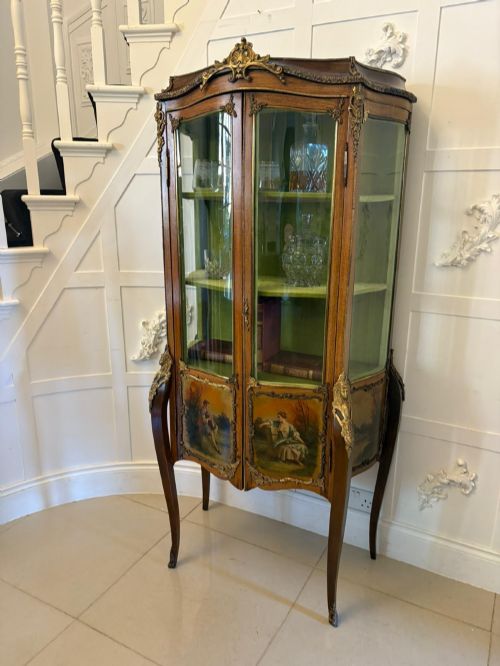
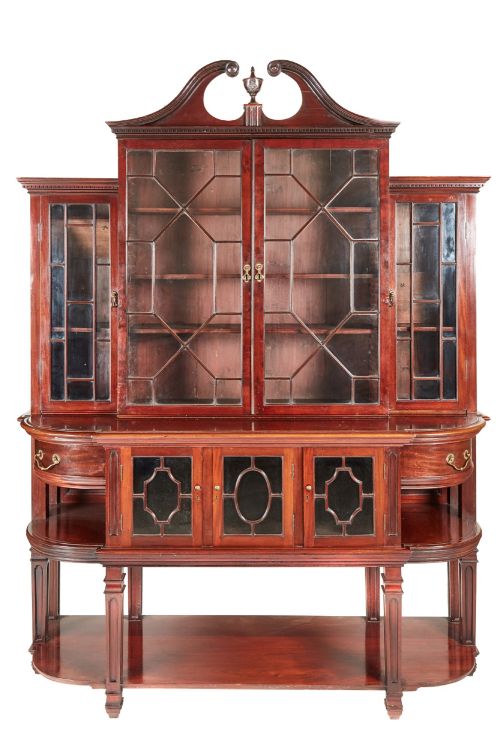
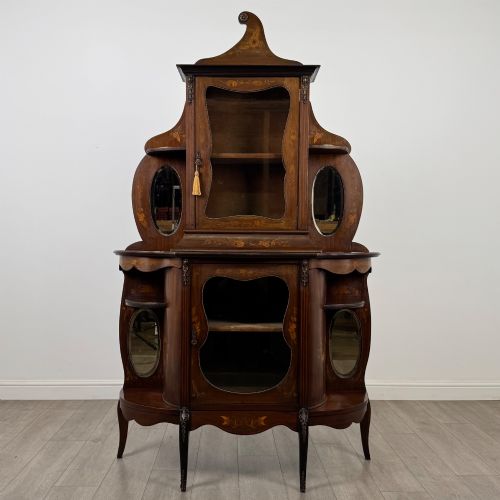
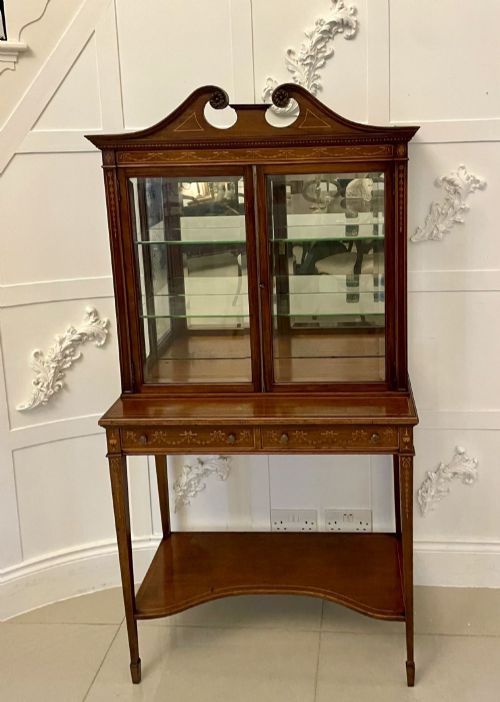
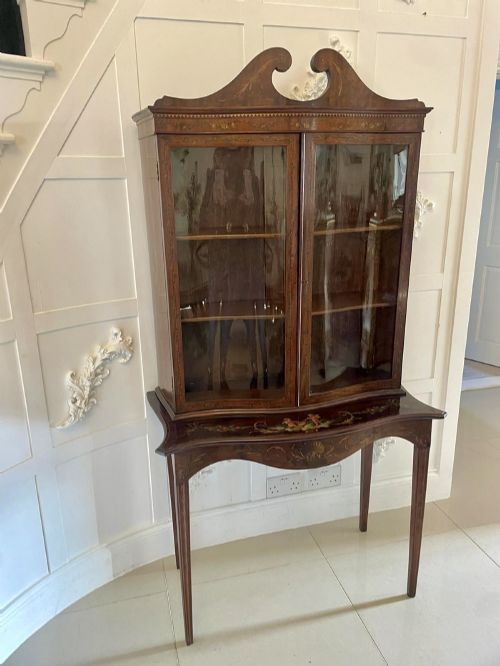
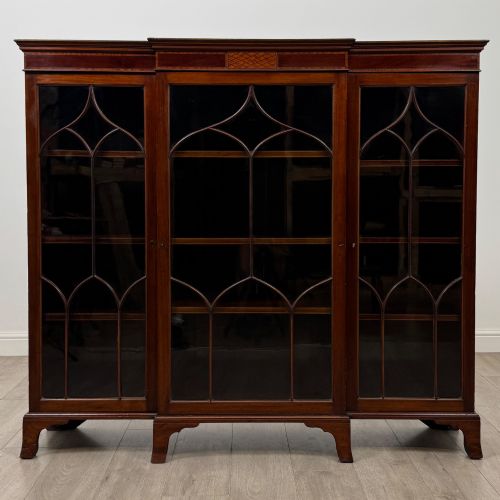
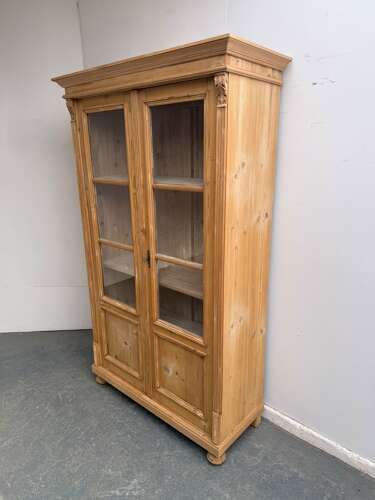
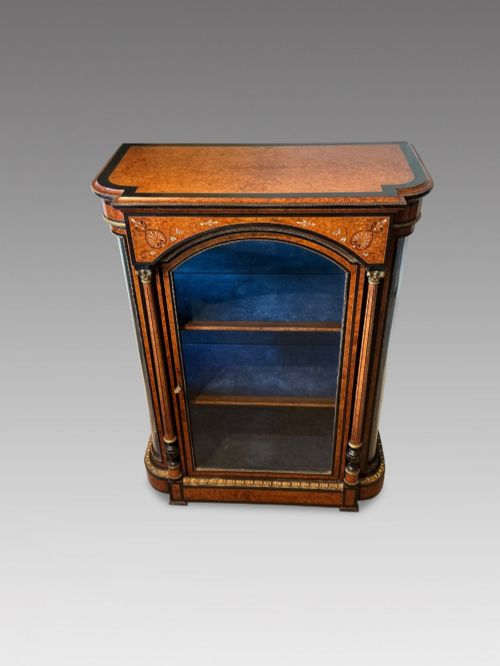
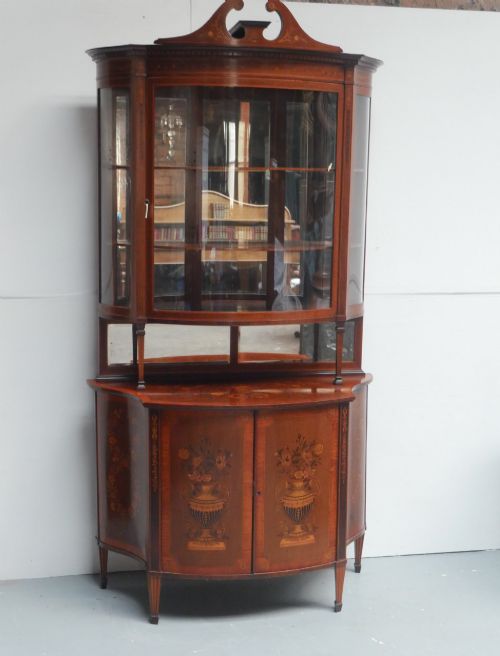
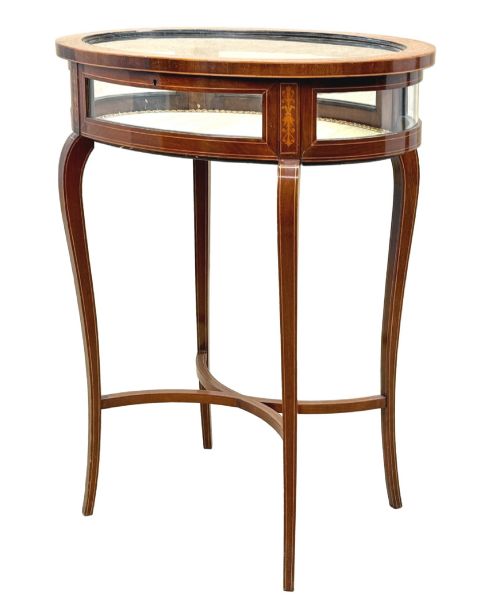
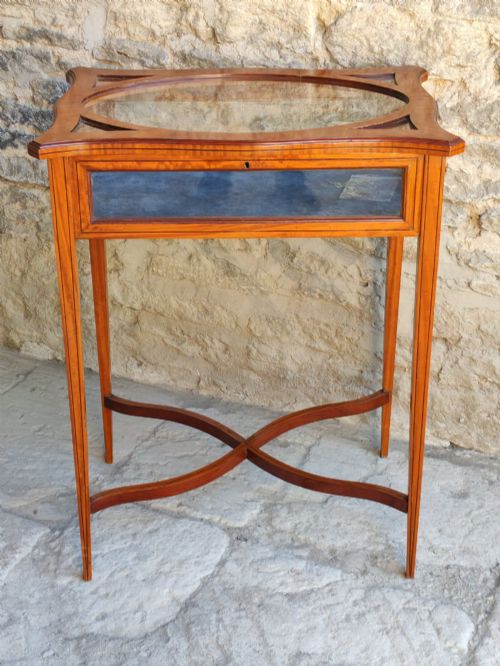
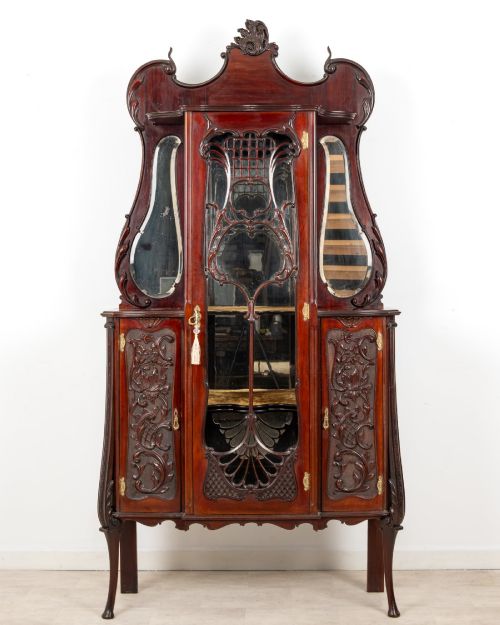
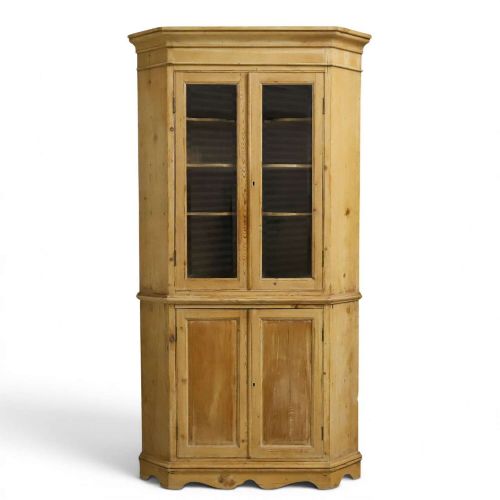
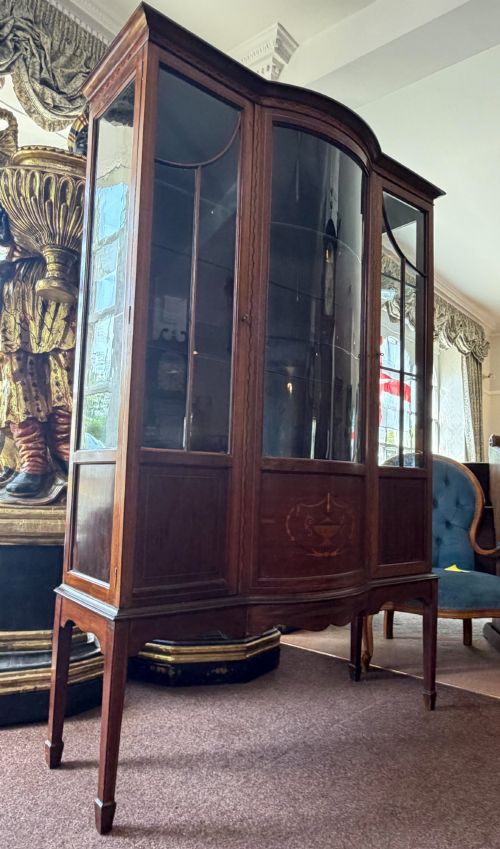
A victorian glass vitrine typically appears as a display cabinet, corner cabinet, or bijouterie table originating from the nineteenth century. These pieces range from compact pier cabinets and oval tables to large breakfront bookcases and two-part cupboards designed to showcase collections.
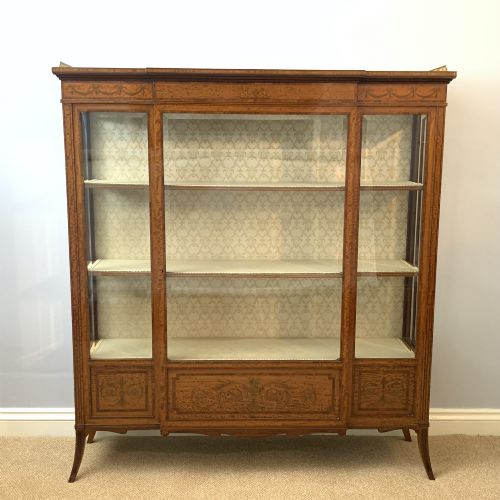
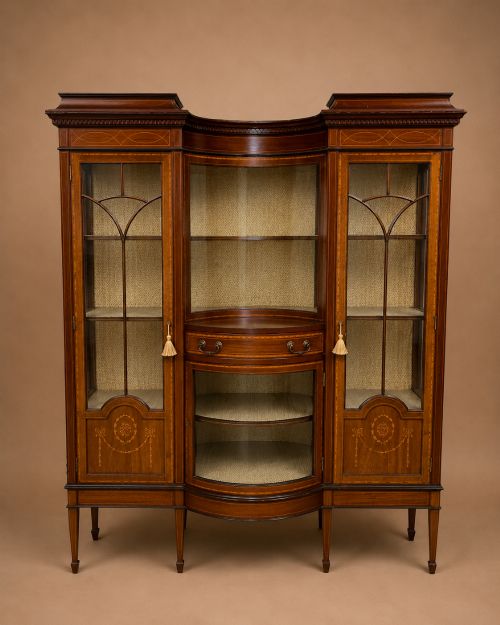
Makers and workshops of the period utilised stylistic influences spanning from Sheraton and Chippendale revivals to French Louis designs and English country traditions. The most common variations on this page include mahogany, satinwood, and walnut cabinets featuring glazed doors and delicate decorative inlays.
Materials and Construction
Carpenters constructed these cabinets using hardwoods such as mahogany, walnut, and satinwood, frequently embellishing surfaces with intricate fruitwood marquetry, parquetry, and brass mounts. Ormolu, fabric, and velvet often lined the interiors or highlighted specific structural details of the furniture.
Glass panels were fitted into wooden doors, frames, or lift-up tabletops to protect delicate items while allowing maximum visibility. Pine also served as a primary timber for country-style or painted variants intended for domestic storage.
Some nineteenth-century tables lifted their glass lids just high enough to let a collector show off a pocket watch without disturbing the dust.
Craftsmanship and Proportion
Quality in a victorian glass vitrine rests upon the precision of the cabinetwork, the choice of timbers, and the refinement of the decorative inlay. Superior examples display balanced proportions, finely fitted doors, and well-executed joinery rather than purely decorative additions.
The sophistication of the brass hardware, the clarity of the glass, and the complexity of marquetry or painted decoration distinguish standard utility pieces from workshop productions bearing signed attributions.
Jas Shoolbred·Edwards & Roberts
The Victorian Glass Vitrine Glossary
- Vitrine
- A glass-fronted cabinet or case designed specifically for displaying fine objects or collections. These pieces originated in France before becoming widespread in nineteenth-century British interiors.
- Bijouterie table
- A glass-topped display table intended for holding small valuable items, medals, or jewellery. They frequently feature hinged lids and velvet-lined interiors.
- Astragal glazed
- A window or door style where small wooden mouldings divide the glass panes into geometric patterns. This technique provided structural support and decorative elegance to large cabinet doors.
- Ormolu
- Gilded bronze mounts applied to furniture for decorative effect. The technique was particularly favoured on walnut and exotic wood cabinets influenced by French styles.
- Marquetry
- The art of applying decorative veneer pieces to a structure to form intricate patterns or pictures. Craftsmen utilised various coloured woods to create floral or geometric designs on cabinet doors.
Victorian Glass Vitrine: Frequently Asked Questions
How do I clean the glass?
Clean the glass panels gently with a mild, non-abrasive window solution applied to a soft cloth rather than directly onto the wood. Moisture can damage antique polished surfaces and fragile interior fabrics.
Take care around delicate wooden astragals, marquetry, and brass mounts when wiping adjacent framework.
Where should I place a vitrine?
Position a vitrine away from direct sunlight to prevent the fading of interior velvet linings, painted decorations, and delicate timber veneers. Placing the cabinet against a stable interior wall protects the structure from temperature fluctuations.
Ensure the floor is level so that the glazed doors hang evenly and latch correctly without straining the hinges.
How do I date a cabinet?
Dating relies on examining the construction methods, timber choices, hardware, and stylistic revival markers present in the piece. Nineteenth-century examples often incorporate specific period characteristics such as hand-cut dovetails or particular veneer combinations.
Cabinet makers sometimes included stamps, paper labels, or signatures that help narrow down the decade of production.