
Victorian Glass Lamp
These pieces combine cast metal columns with richly coloured glass reservoirs, bringing period warmth and practical illumination to any interior.

Victorian Glass Lamp
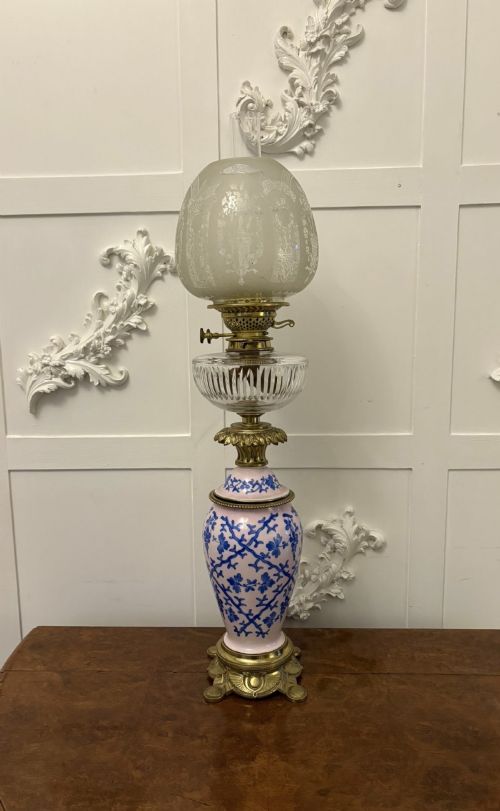
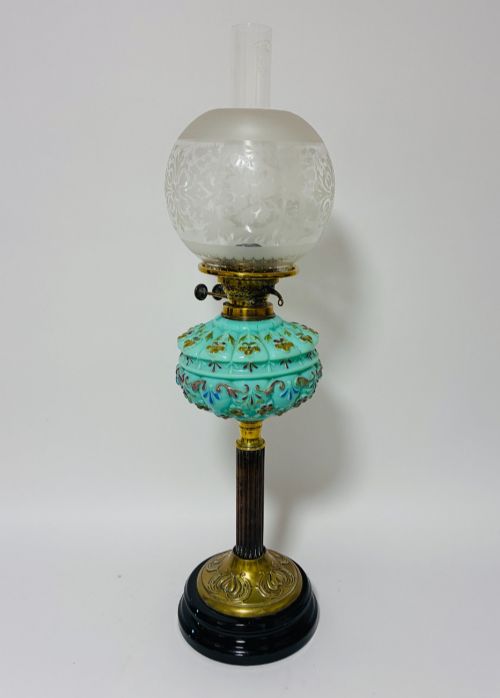
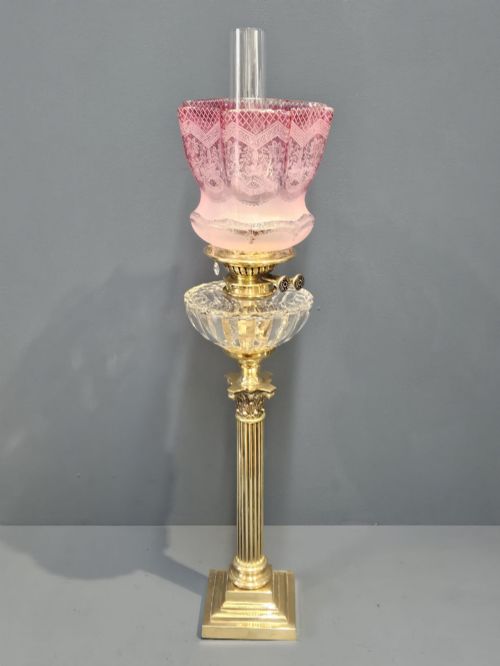
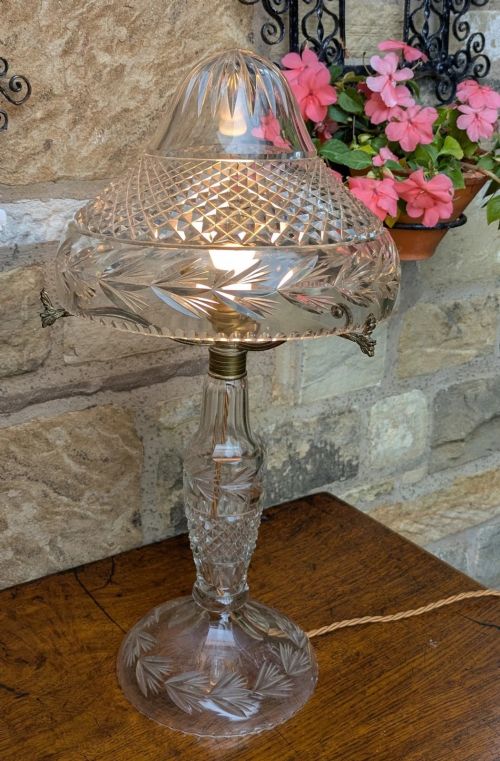
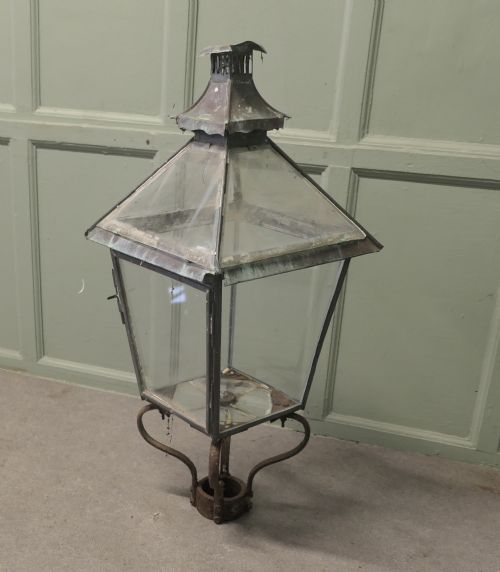
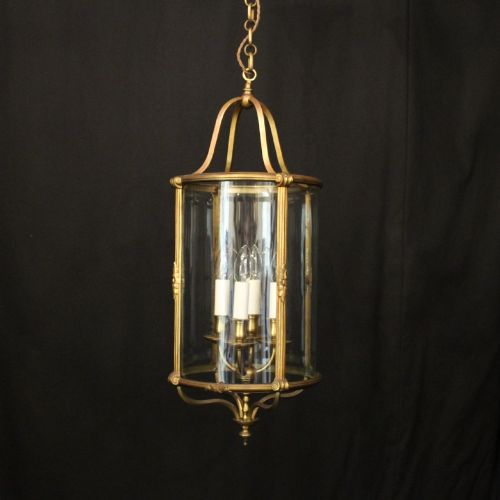
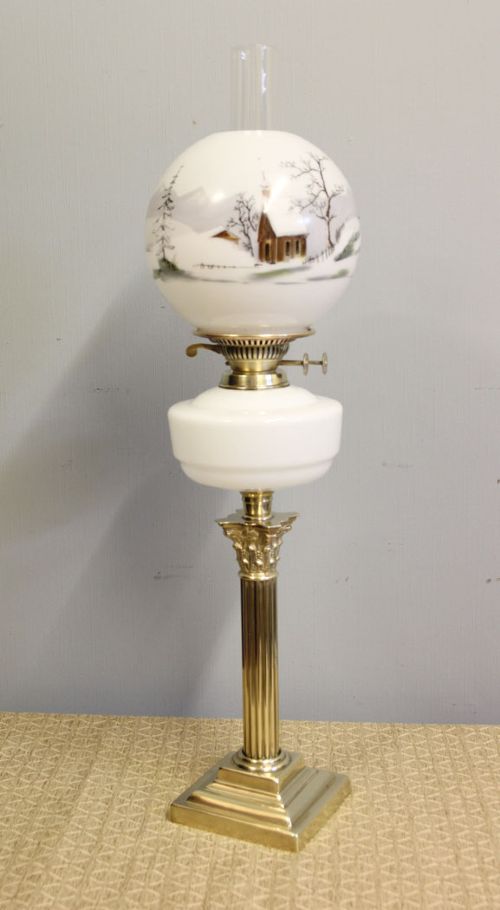
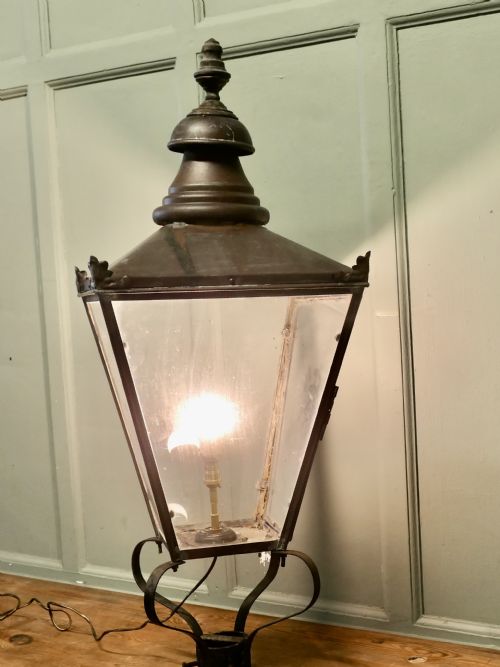
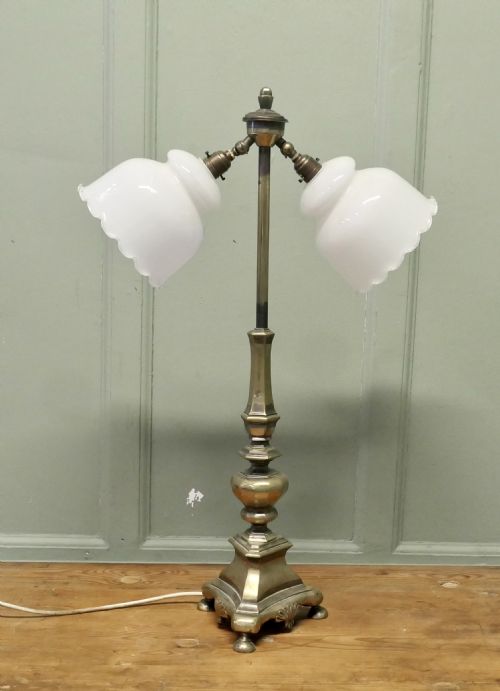
A victorian glass lamp typically pairs a heavy metal base, often in brass or copper, with a vibrant glass font or shade from the nineteenth century. These lighting pieces range from tall table standards and Corinthian column designs to smaller bedside finger lamps and hanging lanterns.
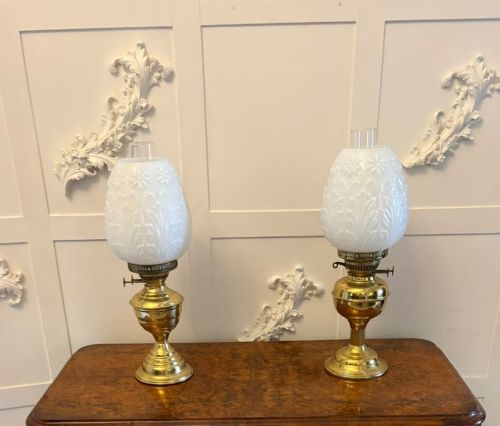
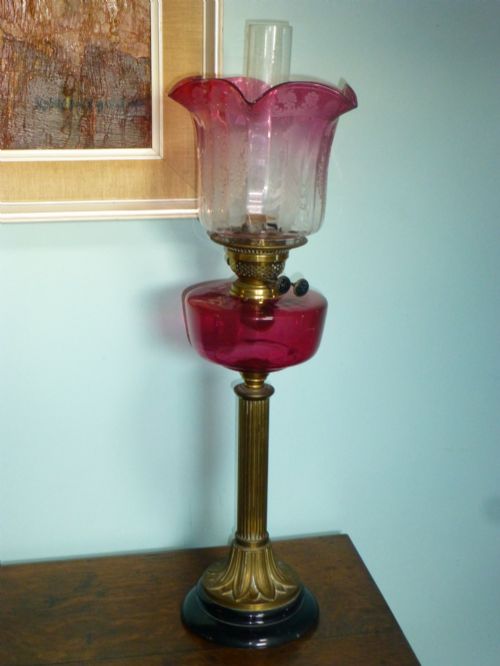
The versions most commonly found here combine structured brass columns with cranberry, opaline or ruby glass elements. Many retain their original burners and matching glass shades, showing the distinctive forms produced during the Victorian and Edwardian eras.
Materials and construction
Metalworking formed the structural backbone of these pieces, utilising cast brass, copper, and gilded bronze for columns, bases, and burner mechanisms. Metal components were frequently combined with ceramic or porcelain inserts to add weight and decorative contrast.
Glass production played an equally vital role, employing techniques such as hand-blowing, moulding, cutting, and overlaying. Artisans created intense colours like cranberry and vaseline by introducing specific mineral oxides into the molten glass batch.
Several Victorian models feature glowing vaseline glass and hand-painted owls that keep a watchful eye over the parlour.
Evaluating craftsmanship
Quality rests in the crispness of the metal casting and the depth of the glass colour. Superior examples display sharply rendered architectural details on brass columns and evenly saturated hues in blown reservoirs without surface bubbles.
The integration of components defines the standard of the piece. Top-tier lamps feature substantial, well-matched original shades and properly marked burner mechanisms by known makers, rather than later marriages of mismatched parts.
Hinks·Taylor Tunnicliff·Sitzendorf·Palmer and Co·Mc Gary
The Victorian Glass Lamp Glossary
- Duplex burner
- A specific double-wick mechanism that produced a brighter flame than standard single-wick burners. These improved mechanisms often bear maker stamps like Hinks.
- Vaseline glass
- A transparent or translucent yellow-green glass containing small amounts of uranium dioxide. It glows brightly under ultraviolet light and appears frequently in period shades.
- Opaline glass
- An opaque or semi-translucent glass, often found in white, pink, or pale green shades. It diffuses light softly and was widely used for Victorian globes and fonts.
- Corinthian column
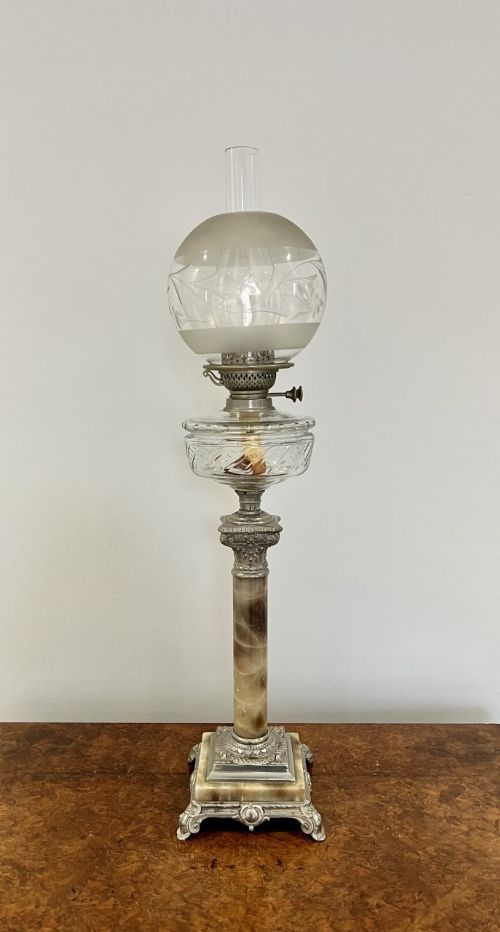
- An architectural column style adapted for lamp standards, featuring ornate acanthus leaf capitals. Brass versions of this classical form are heavily represented in the archive.
Victorian Glass Lamp: Frequently Asked Questions
Can I convert these lamps to electricity?
Most of these pieces can be professionally converted to take modern electrical wiring without altering the structural metalwork or damaging the original burner components.
Rewiring typically involves running a discreet cord through the central column or burner assembly while preserving the vintage glass font and shade intact.
How do I identify the period of a lamp?
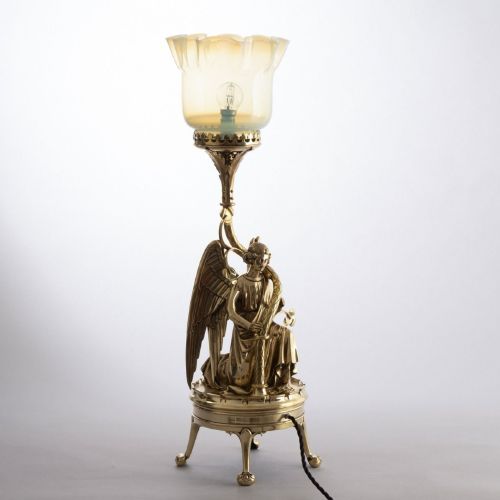
Dating relies on examining the combination of materials, burner patent marks, and stylistic indicators such as Gothic Revival or Arts and Crafts motifs. Nineteenth-century examples often feature heavy brass casting and hand-blown cranberry reservoirs.
Subsequent Edwardian pieces tend to show lighter construction, occasional onyx bases, and different shade mounting hardware compared to their Victorian predecessors.
Were glass shades always matched to the base?
Original production pairs usually featured shades and fonts produced from the same batch of coloured glass or decorated with complementary hand-painted motifs. Cranberry and opaline glass were frequently matched in tone and decorative style.
Over the decades, individual components occasionally became separated, so collectors look for consistent wear patterns and matching glass hues to confirm an original pairing.
How should I clean a vintage glass shade?
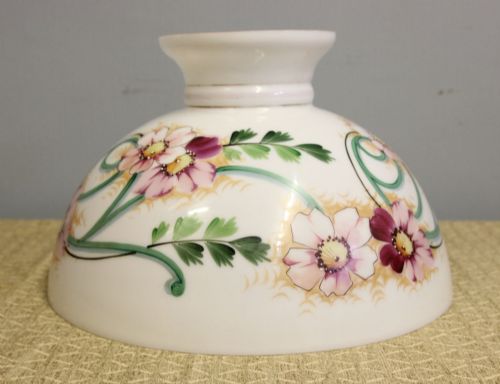
Gentle washing in warm water with mild soap safely removes dust and soot accumulation from delicate glass surfaces. A soft cloth prevents scratching on hand-painted botanical or etched details.
Metal components like brass require separate maintenance using appropriate non-abrasive cleaners, keeping polishing compounds away from the surrounding glass.