



Glass Chimney Oil Lamp
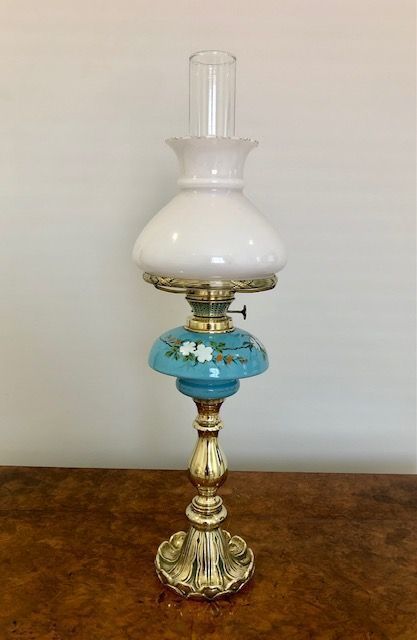
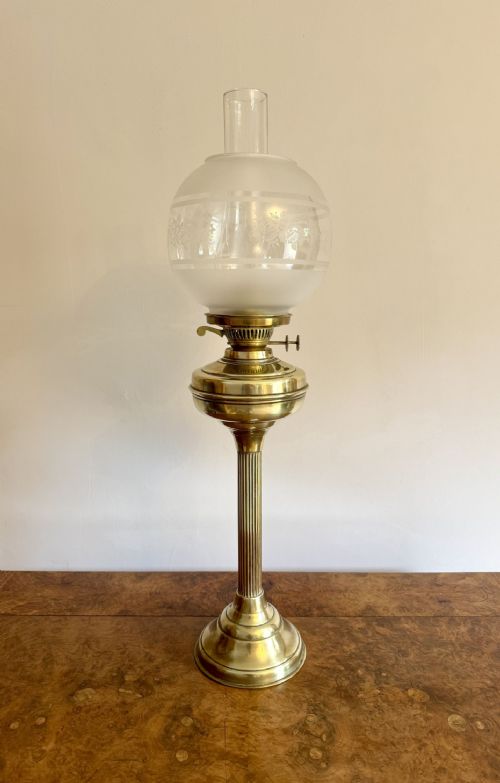
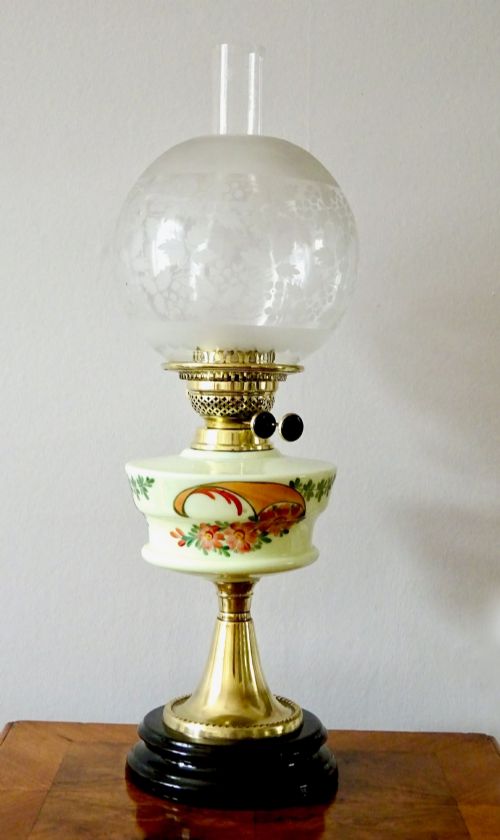
A glass chimney oil lamp brings warm, period illumination to a room, combining functional metal, ceramic, and glass elements.

Glass Chimney Oil Lamp
A glass chimney oil lamp consists of a fuel reservoir, a burner mechanism, and a tall glass chimney designed to steady the flame and draw air upwards. When you search for a glass chimney oil lamp, you encounter pieces primarily from the Victorian and Edwardian eras, spanning the late nineteenth and early twentieth centuries.
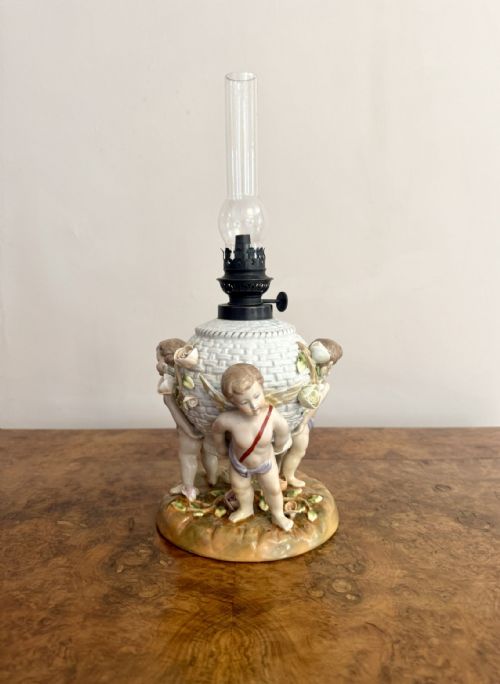
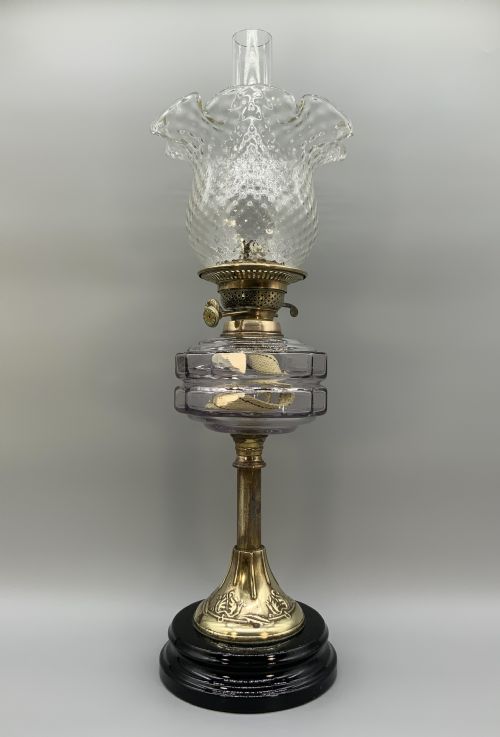
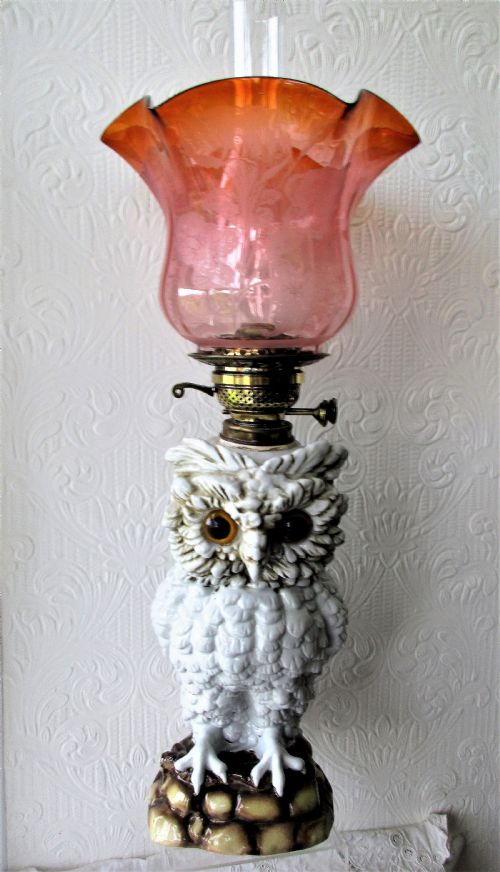
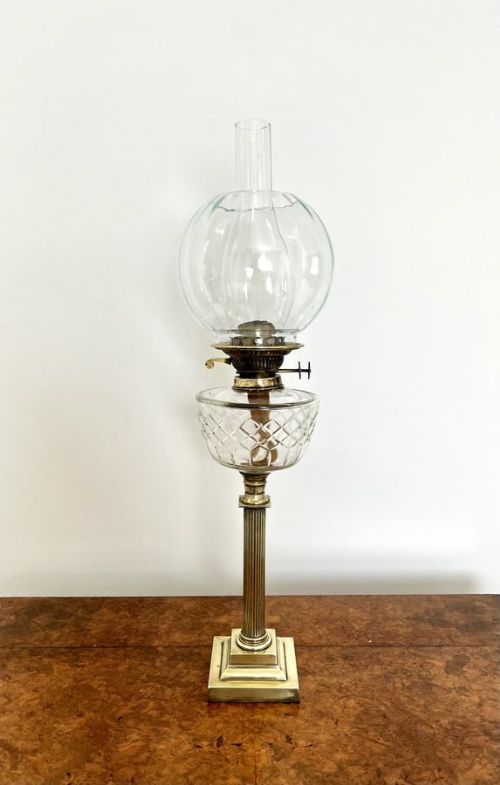
The surviving examples combine various materials, most frequently pairing a heavy brass or ceramic base with coloured, clear, or opaline glass reservoirs and shades. These table lamps range from simple brass standards to elaborate figural designs modelled as owls or decorated with French Rococo Revival motifs.
Materials and construction
The construction of these lamps relies heavily on cast brass, spun metal, and moulded or hand-blown glass. Metal components provide a stable, weighted base and mountings, while glass is utilised for the translucent chimneys, decorative reservoirs, and matching globes.
Ceramic and porcelain elements, sometimes associated with Continental potteries like Sitzendorf, are integrated into the bodies and hand-painted with detailed scenes or figural subjects. Metalworking techniques such as plating and casting are combined with glass-blowing and cutting to produce the finished lighting fixtures.
Glass Chimney Oil Lamp Retail Price Guide 2026
Typical asking prices for glass chimney oil lamp among the pieces listed under this phrase on Sellingantiques today, from the lower quarter to the upper quarter. They describe what is for sale here now, not the wider market.
Several Victorian models take the surprising form of wide-eyed porcelain owls, peering out from the sideboard with internal oil reservoirs.
Distinctions in quality
Quality in these lamps is evident in the weight of the metal castings, the crispness of the moulding on ceramic figural pieces, and the clarity or depth of colour in the glass components. Finer examples display meticulous hand-painting on porcelain and substantial brass work rather than thin, pressed sheet metal.
The integrity of the original glass chimneys and matched shades significantly elevates a piece, as replacements are common. Superior lamps maintain harmonious proportions between the heavy base, the burner mechanism, and the delicate glasswork above.
The Glass Chimney Oil Lamp Glossary
- Chimney
- The tall, narrow glass tube fitted over the burner to protect the flame and create the draft necessary for steady combustion. It directs smoke away and keeps the flame upright.
- Opaline glass
- An opaque or semi-translucent glass, often found in white or pastel shades, frequently used for lamp shades and reservoirs during the Victorian period. It diffuses light softly across a room.
- Reservoir
- The container that holds the paraffin or oil beneath the burner mechanism. It is often made from cut glass, coloured cranberry glass, or decorated porcelain.
- Burner
- The metal mechanism screwed to the top of the reservoir that controls the wick and holds the glass chimney in place. It regulates the size and brightness of the flame.
Glass Chimney Oil Lamp: Frequently Asked Questions
How do I clean the glass chimney?
Gently remove the glass chimney from the brass burner, taking care not to chip the fragile rims. Wash it in warm, soapy water with a soft cloth, then rinse and dry thoroughly before replacing.
Avoid using harsh abrasive scourers that can scratch the aged glass. Stubborn soot deposits inside the chimney often require a narrow bottle brush to reach the upper sections.
How do I identify a Victorian lamp?
Victorian examples frequently feature heavy brass casting, cranberry or opaline glass, and distinct burner mechanisms bearing period patent stamps. Stylistic cues include Rococo Revival scrolls and ornate floral decorations.
Later Edwardian pieces often lean towards simpler brass standards or softer pastel ceramic bodies. Comparing the weight of the metal and the manufacturing marks helps narrow down the production era.
Can I replace a missing shade?
Finding a period-correct replacement shade requires matching the fitter size, which is the bottom diameter that seats into the brass gallery ring. Glass shades from the late nineteenth century varied significantly in style, from frilled cranberry glass to globular terrestrial designs.
While matching an antique shade enhances the overall aesthetic, reproduction glass is sometimes used to complete an incomplete lamp.