
Victorian Glass Display Case
When searching for a victorian glass display case, collectors encounter refined wooden cabinets and specialised natural history showcases made to protect delicate objects.
Victorian Glass Display Case
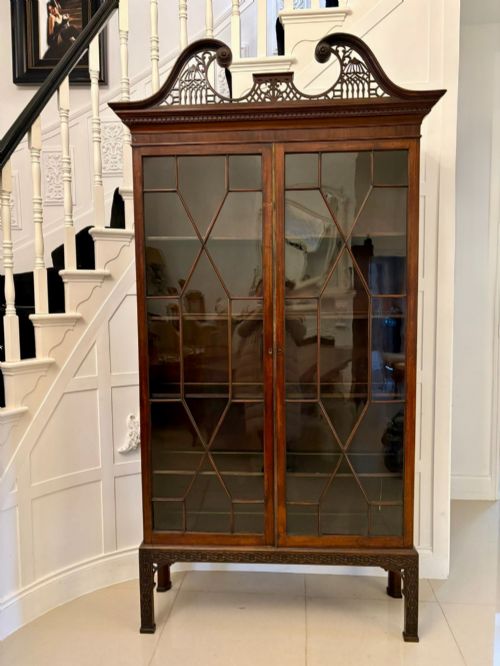
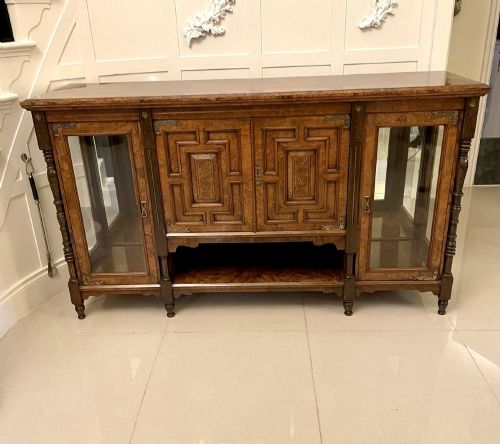
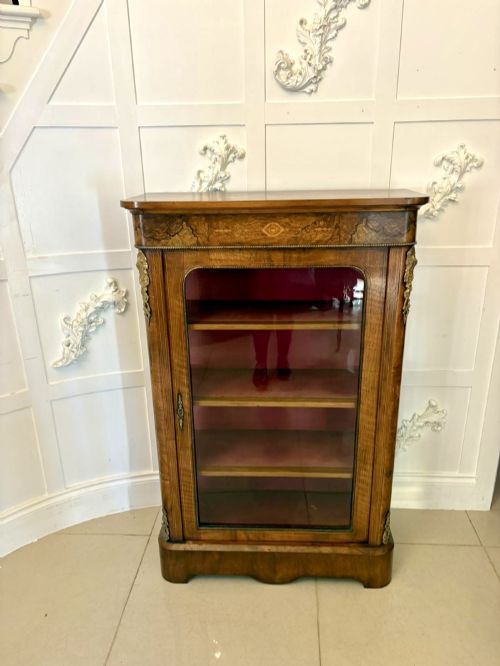
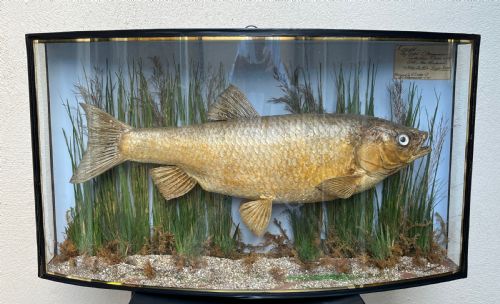
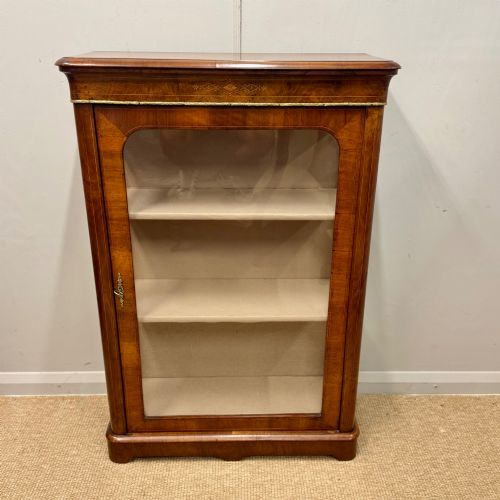
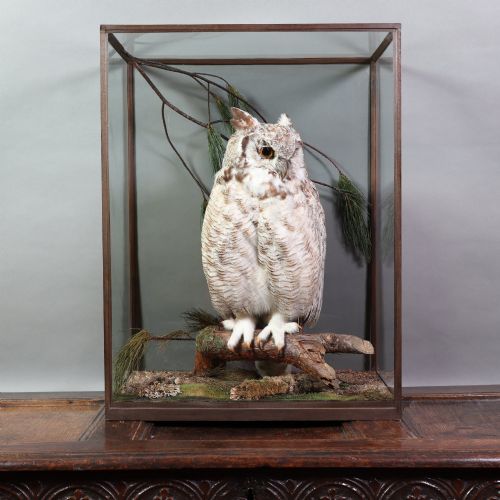
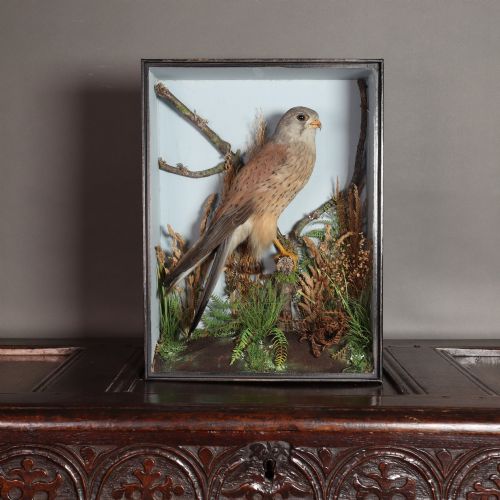
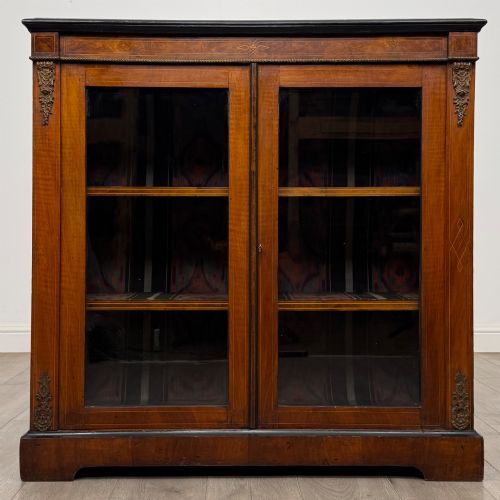
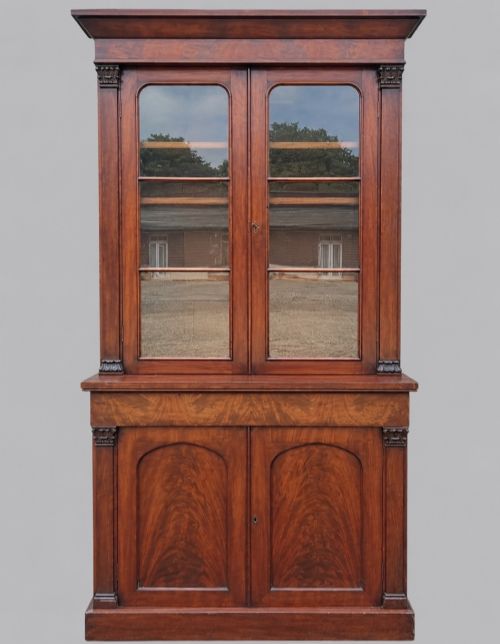
A victorian glass display case encompasses domestic pier cabinets, shop counters, tall bookcases, and specialised taxidermy domes originating across the nineteenth century and into the Edwardian era. These pieces served various purposes in period homes and commercial settings, housing everything from fragile ceramics and books to preserved birds and maritime dioramas.
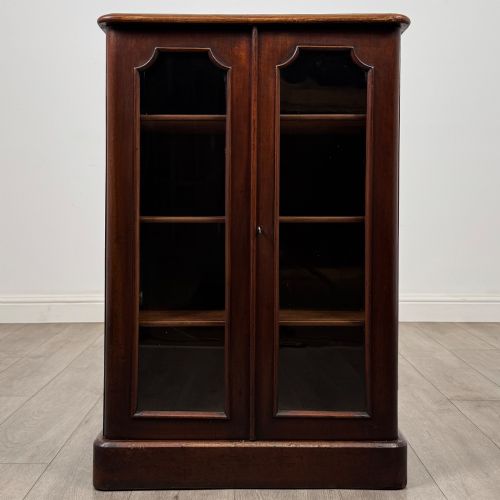
Domestic examples frequently appear in rich woods such as walnut and mahogany, while commercial and natural history variants utilise simple pine, oak, or ebonised frames. Buyers most commonly meet walnut pier cabinets, mahogany bookcases, and domed glass taxidermy showcases on this page.
Materials and Construction
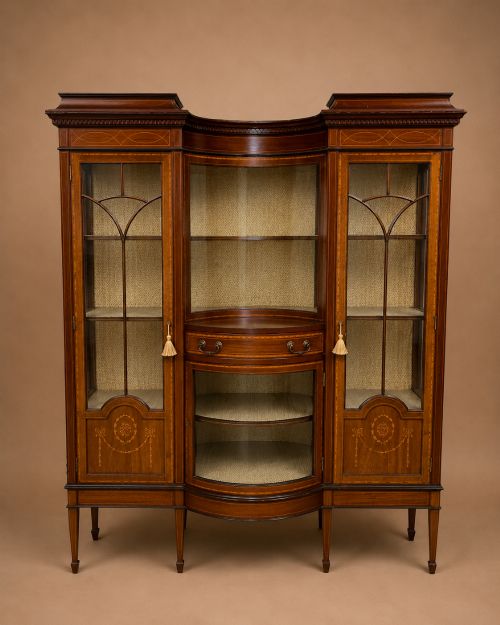
Cabinet makers utilised solid timbers and decorative veneers, applying burr walnut, satinwood, and mahogany over supportive pine or oak carcases. Brass mounts, ormolu details, and inlaid stringing frequently accentuate the primary wood grains.
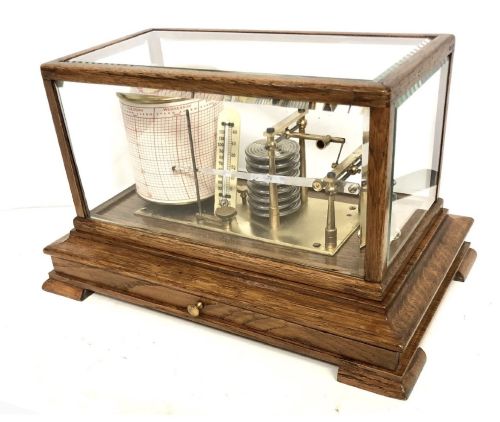
Transparent enclosures rely on blown or cast glass panes held within wooden rebates, alongside freestanding glass domes resting on wooden or fabric-lined bases. Interior spaces often incorporate adjustable glass shelves, mirrored backs, or tailored fabric linings to display the enclosed objects effectively.
Listings feature oak, mahogany, walnut, burr walnut, satinwood, and pine paired with brass, ormolu, and fabric components across the Victorian and Edwardian periods.
Distinctions in Execution
Quality rests in the precision of the timber selection, the depth of the cabinet work, and the integration of decorative elements such as hand-cut inlay and cast brass mounts. Superior pieces display harmonious proportions, seamless veneer matching, and original glass panes without excessive distortion.
Commercial utility and domestic elegance dictate different construction standards, with exhibition pieces showing intricate carving and refined internal arrangements. The integrity of the original backing boards, locks, and shelving supports further separates standard storage items from finer examples.
Little & Co·Rowland Ward Ltd·T. E. Gunn·Davis & Co
The Victorian Glass Display Case Glossary
- Pier cabinet
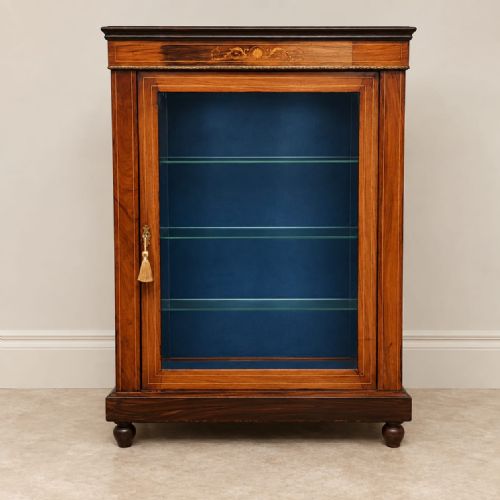
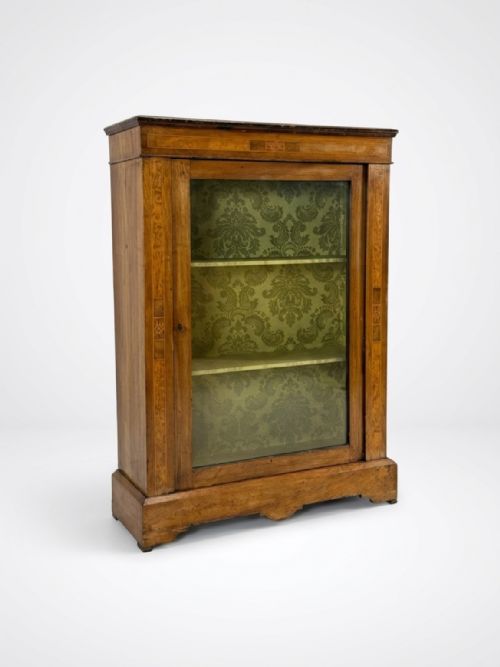
- A low, narrow cabinet designed to stand against the wall space between windows. These pieces often feature single glazed doors and inlaid wood decoration.
- Credenza
- A large sideboard or cabinet used for display and storage, frequently mounted with ormolu and detailed in burr walnut. They sit low to the ground and anchor formal reception rooms.
- Bijouterie
- A glass-topped or glazed table and cabinet used for displaying small precious objects, jewellery, or curiosities. They often include velvet or silk-lined interiors.
- Ormolu
- Gilded bronze mounts applied to the corners, friezes, and feet of fine nineteenth-century cabinets. This decorative technique adds metallic contrast to dark wood surfaces.
- Cloche
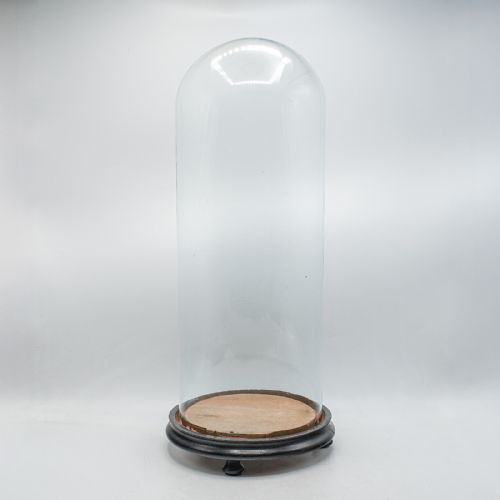
- A bell-shaped glass cover used as a display dome for fragile specimens and taxidermy. These domes rest directly on circular wooden bases.
Victorian Glass Display Case: Frequently Asked Questions
What fits inside a pier cabinet?
Pier cabinets house delicate ceramics, small sculptures, and bound books behind single glass doors. Their narrow proportions suit confined wall spaces in traditional rooms.
Interior shelves usually adjust to accommodate varying heights of ornaments while protecting fragile collections from dust.
How were taxidermy domes used?
Taxidermy domes protected preserved birds, fish, and botanical specimens from humidity and handling in Victorian interiors. Glass covers sat securely upon timber or fabric-lined circular bases.
Naturalistic settings inside these cases often incorporated painted backgrounds, dried foliage, and artificial rocks to mimic outdoor habitats.
Where did shop display cabinets stand?
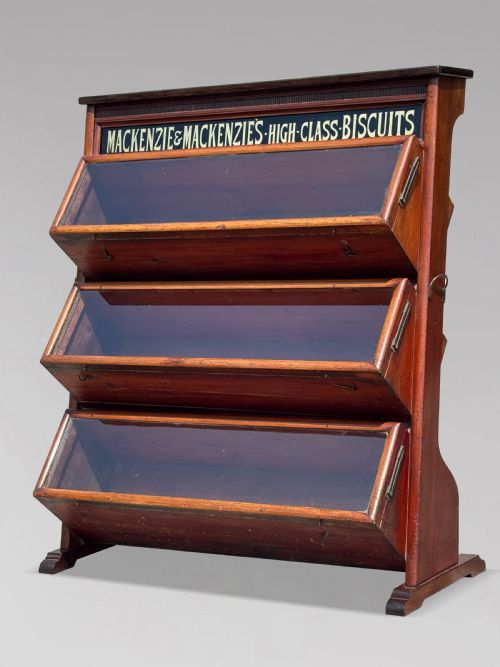
Retail merchants placed counter display cases and tall showcases near windows or serving areas to present goods to customers. These commercial pieces highlighted items like biscuits, haberdashery, and books.
Sturdy timber frames and wide glass panels allowed clear observation while keeping merchandise secure behind locked doors.
How do you date a walnut cabinet?
Dating relies on timber choice, construction methods, and stylistic details such as ormolu mounts and inlay patterns. Mid-nineteenth-century examples frequently employ rich burr walnut veneers over oak carcases.
Later Victorian and Edwardian variations often introduce lighter satinwood stringing, ebonised finishes, or modified proportions reflecting changing decorative tastes.