
Victorian Glass Cupboard
These pieces known as a victorian glass cupboard bring nineteenth-century timber and transparency together to display cherished volumes or ornaments in any room.
Victorian Glass Cupboard
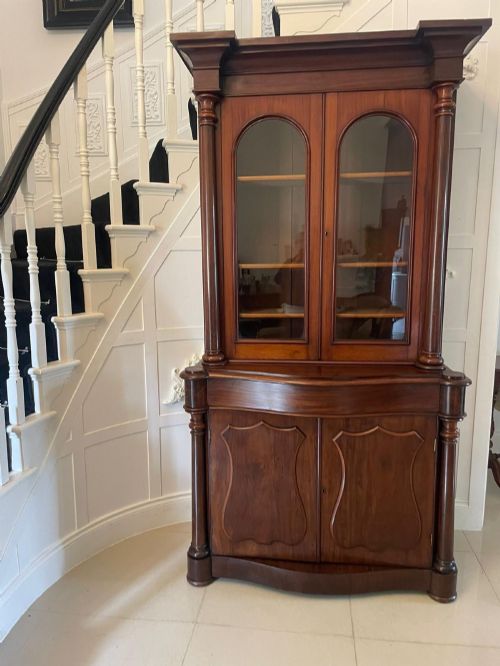
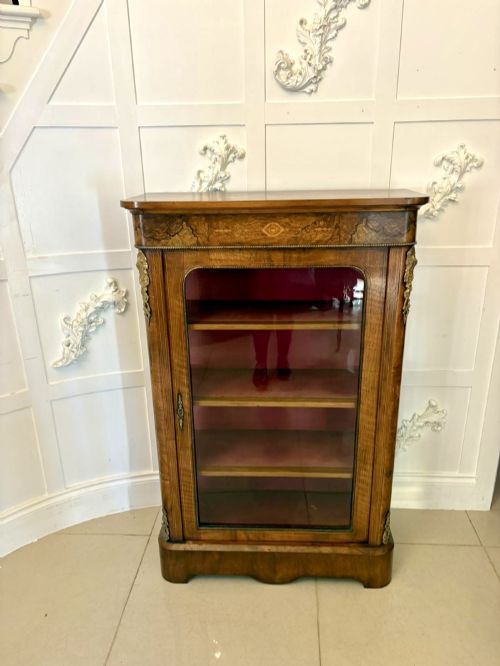
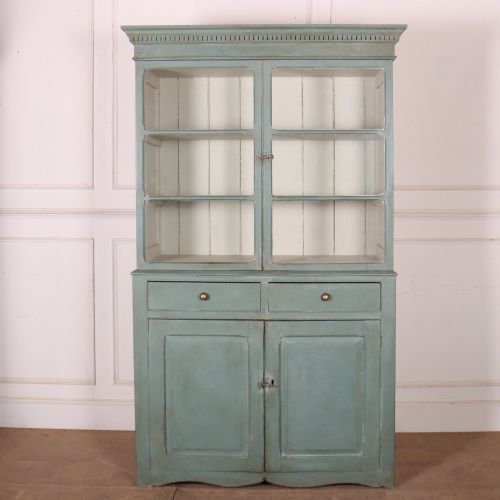
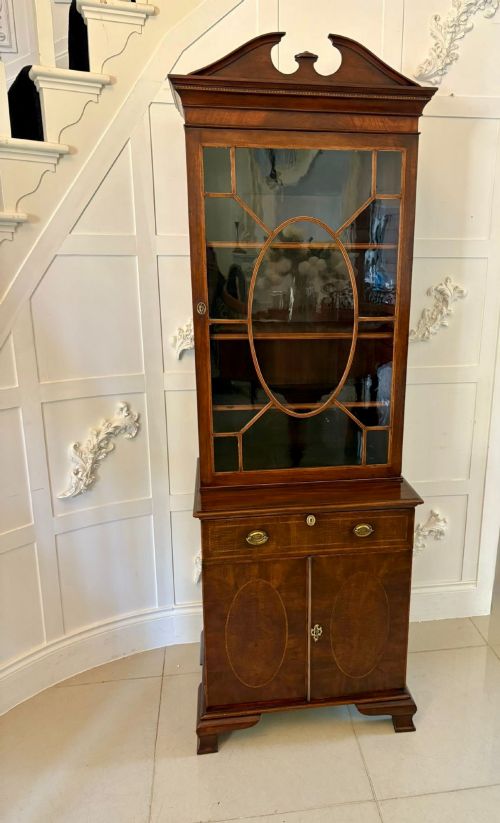
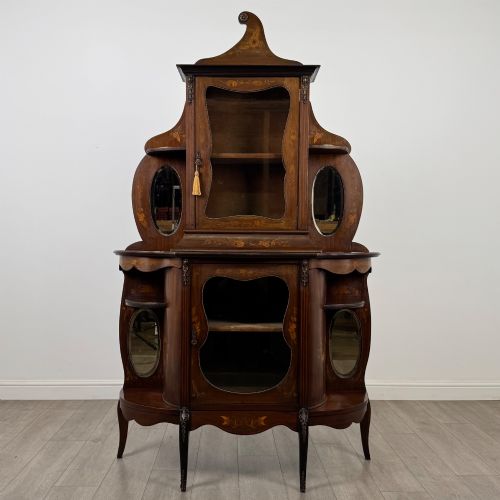
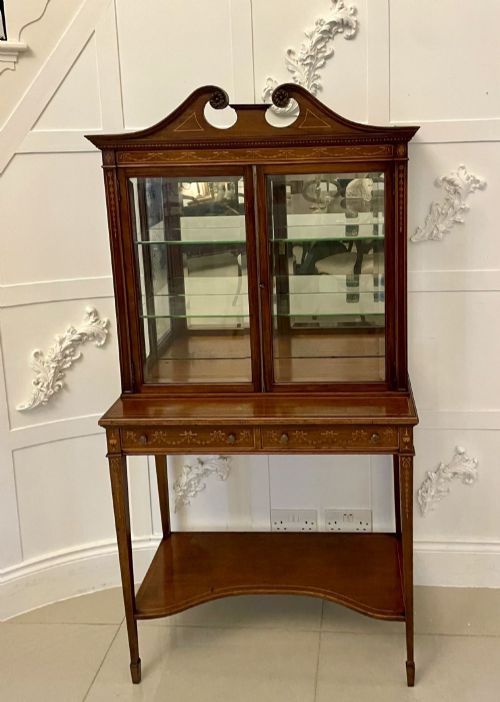
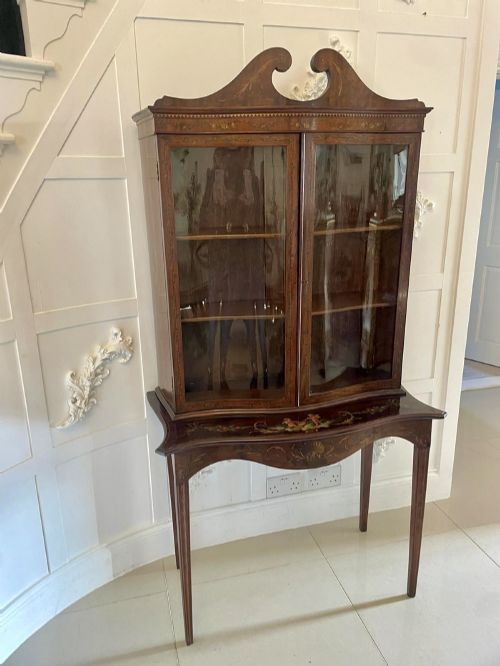
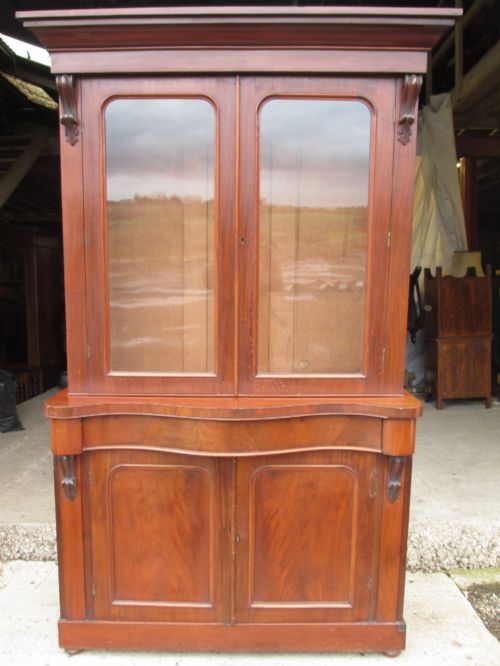
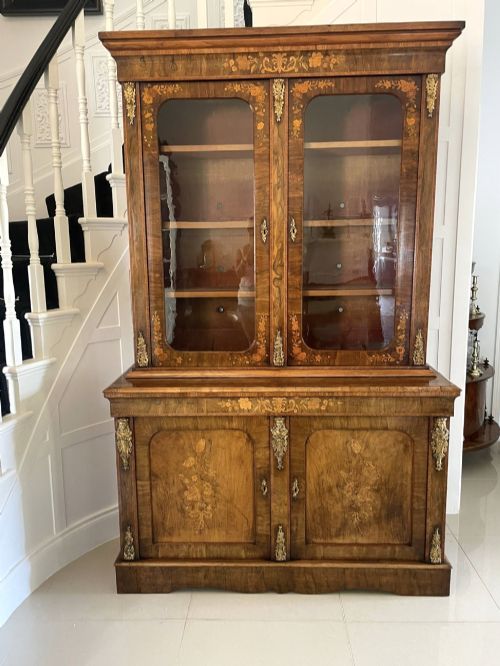
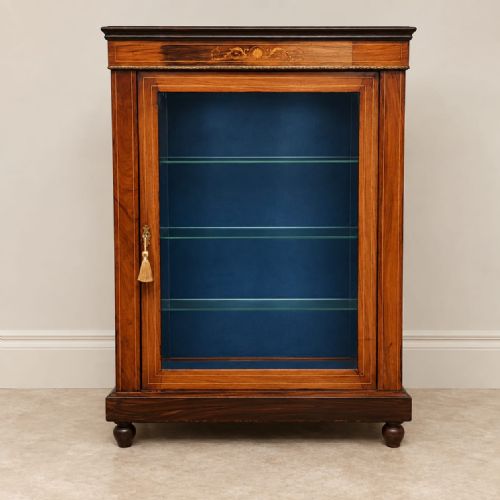
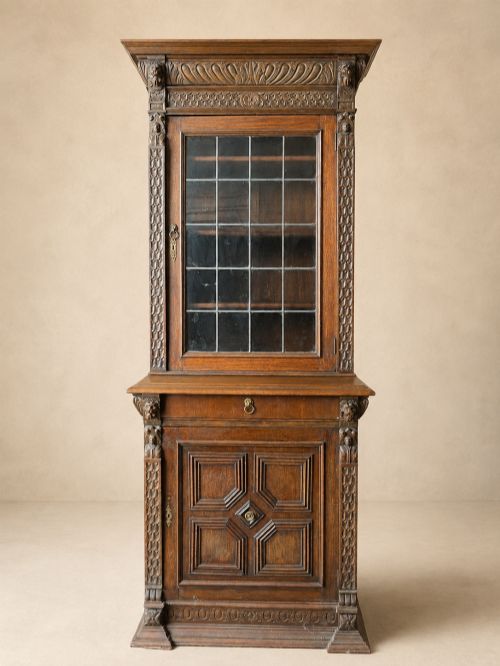
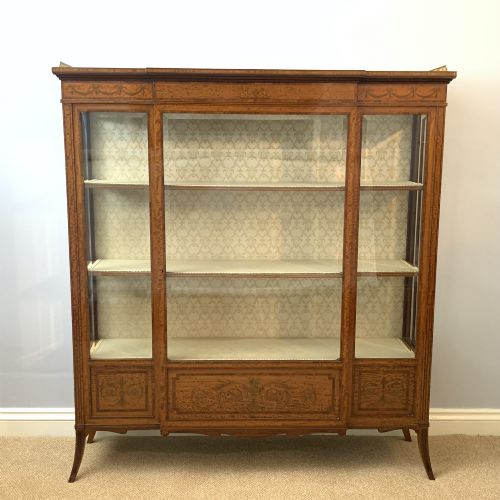
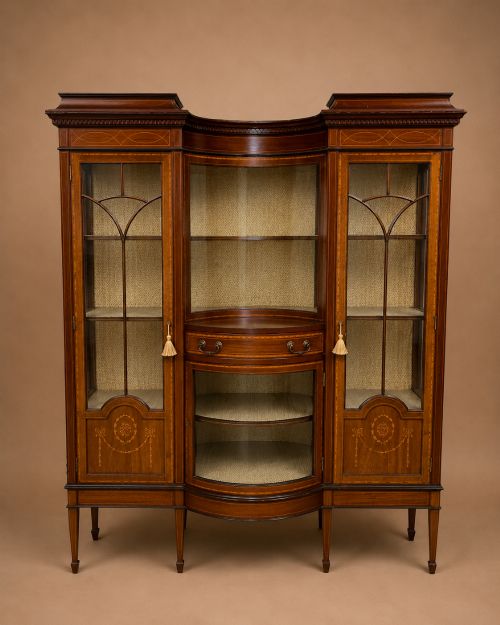
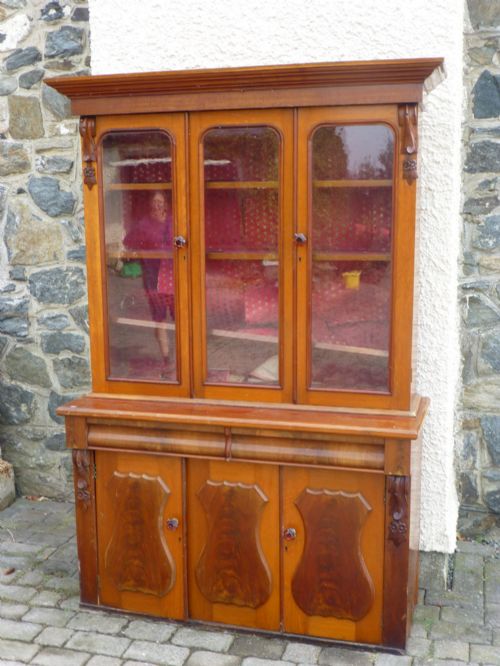
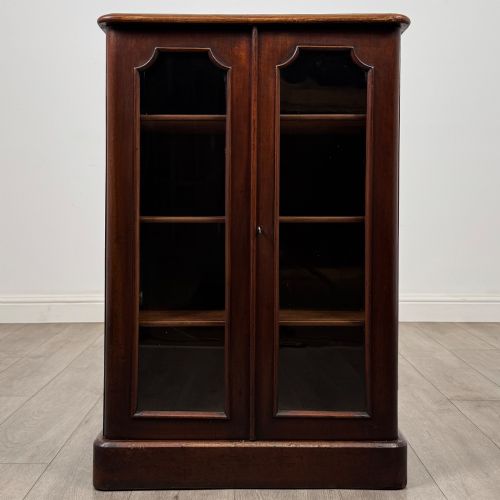
A victorian glass cupboard encompasses tall library bookcases, slender pier cabinets, kitchen dressers, and corner cupboards produced during the nineteenth century. These items combine timber frames with glazed doors designed to protect books and display objects while keeping them visible.
The most frequent forms met on this page include mahogany and burr walnut display cabinets alongside pine country cupboards and sectional bookcases. Many examples date from specific decades such as eighteen sixty or eighteen eighty, while others belong broadly to the nineteenth century.
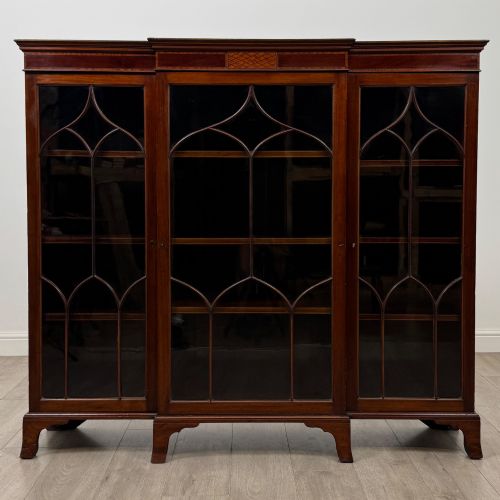
Makers and regional workshops produced these items in various styles including Sheraton Revival, Art Nouveau, and Gothic influences alongside English, Scottish, and Welsh country traditions. Buyers encounter everything from large breakfront library bookcases down to miniature apprentice chests of drawers.
How they were made
Cabinet makers utilised dense hardwoods like mahogany, burr walnut, and satinwood alongside softer timbers including pine and oak. These woods were often inlaid with contrasting stringing, marquetry, or painted decoration to enrich the exterior surfaces.
Glazing bars divided the glass panels within the doors, whilst brass hardware, ormolu mounts, and turned feet completed the construction. Larger library bookcases and kitchen dressers frequently utilised a two-part form to facilitate transport and placement.
Miniature apprentice chests of drawers sit alongside towering breakfront libraries as proof that cabinet makers enjoyed showing off their scale.
What varies in quality
The selection of timber grain defines the visual weight of the piece, with highly figured mahogany and burr walnut standing apart from plain pine or secondary woods. Finer cabinets display meticulous marquetry inlay, original painted decoration, and crisp carved details rather than simple moulded edges.
Makership influences the standing of individual cabinets, as evidenced by branded or stamped work from established London firms. Proportion, original glass panes, and integrated adjustable shelving also separate standard utility furniture from finer domestic appointments.
Jas Shoolbred·Edwards & Roberts
The Victorian Glass Cupboard Glossary
- Pier cabinet
- A low freestanding cabinet designed to fit against the narrow wall space between windows. These pieces often feature glass doors and ormolu mounts.
- Breakfront
- A piece of furniture where the central section projects forward from the flanking wings. This configuration adds architectural depth to large bookcases.
- Marquetry
- Decorative veneer work arranged in pictorial or geometric patterns using various coloured woods. It appears on finer walnut and satinwood surfaces.
- Glazing bar
- A narrow wooden or metal strip that holds individual panes of glass within a sash. These bars create distinct geometric patterns across cabinet doors.
- Ormolu
- Gilt bronze mounts applied as decorative ornaments to furniture corners and friezes. This technique is frequently found on walnut cabinets.
Victorian Glass Cupboard: Frequently Asked Questions
What is a pier cabinet?
A pier cabinet is a low freestanding display piece designed to occupy the narrow stretch of wall between two windows in a Victorian drawing room.
These cabinets typically feature glazed doors to protect ornaments and correspondence while reflecting light around the interior space.
How do I date a Victorian bookcase?
Dating relies on timber selection, secondary woods, construction methods, and stylistic cues such as Sheraton Revival or Art Nouveau details. Mid-century examples often display figured mahogany, whereas late-century pieces may incorporate satinwood or specific maker stamps.
Recorded dates on these pieces span from eighteen fifty through to nineteen hundred, providing clear benchmarks for stylistic evolution.
Are these cupboards delivered in parts?
Larger library bookcases and kitchen dressers frequently utilise a two-part form, separating the upper glazed section from the lower base or cupboards. This sectional construction assists with transport and maneuvering into rooms with standard ceiling heights.
Smaller pier cabinets and single-door cupboards generally arrive as solid, single units.
What timber was used most often?
Mahogany and pine appear frequently across the surviving inventory, accompanied by burr walnut, satinwood, and oak. Formal reception rooms favoured polished hardwoods and marquetry, while country kitchens utilised sturdy pine and oak.
Individual pieces often combine a primary show wood with secondary timbers used for drawer linings and internal shelving.