




Commercial Glazed Cabinet
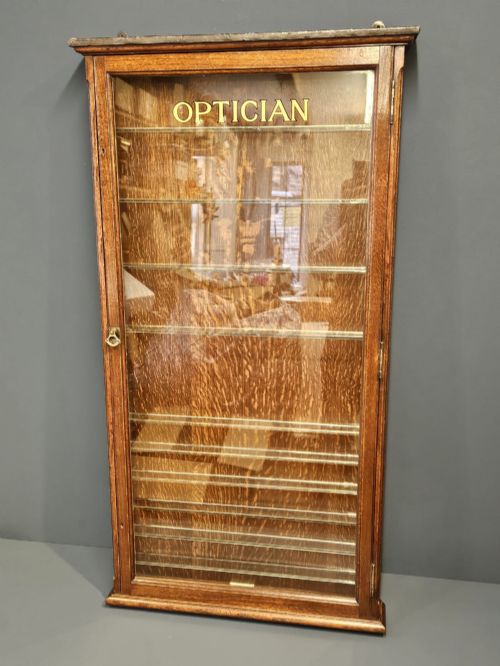
A commercial glazed cabinet brings authentic retail history into a room, offering clear glass views designed to showcase confectionery, tobacco, and apothecary goods.
Commercial Glazed Cabinet
When searching for a commercial glazed cabinet, buyers encounter timber frames fitted with extensive glass panels built for nineteenth and twentieth-century retail environments.
The most common examples on this page are mahogany shop counters, tabletop vitrines, and tall wall-mounted display units originating from Victorian, Edwardian, and 1930s commercial premises.
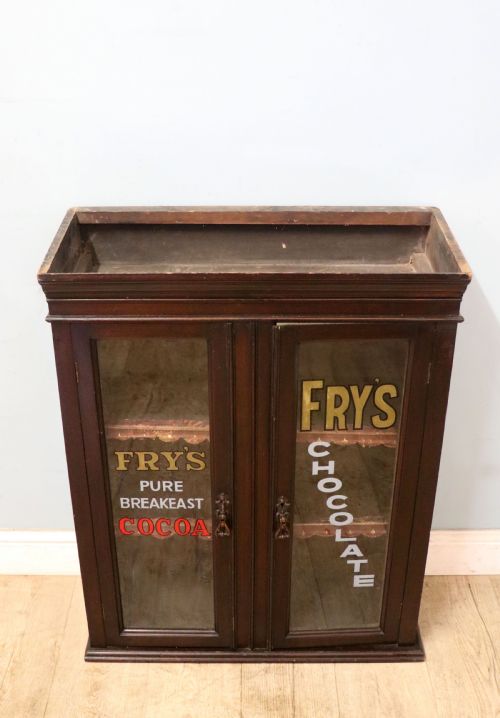
Many of these utilitarian display pieces carry original manufacturer badges or hand sign-written advertising for confectioners and chemists such as Fry’s, Rowntree’s, and Kemps Pharmacy.
Materials and retail construction
Makers built these heavy-duty shopfittings primarily from solid mahogany and oak, often incorporating mirrored interiors to reflect light through the merchandise.
Brass hardware, metal framing, and mirrored backings reinforced the timber structures to withstand daily customer interaction in busy shops.
Commercial Glazed Cabinet Retail Price Guide 2026
Typical asking prices for commercial glazed cabinet among the pieces listed under this phrase on Sellingantiques today, from the lower quarter to the upper quarter. They describe what is for sale here now, not the wider market.
Current listings feature timber frames in mahogany, burr walnut, and light oak, paired with brass hardware and mirrored glass.
Assessing quality in retail cabinets
Quality in a commercial glazed cabinet rests on the integrity of the timber framing, the clarity of the original glass, and the survival of authentic maker details.
Pieces that retain genuine period sign-writing, original brass fittings, and uncompromised mirrored interiors stand apart from heavily altered examples.
Fry’s Chocolate·Rowntree’s Chocolates·Kemps Pharmacy Chemist & Opticians·Terry’s of York·E. Pollard & Co. Ltd.·Cadbury's Cocoa·Aitchison·Zambrene Weatherproof Clothing·Jenners of Edinburgh
The Commercial Glazed Cabinet Glossary
- Haberdashery cabinet
- A multi-drawer retail fixture featuring glass fronts designed to display small drapery items and accessories. These units prioritize organised storage alongside visible product presentation.
- Counter top display cabinet
- A compact glazed showcase placed upon a shop service desk to entice customers at the point of sale. They frequently feature hinged or sliding rear doors for easy access by the shopkeeper.
- Shopfitting
- The trade and practice of manufacturing and installing fixtures, counters, and display units for retail premises. Surviving examples reflect the specific commercial demands of the Victorian and Edwardian eras.
- Sign-writing
- The traditional craft of painting lettering by hand onto glass or timber surfaces. In commercial cabinets, this technique denotes original brand advertising for confectioners and chemists.
Commercial Glazed Cabinet: Frequently Asked Questions
Where were these cabinets originally used?
These glazed fixtures served merchants, chemists, and confectioners in high street shops, tea rooms, and department stores during the nineteenth and early twentieth centuries.
Shopkeepers utilised them on counters and walls to keep goods visible yet secure from handling.
How do I clean the mirrored interior?
Use a soft microfiber cloth with a mild vinegar solution applied to the cloth rather than directly onto the mirror. This prevents moisture from seeping behind the antique silvering.
Take care around old timber frames and hand-painted advertising sign-writing to avoid moisture damage.
Can these hold heavy books?
Many examples double as bookcases or display cabinets with sturdy timber shelving capable of supporting substantial volumes. Verify the depth and shelf construction of each specific unit before loading heavy weights.
Tall two-section units offer greater structural capacity for larger collections.
Are the advertising signs original?
Survival varies between pieces, with some retaining original hand-applied sign-writing for confectioners while others feature later sign-writing applied during historical use.
Examine the wear around the lettering to understand the history of the surface.