






Shop Fitting Bookcase
These shop fitting bookcase examples combine heavy commercial display utility with domestic presence, offering robust storage for books and collections.
Shop Fitting Bookcase
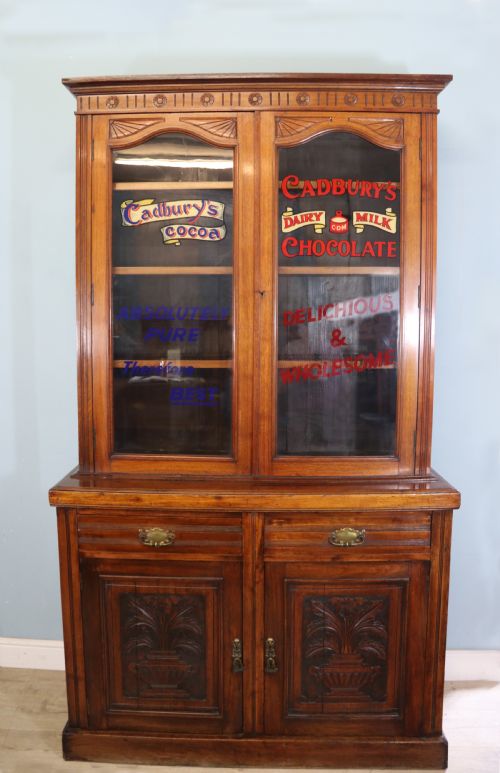
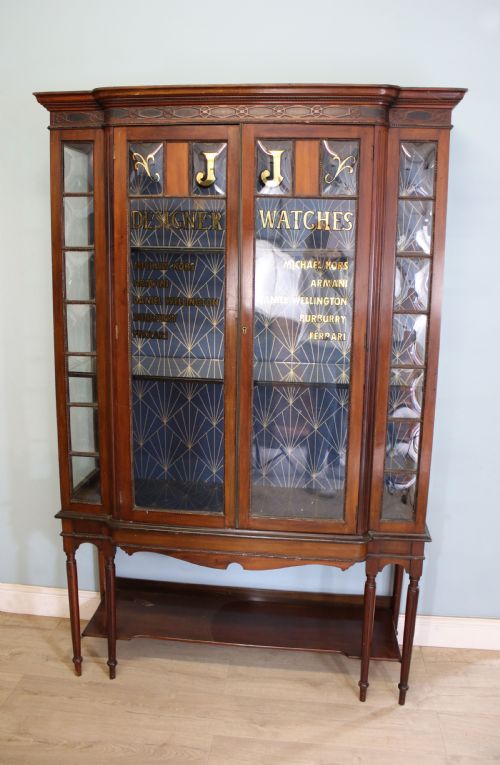
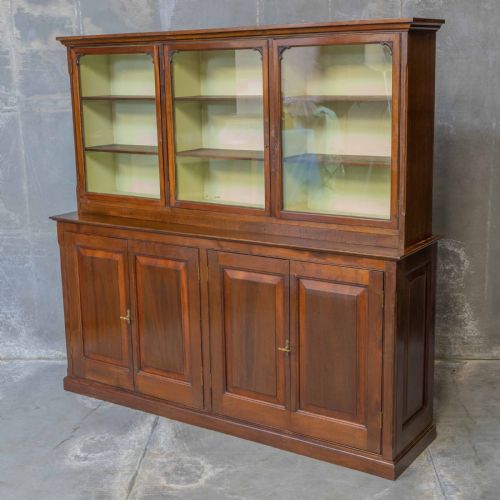
A shop fitting bookcase bridges the gap between commercial retail display and domestic library furniture. When searching for a shop fitting bookcase, buyers encounter pieces originating from the nineteenth century, the Edwardian era, and the 1930s. Forms span from counter-top units and stacking French designs to large architectural cabinets.
The material palette draws heavily on solid timbers including mahogany, walnut, oak, and burr walnut, alongside painted wood and brass details. Many items retain original or later sign-writing relating to trades such as gunsmiths, fishing supplies, and apothecary uses, underlining their commercial origins.
Construction and materials
Construction relies on durable timbers like mahogany, oak, and walnut, framed to withstand daily commercial demands. Glazed doors and glass panels protect contents while providing full visibility for display.
Hardware incorporates brass fittings alongside timber frameworks. Painted wood surfaces and hand sign-written lettering appear across various pieces from the nineteenth century onwards.
Shop Fitting Bookcase Retail Price Guide 2026
Typical asking prices for shop fitting bookcase among the pieces listed under this phrase on Sellingantiques today, from the lower quarter to the upper quarter. They describe what is for sale here now, not the wider market.
Listings feature items spanning the nineteenth century, Victorian period, Edwardian era, and the 1930s.
Judging quality in commercial furniture
Quality rests upon the selection of solid hardwoods such as mahogany and burr walnut over secondary softwoods. The integrity of the timber framing and the clarity of the original glass panels separate standard utility items from finer display pieces.
The presence of authentic trade sign-writing and period hardware adds historic character. Refined proportions in architectural cabinets distinguish superior workshop output from simpler commercial carcasses.
Robert West Gunsmith
The Shop Fitting Bookcase Glossary
- Haberdashery cabinet
- A compartmentalised commercial unit originally designed for storing textiles and small drapery goods. These pieces utilise multiple shallow drawers or glass-fronted sections.
- Architectural bookcase
- A large-scale bookcase designed to form part of a room's permanent interior scheme. Such pieces often feature heavy cornice mouldings and substantial plinths.
- Counter-top unit
- A smaller commercial display case meant to sit atop a shop counter. They place merchandise at eye level for retail customers.
- Sign-written
- Painted lettering on glass or timber denoting a specific business or proprietor. This commercial detail links the furniture to its past working environment.
- Burr walnut
- A highly figured timber veneer prized for swirling grain patterns. Cabinet makers selected this material for decorative display fronts.
Shop Fitting Bookcase: Frequently Asked Questions
What is a shop fitting bookcase?
A shop fitting bookcase is a piece of furniture built for commercial retail environments that now serves domestic functions. These units combine shelving or display space with robust construction suited to heavy public use.
They frequently feature glass doors, solid timber frames, and occasionally trade sign-writing from their time in shops.
How were these bookcases used?
Originally, these cabinets served in shops, apothecaries, and emporiums to display goods while protecting stock from dust and handling. Businesses utilised them to merchandise items ranging from books and fishing supplies to haberdashery.
In modern settings, owners repurpose them as bookcases or display cabinets for private collections.
How do I date a shop fitting bookcase?
Dating relies on observing timber choices, construction methods, and stylistic cues from periods like the Victorian era, the Edwardian period, and the 1930s. Mahogany and oak dominate nineteenth-century pieces, while stacking designs and lighter oak finishes often point to the interwar years.
Sign-writing and brass hardware styles also offer clues to the manufacturing decade.
Are these bookcases suitable for everyday home use?
These pieces function well in domestic interiors because their commercial origins provide exceptional structural sturdiness. Deep shelves and glazed doors make them practical for housing heavy libraries or delicate display items.
Their substantial timber frames require adequate floor space and careful placement within a room.