


Victorian Shop Display
When you search for victorian shop display, you encounter the utilitarian containers, counters and cabinets that once fitted nineteenth-century high street merchants.
Victorian Shop Display
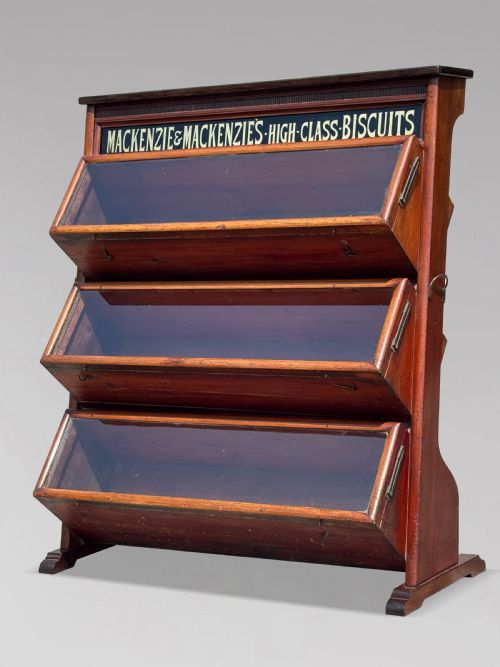
Victorian shop display encompasses the mercantile furniture and commercial fittings created to house, organise and advertise retail goods during the nineteenth and early twentieth centuries. The selection spans utilitarian pine bank of drawers units and oak counter-top showcases alongside specialised haberdashery cabinets and glazed apothecary jars. These survivors of trade carry the physical evidence of past commerce, from manufacturer sign-writing to brass hardware.
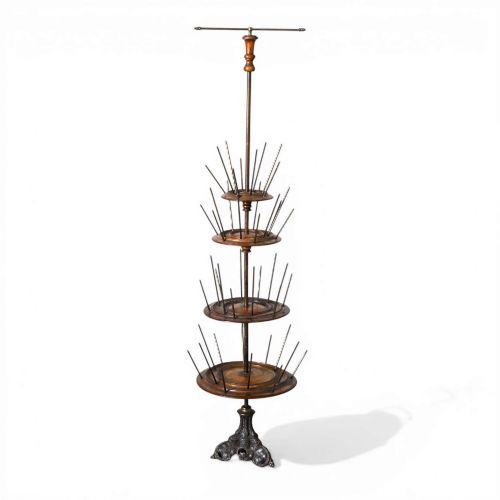
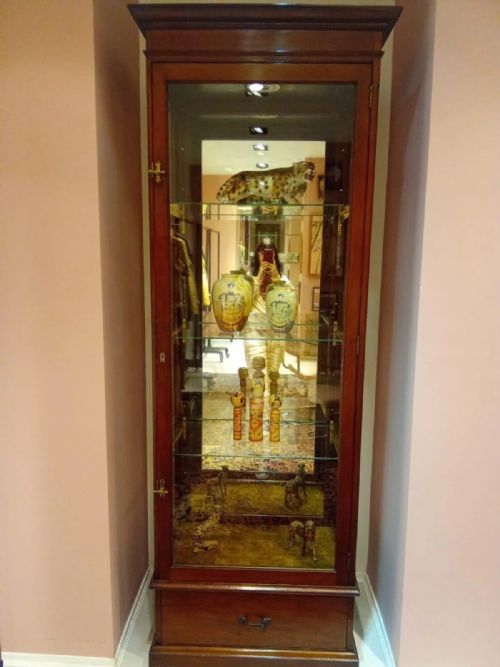
The version most commonly met on this page is the mahogany display cabinet or glazed counter case, often produced in late Victorian or Edwardian periods for merchants and chemists. Alongside these sit smaller items such as toleware tea tins, cotton reel display trees, and trade sign sculptures made for specific shopfronts or interiors. Buyers select these items to bring industrial and commercial character into domestic residential spaces.
How they were made
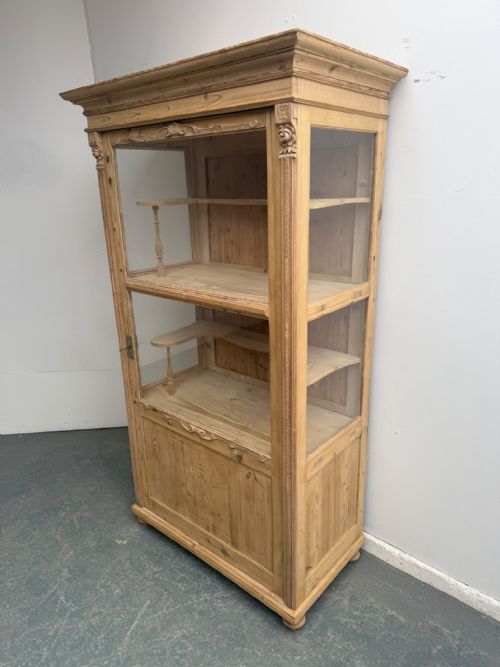
Surface treatments range from clear polish on fine timber frames to hand sign-written lettering, gold leaf, and original or later painted finishes. Cabinetmakers incorporated adjustable glass shelving, mirrored interiors, and multi-drawer banks designed specifically for efficient merchant stock handling.
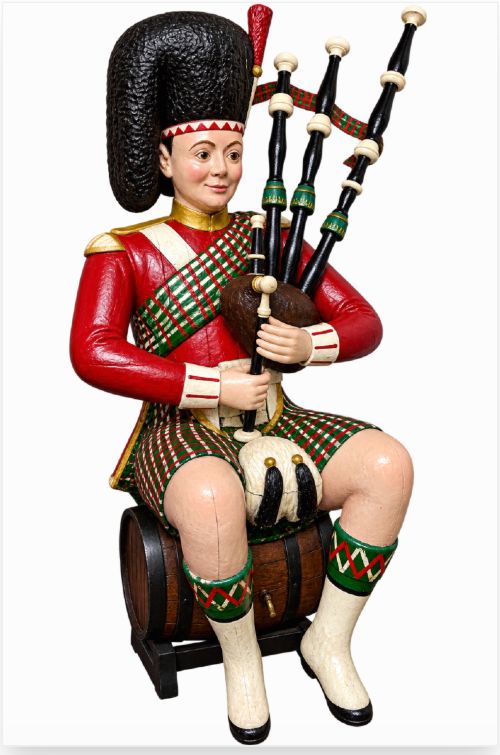
A Highland bagpiper tradesman figure stands ready to pipe customers through the door.
What varies in quality
The distinction between standard commercial units and superior examples rests on the grade of timber selected and the complexity of the internal configuration, such as multi-tiered drawer arrangements or bowed glass profiles. Maker attribution plays a significant role, with pieces bearing verifiable stamps or sign-writing from documented regional firms and cabinetmakers commanding particular interest.
Originality of surface finish and hardware components dictates the integrity of a piece, separating items retaining their first painted lettering or polished brass from heavily altered or later reconstructed equivalents. The presence of specialised mercantile elements, including etched apothecary labelling or bespoke haberdashery branding, elevates the standing of an individual fitting.
Gerwin & Co Birmingham·John Stow Ltd of Bradford·Manoah Rhodes & Sons Ltd·Ermen & Roby·Philip Joseph & Sons London
The Victorian Shop Display Glossary
- Toleware
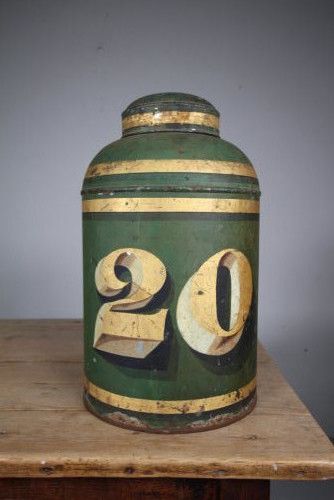
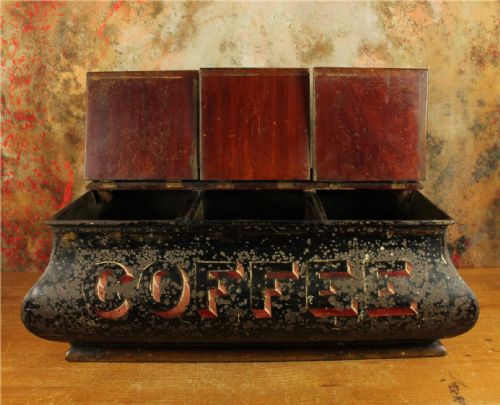
- Painted or lacquered metalware, typically tin or steel, used for decorative and commercial storage canisters in shops. These items often feature aged painted surfaces and lettering indicating their original contents such as tea or coffee.
- Haberdashery cabinet
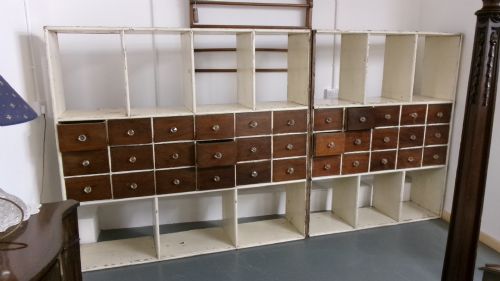
- A specialised multi-drawer retail unit designed for organising small sewing accessories, ribbons, and cottons. They frequently incorporate glass panels to allow customers to view small goods without opening the drawers.
- Apothecary jar
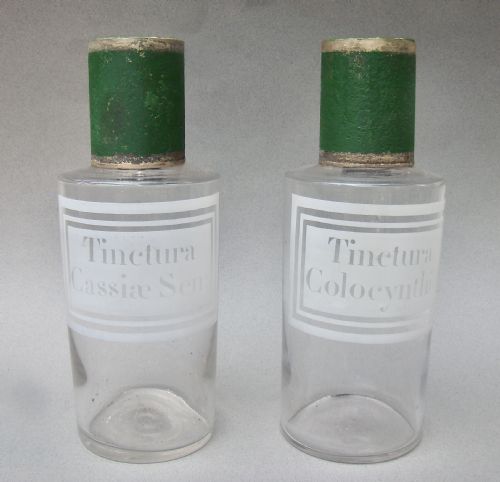
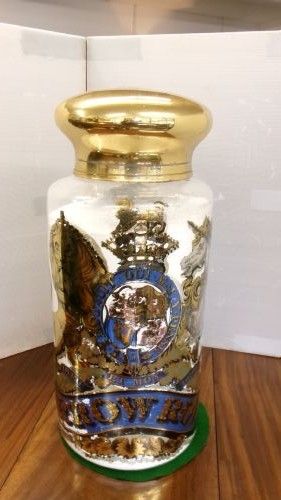
- A heavy glass vessel with a matching cover used in chemist shops to hold medicinal herbs, liquids, or powders. Examples often feature etched glass labels or hand-painted identification.
- Trade sign sculpture
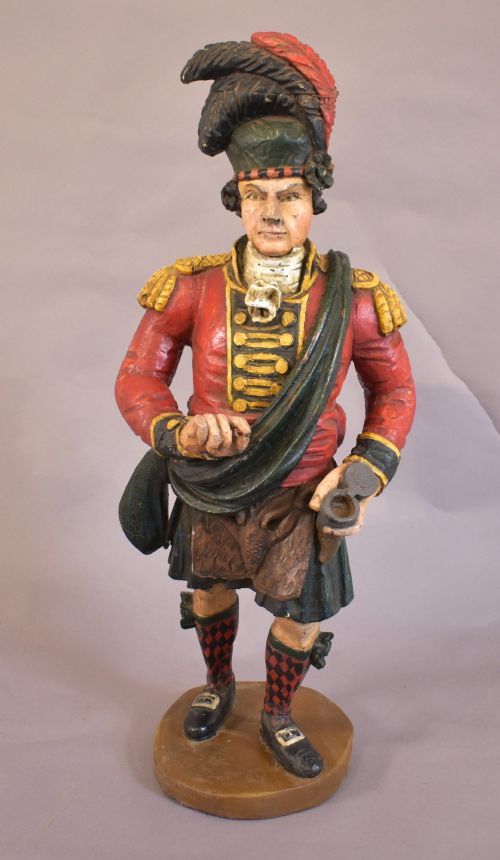
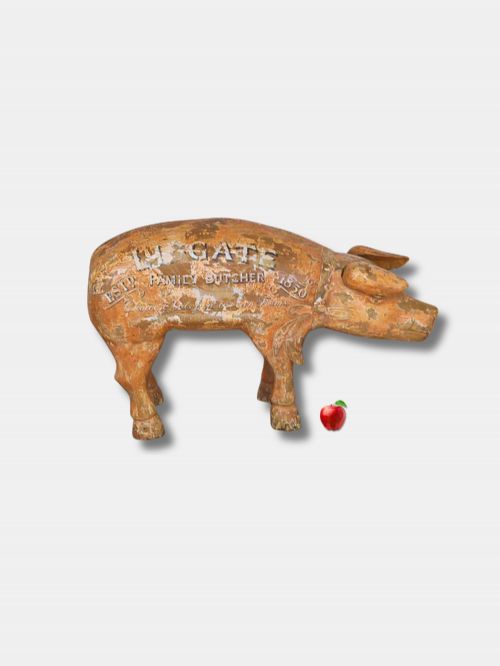
- Three-dimensional figures or objects, such as Highlander tobacco statues or animal carvings, hung or placed outside commercial premises to advertise a trade. These objects demonstrate folk art traditions within nineteenth-century retailing.
- Carboy
- A large, bulbous glass bottle housed in a protective frame or standing alone, utilised by pharmacists to store liquids or displayed in chemist windows as a symbol of the profession.
Victorian Shop Display: Frequently Asked Questions
How were apothecary jars used in shops?
Apothecary jars held ingredients, medicines, and dry goods behind the chemist counter or on prominent display shelves. Their large glass bodies and fitted covers protected contents from moisture while allowing customers and staff to view the stock.
Larger vessels, such as carboys, acted as luminous window advertisements for pharmacies, often filled with coloured liquids. Smaller jars featured etched glass text specifying contents like arrowroot or specific compounds.
Where were haberdashery cabinets placed?
Haberdashery cabinets sat on top of retail counters or stood as floor units within drapers and clothiers shops. Their banks of shallow drawers kept ribbons, buttons, and sewing cottons sorted and accessible for daily counter service.
Many examples utilised glass fronts or glazed top surfaces so merchants could display small wares directly to buyers. This design encouraged point-of-sale selection before centralized department stores changed retail layouts.
How do I care for antique mahogany display cases?
Antique mahogany display cases require stable indoor humidity and protection from direct sunlight to prevent timber warping and fading. Regular dusting with a soft, dry cloth preserves the polished surface without applying heavy chemical polishes.
Internal glass shelves and mirrored backs benefit from gentle cleaning with a cloth slightly dampened with water. Checking brass hinges and locks periodically ensures the functional hardware remains properly aligned.
What indicates a piece is from the Victorian period?
Victorian shop fittings display construction methods characteristic of nineteenth-century cabinetmaking, including hand-cut dovetail joints in drawer construction and solid timber framing. The use of heavy plate glass, cast brass hardware, and traditional hide glue points toward this era.
Design motifs often align with commercial utility, featuring dark polished mahogany, oak, or painted pine. Maker stamps, registered design lozenges, or specific mercantile sign-writing further anchor pieces within the nineteenth century.