




Antique Commercial Display
These pieces of antique commercial display bring the fixtures of past shops into domestic and retail interiors.
Antique Commercial Display
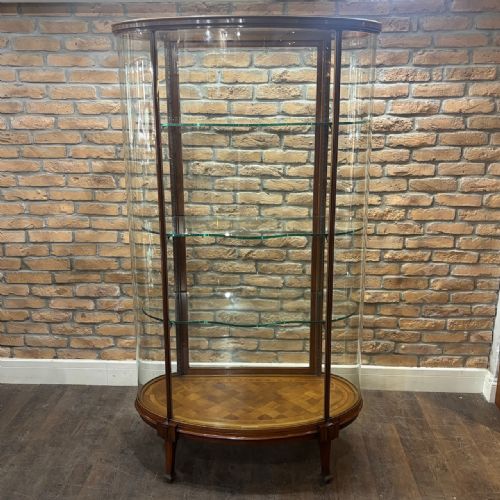
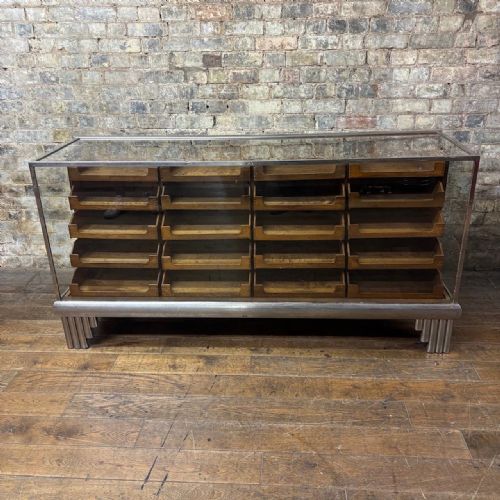
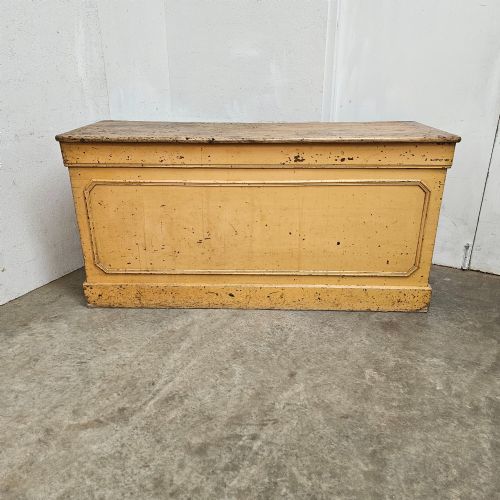
When you search for antique commercial display, you encounter the architectural fittings, counters, and cabinets that once furnished nineteenth and early twentieth century shops. These items originate from the Victorian, Edwardian, and Art Deco periods, spanning from the late nineteenth century through the nineteen-thirties. The selection includes shop counters, haberdashery cabinets, trade signs, and glazed display cases designed for retail trade.
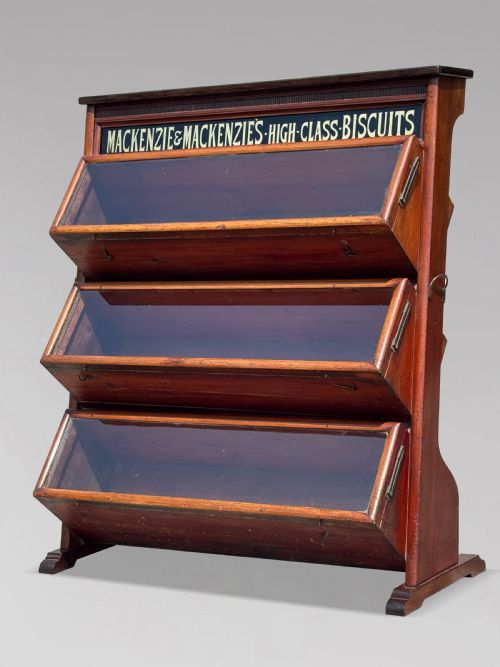
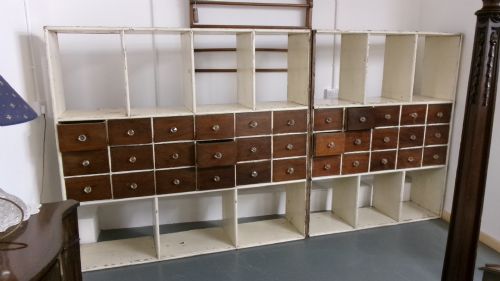
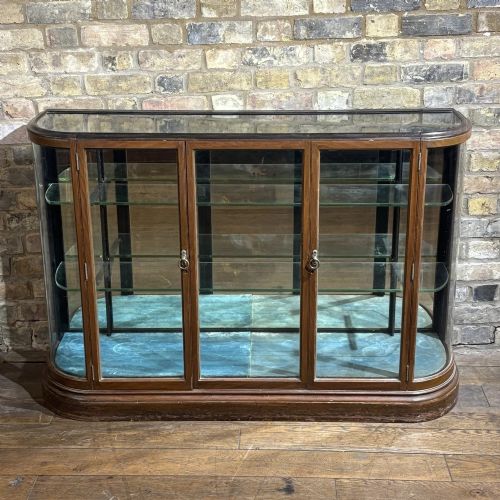
The most common forms on this page are mahogany display cabinets and oak counters originating from chemist shops, drapers, and confectioners. Large baker racks, trade signs, and specialised countertop units also appear alongside multi-drawer shop fittings. These items reflect the functional needs of historic commerce, built to showcase goods to the buying public.
How They Were Made
Cabinet makers built these commercial fixtures primarily using solid and veneered mahogany, oak, and pine, often combining structural timber with large expanses of glass. Metal components such as brass frames, chrome trim, and aluminum details appear on later pieces from the nineteen-thirties. Internal elements frequently incorporate mirrored backs, velvet linings, and banks of small drawers suited to organising retail goods.
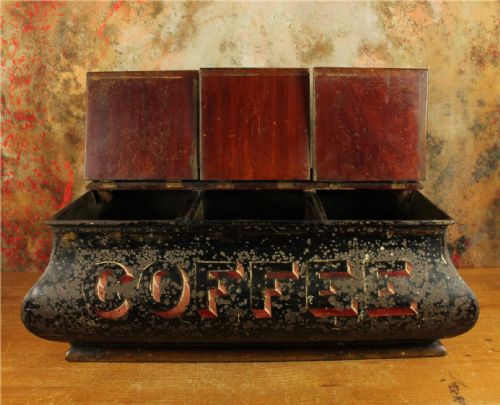
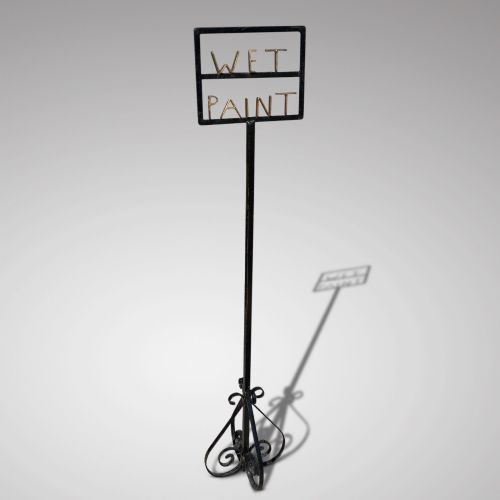
Surfaces display original paint finishes, hand sign-writing, and traditional polish. Trade signs utilise carved and painted wood, wrought iron, and toleware tin construction. Joinery methods reflect period commercial standards, prioritizing durability for daily retail use.
Listings feature items spanning the nineteenth century through the nineteen-thirties, incorporating materials such as mahogany, oak, glass, and brass.
What Varies in Quality
The distinction between standard commercial joinery and the finest retail fittings lies in the execution of timber framing and glazing. Superior cabinets use dense solid mahogany with refined bow ends, original bevelled glass panes, and intact mirrored interiors. Maker attribution through stamped metal plates or painted signage elevates a piece significantly.
The integrity of original surfaces separates unrestored utilitarian examples from high-status shop furniture. Original paint finishes, authentic hand-painted trade lettering, and specialised hardware such as working brass locks and manufacturer badges indicate superior original standing.
F. Sage & Co·Dubois of Lyon·Dudley & Co·John Stow Ltd·Manoah Rhodes & Sons Ltd·Saml. Elliott & Sons
The Antique Commercial Display Glossary
- Haberdashery cabinet
- A multi-drawer unit designed for storing small sewing goods, ribbons, and textiles. These typically feature glass-fronted pull-out drawers for easy stock inspection.
- Trade sign
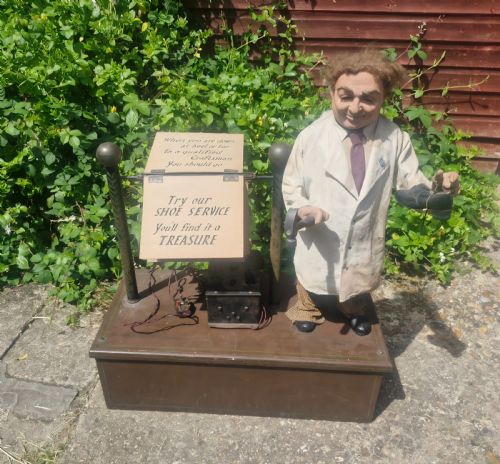
- An exterior or interior board, model, or hanging marker used to advertise a specific trade or product. Examples include carved wooden figures and metal advertising plaques.
- Shop counter
- A substantial retail table or baseline unit fitted with glazed display sections or serving surfaces. They often incorporate rear shelving or banks of small drawers.
- Toleware
- Lacquered or enamelled metalware, frequently tin, used for decorative and commercial storage tins. These items often feature painted floral or brand motifs.
- Baker rack
- A tall iron or wood shelving unit utilised in food preparation and shop display. They provide open tiers for cooling or showcasing baked goods.
Antique Commercial Display: Frequently Asked Questions
How do I date an antique commercial display cabinet?
Dating relies on stylistic markers, timber choices, and construction techniques typical of periods like the Victorian era or the nineteen-thirties. Hardware, such as brass frames and aluminum trim, helps narrow the production decade.
Maker signatures, stamped metal badges, and original retail lettering also provide firm chronological indicators for specific pieces.
What were haberdashery cabinets used for originally?
Haberdashery cabinets served drapers and textile merchants by organising small sewing notions, buttons, ribbons, and threads. The shallow drawers allowed shopkeepers to display small items clearly to customers while keeping stock sorted.
Today, collectors repurpose these multi-drawer units for domestic storage of jewellery, collections, and small items.
Are trade signs original to the period?
Trade signs from this category include period examples made of carved wood, wrought iron, and painted metal dating from the nineteenth and early twentieth centuries. Authentic pieces display genuine weathering, hand-painted lettering, and period pigments.
Makers utilised these signs outside shops and inside retail spaces to advertise specific goods like soap, chocolate, and tobacco.
Can these large counters fit in modern homes?
Shop counters and large display cabinets require careful measurement of room dimensions and access points before purchase. Many pieces possess generous proportions intended for commercial floor plans rather than domestic spaces.
Placing them in modern interiors often works best as a central kitchen island or a statement storage unit in large reception rooms.