






Vintage Chocolate Cabinet
A vintage chocolate cabinet brings the authentic charm of early retail into the home, offering glazed display space originally designed for famous confectionery brands.
Vintage Chocolate Cabinet
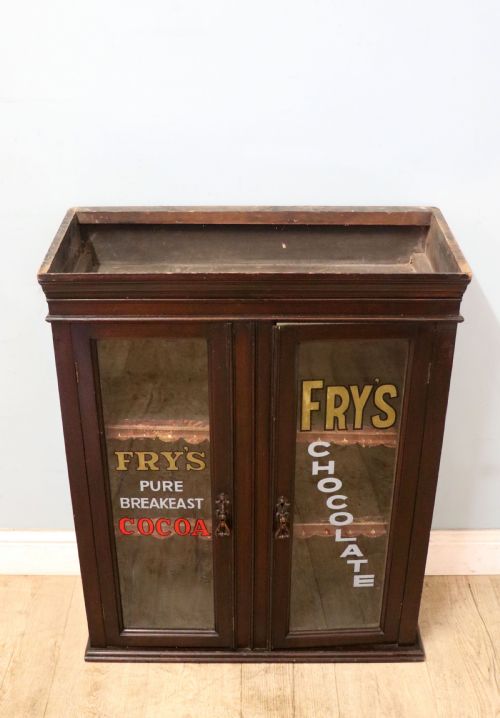
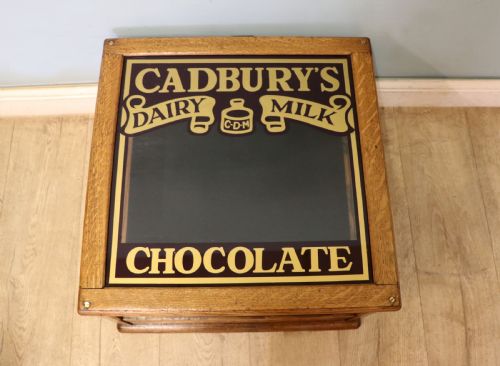
A vintage chocolate cabinet is a glazed shopfitting display unit originating from periods such as the Victorian era, the Edwardian period, 1920, and 1930. These pieces primarily function as countertop retail cases intended to showcase confectionery.
The versions most commonly met on this page include counter top shop display cabinets and sweet shop display cabinets. Many of these feature hand sign-written advertising for well-known makers.
Materials and construction methods
Construction relies heavily on traditional cabinet timbers including mahogany, oak, American walnut, and hardwood frames. Glazing is utilised extensively on doors and sides to maximise visibility for retail goods.
Metal components such as brass and nickel-plated metal provide functional hardware like hinges and catches. Details frequently incorporate gold leaf and hand sign-written lettering applied directly to glass or wood surfaces.
Vintage Chocolate Cabinet Retail Price Guide 2026
Typical asking prices for vintage chocolate cabinet among the pieces listed under this phrase on Sellingantiques today, from the lower quarter to the upper quarter. They describe what is for sale here now, not the wider market.
Listings span four distinct periods: Victorian, Edwardian, 1920, and 1930, utilising mahogany, oak, American walnut, and brass.
Judging quality in confectionery cabinets
The distinction between standard commercial units and superior examples rests in the original joinery and the execution of hand sign-writing. Cabinets retaining original period branding demonstrate greater integrity than those with later applied lettering.
Material selection elevates certain pieces, with dense hardwoods like mahogany and American walnut marking higher standard production than basic softwood or utilitarian frames. The preservation of original glass panes and functioning brass hardware further separates finer examples.
Fry’s·Cadbury’s·Rowntree’s·Terry’s of York
The Vintage Chocolate Cabinet Glossary
- Countertop display cabinet
- A glazed retail case designed to sit upon a shop counter for customer viewing. These units typically feature access doors at the rear for the shopkeeper.
- Sign-written
- Lettering and branding applied by hand using paint or gold leaf. This technique was standard for commercial advertising before modern printed vinyl.
- Shopfitting
- The trade and practice of supplying fixtures, fittings, and display units for retail interiors. Pieces originating from this trade are built for commercial durability.
- Art Deco
- A design style prominent around 1930 characterised by geometric forms and streamlined shapes. It appears in the architecture of select sweet shop cabinets from that decade.
Vintage Chocolate Cabinet: Frequently Asked Questions
What is a chocolate cabinet?
A chocolate cabinet is a glazed retail display case originally utilised by confectioners to showcase sweets on shop counters. These pieces were branded with commercial advertising for major chocolate makers.
Today, they are collected and repurposed for domestic display, allowing owners to exhibit small collections behind glass panels.
How do I date a cabinet?
Dating relies on stylistic markers, timber types, and construction methods associated with periods like the Victorian era, the Edwardian era, 1920, and 1930. Art Deco influences and specific hardware styles provide precise chronological clues.
Commercial branding also helps contextualise the piece within the active trading years of the referenced confectionery firm.
Were these made for homes?
These cabinets were manufactured strictly for commercial shopfitting environments rather than domestic interiors. Retailers used them on counters to protect confectionery from dust while enticing customers.
Their current role in residential settings is a later adaptation of a purely utilitarian shop display fixture.
What woods were used?
Makers utilised durable cabinet timbers capable of withstanding daily retail use. Mahogany, oak, American walnut, and general hardwoods form the primary structural frameworks.
Glass panels and metal fittings complete the construction, ensuring maximum visibility and secure rear access for shop staff.