







Mahogany Advertising Cabinet
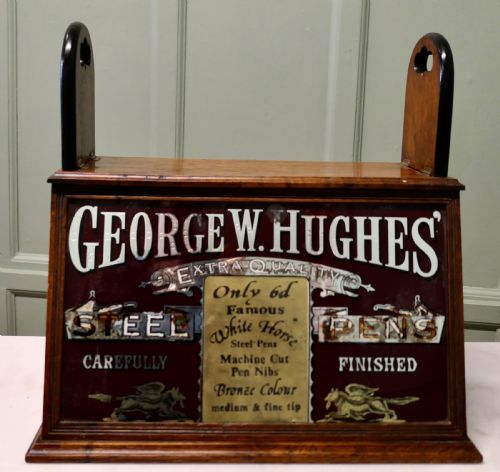
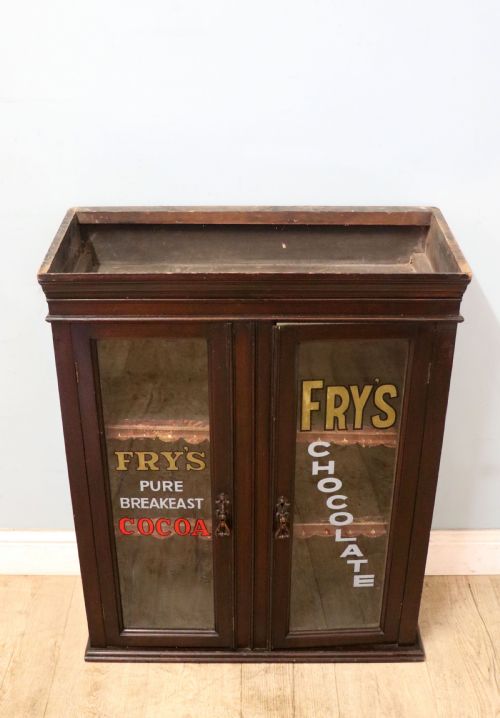
These mahogany advertising cabinet pieces are trade showcases designed to display goods on counters, carrying the names of historic confectioners and merchants.
Mahogany Advertising Cabinet
A mahogany advertising cabinet is a counter-top display piece created for retail trades, principally housing confectionery, biscuits, sewing cottons, and tobacco. Most examples encountered date from the Victorian and Edwardian periods, reflecting the expansion of branded consumer goods in shops and tea rooms.
The form typically combines glazed panels for viewing with timber framing, frequently featuring hand sign-written lettering or painted brand names across the frieze or glass. While standard counter displays predominate, related forms include wall-mounted showcases and specialised apothecary boxes adapted for commercial merchandising.
Makers produced these cabinets using solid mahogany or hardwood frames, incorporating brass hardware and interior shelving to organise small proprietary items. Surviving pieces often display later sign-written decoration applied to period furniture carcasses, uniting nineteenth-century cabinet-making with twentieth-century commercial adaptation.
Materials and construction
Makers relied on mahogany and dense hardwoods to build rigid frames capable of withstanding daily retail handling, frequently augmenting the primary timber with pine carcase linings and brass hinges. Glass panels were glazed into doors and sides to maximise product visibility while protecting perishable goods from dust.
Surface decoration combined traditional French polishing or wax finishes with hand sign-writing in gold leaf and paint. Lettering was applied directly to wood or glass to identify makers such as Fry, Cadbury, and Rowntree, utilising skilled brushwork rather than printed transfers.
Mahogany Advertising Cabinet Retail Price Guide 2026
Typical asking prices for mahogany advertising cabinet among the pieces listed under this phrase on Sellingantiques today, from the lower quarter to the upper quarter. They describe what is for sale here now, not the wider market.
Listings feature examples spanning from the Victorian and Edwardian eras through the 1930s, constructed primarily in mahogany and hardwood with glass and brass fittings.
Factors determining quality
Quality rests upon the integrity of the timber framing and the original execution of the glass panels, where thicker mahogany and bevelled panes distinguish superior commercial fittings from basic utilitarian boxes. The presence of original brass work, intact shelving, and functioning locks further separates standard containers from finer examples.
The artistry of the sign-writing heavily influences distinction, as hand-painted lettering with clean lines and preserved gold leaf demonstrates superior workshop standards. Pieces retaining their original factory branding command greater interest than those with later or secondary painted inscriptions.
Mackenzie's Biscuits·Fry’s Chocolate·Ermen & Roby·Rowntree’s Cocoa·Terry’s of York·Cadbury's Cocoa·Venus Pencil
The Mahogany Advertising Cabinet Glossary
- Sign-writing
- Hand-painted lettering applied directly to glass or wood surfaces to display commercial brands and shop names. This traditional trade skill formed the primary visual marketing on early retail fixtures.
- Vitrine
- A glass-fronted display cabinet or showcase designed for exhibiting valuable goods. These fixtures utilise transparent panels on multiple sides to maximise light exposure.
- Counter top
- A descriptive term for furniture built specifically to sit upon shop counters at eye level for customers. These compact units brought small proprietary goods into immediate reach during transactions.
- Frieze
- The wide horizontal band situated near the top of a cabinet facade, frequently utilised for brand names and company titles. It serves as the primary visual header for advertising pieces.
Mahogany Advertising Cabinet: Frequently Asked Questions
What were mahogany advertising cabinets used for?
These cabinets served as point-of-sale display units in nineteenth and twentieth-century shops, placing branded goods directly onto counters to attract customer attention. Merchants used them to store and merchandise items such as chocolate, biscuits, sewing cottons, and stationery securely.
The glass panels allowed shoppers to view the contents while keeping perishable or delicate stock protected from handling and dust. Inside, tiered shelves organised small boxes and packets for efficient service by the shopkeeper.
How do I date a mahogany advertising cabinet?
Dating relies on examining the timber construction, hardware types, and the specific brand names painted on the glass or wood. Victorian examples generally feature heavier timber frames and hand-cut brass screws, while Edwardian pieces often incorporate lighter mouldings and finer satinwood inlays.
Changes in commercial branding also provide chronological clues, as company logos and trading names evolved between the nineteenth century and the interwar period. The presence of original trade labels or patent stamps on the hardware further helps narrow down the decade of manufacture.
Are the advertising signs on these cabinets original?
Many cabinets retain their original hand sign-written lettering applied during the period of manufacture to promote specific confectionery or mercantile brands. The technique typically involves skilled brushwork directly onto the glass or wooden frieze using paint or gold leaf.
Some pieces feature later sign-writing applied to older cabinet carcasses, a common practice when merchants repurposed existing display furniture for new stock. Inspecting the wear around the lettering and the integration with the timber surface helps distinguish period decoration from later additions.
How should I clean and maintain a mahogany cabinet?
Maintenance requires gentle dusting with a soft, dry cloth to protect both the polished mahogany timber and the delicate hand-painted signage. Avoid using harsh chemical cleaners, modern polishes, or abrasive cloths that can damage the painted lettering or strip the historic wax finish.
Position the cabinet away from direct sunlight and strong heat sources to prevent the mahogany from fading and the timber joints from drying out. Period glass should be cleaned sparingly with a mild glass cleaner applied to a cloth rather than sprayed directly onto the surface.
Can I use these cabinets in a modern kitchen?
These display units adapt well to contemporary home interiors for storing and exhibiting collections, glassware, or dry foodstuffs. Their compact counter-top proportions make them suitable for placement on kitchen worktops, sideboards, or dining room tables.
The glazed doors protect items from kitchen dust while maintaining visibility, though high humidity areas should be avoided to protect the antique timber and painted surfaces. Proper placement ensures the historic joinery and delicate advertising script remain stable over time.