








Edwardian Shop Fitting
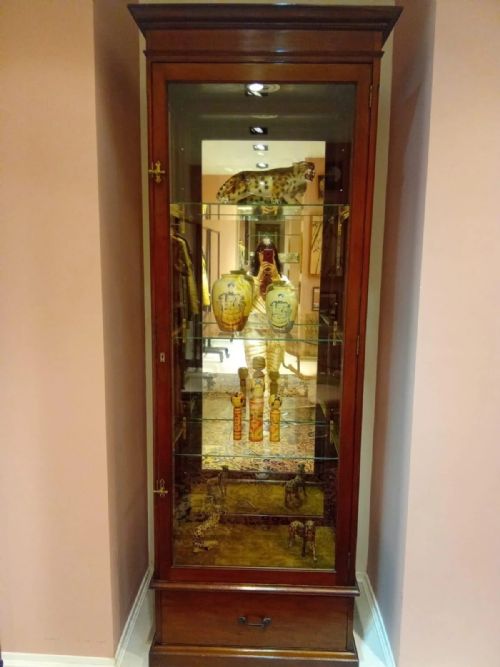
These pieces of edwardian shop fitting are the sturdy mercantile fixtures and display pieces designed to showcase goods in period retail spaces.
Edwardian Shop Fitting
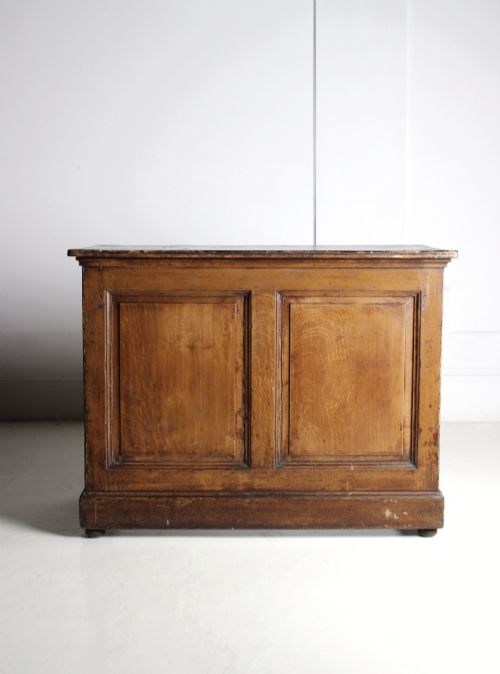
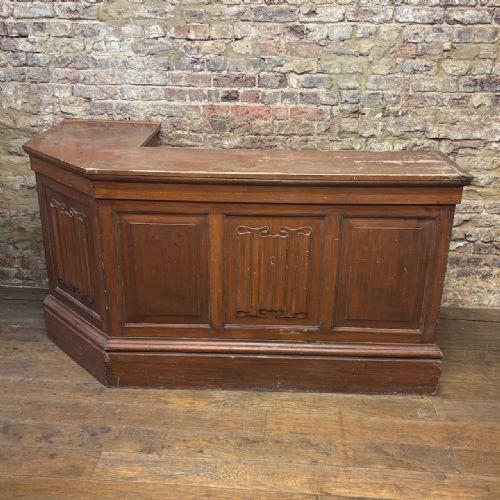
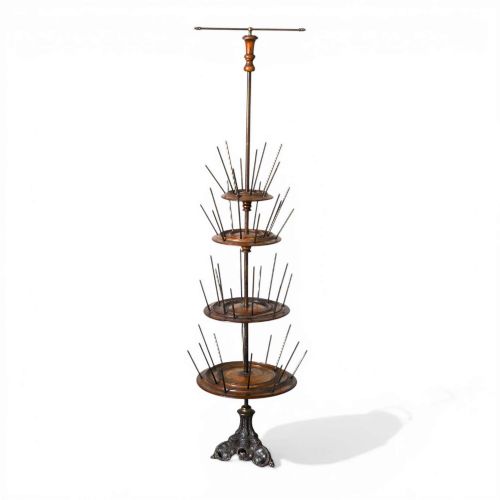
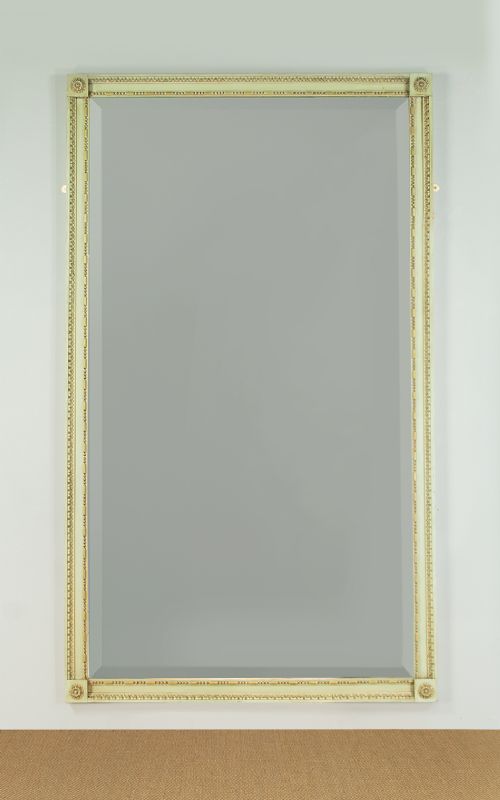
When searching for an edwardian shop fitting, a buyer encounters commercial furnishings built for late nineteenth and early twentieth-century retail environments. The selection centres on large display cabinets, wall mirrors, haberdashery units with multiple drawers, and countertop stands.
The version met most frequently on this page is the mahogany or oak display cabinet featuring glazed panels and adjustable glass shelving. These architectural fixtures originated in provincial chemist shops, drapery stores, and confectioners before finding a home in modern domestic interiors.
How They Were Made
Makers utilised dense timbers such as mahogany and oak to construct the main frameworks, ensuring the heavy weight required for continuous commercial daily use. Glass panels and adjustable shelving were fitted to maximise visibility inside display cabinets and wall mirrors.
Brass, cast iron, and steel components appeared on hardware, hinges, and adjustable display stands. Secondary woods such as pitch pine reinforced structural elements hidden from public view.
Edwardian Shop Fitting Retail Price Guide 2026
Typical asking prices for edwardian shop fitting among the pieces listed under this phrase on Sellingantiques today, from the lower quarter to the upper quarter. They describe what is for sale here now, not the wider market.
Listings feature oak, mahogany, and pitch pine alongside brass, iron, and glass hardware from the Victorian and Edwardian eras.
What Varies in Quality
The top of the range consists of pieces displaying original bevelled mirror plates, precise dovetail joinery, and heavy plate glass without replacement. Makers who supplied high-end outfitters employed superior timber selections and retained branded advertising tablets or maker plates.
Lower tiers include utilitarian storage items and heavily altered counters where original internal shelving or backboards have been replaced. The presence of secondary wood linings and unbranded hardware differentiates standard commercial stock from bespoke mercantile joinery.
Fry·Cadbury·Rowntree·Siegel
The Edwardian Shop Fitting Glossary
- Haberdashery Cabinet
- A multi-drawer retail unit traditionally used for storing small sewing goods, ribbons, and fasteners. These pieces feature numerous shallow drawers, sometimes with glass fronts.
- Shop Vitrine
- A fully glazed display case designed to protect delicate merchandise while offering all-round visibility. They appear as countertop models or large floor-standing units.
- Toleware
- Painted or lacquered metalware used for storage boxes and canisters in commercial settings. These items frequently feature decorative finishes imitating oriental lacquer.
- Chemist Shop Fitting
- Specialised cabinetry and mirrored fixtures originating from nineteenth and early twentieth-century pharmacies. They often incorporate apothecary labelling or specialised dispensing compartments.
Edwardian Shop Fitting: Frequently Asked Questions
What is an edwardian shop fitting?
An edwardian shop fitting is a commercial fixture built to furnish a retail interior during the early twentieth century. These items include glazed display cabinets, wall mirrors, and multi-drawer haberdashery chests.
Built for heavy daily trade, they combine functional storage with architectural timber framing. Today they serve as statement storage pieces in domestic rooms.
How were display cabinets used?
Shopkeepers utilised these glazed cabinets to protect delicate merchandise from dust and handling while keeping goods visible to customers. Adjustable glass shelves allowed retailers to alter the display height according to the stock.
Countertop versions held confectionery or small accessories near the till, whilst larger floor-standing units showcased clothing and silverware.
Are mirrors original?
Many large wall mirrors retain their original silvered glass plates, often showing light oxidation or foxing along the edges. Commercial mirrors were manufactured with heavy plate glass to withstand busy retail environments.
Replacements do occur during restoration work, so examining the backboards and silvering helps determine the age of the glass.
How do I clean mahogany?
Maintenance requires gentle dusting with a dry, soft cloth to prevent the accumulation of grit on the timber surface. Avoid harsh chemical sprays that strip the polished finish.
Application of traditional beeswax nourishes the wood grain and preserves the rich colour developed over a century of use.