

Early 20th Century Display
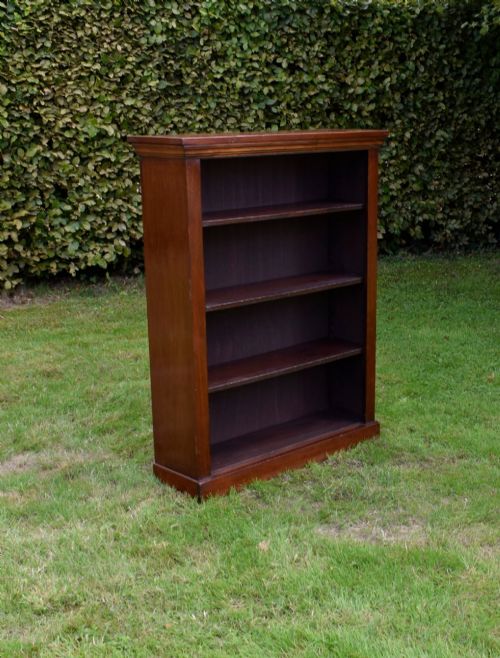
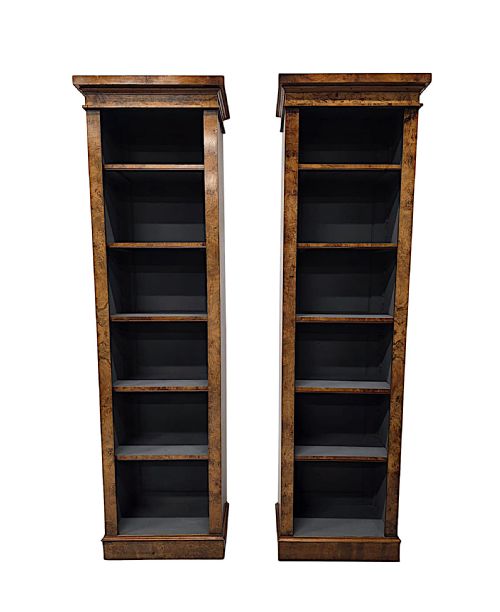
Early 20th century display pieces encompass glazed cabinets, shop counters and vitrines designed to showcase prized objects with clarity and proportion.
Early 20th Century Display
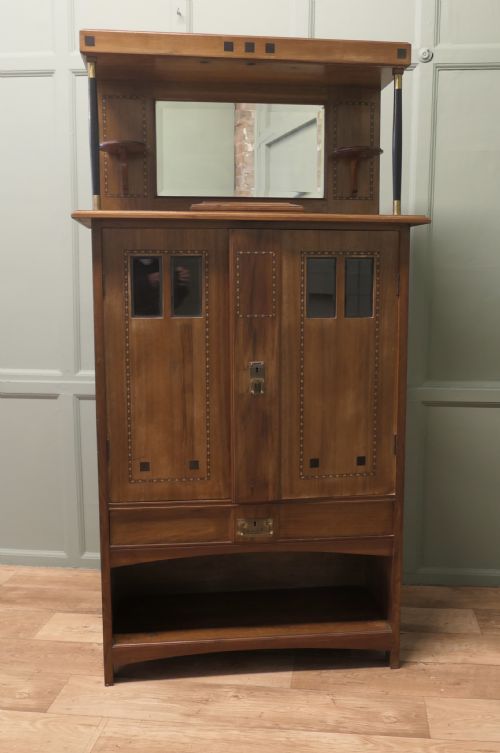
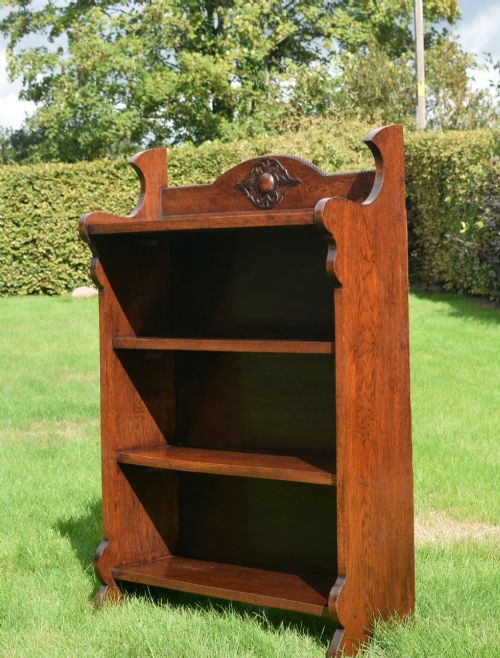
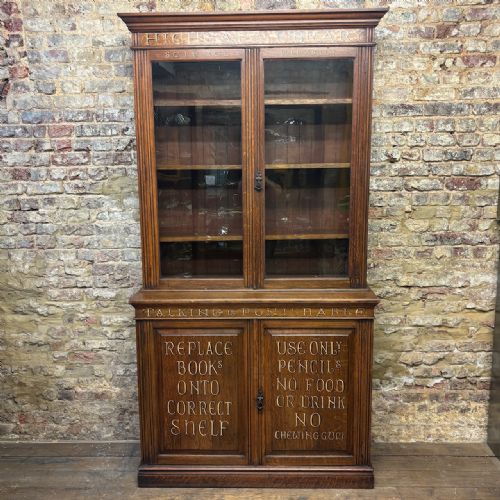
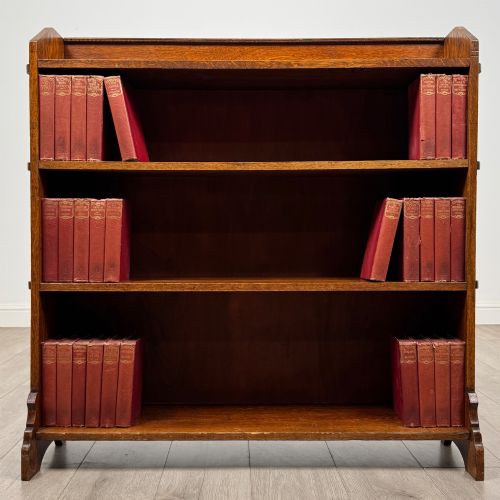
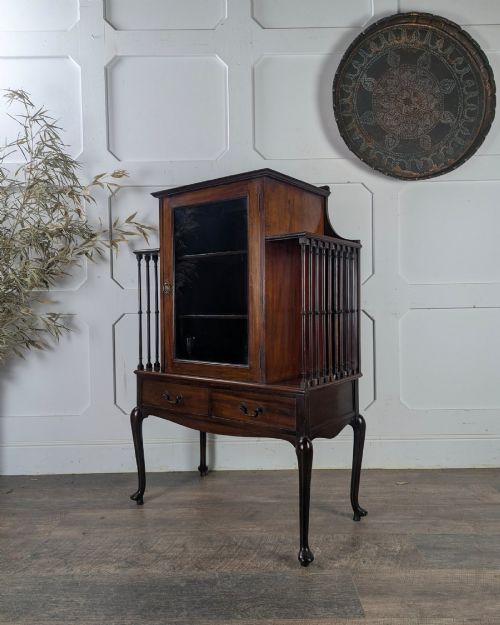
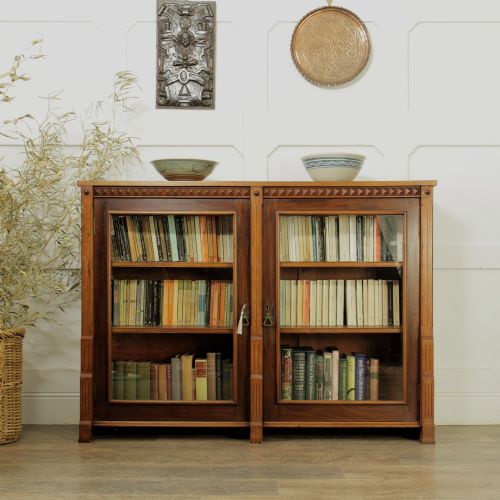
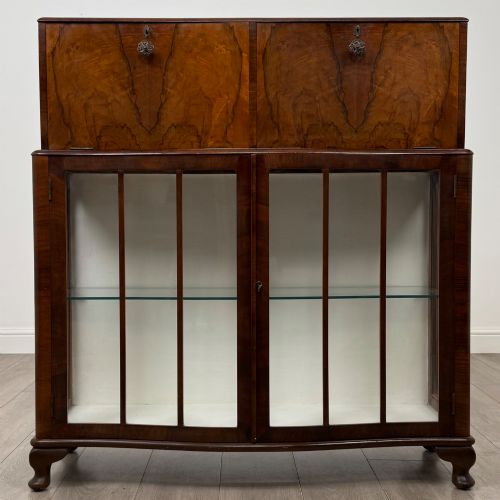
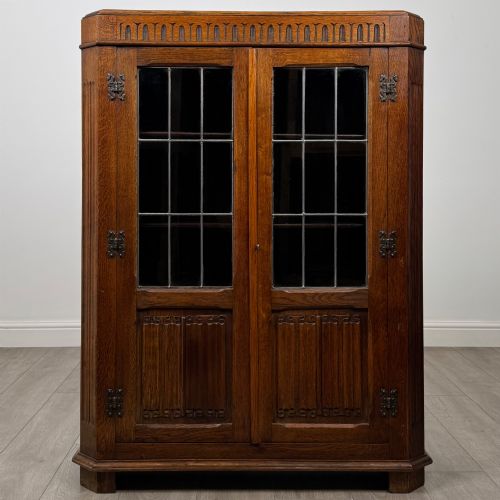
An early 20th century display brings together domestic cabinetry and commercial shop fittings from periods spanning Edwardian craftsmanship to Art Deco and Arts and Crafts movements. The selection relies heavily on upright cabinets, corner units, and countertop display cases designed to hold porcelain, books, or curated collections.
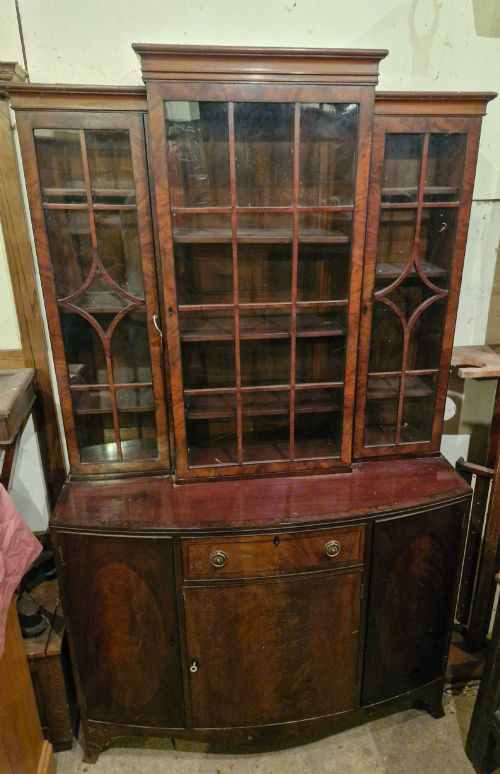
Domestic pieces often take the form of mahogany or oak glazed cabinets with inlaid details or astragal doors, whilst commercial examples lean towards shop counters and advertising display units. Buyers frequently encounter oak and mahogany standing cabinets originating from the Edwardian decades through to the 1930s.
How They Were Made
Construction relies upon traditional timber framing utilising solid oak, mahogany, walnut, and satinwood, frequently enhanced with decorative veneers and inlaid details. Glass panes are set into wooden doors or leaded frameworks, paired with brass hinges, locks, and occasional cast iron supports.
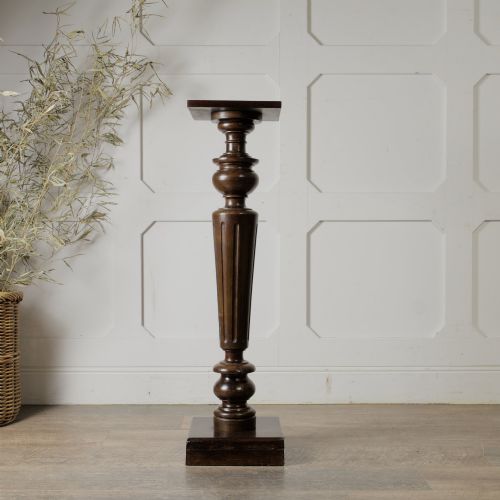
Cabinet makers employed tongue and groove joinery alongside hand-turned elements for plinths and stands. Surface treatments included polished wood finishes, painted decorations, and lead glazing to secure the structural glass.
A preserved swallowtail butterfly keeps silent watch inside its frame.
What Varies in Quality
Quality rests upon the selection of timbers, such as figured walnut, burr walnut, or dense mahogany, alongside the precision of the cabinet joinery and inlay work. Superior examples demonstrate refined proportions, well-figured grain, and original glass panes intact within the frames.
Commercial pieces and domestic cabinets differ in their intended robustness, with high-end workshop production showing meticulous attention to internal shelving, lock mechanisms, and decorative carving rather than utilitarian assembly.
August Ungethüm·O C Hawkes Ltd·Koshida·E O Ball·Hutchings of Aberystwyth
The Early 20th Century Display Glossary
- Astragal glazed doors
- Doors divided into smaller glass panes by narrow wooden bars called muntins or astragals. This technique creates a grid pattern common in revivalist cabinetry.
- Edwardian
- A period spanning the reign of King Edward VII, noted in furniture for lighter proportions and neoclassical or Sheraton revivals. Pieces from this era often utilise inlaid satinwood.
- Arts and Crafts
- A design movement prioritising visible construction, honest materials, and handcrafted oak forms. Decoration is typically restrained, focusing on natural wood textures and hand-cut details.
- Countertop display
- A smaller glazed case or cabinet built to sit upon a shop counter for retail presentation. These pieces feature rear-access doors for serving customers.
Early 20th Century Display: Frequently Asked Questions
What defines an early 20th century display cabinet?
These cabinets are characterised by glazed wooden doors, internal shelving, and stylistic influences ranging from Edwardian mahogany to Arts and Crafts oak. They were built to exhibit porcelain, books, or retail goods.
Construction typically employs hardwoods like mahogany, oak, and walnut, often featuring period details such as satinwood inlay or leaded glass panels.
How do I distinguish domestic from commercial display cases?
Domestic display cabinets usually feature refined polished timbers, delicate inlay, and domestic proportions suited to parlours or dining rooms. Commercial variants often include maker plaques, advertising sign-writing, or rear-loading doors designed for shop counters.
Commercial examples utilise durable timbers like oak or heavy iron frames built to withstand frequent retail interaction.
Where should I place a display cabinet at home?
Upright display cabinets and corner units suit reception rooms or libraries where natural light highlights the glazed panels and stored objects. Freestanding floor models require stable placement away from direct sunlight to protect timber finishes.
Smaller countertop or wall-hanging cases fit well in studies or kitchens for housing smaller collections of ceramics or curiosities.
How do I care for antique wood and glass?
Maintain the timber surfaces with appropriate wax polishes applied sparingly to preserve the natural grain and patina. Avoid placing cabinets near direct heat sources which can cause timber to split or veneers to lift.
Clean glass panes with standard non-abrasive glass cleaner applied to a cloth rather than sprayed directly, preventing moisture seepage into wooden frames.