



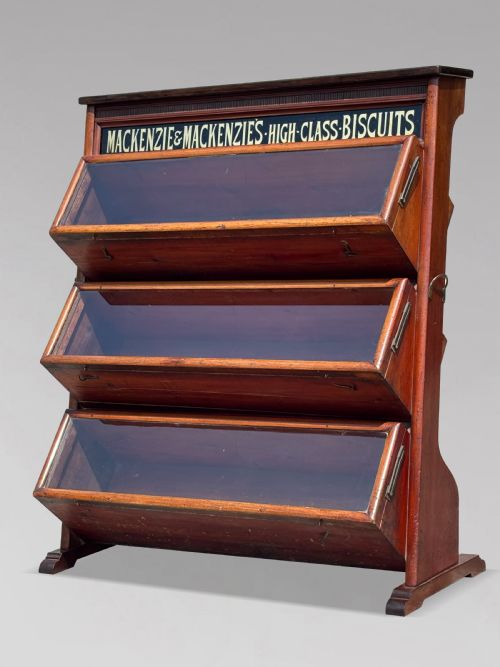


Victorian Haberdashery Cabinet
A victorian haberdashery cabinet provides sturdy commercial storage and glazed display, bringing authentic shop history into domestic interiors.
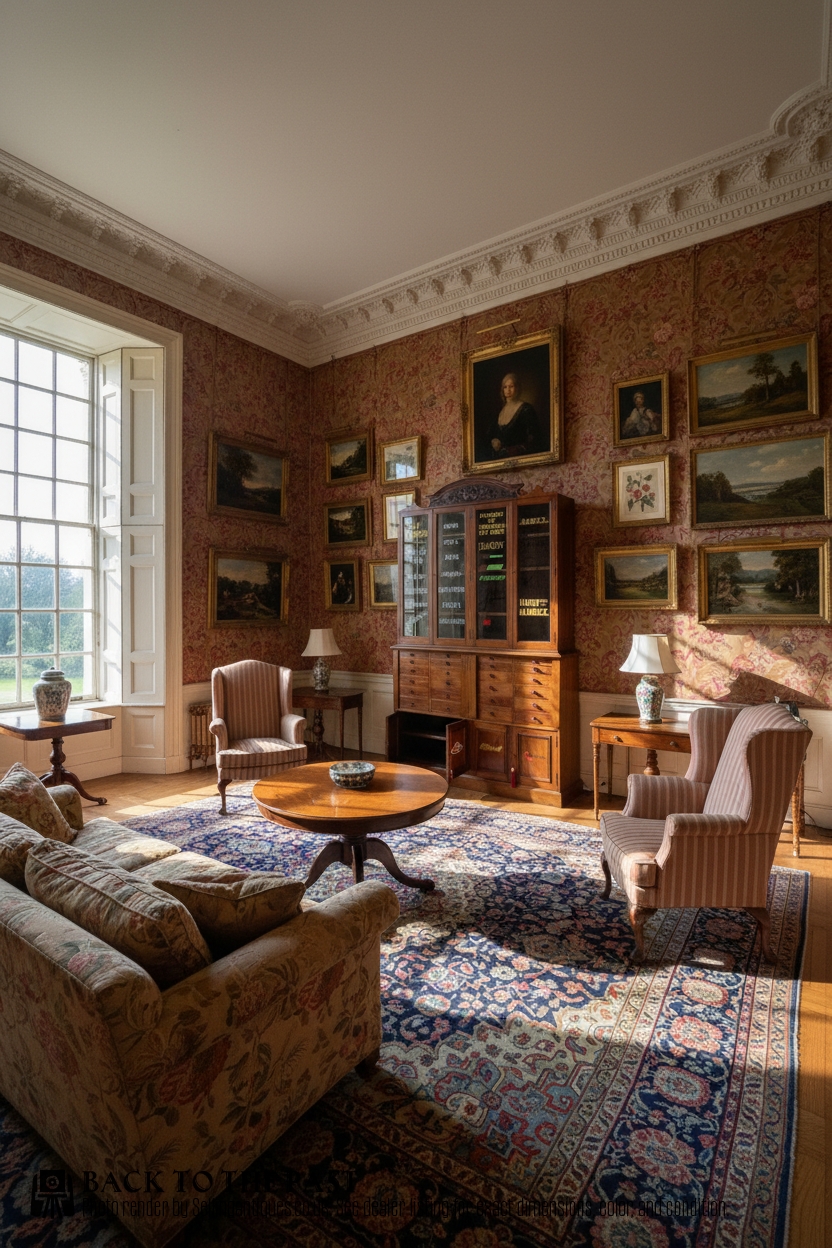
Victorian Haberdashery Cabinet
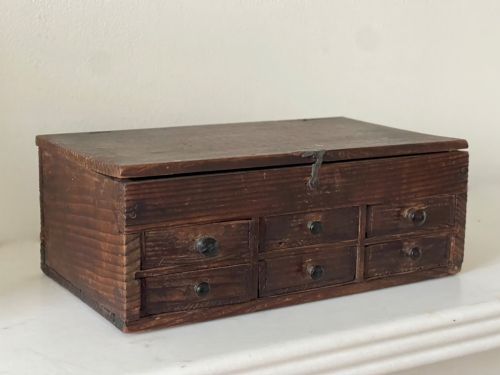
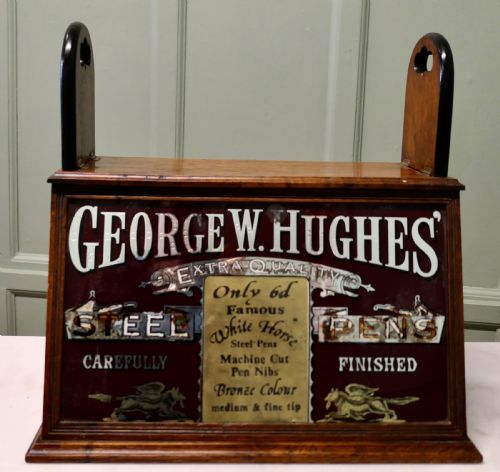
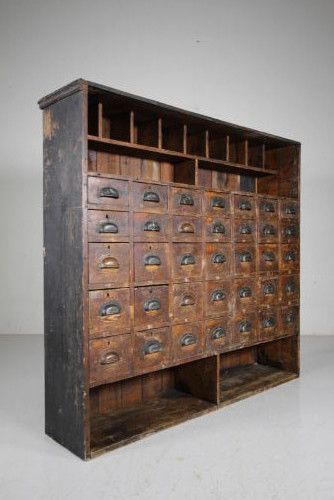
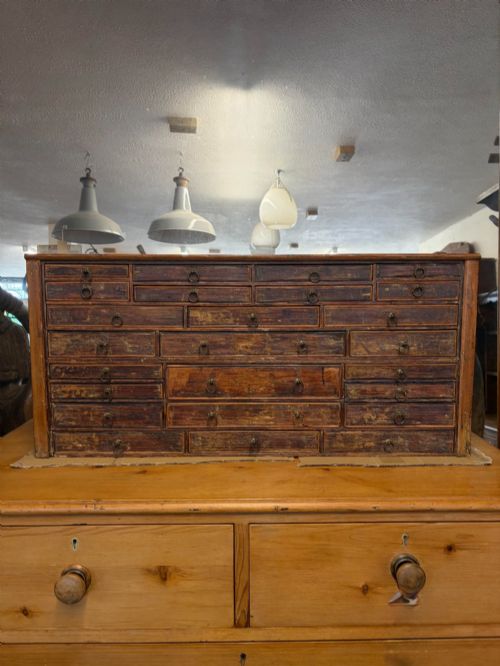
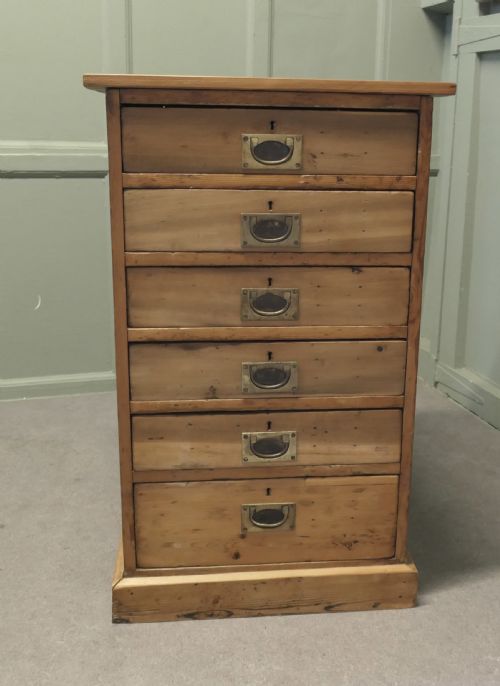
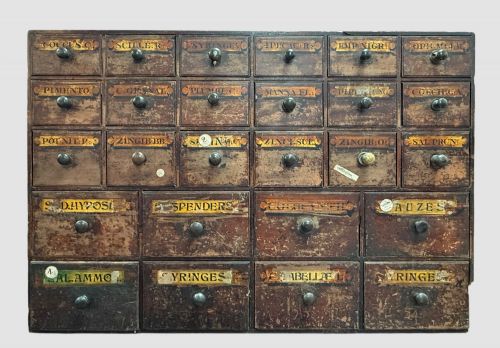
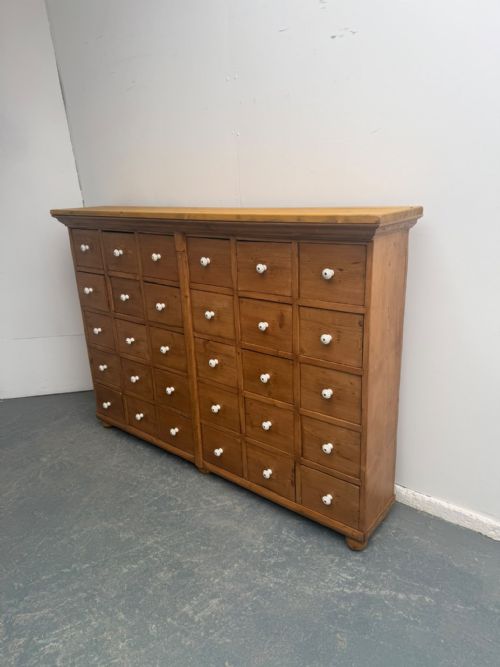
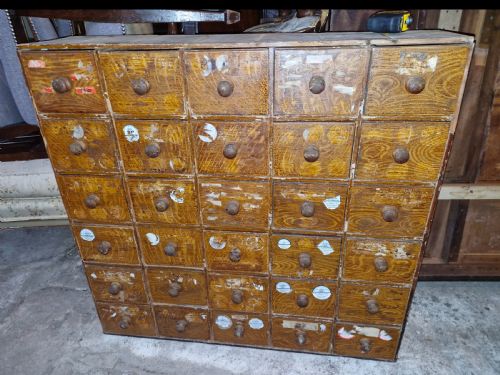
A victorian haberdashery cabinet encompasses multi-drawer shop fittings, tall banks of drawers, and countertop display cases originally built for retail trades. Buyers searching this phrase most frequently encounter mahogany or pine shop counters, apothecary chests, and multi-drawer storage units from the nineteenth century onward.
These pieces originated as functional trade furniture designed for drapery shops, chemists, and general merchants to organise small stock like sewing cottons, biscuits, and hardware. Surviving examples range from large sixty-drawer shop fittings down to compact oak and walnut countertop vitrines.
How They Were Made
Cabinet makers utilised dense hardwoods like mahogany and walnut alongside structural pine and deal for internal framing and drawer construction. Glazed doors incorporate glass panels, while brass pulls, iron handles, and metal hardware secure the numerous small drawers.
Joinery techniques focus on durability to withstand daily commercial use, utilising robust dovetail joints on drawers and solid timber backs. Surfaces show polished finishes, painted schemes, or plain wax treatments depending on whether the piece stood in a smart drapery showroom or a utilitarian workshop.
Victorian Haberdashery Cabinet Retail Price Guide 2026
Typical asking prices for victorian haberdashery cabinet among the pieces listed under this phrase on Sellingantiques today, from the lower quarter to the upper quarter. They describe what is for sale here now, not the wider market.
Some chests still retain faint traces of nineteenth-century button dust trapped deep inside the dovetail corners.
What Varies in Quality
Quality rests primarily on the integrity of the original timber and the complexity of the internal drawer configuration. Pieces retaining their original brass hardware, glass panels, and makers' signatures or sign-written shop details command greater interest.
The degree of commercial wear and subsequent restoration also shapes the character of each piece. Superior examples maintain crisp drawer runners and uncompromised structural timber without excessive replacement parts.
Luxmore's of Ilfracombe·Mackenzie's Biscuits·Robert West Gunsmith·John Stow Ltd of Bradford·Chadwick’s Sewing Cottons·Ermen & Roby·Philip Joseph & Sons·J S Fry and Sons·Rowntree’s Cocoa
The Victorian Haberdashery Cabinet Glossary
- Vitrine
- A glass-fronted display cabinet designed for showcasing small goods or curiosities. These cabinets often feature mirrored interiors or glazed sides to maximise light circulation.
- Bank of drawers
- A modular chest containing numerous shallow or graduated drawers arranged in columns. They were essential in trade settings for sorting threads, labels, or hardware.
- Shop fitting
- Custom-built commercial furniture integrated into a retail interior. These pieces reflect specific trades such as drapery, grocery, or apothecary.
- Countertop display case
- A low glazed showcase positioned on top of a retail sales counter. They protected delicate merchandise while keeping items in plain view of customers.
Victorian Haberdashery Cabinet: Frequently Asked Questions
What is a haberdashery cabinet?
A haberdashery cabinet is a commercial storage unit originally used in drapery shops to store and display ribbons, buttons, and sewing cottons.
These pieces typically feature banks of shallow drawers topped by glass panels or doors to let customers view small goods easily.
How were these cabinets used?
Merchants utilised them behind sales counters or along shop walls to organise massive inventories of small merchandise systematically.
The numerous small compartments kept delicate stock clean, sorted by size or colour, and ready for immediate retrieval by shop assistants.
How do I style one at home?
These cabinets suit modern kitchens, studies, or living rooms as statement storage for collections, tableware, or office supplies.
Glass-fronted display sections highlight curated objects, while deep banks of drawers hide household clutter effectively.
How do I date a Victorian cabinet?
Dating relies on examining timber species, construction methods like hand-cut dovetails, and original hardware such as brass pulls or glass thickness.
Tradesmen's signatures, painted shop lettering, and patent marks often provide specific clues to the active operational period of the business.