



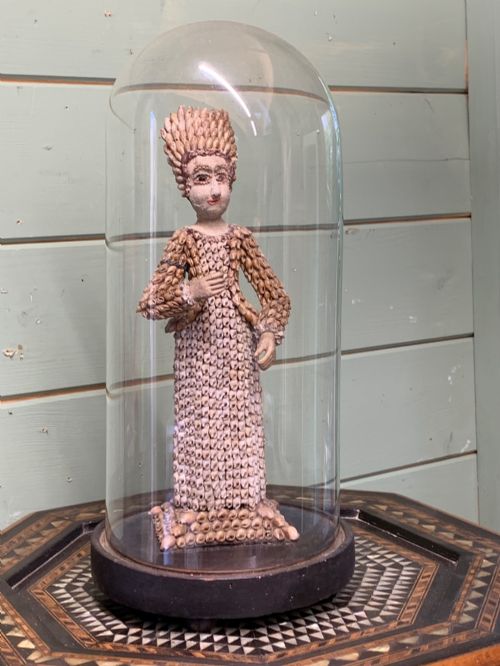
Nineteenth Century Folk Art
Nineteenth century folk art gathers the handmade domestic objects, paintings and carvings created outside formal academic traditions during an era of industrial growth.
Nineteenth Century Folk Art
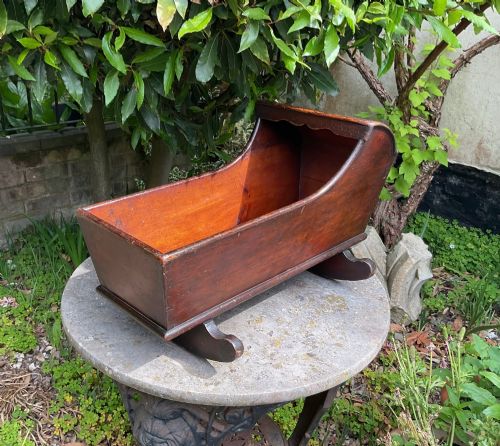
Nineteenth century folk art comprises domestic items, primitive furniture, maritime pieces and naive paintings made by provincial makers, sailors and craftspeople. These utilitarian and decorative objects carry the distinct character of individual hands rather than factory production.
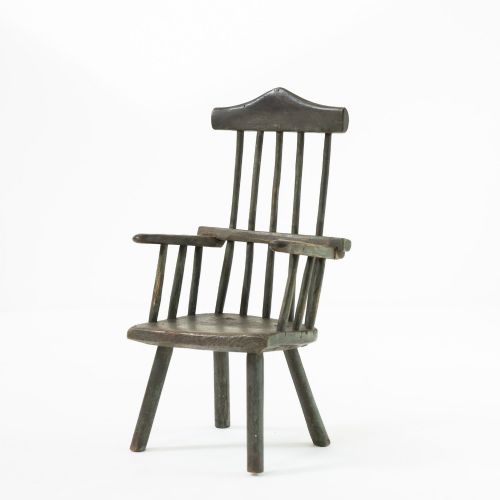
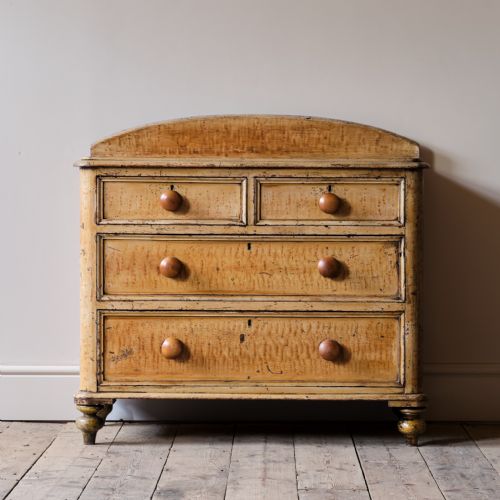
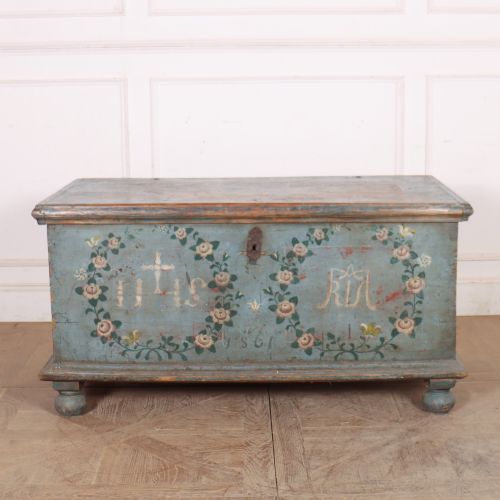
Armchairs, chests, treen and small carvings appear frequently, often retaining their original paint surfaces or natural patination from years of handling. Buyers encounter items ranging from utilitarian pine seating to decorative toys and carved containers.
The objects originate from Britain, Ireland, France, Scandinavia and further afield, reflecting local materials and regional traditions. Each piece tells a story of domestic life, maritime trade or rural custom.
How they were made
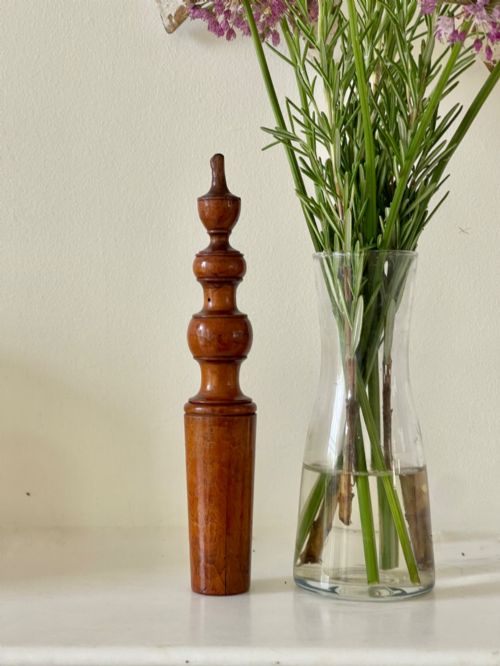
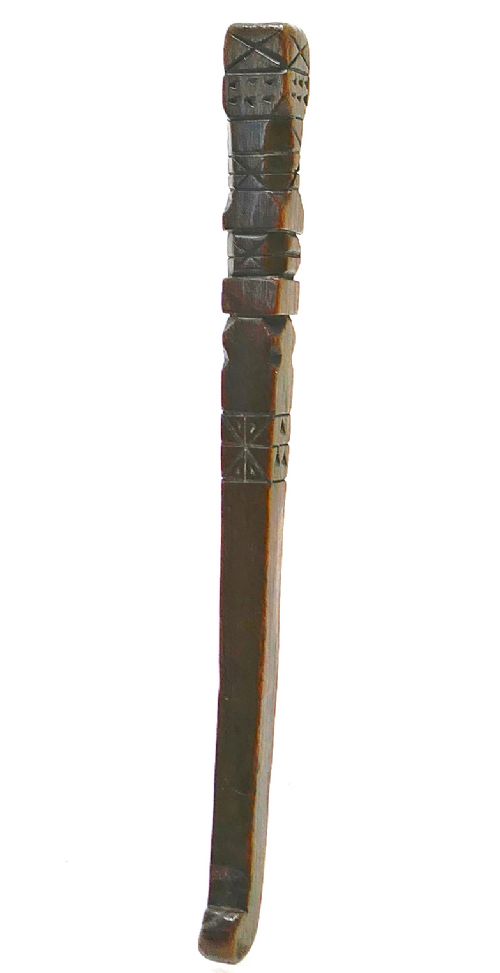
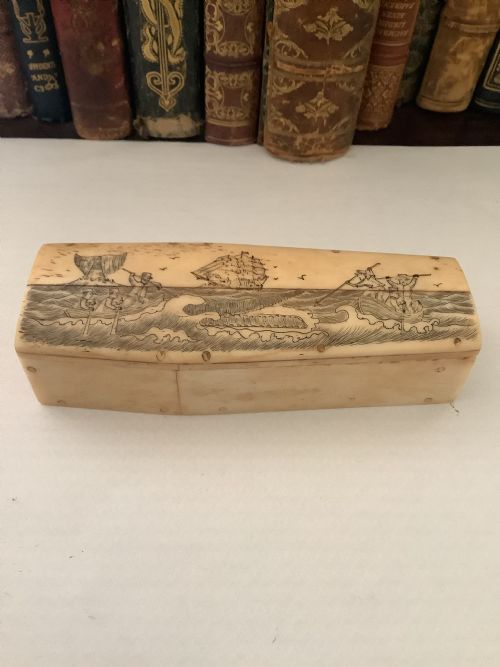
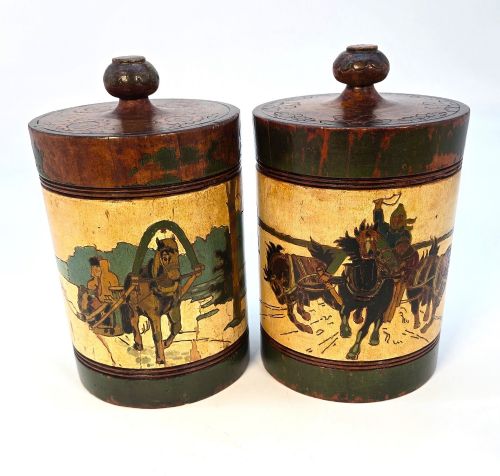
Makers utilised available regional materials such as pine, fruitwood, hardwood, iron, bone and earthenware, shaping them with basic hand tools. Woodworking techniques like carving, incising and punchwork decorate knitting sheaths, lovespoons and snuff boxes.
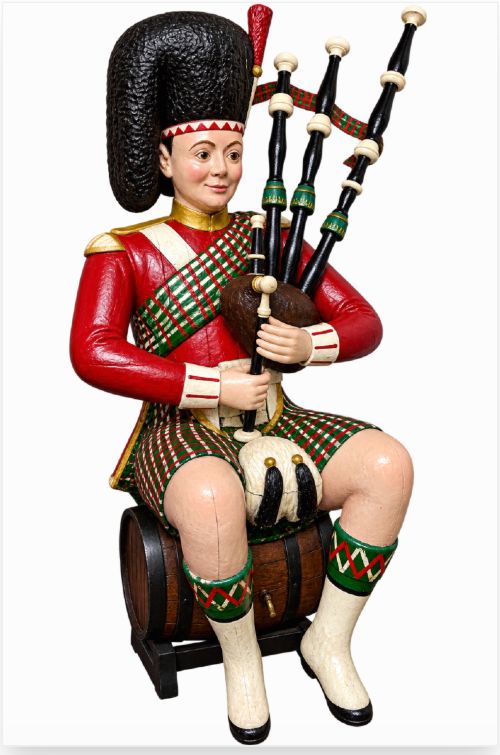
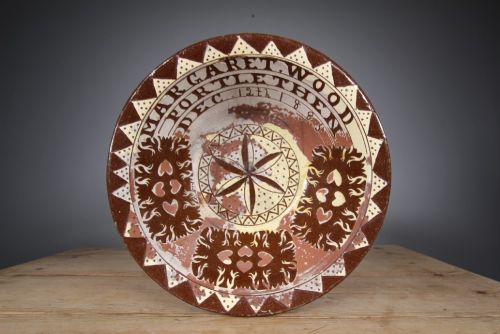
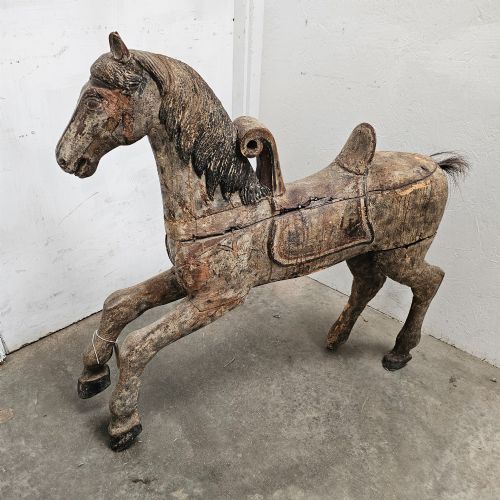
Paints and pigments were applied directly to pine furniture, chests and carousel figures, frequently surviving in their original layered states. Ceramics and earthenware vessels were thrown, moulded and decorated with slip or glazes in regional potteries.
Nineteenth Century Folk Art Retail Price Guide 2026
Typical asking prices for nineteenth century folk art among the pieces listed under this phrase on Sellingantiques today, from the lower quarter to the upper quarter. They describe what is for sale here now, not the wider market.
Among the painted animals and carousel figures, a carved wooden pig stands ready to gallop straight out of Normandy.
What varies in quality
The strength of a piece rests in the confidence of its carving and the integrity of its surface, particularly where original paint or rich patina remains untouched. Skilled proportion and direct expression elevate naive portraits, figures and animals above standard provincial work.
Condition involves the degree of original survival, such as unpolished wooden surfaces and genuine wear that confirm age and authenticity. Pieces that retain their complete functional components and unblemished decorative details stand apart from heavily restored examples.
Seaton Pottery
The Nineteenth Century Folk Art Glossary
- Treen
- Small handmade wooden domestic objects such as spoons, boxes and knitting sheaths. These items were produced for everyday household utility.
- Naive art
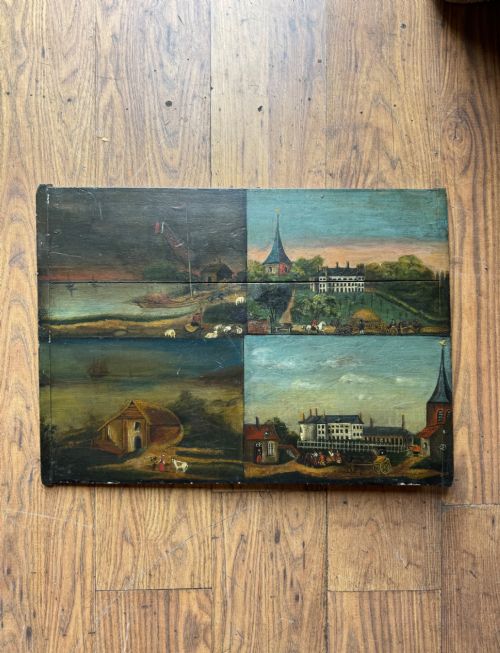
- Artwork created by a person without formal academic training in perspective and proportion. It relies instead on direct observation and personal style.
- Patina
- The deep sheen and surface alteration developed on wood, metal or paint over decades of handling and ageing. This quality signals genuine antiquity.
- Pow whimsey
- An intricate decorative item carved by prisoners of war from bone, wood or straw during confinement. They represent remarkable patience and fine detail.
- Snuff mull
- A pocket container specifically designed for holding ground tobacco taken through the nose. Scottish examples often incorporate horn and silver mounts.
Nineteenth Century Folk Art: Frequently Asked Questions
What defines nineteenth century folk art?
These pieces are handmade objects, paintings and carvings created by provincial craftspeople, sailors and domestic makers outside formal academic training.
They encompass practical household items, maritime whimsies and decorative sculptures that reflect regional traditions and everyday life.
How were these pieces used originally?
Many items served practical daily functions in homes, farms and ships, ranging from pine storage chests and chairs to kitchen treen and knitting sheaths.
Others were decorative, devotional or commemorative objects like portrait paintings, shell grottoes and carved figures.
How do I care for original paint surfaces?
Original paint requires a stable indoor environment away from direct sunlight, excessive heat and moisture fluctuations which can cause flaking.
Dusting gently with a soft dry cloth is sufficient, avoiding modern cleaning chemicals, oils or abrasive polishes entirely.
How can I tell age in treen?
Age is identified through tool marks, wood species selection, wear patterns from handling and the depth of the natural patina.
Hand-cut details and early construction methods help distinguish genuine nineteenth century examples from later reproductions.