






Naive Folk Art Portrait
A naive folk art portrait captures sitter and animal with charming directness, offering an honest window into domestic history.
Naive Folk Art Portrait
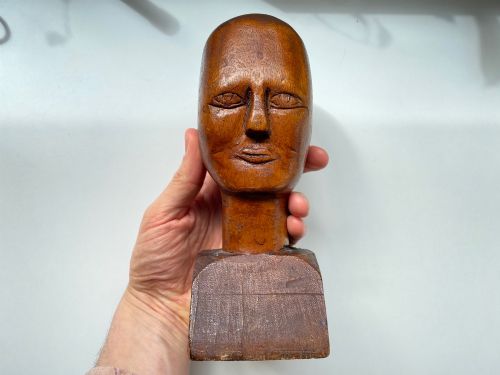
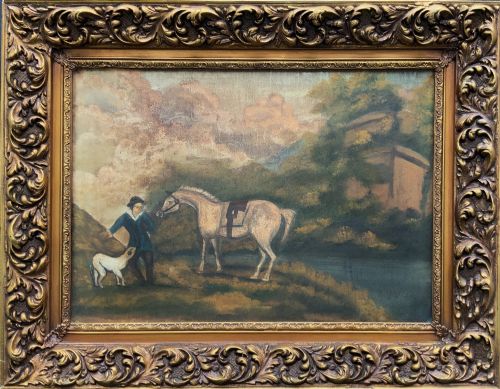
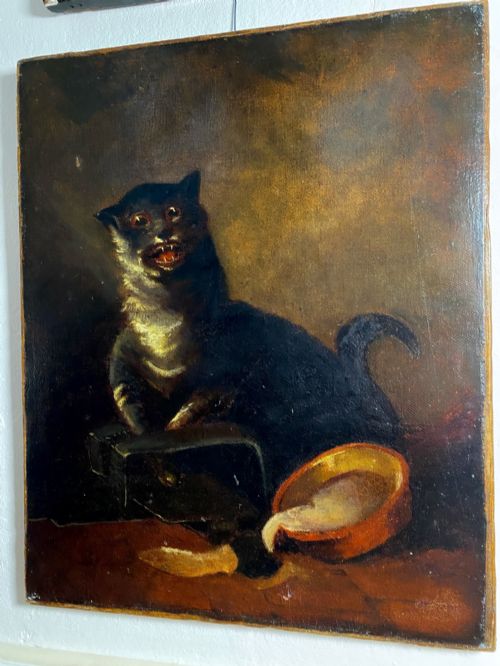
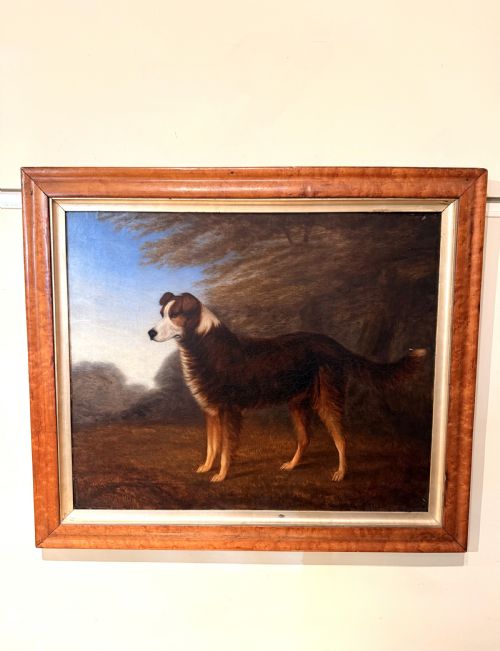
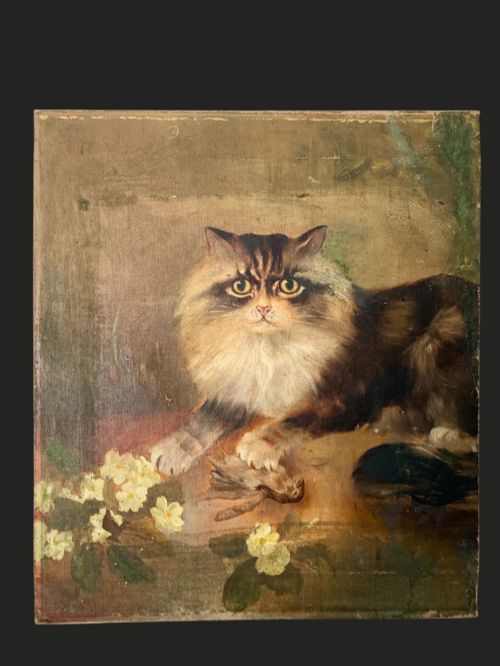
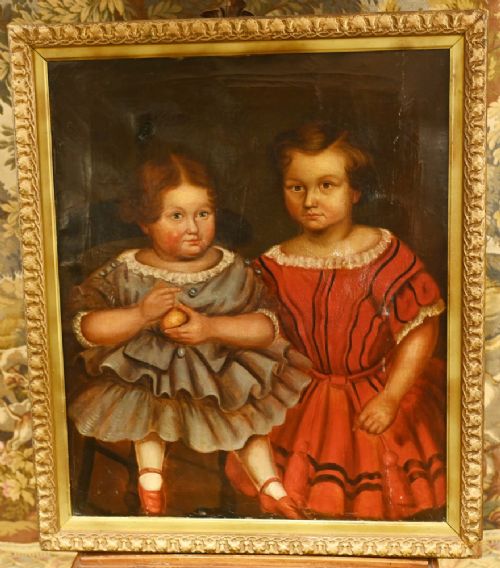
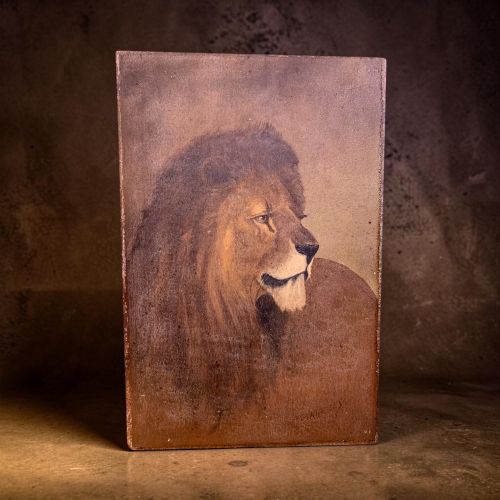
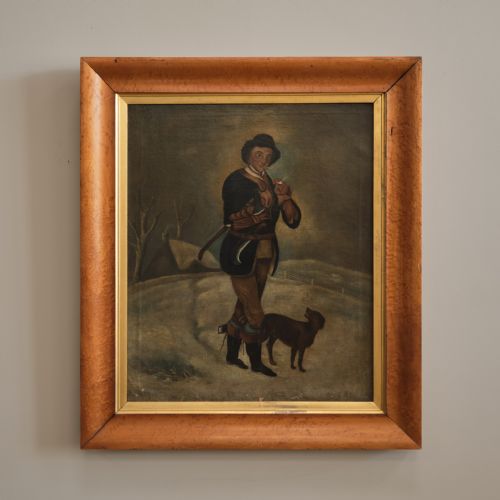
A naive folk art portrait presents human and animal subjects rendered outside academic convention, often showing sitters alongside pets, livestock, or cherished objects.
Buyers meet works originating from British, American, Scandinavian, and French provincial traditions, spanning the eighteenth, nineteenth, and early twentieth centuries.
Formats range from oils on canvas and panel to watercolours on paper and painted tinplate, frequently housed in period frames.
How They Were Made
Artists worked primarily in oil paint upon canvas or wooden panels, alongside watercolours executed on paper.
Surviving pieces utilise simple timber supports, occasionally incorporating gold leaf detailing or housed within rosewood frames.
Naive Folk Art Portrait Retail Price Guide 2026
Typical asking prices for naive folk art portrait among the pieces listed under this phrase on Sellingantiques today, from the lower quarter to the upper quarter. They describe what is for sale here now, not the wider market.
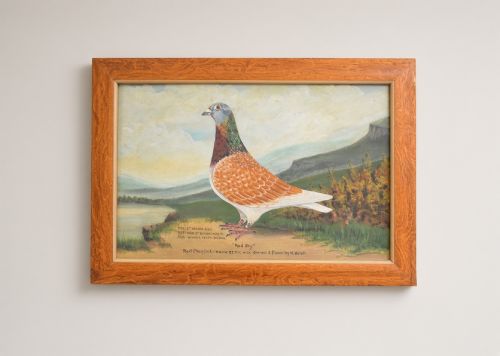
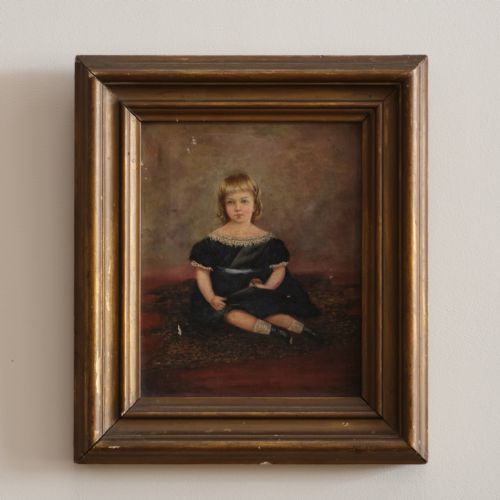
Several portraits feature unexpected companions, including racing pigeons, goldfish, and a three-month-old infant.
What Varies in Quality
Expressive power separates standard provincial execution from works possessing striking individual character and strong composition.
Original surface preservation and untouched framing contribute significantly to the historical integrity of the piece.
J Brown·E H Windred
The Naive Folk Art Portrait Glossary
- Naive school
- Art produced by painters lacking formal academic training, prioritising direct observation over strict perspective.
- Oil on canvas
- Pigment suspended in drying oil applied to stretched textile fabric, forming the primary medium for many surviving works.
- Primitive
- A descriptive term denoting unpolished execution and straightforward technique common in early provincial art.
- Watercolour
- Paint consisting of water-soluble pigments applied to paper supports, often protected beneath glass in period frames.
Naive Folk Art Portrait: Frequently Asked Questions
How do I date a naive portrait?
Dating relies upon sitter costume, hairstyle, and the framing materials associated with specific decades.
Secondary clues include stretcher construction and old inscriptions recorded on the reverse of the canvas or panel.
Why do animals appear in these portraits?
Pets and livestock frequently accompanied sitters to denote status, affection, or domestic life within provincial households.
Dogs, birds, and horses appear regularly alongside children and adults in nineteenth-century compositions.
Where were these paintings produced?
Provincial painters worked across Britain, Europe, and America, recording local figures without adherence to metropolitan academy rules.
Regional characteristics often emerge through specific clothing styles or framing choices typical of particular countries.
How should I hang naive art?
These works suit domestic spaces where their direct charm and informal character can be appreciated up close.
Keep paintings away from direct sunlight and fluctuating moisture to protect the oil paint and paper components.