





Regency Portrait of Child
A regency portrait of child brings the domestic intimacy of the early nineteenth century straight onto the wall.
Regency Portrait of Child
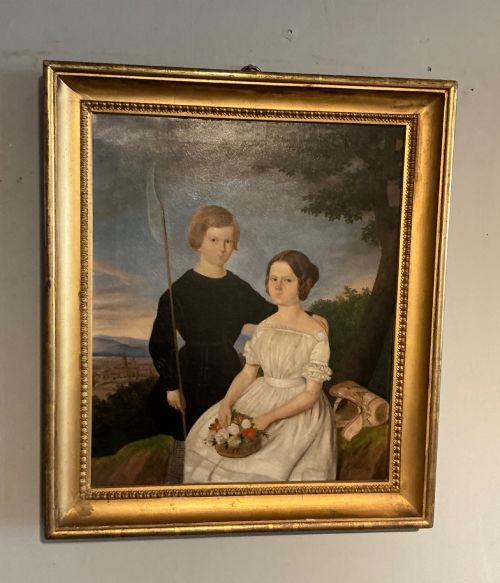
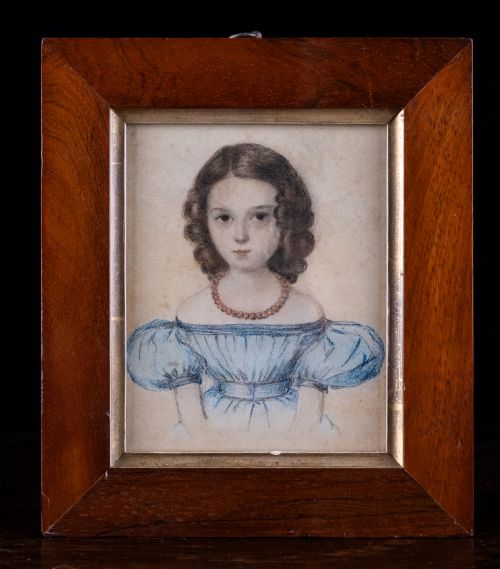
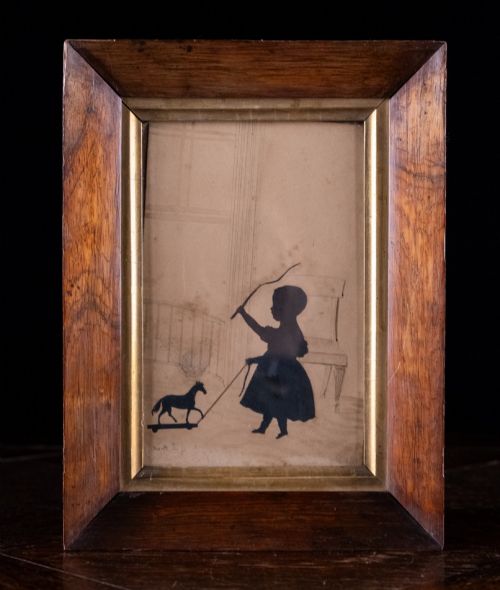
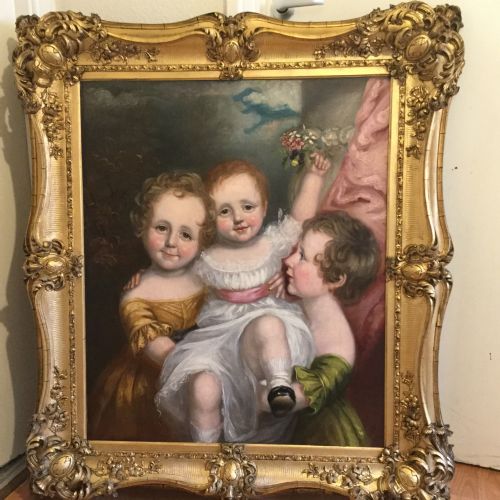
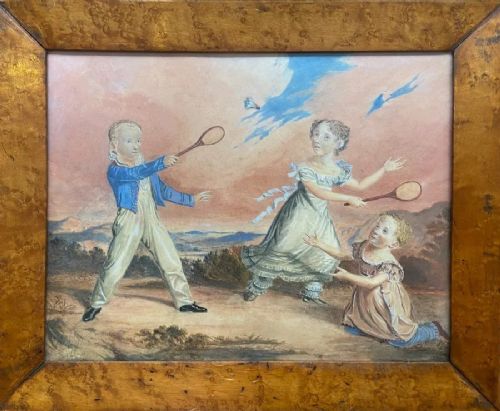
A regency portrait of child captures the likenesses of young subjects through the aesthetic lenses of the Regency, Georgian, and Victorian eras. These works range from formal oil paintings and delicate miniatures to charmingly direct folk art and silhouette studies.
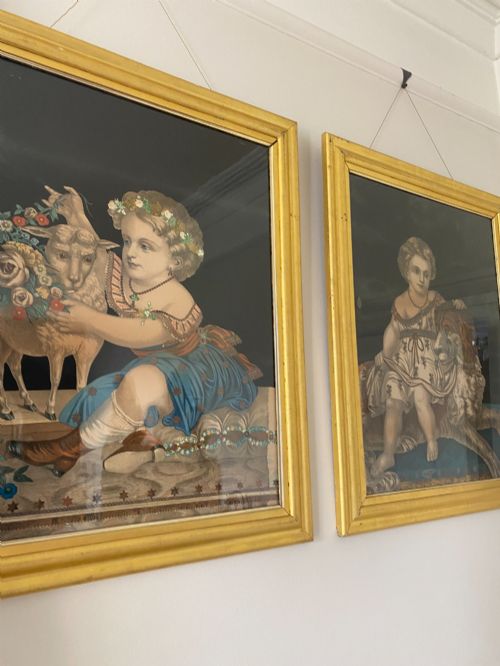
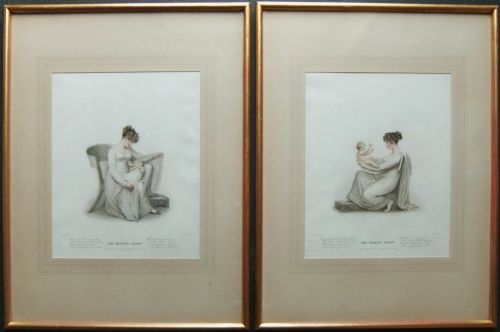
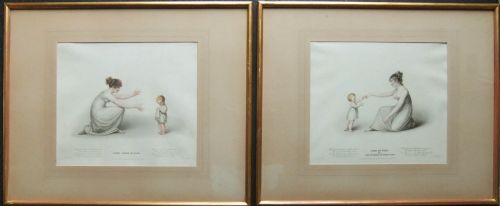
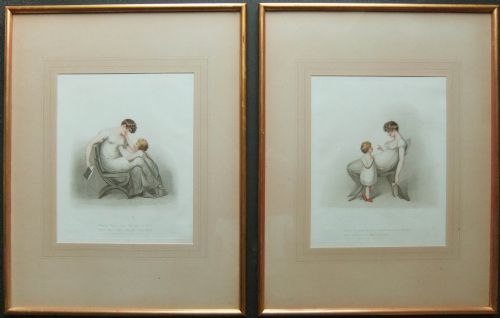
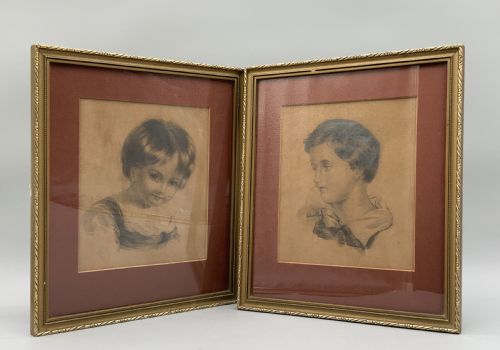
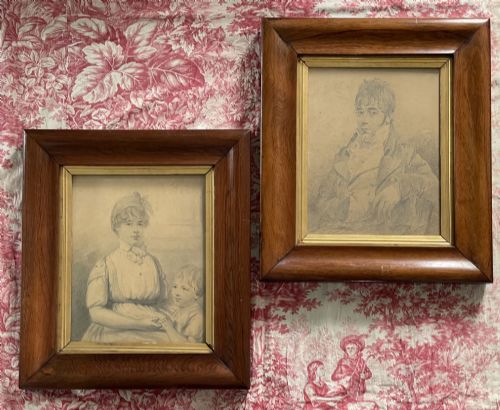
The selections on this page are dominated by nineteenth-century examples, spanning oil on canvas, watercolour, pencil drawings, and stipple engravings. Many reflect the prevailing portraiture styles of English school artists working during the early decades of the eighteen-hundreds.
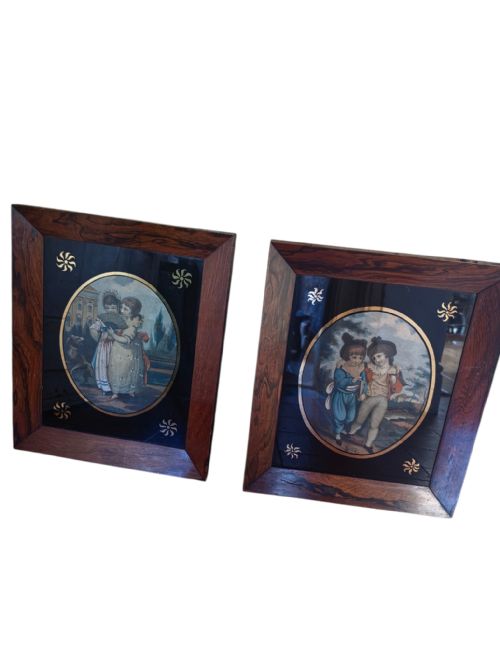
Buyers will encounter single subjects alongside family groupings, often accompanied by cherished pets, toys, or architectural backdrops. These pieces preserve youthful character through intimate mediums designed for domestic spaces.
Materials and construction
Framing played an integral role in presentation, utilising period materials like rosewood, maple, ebonised wood, and gilded gesso. Some silhouette and print works incorporated metal embellishments or specialised mounts to enhance the visual depth of the composition.
Regency Portrait of Child Retail Price Guide 2026
Typical asking prices for regency portrait of child among the pieces listed under this phrase on Sellingantiques today, from the lower quarter to the upper quarter. They describe what is for sale here now, not the wider market.
One infant sitter is meticulously recorded by an artist as being exactly three months and three years old.
Assessing quality and execution
Quality rests upon the skill of the draughtsmanship and the expressive capture of the sitter, distinguishing master academic work from simpler naive pieces. Finer paintings display subtle tonal gradations in flesh and fabric, whereas folk art relies on bold outline and charming directness.
The preservation of the original medium and its period frame contributes significantly to the integrity of the piece. Untouched surfaces and legible contemporary inscriptions add historical weight to these intimate childhood records.
Augustin Edouart·Adam Buck·Sir Thomas Lawrence·William Egley·Henry Scott·Edward Bird·Richard Cosway·John Russell·Henry Edridge
The Regency Portrait of Child Glossary
- Silhouette
- A portrait profile cut from dark paper or painted in solid black against a light background, often enhanced with delicate highlights in gold or white. These shadow portraits gained immense popularity during the late eighteenth and early nineteenth centuries.
- Miniature
- A small-scale portrait painted with meticulous detail, usually framed for portable display or wearing. These intimate keepsakes required supreme brush control and magnifying lenses to achieve their precision.
- Stipple engraving
- A printmaking technique using dots of varying density to simulate tonal gradations and soft skin textures. Publishers frequently issued these plates in pairs to decorate domestic interiors.
- Naive art
- Work produced by artists without formal academic training, prioritising direct observation and narrative charm over strict perspective and proportion. These pieces offer unvarnished glimpses into period life.
- Giltwood
- Timber carved and coated with a thin layer of gold leaf or metallic powder to create a bright decorative frame. Period frames provide crucial context for dating and authenticating works.
Regency Portrait of Child: Frequently Asked Questions
How were these child portraits originally displayed?
These artworks were traditionally hung in private family rooms, parlours, and bedchambers rather than grand formal galleries. Their scale suited intimate domestic spaces where parents could closely observe the likenesses.
Smaller miniatures and silhouettes were often kept in travel cases, worn as personal tokens, or arranged in clustered groupings across drawing room walls.
What do the objects accompanying the children signify?
Items like toys, books, maps, and pets frequently carried symbolic meanings relating to education, status, and youthful innocence. A pet dog often represented loyalty and companionship within the family unit.
Including objects such as battledores or tambourines also helped animate the composition, giving restless young sitters a reason to hold still during lengthy portrait sessions.
Why are animals so common in these portraits?
Animals served both as beloved family companions and as compositional devices to keep children engaged. Pets helped anchor the dynamic of the scene, creating a natural interaction between the child and their surroundings.
Including specific named pets, such as a dog alongside its young owner, added a layer of personal biography and affectionate storytelling to the finished artwork.