



Georgian Period Child Portrait
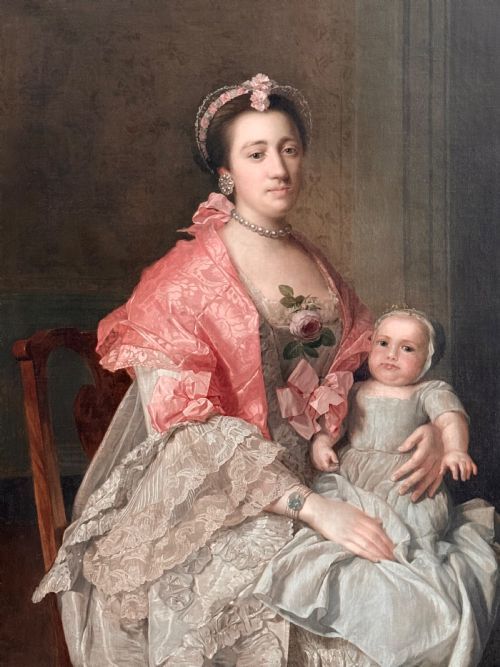
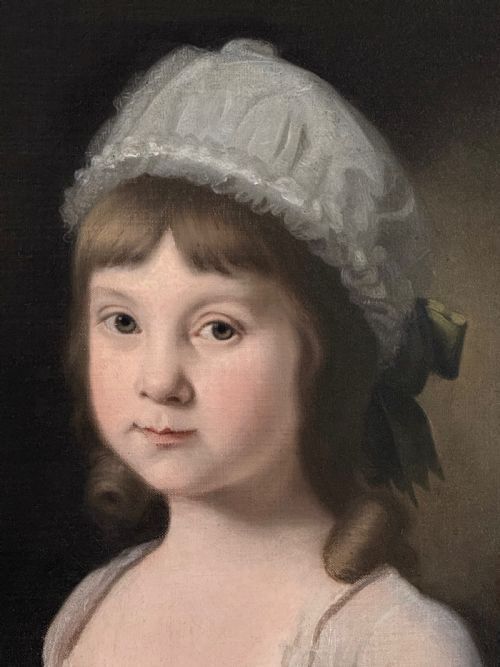
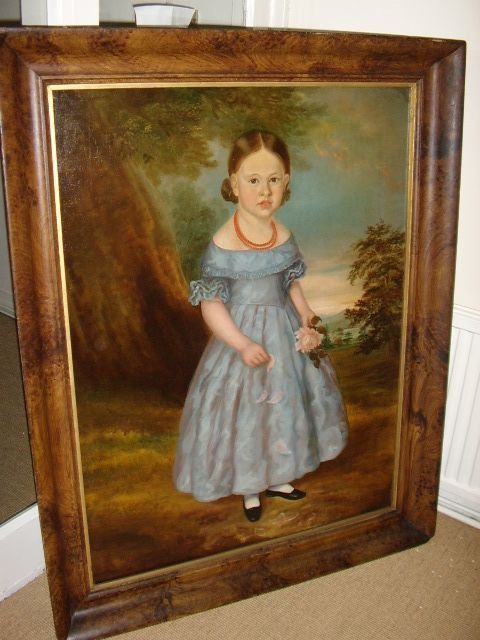
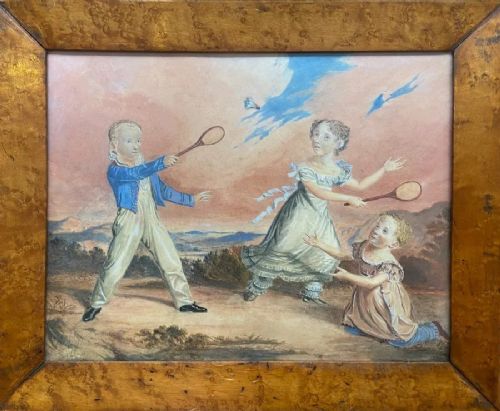
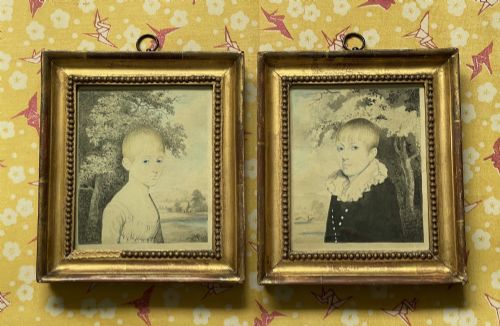
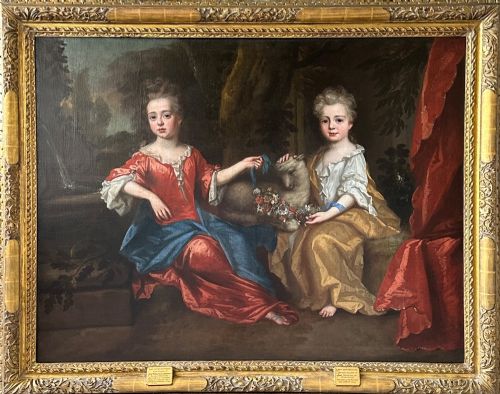
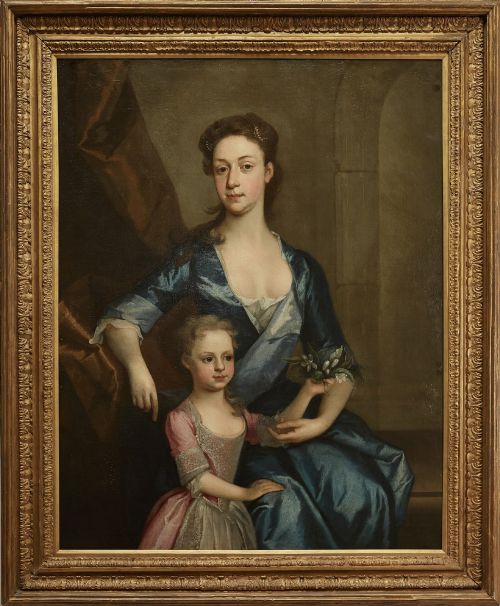
These georgian period child portrait works capture the innocence of youth through oil, watercolour, and engraving.
Georgian Period Child Portrait
A georgian period child portrait brings centuries-old likenesses into modern rooms, recording the clothing, toys, and pets of young subjects. Buyers seek these works for their historic charm and direct connection to past family life.
The pieces on this page span the eighteenth and nineteenth centuries, taking the form of oil paintings on canvas, delicate watercolours, and portrait miniatures housed in period frames. Oil paintings and framed watercolours represent the most common encounters for collectors browsing this selection.
Makers and schools range from named artists working within British traditions to naive painters and continental visitors. Works often depict solitary children with objects such as spinning tops, maps, or pets, alongside multi-figure family compositions.
Factors that separate the range
Quality in a georgian period child portrait rests on the skill of the draughtsmanship and the psychological depth of the sitter's expression. Superior examples display confident brushwork and anatomical proportion, whereas lesser works rely on stiff poses or formulaic rendering.
Condition and originality play a significant part in establishing distinction, particularly the survival of original pigments, unlined canvases, and period frames. Works retaining their initial housing offer a more complete historic record than those altered by later restoration.
Children occasionally appear alongside unusual childhood companions, including a pet dog named Mr Quiz.
Joshua Reynolds·James Maubert·Joseph Highmore·Philip Mercier·Adam Buck·Thomas Lawrence·Edward Bird·Francis Alleyne·John Russell·George Morland
The Georgian Period Child Portrait Glossary
- Portrait Miniature
- A small-scale painting executed on materials such as ivory, vellum, or paper, often housed in a protective case or ebonised frame.
- Naive Art
- Artwork created by self-taught or provincial artists lacking formal academy training, characterised by flat perspective and direct charm.
- Giltwood
- Wood carved and coated with gold leaf, frequently utilised for decorative antique picture frames.
Georgian Period Child Portrait: Frequently Asked Questions
What periods do these child portraits cover?
The selection spans the eighteenth century through to the nineteenth century, encompassing Georgian, Regency, and early Victorian eras.
Dates often reflect the sitter's lifespan or the estimated year of creation noted in the historic record.
How were portrait miniatures displayed?
Miniatures were often created as intimate keepsakes to be carried in pockets, worn as lockets, or hung in small clusters on walls.
Many survive within protective ebonised wood frames designed to shield fragile watercolours from light.
What subjects typically appear alongside the children?
Portraits frequently include family members, domestic pets such as dogs, and toys like spinning tops, jigsaw puzzles, and battledores.
These props provide social context and hint at the daily pastimes of affluent youth in historic households.
How can I distinguish naive art from academic work?
Academic pieces reflect the formal training of established artists with correct proportions and sophisticated handling of light and shadow.
Naive works exhibit a charming simplicity and directness, often created by provincial painters working outside mainstream academies.