



Oil Painting of Girl
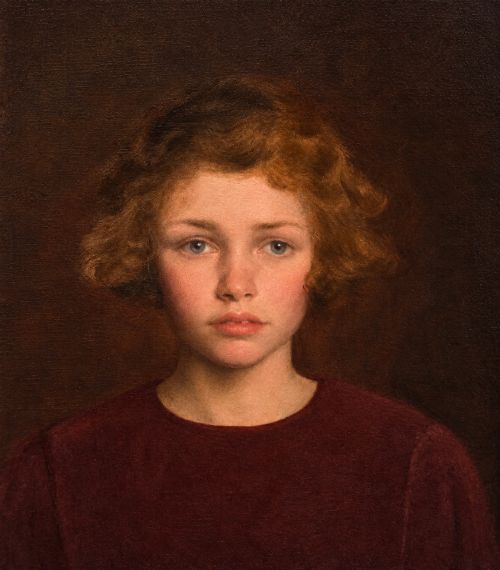
When choosing an oil painting of girl, you are selecting a hand-painted portrait spanning centuries of British, European, and global fine art tradition.
Oil Painting of Girl
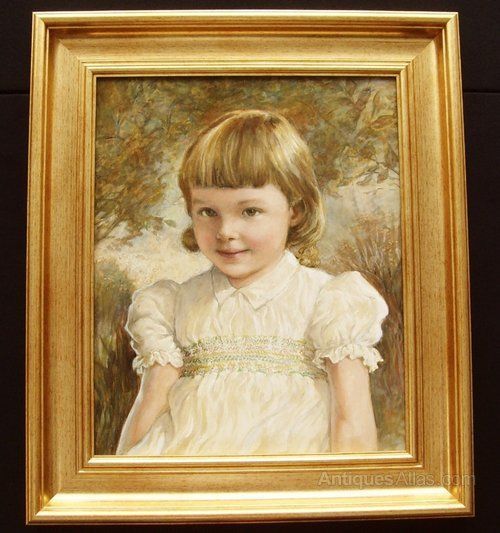
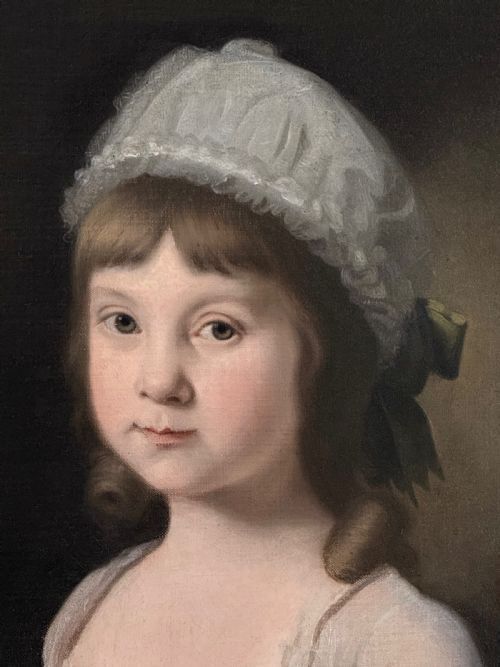
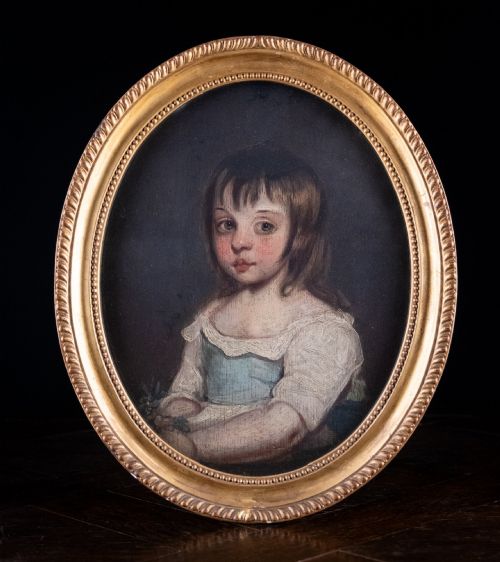
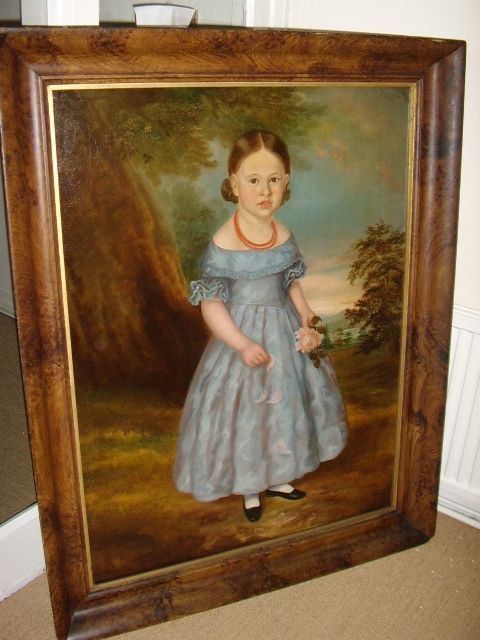
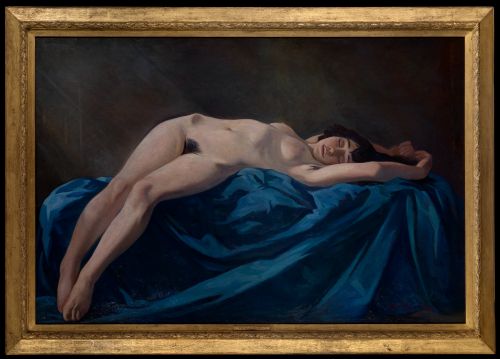
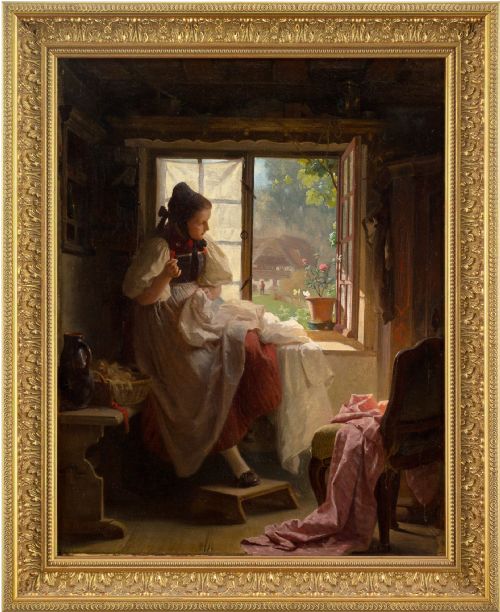
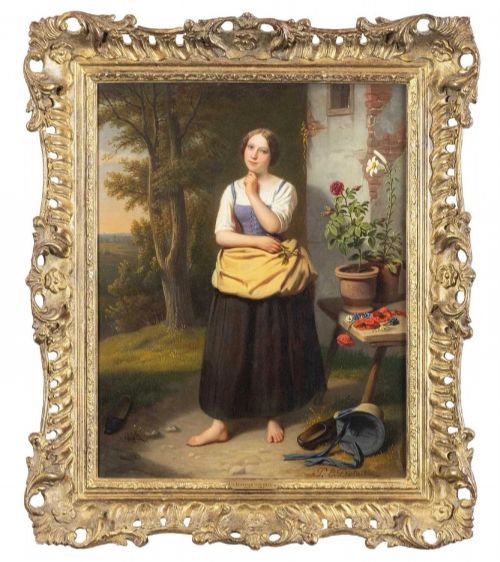
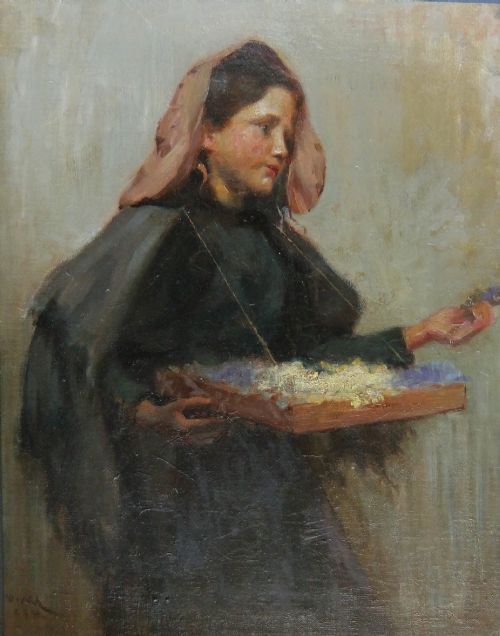
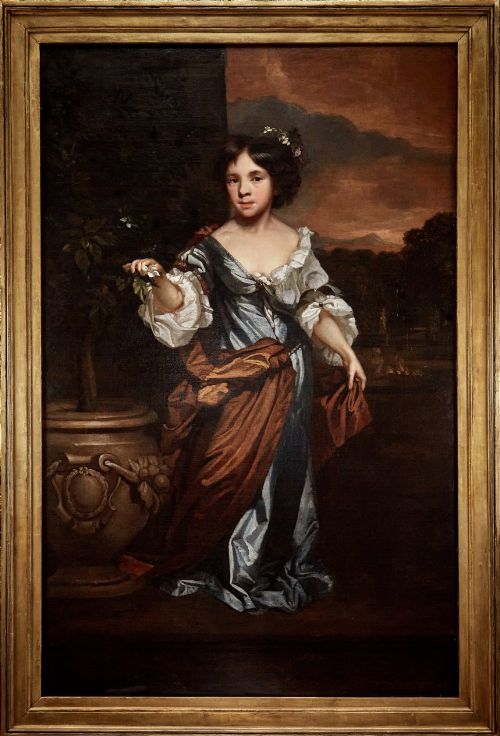
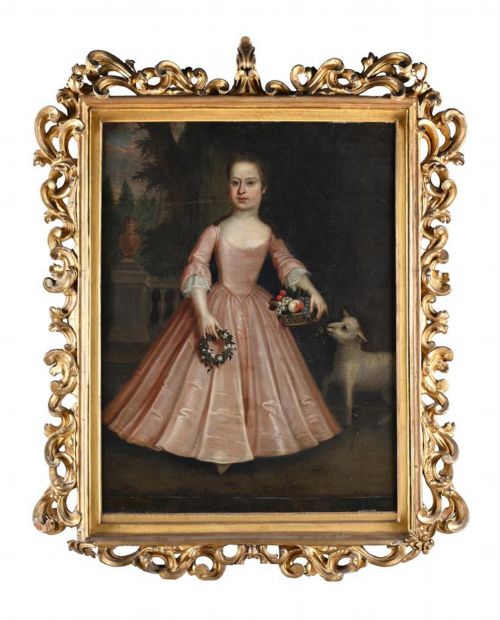
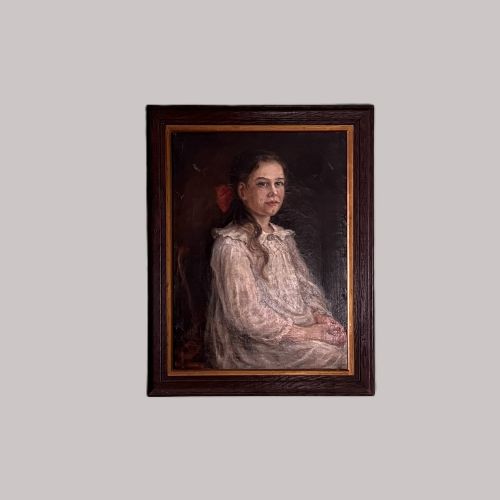
An oil painting of girl captures youthful subjects across formal studio portraits, informal genre scenes, and naive compositions from the seventeenth century through the early twentieth century.
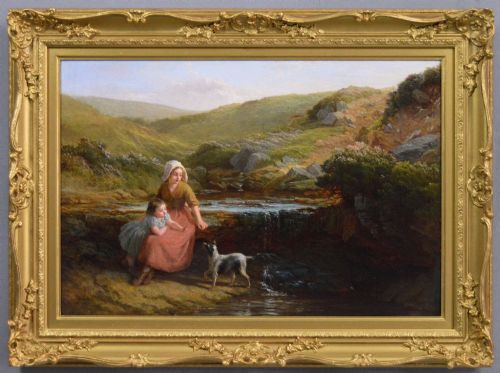
The selections on this page range from grand Georgian canvases and Victorian depictions of children with pets or flowers to Edwardian and early twentieth-century impressions.
Subjects appear individually or with animals, books, writing slates, and garden elements, reflecting the social history and artistic styles of their respective periods.
How They Were Made
Artists applied oil paint using brushes and occasionally palette knives, layering pigments onto stretched canvas or wooden panels.
Many works incorporate supportive elements such as gesso grounds and are housed within period giltwood frames adorned with gold leaf.
Oil Painting of Girl Retail Price Guide 2026
Typical asking prices for oil painting of girl among the pieces listed under this phrase on Sellingantiques today, from the lower quarter to the upper quarter. They describe what is for sale here now, not the wider market.
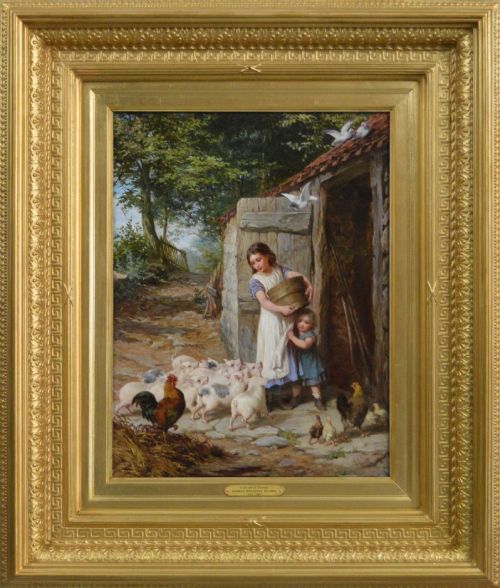
Several young girls share the canvas with eager pet dogs, curious cats, and even a selection of farmyard piglets.
What Varies in Quality
Quality rests in the handling of light, shadow, and anatomical proportion, distinguishing accomplished academic or studio hands from naive or provincial output.
The depth of expression in the sitter's face, the natural rendering of textiles and hair, and the preservation of the original paint surface define the standing of each piece.
Charles D’Agar·George Augustus Holmes·Arthur William Devis·Charles Burton Barber·Henry Weigall·Vittorio Reggianini·William Watt Milne·Jozef Israëls
The Oil Painting of Girl Glossary
- Canvas
- A heavy woven fabric stretched across a wooden frame to serve as the primary support for oil paint. It provides a flexible yet durable surface for textured brushwork.
- Giltwood
- Wood carved and coated with gold leaf or metallic paint, commonly used for traditional picture frames. It adds a reflective border that complements the tones of the oil painting within.
- Genre painting
- A category of artwork depicting scenes from everyday life rather than formal portraiture or historical events. These works often show subjects engaged in ordinary tasks or leisure.
- Naive art
- A style produced by artists without formal academic training, characterised by direct perspective and simplified forms. Such works possess a distinct charm through their unpretentious execution.
- Gesso
- A traditional primer mixture consisting of a binder mixed with chalk, gypsum, or pigment, applied to panels or canvases. It creates a smooth, absorbent surface for oil paint layers.
Oil Painting of Girl: Frequently Asked Questions
How do I date an oil painting of girl?
Dating relies on stylistic clues such as the sitter's clothing, hairstyle, and framing conventions, alongside stretcher construction and canvas preparation methods. Evidence from signatures, inscriptions, and biographical details of the artist further narrow the production era.
Paint formulations and canvas weaves also shift between the seventeenth, eighteenth, and nineteenth centuries, offering physical markers that help align a portrait with its historical period.
What is the difference between a portrait and a genre scene?
A formal portrait focuses specifically on recording the likeness and identity of a designated sitter, often commissioned to document a family member or notable individual. The subject usually gazes directly at the viewer or occupies a posed studio setting.
In contrast, a genre scene depicts an anonymous or generalized figure engaged in daily activities, such as feeding animals, reading, or working. These compositions prioritize narrative atmosphere and everyday life over individual identity.
Where should I hang an oil painting of girl?
These portraits suit traditional living spaces, studies, or hallways where controlled lighting enhances the oil pigments and gilt frames. Positioning them away from direct sunlight and damp walls protects the canvas and wooden supports over time.
Pairing a antique portrait with complementary period furnishings creates a cohesive interior aesthetic that highlights the historical depth of the artwork.
How should I clean my antique oil painting?
Dusting the canvas surface and frame gently with a soft, dry, lint-free brush is the safest method for routine maintenance. Avoid using water, household cleaners, or solvents on the painted surface, as these substances can damage the delicate oil layers.
Professional conservators should handle deeper cleaning, varnish removal, or canvas repairs to prevent altering or harming the original pigment.