
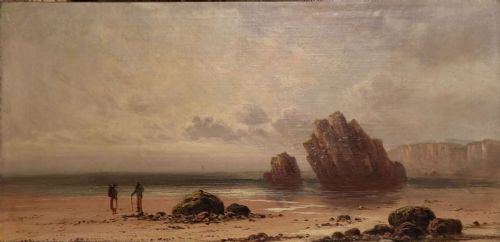
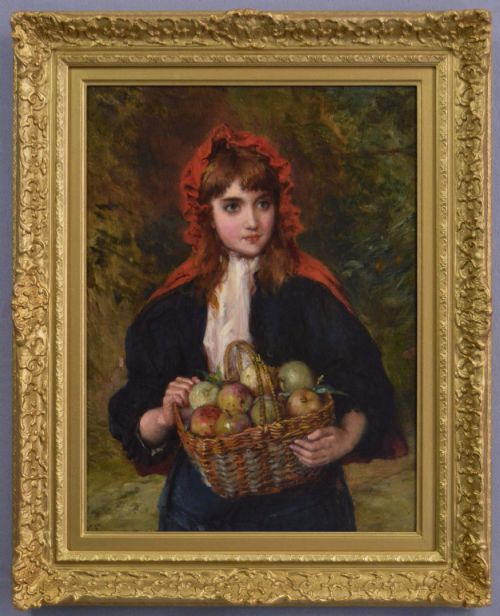
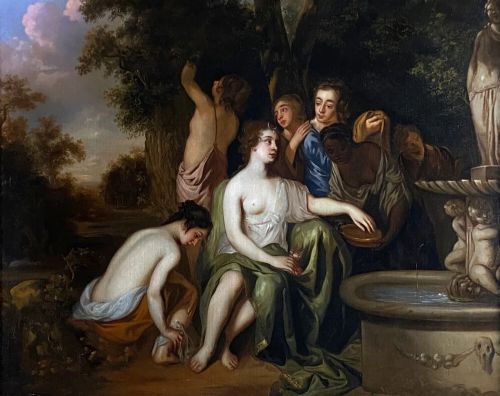
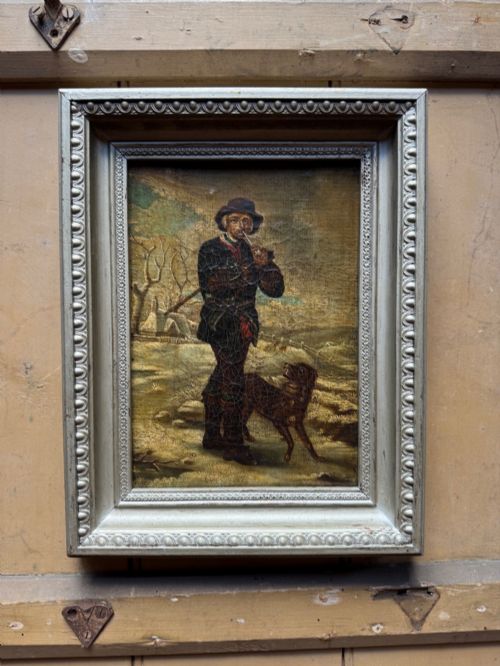

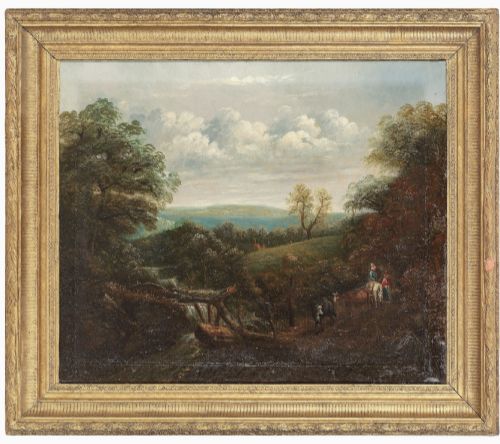
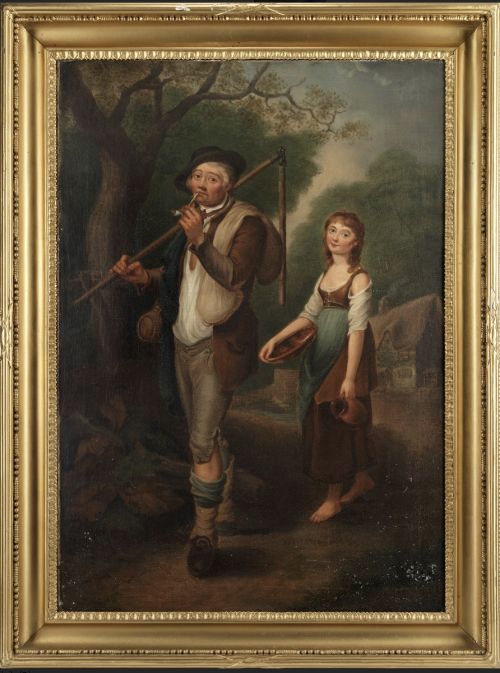
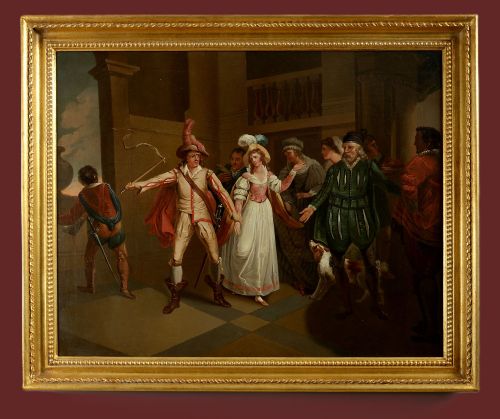
Antique Figure Oil Artwork
Antique figure oil artwork brings centuries of painted human presence into a room, spanning intimate portraits and expansive rural scenes.
Antique Figure Oil Artwork
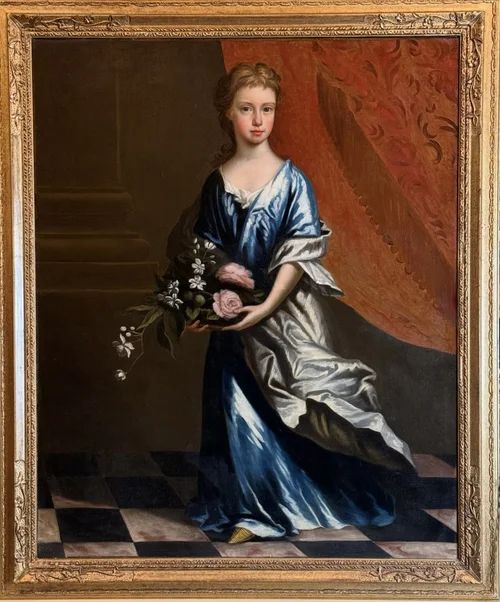
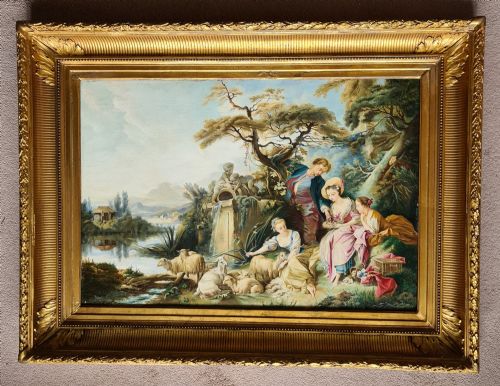
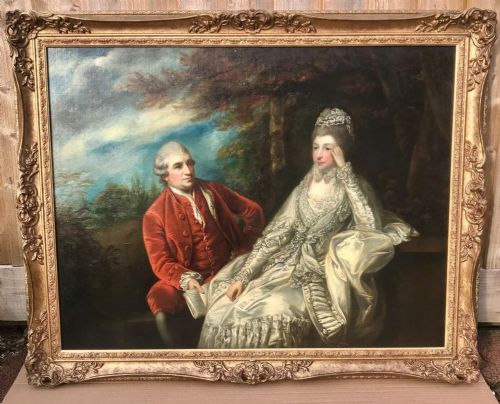
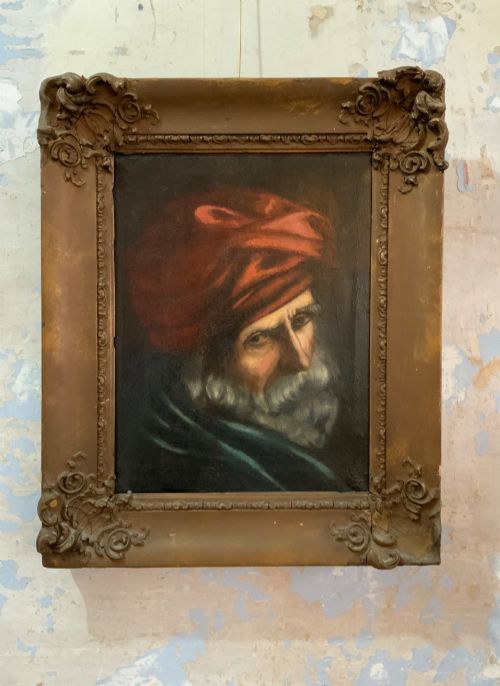
When searching for antique figure oil artwork, buyers encounter painted compositions on canvas or wood panel featuring people, from solitary figures in landscapes to formal aristocratic portraits. These pieces capture human subjects through the lens of various historical periods, notably the 17th, 18th, and 19th centuries.
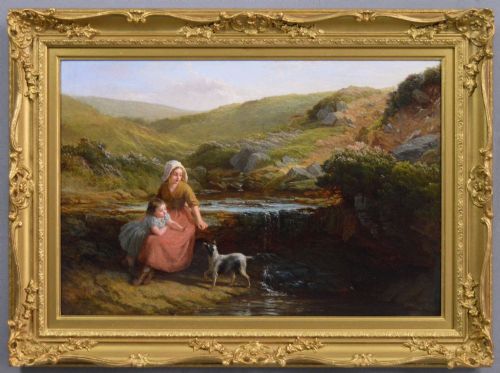
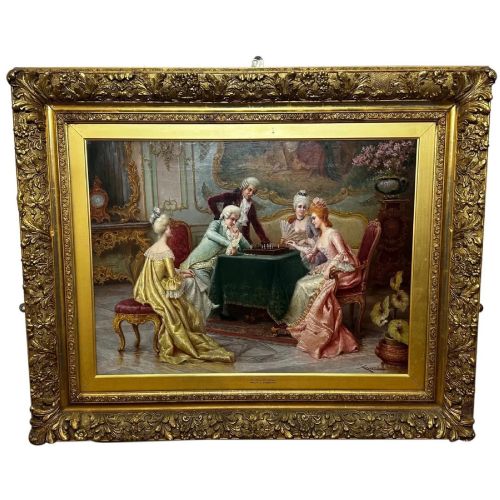
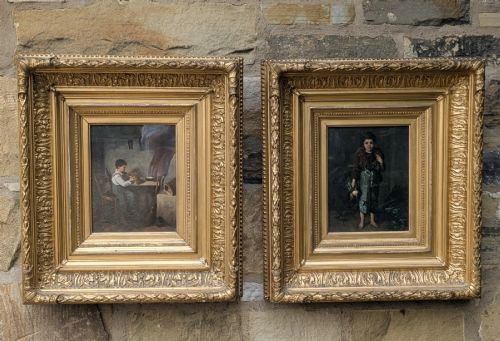
The selection ranges from Dutch Golden Age and Baroque depictions to Victorian and Edwardian works, along with Renaissance Revival and French School pieces. Buyers most frequently meet portraits of individuals or genre scenes showing everyday people in country paths, cottages, or riverside settings.
Artisans and painters of these works often operated within specific regional schools, such as the Norwich School or British and French traditions. The subjects include classical mythological figures, literary scenes, and direct studies of human character rendered in oil paint.
Distinctions in Quality
The handling of anatomical detail and facial expression separates accomplished works from simpler student exercises or copies. Master painters capture light on fabric and skin with confident brushwork that brings vitality to the human subject.
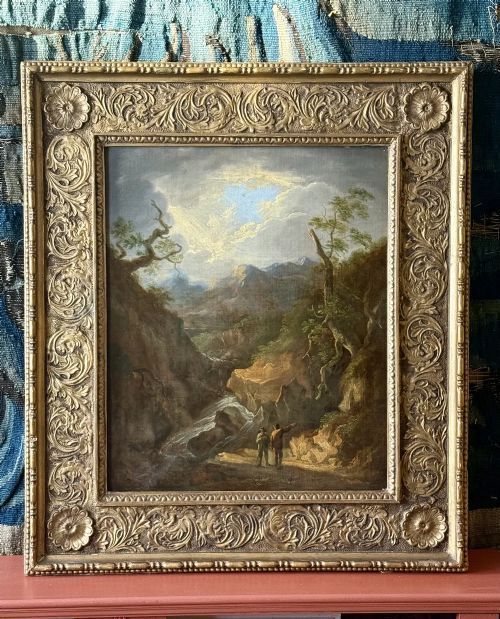
The integration of the figure within its surrounding landscape or interior distinguishes superior compositions. Strong works maintain compositional balance and atmospheric coherence between the human subject and the painted backdrop.
Several canvases capture contemplative domestic pets and mischievous young boys caught mid-mischief.
Sir Peter Lely·Sir Godfrey Kneller·Joshua Reynolds·Thomas Barker of Bath·Thomas W Lascelles·Francois Boucher·Robert John Hammond·Walter Heath Williams·Theodore Jensen
The Antique Figure Oil Artwork Glossary
- Oil on canvas
- A traditional painting medium where pigments suspended in drying oil are applied to stretched woven fabric. This combination allows for rich colour blending and durable preservation over centuries.
- Giltwood
- Wood that has been covered with a thin layer of gold leaf or gold paint. It is commonly found on decorative antique picture frames.
- Gesso
- A plaster-like mixture used as a smooth base on wood panels or frames before applying paint or gilding. It provides a stable foundation for intricate carved details.
- Genre scene
- A painted representation of everyday life and ordinary people engaged in common activities. These works focus on domestic interiors, market scenes, or rural labour rather than grand historical events.
- Baroque
- An artistic style prevalent from the early 17th century to the mid-18th century. It is characterised by dramatic lighting, deep shadows, and intense emotional expression.
Antique Figure Oil Artwork: Frequently Asked Questions
How do I date an antique oil painting?
Dating relies on examining the canvas weave, stretcher construction, and framing techniques alongside the stylistic markers of the period. Pigment analysis and canvas stamps can also provide clues to the decade of creation.
Clothing styles, hairstyles, and artistic conventions offer further evidence for narrowing down the date when a portrait or figure scene was painted.
What is the difference between canvas and panel?
Canvas support involves stretched woven fabric, usually linen or cotton, primed with gesso before painting. Wooden panels provide a rigid, solid surface that was favoured in earlier centuries.
Panel paintings often survive with less cracking of the paint layer, while canvas offers flexibility and accommodates larger compositions easily.
How should I hang and care for oil paintings?
Keep oil paintings away from direct sunlight and dramatic fluctuations in temperature or humidity to protect the canvas and wooden frame. Stable indoor conditions prevent the paint layer from cracking or warping.
Dust the surface gently with a soft, dry brush and avoid using chemical cleaners on either the paint or the antique giltwood frame.
How do I identify a portrait subject?
Identification often depends on inscriptions written on the reverse of the canvas, old labels on the frame, or family provenance records. Crests and coats of arms painted in the corners can also point to specific lineages.
Many historic portraits remain anonymous if documentation has been lost over the centuries, requiring stylistic comparison with known works by the artist.