


White Dress Oil Painting
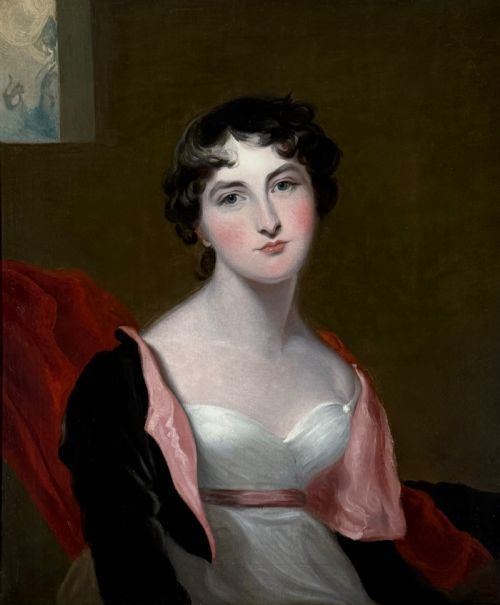
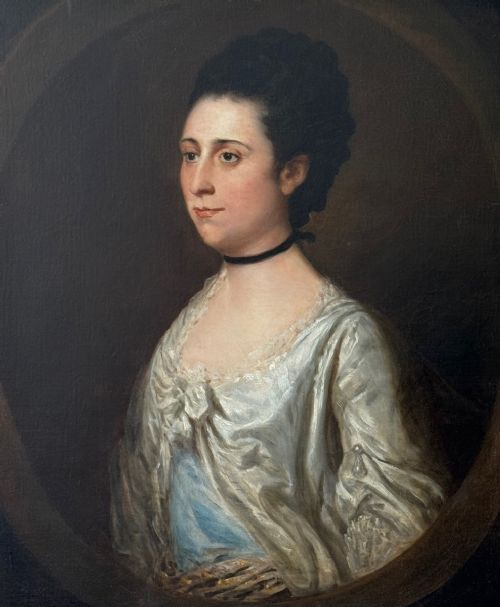
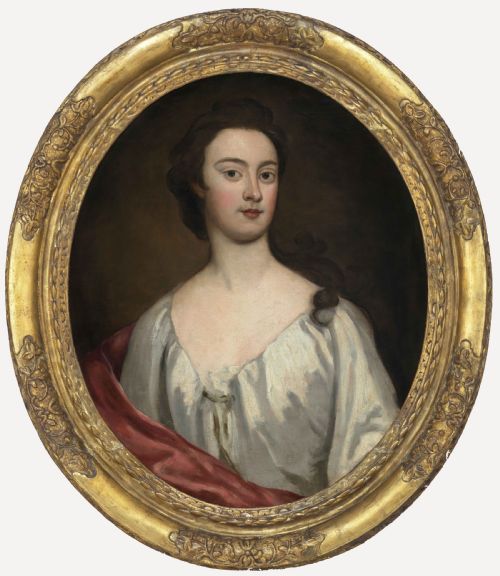
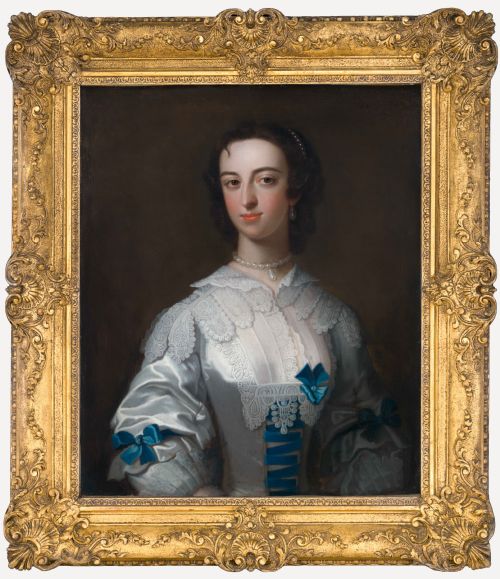
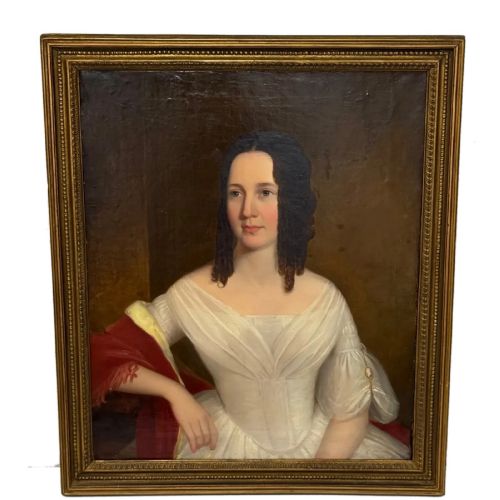
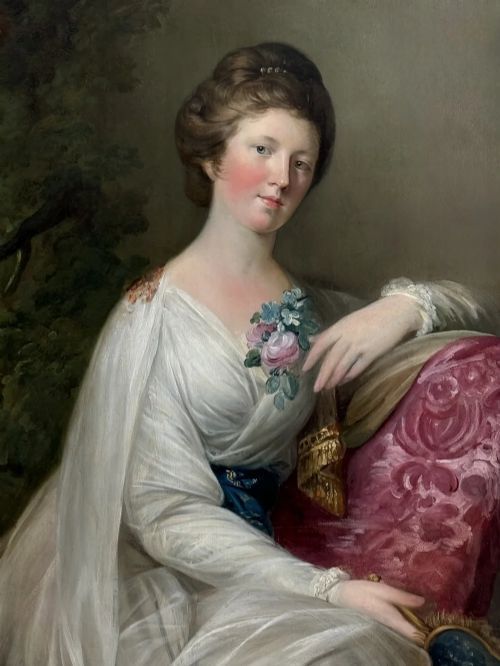
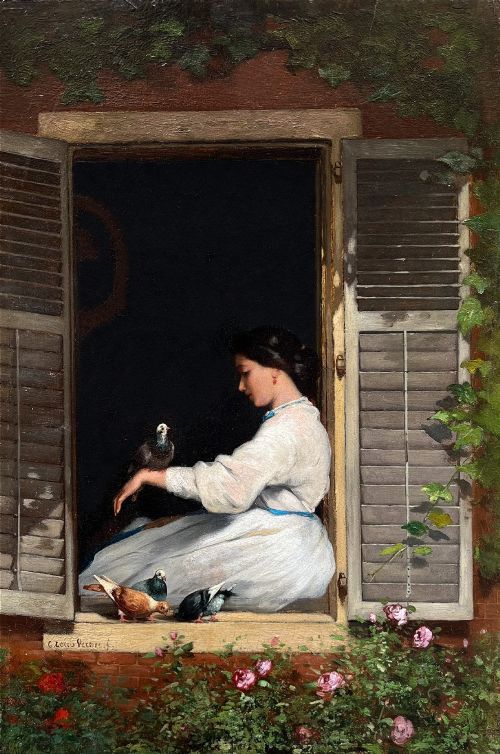
A white dress oil painting captures historical portraiture where luminous textiles define the sitter's presence, spanning centuries of canvas work.
White Dress Oil Painting
A white dress oil painting is fundamentally a historical portrait, usually depicting an individual of note rendered in oils on canvas or panel. The works captured on this page concentrate heavily on 17th-century, 18th-century, and 19th-century portraiture, showing sitters ranging from young girls to eminent society figures.
The version you are most likely to encounter here is an oil on canvas portrait from the Georgian, Regency, or Victorian eras. These canvases frequently showcase sitters draped in silk, satin, or lace, accompanied by domestic pets, books, or landscape backgrounds.
Originating largely from British and continental European schools, these paintings reflect the shifting fashions of portraiture over three hundred years. Painters focused intently on the play of light across pale fabrics, utilising contrasting blue mantles, red drapery, or coral necklaces to anchor the composition.
How They Were Made
These works were constructed using oil paint applied to stretched canvas or wooden panel surfaces. Artists built up the luminosity of the garments through careful layering, using white pigment to capture the sheen of silk, satin, and lace.
Many surviving pieces retain their original or period frames, frequently constructed from carved giltwood or embellished with gold leaf. Canvases from earlier centuries occasionally show evidence of historic relining or restoration to stabilize the fabric support.
The listings on this page span the 17th, 18th, and 19th centuries, utilising oil on canvas, oil on panel, and giltwood frames.
What Varies in Quality
Quality in these portraits rests upon the anatomical precision of the hands and face, alongside the artist's ability to render the tactile weight of textiles. Master painters distinguished themselves through the delicate handling of light on white fabrics rather than merely applying flat pigment.
The distinction between a major studio work and a provincial follower's piece lies in the psychological depth of the sitter's expression and the integration of background details. Original period framing also contributes significantly to the integrity of the surviving object.
George Willison·Thomas Beach·Nicolaes Maes·John Greenhill·Charles Jervas
The White Dress Oil Painting Glossary
- Oil on canvas
- A painting technique where pigment suspended in drying oil is applied to a woven fabric support. This method became the dominant medium for European portraiture from the Renaissance onward.
- Giltwood
- Timber that has been coated with a thin layer of gold leaf or powder. It is commonly found on the ornate frames housing 18th-century and 19th-century fine art.
- Portraiture
- The representation of a particular person through painting, capturing likeness and social status. These works often incorporate symbolic items such as books, pets, or letters.
- Canvas
- A heavy woven fabric used as a surface for oil painting. Historical pieces frequently show organic ageing, such as craquelure or old relining.
White Dress Oil Painting: Frequently Asked Questions
How do I date a portrait?
Dating relies primarily on the sitter's costume, hairstyle, and the method of canvas preparation. Fashion changes in necklines, lace collars, and gown silhouettes provide the most reliable chronological markers for historical paintings.
Secondary clues include the stretcher construction, framing style, and any artist signatures or period inscriptions on the reverse of the canvas.
Where should I hang a portrait?
These historical works suit traditional drawing rooms, studies, or hallways where lighting can be carefully controlled. Direct sunlight damages oil pigments and accelerates canvas degradation over time.
Pairing a large-scale portrait with neutral wall colours allows the rich tones of the oil paint and the giltwood frame to stand out without visual competition.
What is an English school painting?
The term denotes a work produced by artists working within the British tradition, often influenced by continental portraiture of the 17th and 18th centuries. These painters worked both in London studios and in provincial settings.
Many pieces attributed broadly to the English School reflect the prevailing portraiture conventions demanded by British patrons of the period.
Why do white dresses dominate?
White and pale fabrics allowed portrait painters to demonstrate their technical mastery over light, shadow, and texture. Silk and satin garments reflected ambient light sources, creating striking visual contrast against darker backgrounds.
Commissioners also used opulent white attire to signal wealth, as maintaining pale textiles required significant household resources.