



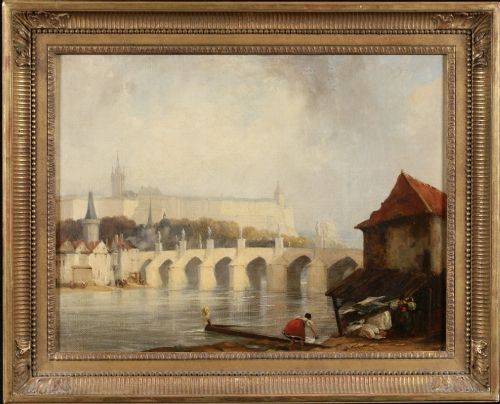
Original Georgian Artwork
Original georgian artwork brings together centuries-old paintings, watercolours and drawings that capture the refined aesthetics of past eras.
Original Georgian Artwork
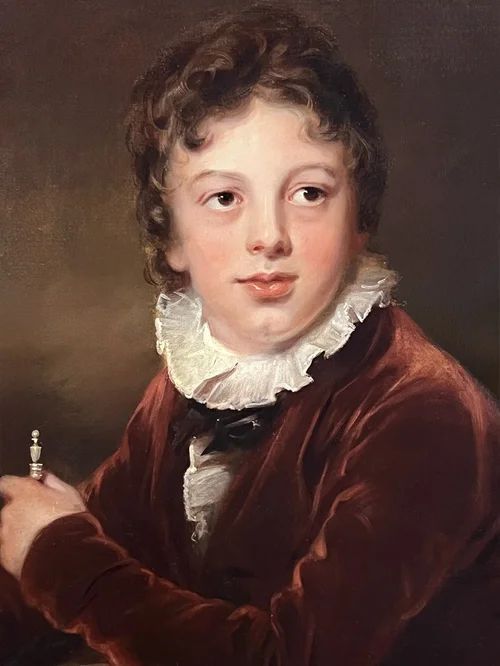
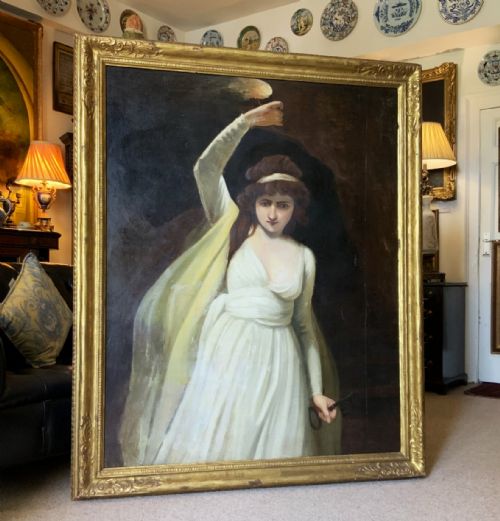
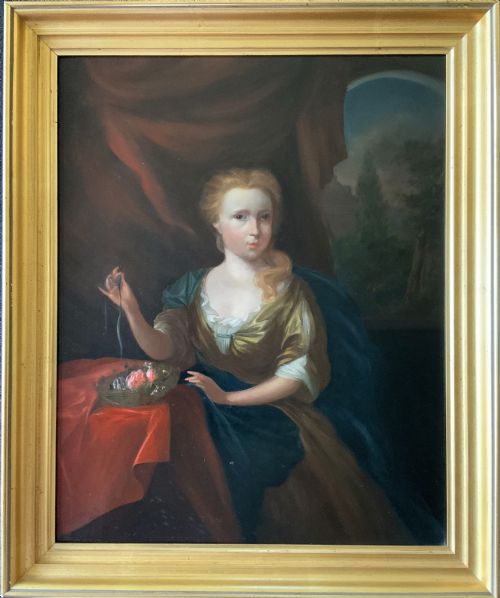
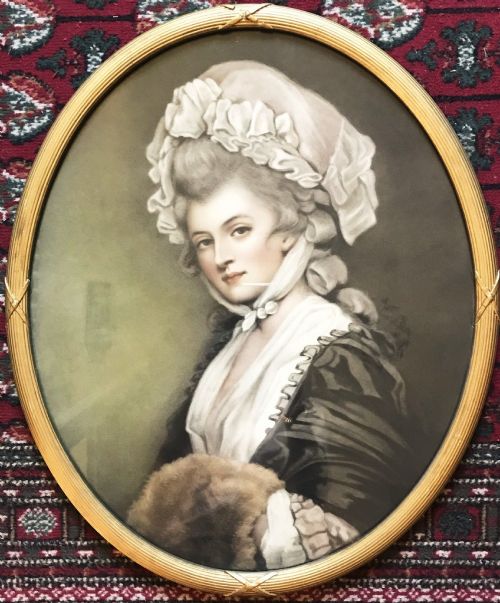
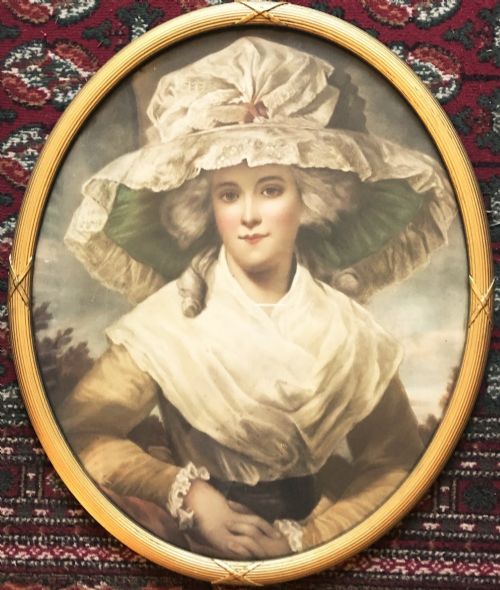
Original georgian artwork encompasses oil paintings, watercolours, sketches and engravings produced during the eighteenth and early nineteenth centuries. These pieces reflect the dominant visual culture of the period through portraits, landscapes and maritime scenes.
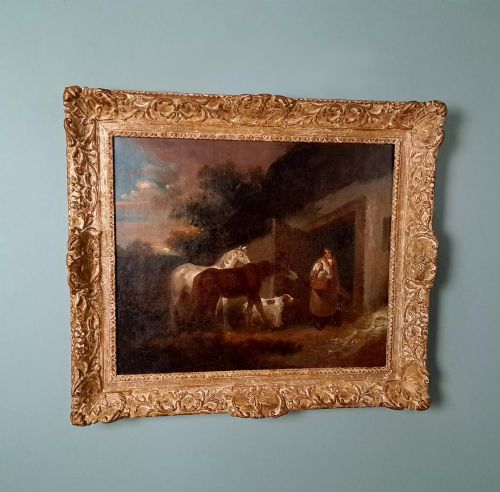
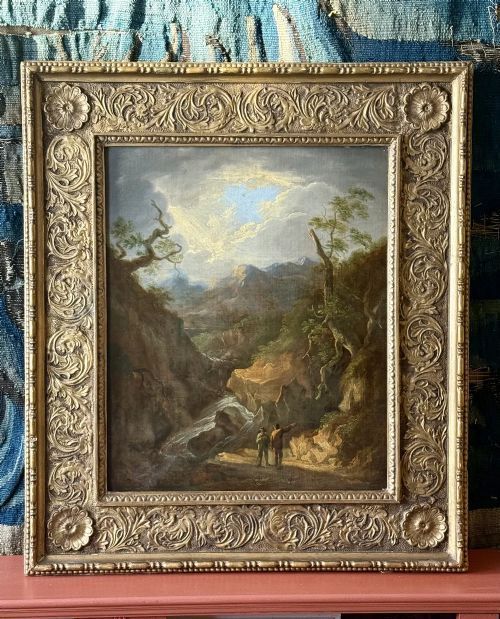
Buyers frequently encounter works executed on canvas, paper and wood panel, framed in period materials such as maple or original wood mouldings. The selection spans pastoral views, classical landscapes and detailed character studies.
The assortment includes works attributed to recognised schools as well as individual artists working within Regency and eighteenth-century styles.
Materials and techniques
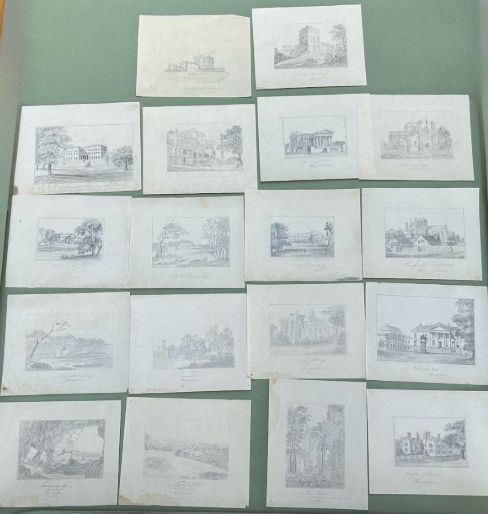
Artists of the period applied oil paint to stretched canvas or wooden boards, utilising the medium's depth to build up rich tones in portraits and landscapes. Watercolours and inks were handled on paper surfaces, often combining delicate washes with precise pen work.
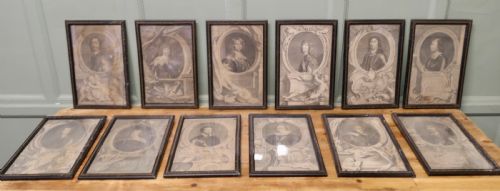
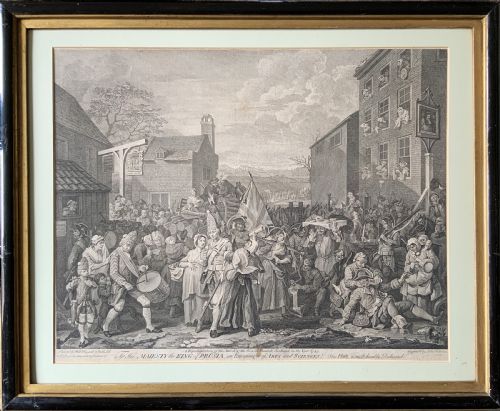
Engravings on paper recorded intricate compositions through copper or steel plates, while miniatures were rendered in watercolour directly onto ivory supports.
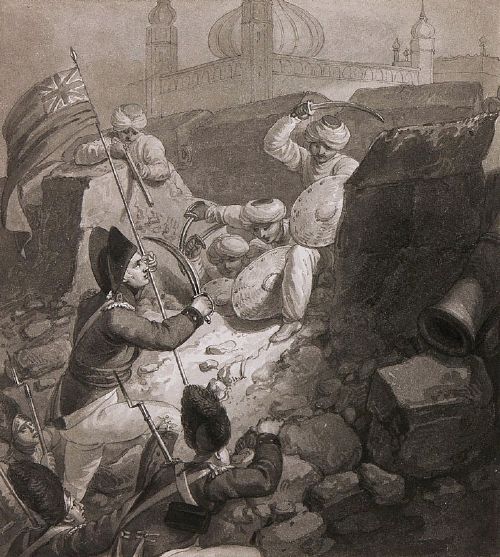
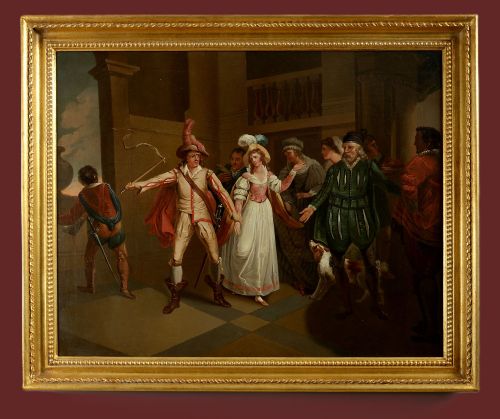
Subcategories include naval battles, architectural studies of Dublin and Prague, and domestic scenes drawn from English literature.
What varies in quality
The distinction between tiers rests upon the sureness of the draftsmanship and the retention of the original surface texture without excessive later restoration. Stronger examples display confident handling of light and perspective, particularly in landscape and portrait formats.
The integrity of the original mountings and period frames contributes to the overall coherence of a piece, separating standard examples from those preserved in exceptional condition.
William Joseph Shayer Senior·William Marshall Craig·Benjamin Barker of Bath·Margaret Sarah Carpenter·John Opie RA·William Hogarth·George Morland·John Constable·Edward Dayes·Thomas Rowlandson·John Hoppner
The Original Georgian Artwork Glossary
- Oil on canvas
- A painting technique where pigment suspended in drying oil is applied to a woven fabric support. This method allowed artists to achieve subtle tonal gradations and durable finishes.
- Watercolour
- A paint consisting of colour pigments suspended in a water-soluble vehicle, traditionally applied to paper. It permits translucent washes that capture atmospheric effects in landscape sketches.
- Engraving
- A printmaking process where an image is incised into a metal plate, which then holds ink for transfer to paper. This technique was widely used for reproducing portraits and illustrative scenes.
- Gouache
- An opaque water-based paint that includes a white pigment filler, creating a heavier and more solid appearance than standard watercolour. It was frequently utilised in picturesque landscape views.
- Regency
- The stylistic period spanning the early nineteenth century, characterised by classical influences and distinct fashions in British portraiture and interior art.
Original Georgian Artwork: Frequently Asked Questions
How do I identify a genuine period piece?
Examine the materials of the support and the framing methods used, noting the characteristic ageing of canvas, paper and pigments from the era. Period pieces often exhibit mounting techniques and backing materials consistent with eighteenth and nineteenth-century workshop practices.
Compare the handling of the subject matter against documented examples from the same artistic circle or school to verify the stylistic context.
What subjects are most common?
Landscapes, maritime battles and portraiture dominate the surviving output, reflecting the tastes of patrons during the Georgian and Regency eras. These categories include both grand oil portraits and intimate watercolour sketches.
Illustrations derived from literature and historical events also appear regularly within the available selection.
How should I care for these artworks?
Keep works on paper and canvas away from direct sunlight and excessive humidity to prevent fading and degradation of organic materials. Stable indoor temperatures preserve the integrity of both the paint layer and the historic frame.
Consult a professional conservator before attempting any cleaning or stabilization of vulnerable surfaces.
What is the difference between an oil and a watercolour?
Oils utilise slow-drying paint on canvas or wood panels, yielding deep colours and heavy textures that suited formal portraiture and large scenes. Watercolours employ water-soluble pigments on paper, producing lighter, translucent effects ideal for topographical and landscape studies.
Each medium required distinct preservation approaches due to the differing sensitivities of paper and canvas.