


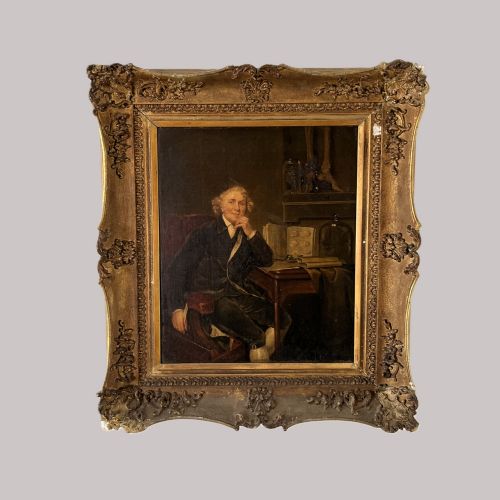

Georgian Portraiture Canvas
Georgian portraiture canvas offers a direct encounter with 18th-century and Regency sitters painted in oil on canvas.
Georgian Portraiture Canvas
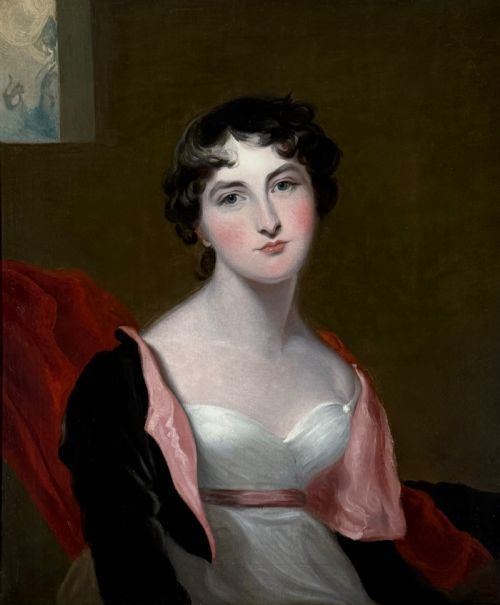
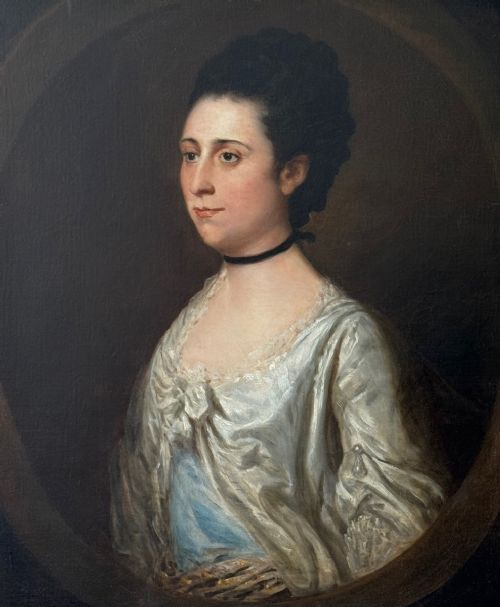
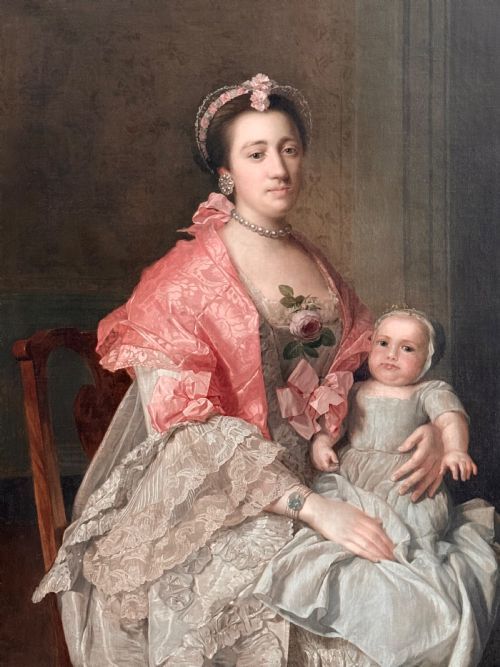
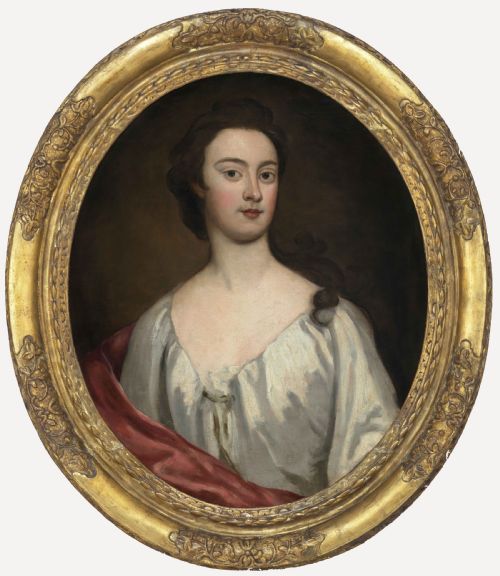
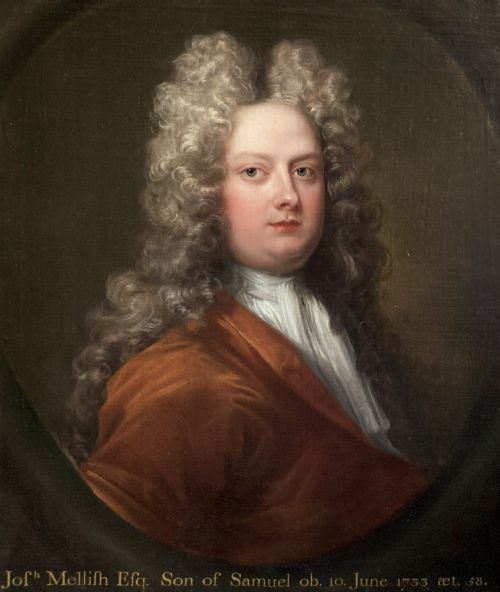
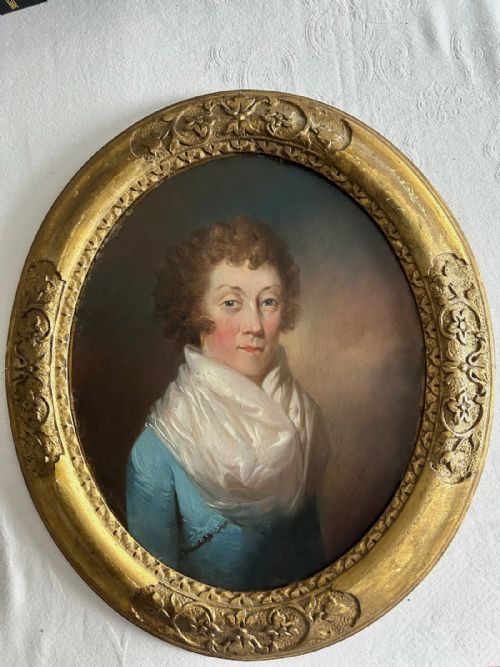
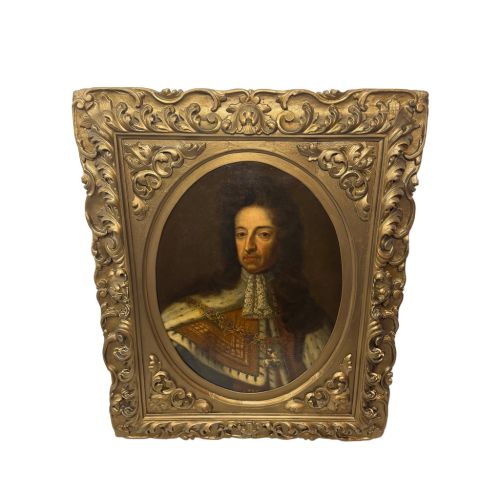
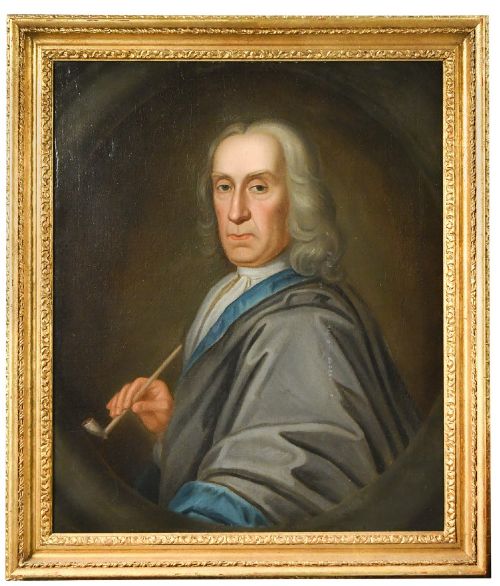
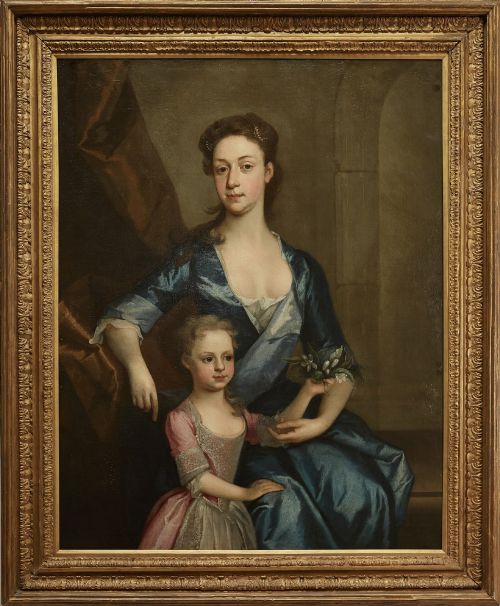
When a buyer searches for a georgian portraiture canvas, they are looking at oil paintings depicting named or anonymous sitters from the eighteenth century and the Regency period. These works originate predominantly from the English School and European workshops, capturing gentlemen, ladies, and children.
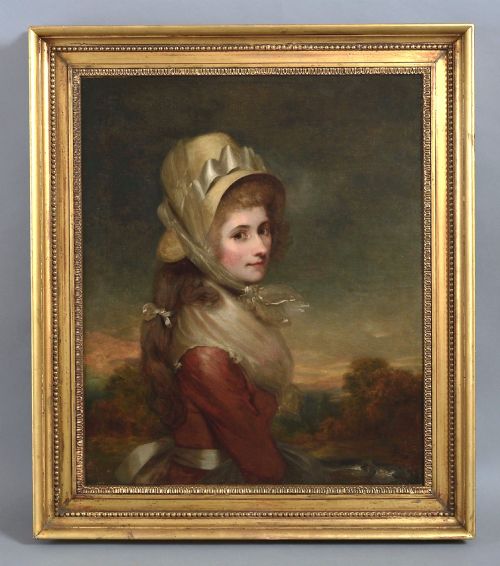
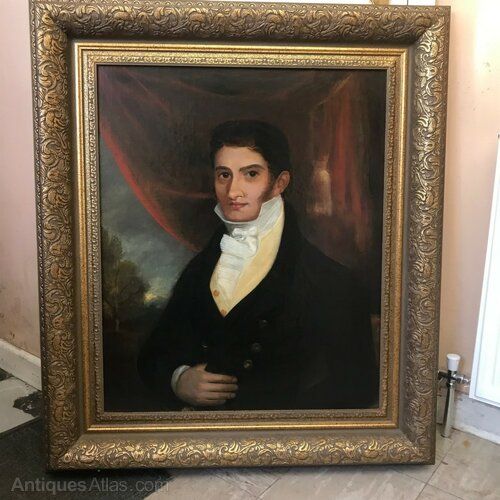
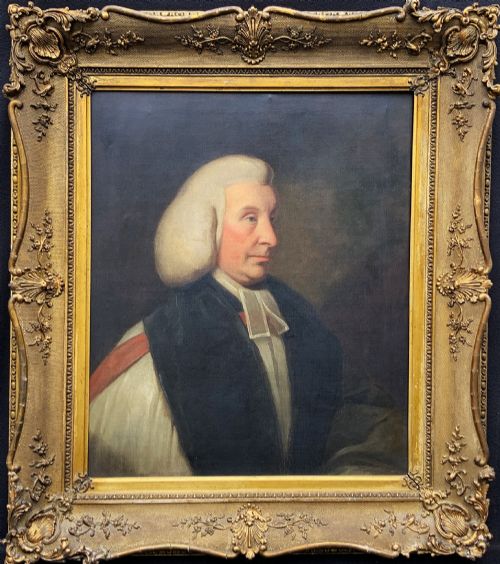
The most common pieces met on this page belong to the eighteenth century, alongside Regency and early nineteenth-century examples. Subjects range from seated ladies and young girls in hats to military captains, clergymen, and notable gentlemen.
Many works arrive housed in their period giltwood and gesso frames, maintaining the combination of canvas, wood, and oil paint established by the original makers.
Materials and technique
These works utilise oil paint applied to stretched canvas surfaces, supported by wooden stretchers and frequently framed in carved giltwood and gesso. Pigments were mixed by hand using oils, capturing fine details in dress, from silk fabrics to lace and pearls.
Several young sitters appear accompanied by their childhood pets, including a dog and a lamb.
Distinctions in quality
Quality rests on the skill of the brushwork and the accuracy of the likeness, separating accomplished studio output from more formulaic trade painting. The rendering of textiles, hands, and facial expression reveals the hand of a trained portraitist.
The survival of the original giltwood frame and the stability of the canvas surface contribute significantly to the standing of a piece.
Charles Jervas·Sir Martin Archer Shee·Thomas Beach·Sir Allan Ramsay·Joseph Highmore·John Hamilton Mortimer·Thomas Gainsborough·Tilly Kettle·Richard Cosway·George Romney·Sir Thomas Lawrence·Robert Byng·Enoch Seeman·Andrea Soldi
The Georgian Portraiture Canvas Glossary
- Giltwood
- Wood carved and covered with a thin layer of gold leaf. This material is standard for period frames enclosing these works.
- Gesso
- A plaster mixture applied to wood or canvas as a base for painting or gilding. It provides a smooth ground for the surface decoration.
- English School
- A classification for works produced by artists working in Britain sharing stylistic traits. It groups domestic portraiture from the Georgian eras.
- Oil on canvas
- Pigment bound in oil medium applied to a woven fabric support. This combination forms the primary medium for these portraits.
Georgian Portraiture Canvas: Frequently Asked Questions
How should I hang these portraits?
Display these works on interior walls away from direct sunlight and fluctuating heat sources to protect the canvas and oil paint.
Ensure the wall fixings are secure enough to support the weight of both the canvas and the heavy giltwood frames.
Were these painted from life?
Many portraits were commissioned directly by the sitter or their family, requiring sittings in the artist's studio.
Others, particularly posthumous works or copies after masters like Sir Thomas Lawrence, were executed from existing likenesses.
How do I identify the sitter?
Identification relies upon inscriptions on the canvas, stretcher bars, or accompanying documentation handed down with the piece.
Unnamed sitters are frequently catalogued by their dress, approximate date, and clues within the composition such as a letter or a prop.
What frames belong with these pieces?
Period frames are typically constructed from wood finished with gesso and gold leaf, often featuring decorative moulding suited to the Georgian or Regency eras.
Original frames enhance the context of the painting, though many works have been reframed over the centuries.