

British Portraiture Canvas
British portraiture canvas selections span centuries of oil painting traditions, offering collectors historic likenesses executed by notable studios and schools.
British Portraiture Canvas
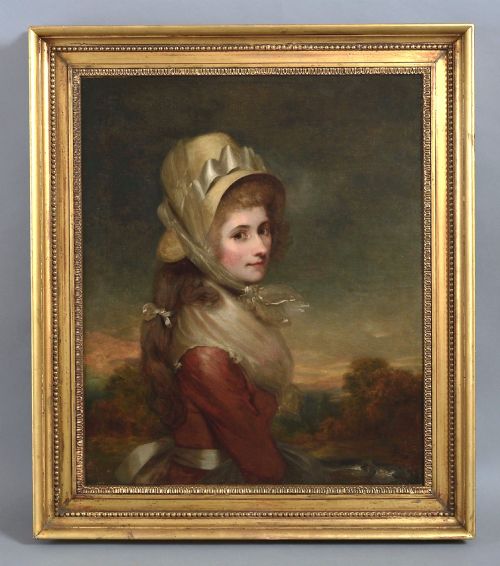
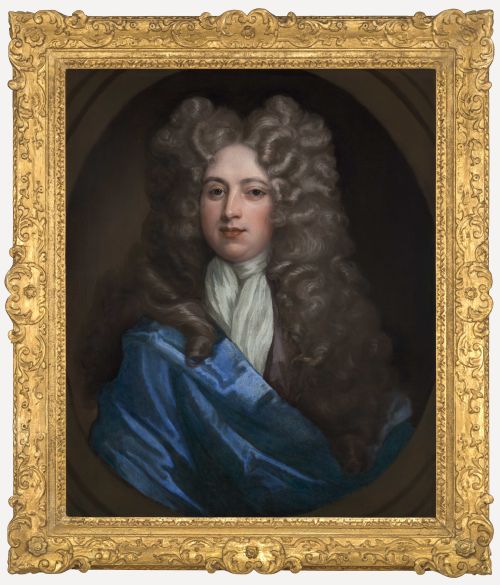
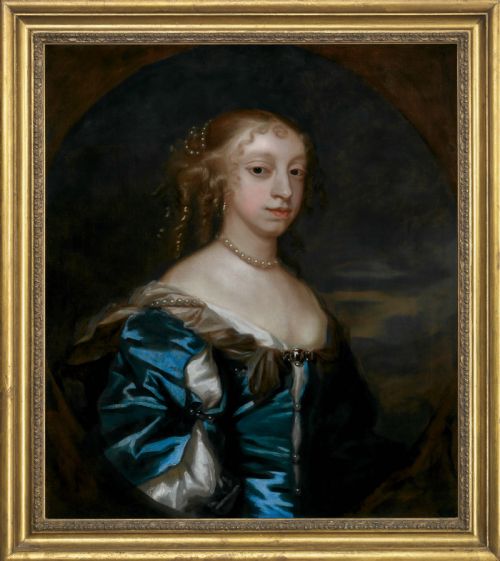
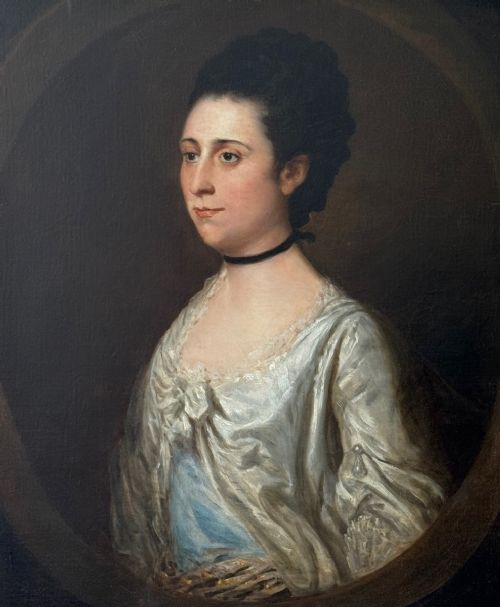
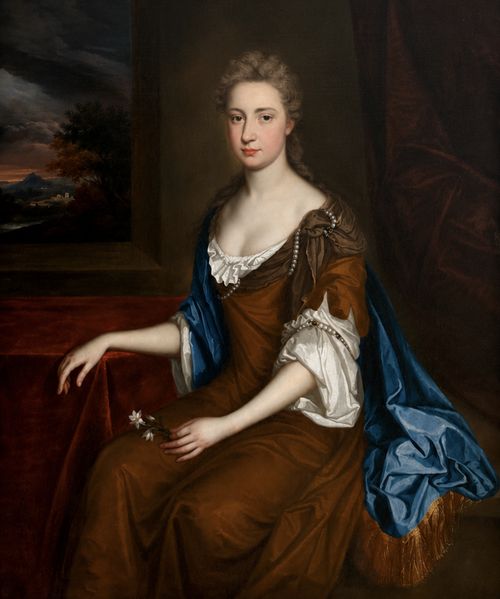
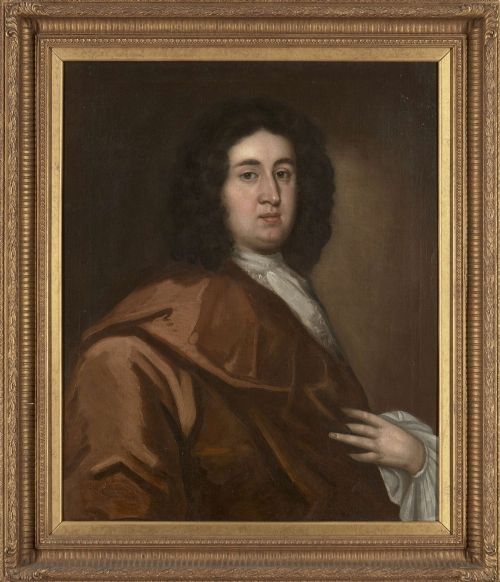
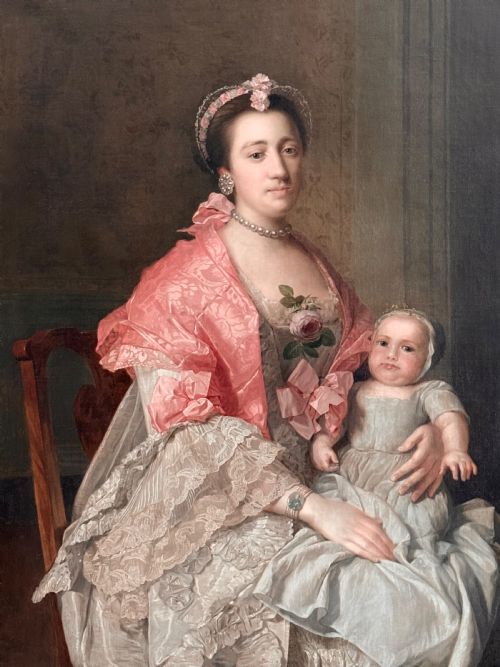
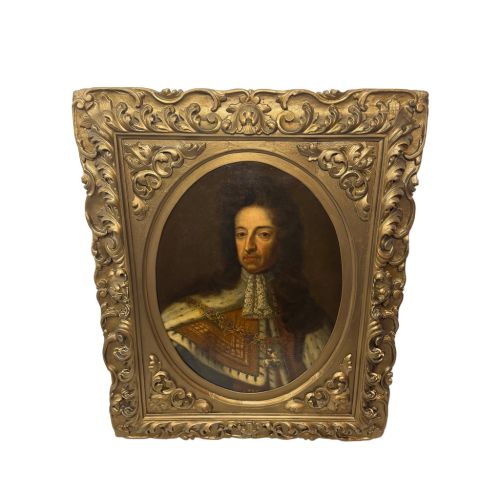
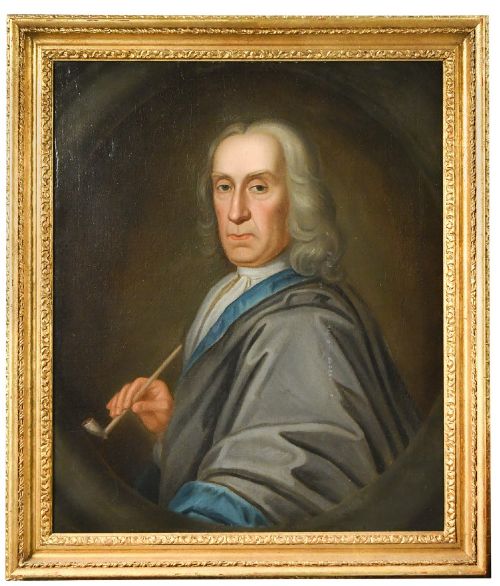
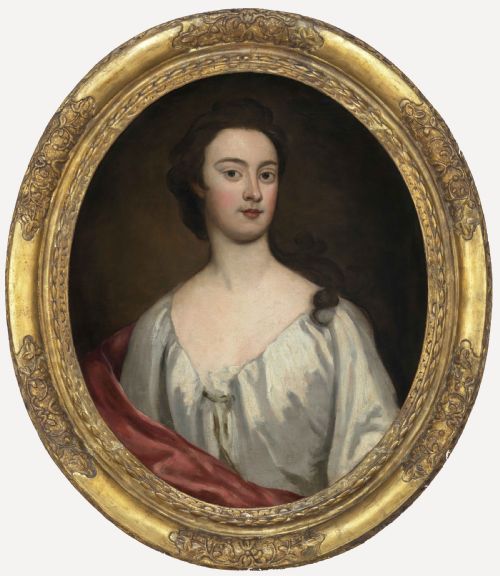
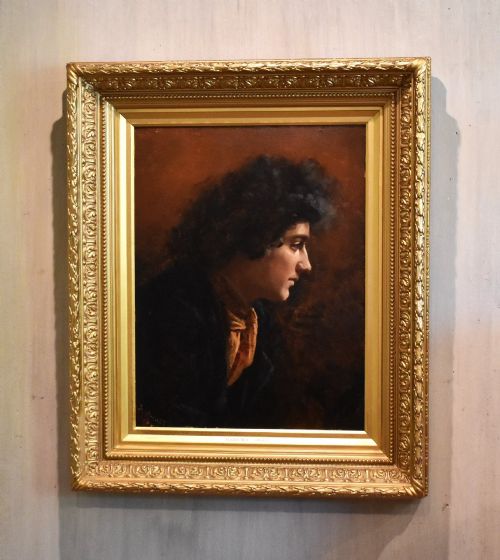
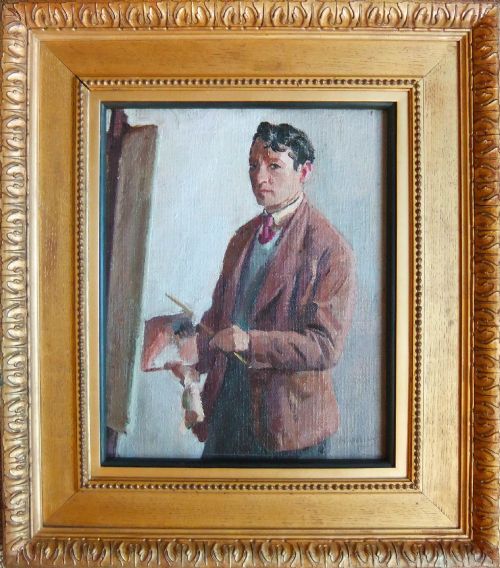
A british portraiture canvas captures the likeness of historical figures, nobility, and everyday sitters across several centuries. The selections on this page range from seventeenth-century Baroque works to twentieth-century realist and modern pieces.
Buyers will encounter oil paintings originating from diverse periods including the Georgian, Victorian, and Regency eras. These canvases document changing fashions, social hierarchies, and artistic conventions in British portrait painting.
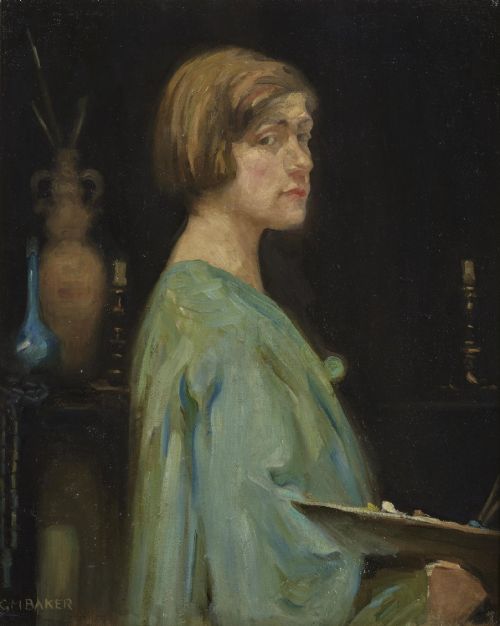
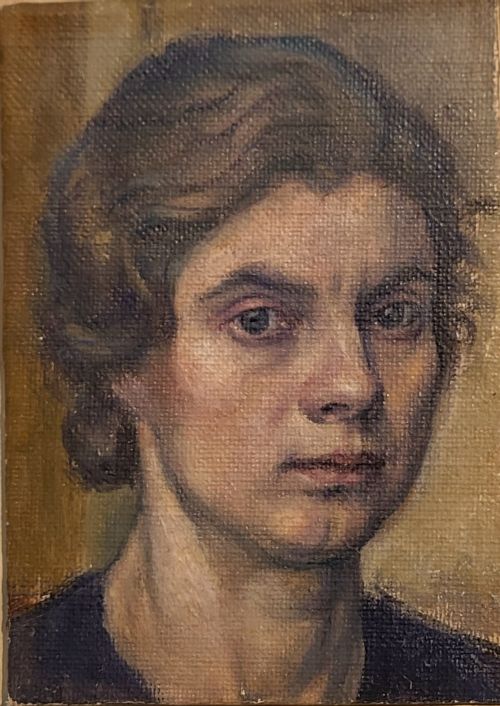
Subjects vary from titled aristocrats and monarchs to children, military officers, and self-portraits by the artists themselves. Many pieces arrive housed in their original or period-appropriate frames.
Materials and construction
The works utilise oil paint applied to woven canvas supports, a foundational technique for traditional European portraiture. Artists built up layers of pigment to achieve depth in skin tones, textiles, and background details.
Many canvases are mounted within wooden frames enhanced with gesso and giltwood details. These frames often reflect the decorative styles contemporary to the creation of the portrait itself.
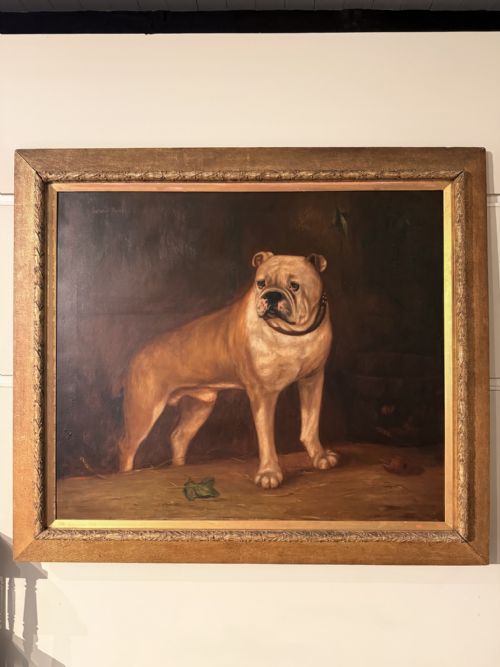
Several canine companions make unexpected appearances, sharing the canvas alongside their eighteenth and nineteenth-century owners.
Distinctions in craftsmanship
The preservation of the original canvas and paint layers influences the standing of a piece. Works retaining their initial character without excessive overpaint demonstrate superior historical integrity.
Sir Martin Archer Shee·Thomas Murray·John Closterman·Sir Allan Ramsay·Jeremiah Davison·Florence Small·Philip Naviasky·John Greenhill·Sir Godfrey Kneller·Robert More·Charles Sillem Lidderdale·Enoch Seeman·Frank Owen Salisbury·Thomas Robson·Richard Cosway·George Romney
The British Portraiture Canvas Glossary
- Baroque
- A European style of art spanning the seventeenth and early eighteenth centuries characterised by drama, deep shadow, and rich detail. Portraits from this period often display theatrical drapery and intense lighting.
- Gesso
- A plaster-like mixture applied to wooden frames as a base before gilding or painting. It provides a smooth surface for intricate moulded ornamentation.
- Giltwood
- Wood that has been covered with a thin layer of gold leaf or gold paint. This material is standard for formal historic picture frames.
- Oil on Canvas
- A painting medium where pigments are suspended in drying oils and applied to a stretched fabric support. This combination allows for rich blending and longevity.
- Studio of
- A designation indicating a work produced by assistants or pupils under the supervision of a master artist. Such pieces closely follow the master's style and composition.
British Portraiture Canvas: Frequently Asked Questions
How do I identify the period of a portrait?
Examination of the sitter's clothing, hairstyle, and framing materials often reveals the era of creation. Comparing these elements with established historical fashions provides a reliable guide.
Signatures, inscriptions on the reverse, and stylistic conventions associated with particular centuries further confirm the date.
What is the difference between an artist's studio and a follower?
A studio work is typically produced under the direct supervision of a master artist, incorporating their methods and designs. Pieces by followers are created later by artists inspired by that master's style.
Both categories offer historic quality, but studio pieces maintain a direct link to the primary workshop.
How should I care for an oil painting on canvas?
Keep the canvas away from direct sunlight, extreme temperature shifts, and high humidity to prevent warping and pigment degradation. Gentle dusting with a soft, dry brush maintains the surface.
Avoid using water or liquid cleaners on the paint or gilt frame.
Why do some portraits include coats of arms?
Heraldic symbols and coats of arms indicate the lineage, social rank, or specific achievements of the sitter. These additions were common in formal British portraiture to document nobility and family heritage.
Researchers can often trace the exact genealogy of the subject through these painted emblems.