
Antique Country House Painting
These antique country house paintings capture domestic estates, parklands and interiors across centuries, offering a tangible window into historic British life.
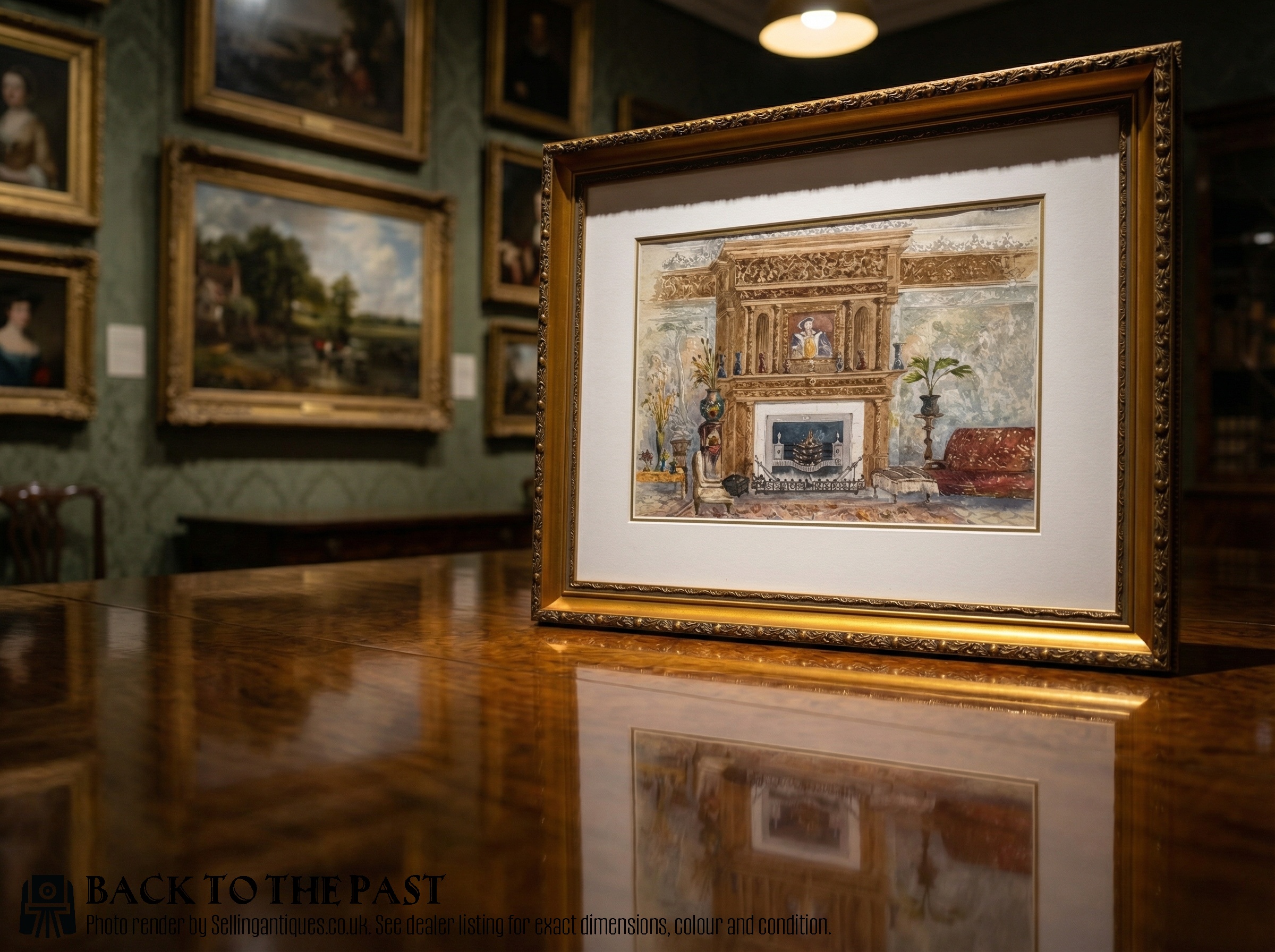
Antique Country House Painting
An antique country house painting depicts the grand estates, expansive parklands, gardens and detailed interiors of historic British properties. These works record the physical surroundings and lifestyle associated with aristocratic and landed seats.
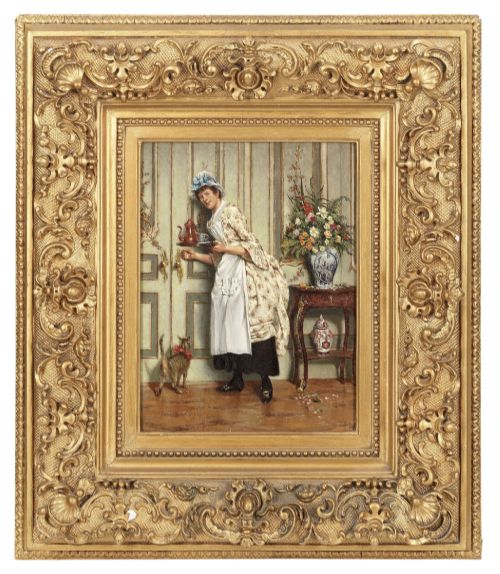
The pieces on this page span the eighteenth and nineteenth centuries, taking the form of oil on canvas, pastel, gouache and watercolour. Buyers encounter everything from intimate interior scenes of long galleries to sweeping landscape views featuring deer and architecture.
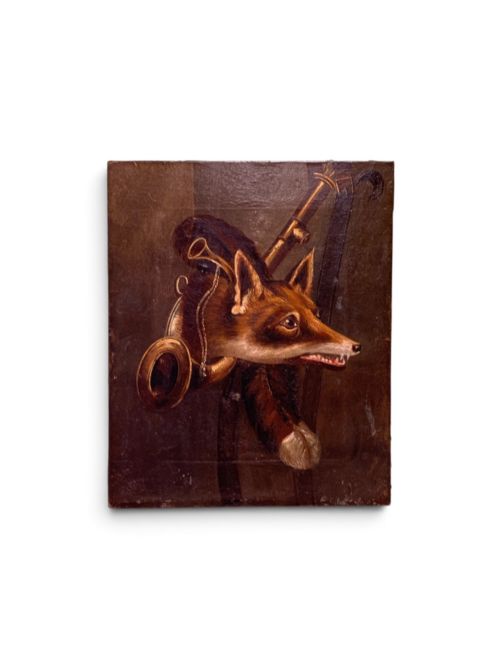
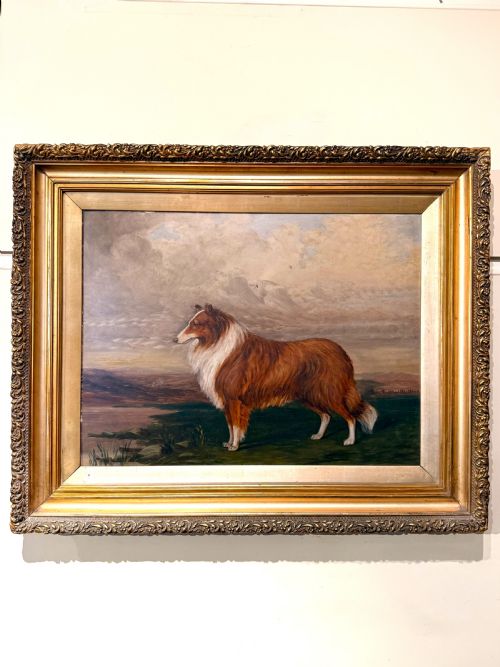
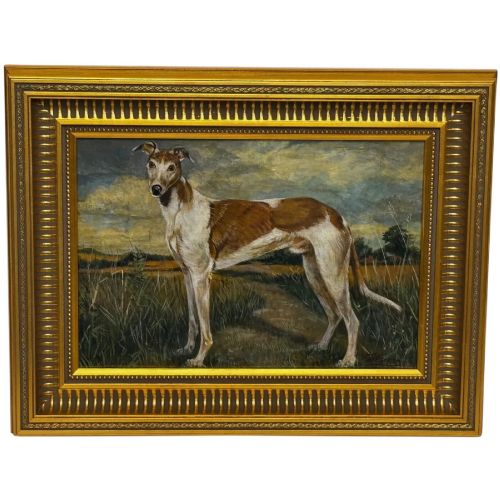
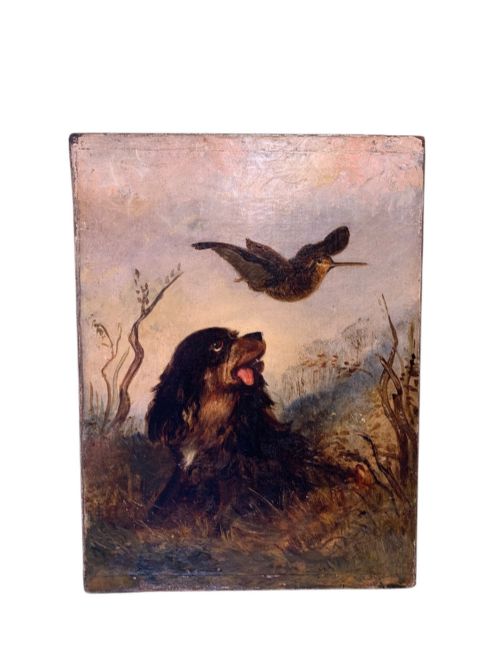
Early examples include eighteenth-century portraits and views dated near seventeen-ninety-five, alongside robust nineteenth-century primitive and naïve interpretations. Victorian works frequently present terrier dogs or expansive Dartmoor and Exmoor vistas.
Materials and execution
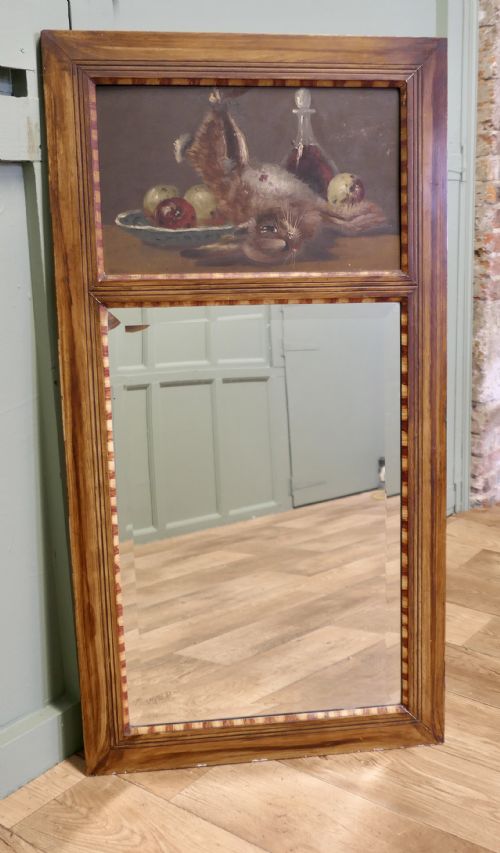
Artists relied primarily on oil on canvas for substantial landscapes and portraits, while watercolours, pastels and gouache captured lighter topographical and architectural studies on paper. Frames typically incorporate wood and gilt or giltwood to complement the domestic setting.
Execution ranges from fine academic oil painting by named artists to spirited primitive and naïve art created by anonymous hands. Support materials vary from stretched canvas to heavy paper sheets housed beneath protective glazing.
Antique Country House Painting Retail Price Guide 2026
Typical asking prices for country house painting among the pieces listed under this phrase on Sellingantiques today, from the lower quarter to the upper quarter. They describe what is for sale here now, not the wider market.
Current listings and archives combine Victorian, nineteenth-century, and eighteenth-century periods across oil, watercolour, pastel, and gouache mediums.
Separating the ordinary from the exceptional
Quality rests on the precision of architectural rendering, the naturalism of figures and animals, and the atmospheric depth of the surrounding landscape or interior space. Finer examples command attention through confident brushwork and balanced composition.
The presence of documented authorship by established nineteenth-century artists elevates a work beyond standard topographical record. Conversely, anonymous primitive works derive their appeal from charming directness rather than academic proportion.
Joseph Knight·Edward Armfield·Thomas Gibson·Alfred Walter Williams
The Antique Country House Painting Glossary
- Giltwood
- Carved wood treated with gold leaf or gilt preparation to create a bright, reflective frame surface. This finish frequently frames nineteenth-century oils and watercolours.
- Gouache
- An opaque water-based paint medium that provides dense colour blocks and highlights in works on paper. It often appears alongside watercolour in nineteenth-century landscape depictions.
- Primitive / Naive Art
- A stylistic category describing works created outside academic traditions, marked by flat perspective and honest directness. These pieces often date from the nineteenth century.
- Topography
- The detailed mapping and representation of specific geographic locations, estates or buildings. Country house paintings rely heavily on accurate topographical rendering.
Antique Country House Painting: Frequently Asked Questions
What subjects do these paintings show?
The artworks depict historic British estates, expansive parklands, gardens, and interior spaces such as long galleries and chimneypieces. Many incorporate figures, deer, and local wildlife within the grounds.
Others focus on architectural studies of specific country houses and surrounding regional landscapes in Devon, Exmoor, and Yorkshire.
How do I date an antique painting?
Dating relies on stylistic clues, framing materials, and inscribed dates recorded on the canvas, paper, or reverse of the work. Eighteenth-century pieces often display formal portraiture or early topographical watercolours.
Nineteenth-century examples shift towards more varied mediums like gouache and pastel, alongside Victorian oil paintings depicting dogs and rural vistas.
Are these paintings executed in oil?
While oil on canvas forms a significant portion of the works, many examples utilise watercolour, pastel, or gouache on paper support. Each medium offers a distinct visual texture suited to the artist's intended atmosphere.
Watercolours and pastels provide lighter, immediate topographical records, whereas oils deliver rich depth for interior scenes and grand landscapes.
Where should I hang these works?
These paintings suit traditional domestic interiors, studies, and hallways where their heritage subject matter complements period architecture and antique furniture. They should be positioned away from direct sunlight to protect vulnerable watercolours and paper supports.
Ensure frames featuring giltwood are hung securely using appropriate fixings given the substantial weight of larger canvases and framed works.