



Framed Pastel Landscape Artwork
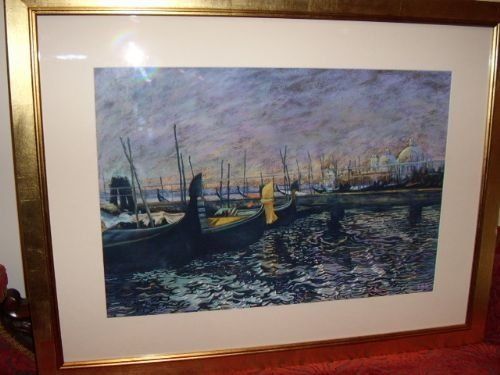
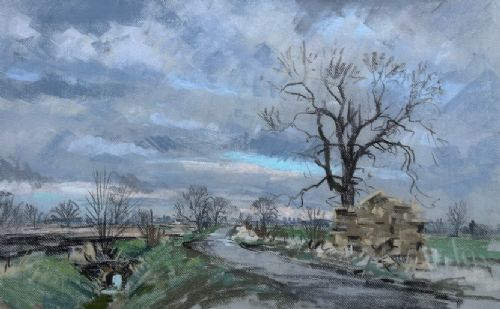
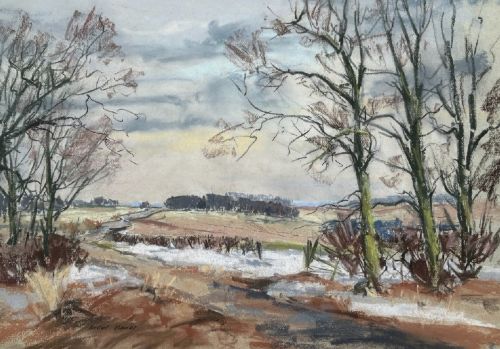
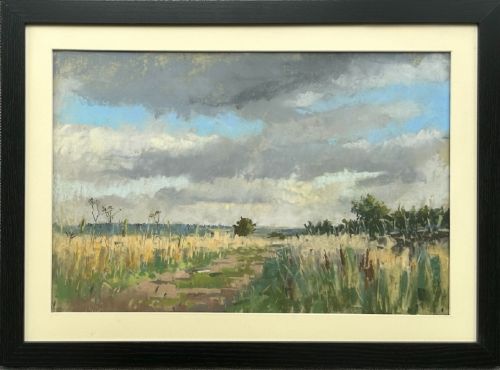
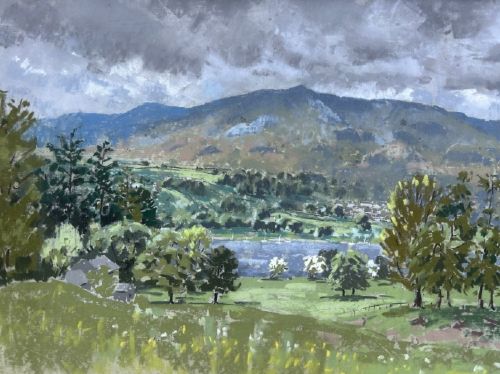
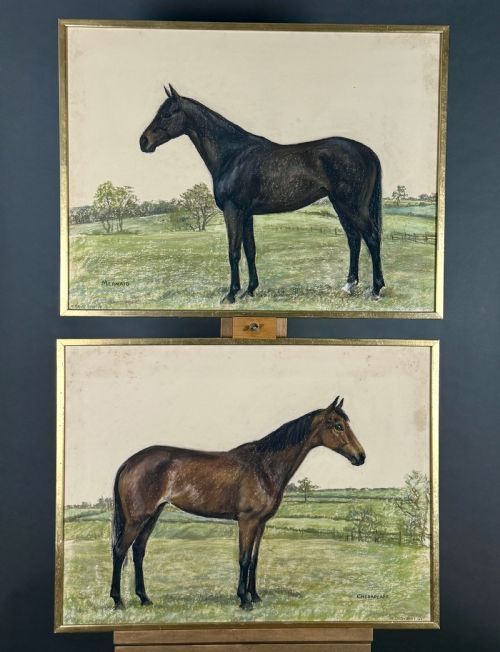
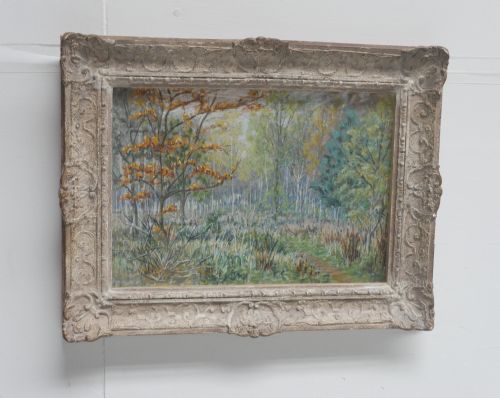
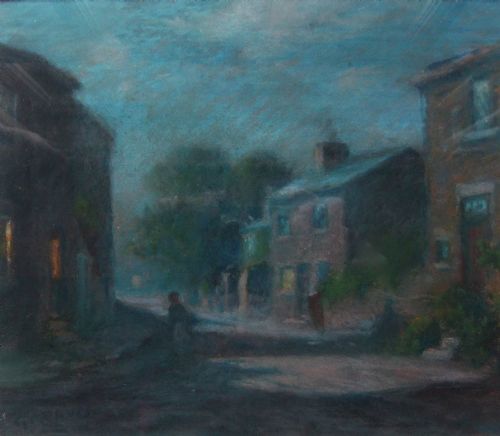
These framed pastel landscape artwork selections capture atmospheric rural views and coastal harbours, bringing tactile nineteenth and twentieth-century charm to interior walls.
Framed Pastel Landscape Artwork
A framed pastel landscape artwork centres on works executed in dry pigment on paper, frequently capturing natural scenery such as woodland scenes, rivers, and coastal harbours. The selection spans periods from the Edwardian era through the mid twentieth century, encompassing British Impressionism and the English School.
Buyers encounter subjects ranging from tranquil Devon and Exmoor expanses to Mediterranean street scenes and Cornish harbours. These pieces demonstrate how artists utilised chalky pigments to render soft light and atmospheric effects across rural and marine views.
Materials and technique
The primary medium involves pastel applied to paper, occasionally combined with gouache or watercolour to build depth and contrast. Pastel technique relies on pure pigment sticks that create velvety textures and subtle tonal gradations without the use of fluid binders.
Finished works are typically housed behind glass within wood or gilt wood frames to protect the delicate chalk surface from disturbance and environmental moisture. The framing materials reflect the period of creation, securing the paper substrate against the glazing.
Listings feature works created across the Edwardian era, the nineteenth century, and several decades of the twentieth century up to nineteen sixty.
Distinctions in quality
Quality rests in the assured handling of light and atmospheric perspective, where pigment is layered to create convincing depth within the landscape. Superior examples demonstrate a confident control of tone and colour harmony that brings immediacy to the natural scene.
The preservation of the dry pigment beneath the glass determines the visual integrity of the piece over time. Finer works retain their original vibrancy and are complemented by period-appropriate framing that preserves the physical context of the artwork.
Joseph Knight·William Greaves·Gyrth Russell·John Hobson Nicholson·Berthe des Clayes·John Abernethy Lynas-Gray·Henry Wimbush·Walter Holmes·Bertouch·Lamorna Birch·Henry Bright
The Framed Pastel Landscape Artwork Glossary
- Pastel
- A dry painting medium consisting of powdered pigment and a binder rolled into sticks. It allows artists to apply rich colour directly to paper with immediate tonal results.
- Gouache
- An opaque water-based paint often used alongside pastels to add highlights and solid areas of colour. This technique strengthens specific details within a landscape composition.
- Gilt wood
- Wood framing treated with a thin layer of gold leaf or metallic gilt finish. It provides a reflective border that enhances the colours of the artwork within.
- Impressionism
- An art movement focused on capturing the transient effects of light and atmosphere through visible brushwork or pigment marks. This style informs many of the rural and marine views found here.
Framed Pastel Landscape Artwork: Frequently Asked Questions
How should I hang pastel art?
Hang these pieces away from direct sunlight to prevent the dry pigment from fading over time. Consistent indoor temperatures protect the paper substrate from humidity and environmental damage.
Ensure the frame is securely fixed to the wall using appropriate fixings to support the weight of the wood and glass components.
What periods do these artworks represent?
The selection spans from the Victorian and Edwardian periods through the mid twentieth century, including works from the nineteen fifties and sixties. These dates reflect various movements such as British Impressionism and the English School.
Each period brings distinct stylistic approaches to landscape representation, ranging from traditional topographical views to more atmospheric colourist interpretations.
Are these works painted on canvas?
Pastel artworks are executed on paper rather than canvas, utilising the textured surface to grip the dry pigment particles. This paper support distinguishes them from oil paintings of the same eras.
Glazing with glass is essential for these paper-based works to shield the fragile chalk surface from accidental contact and dust.
How do I identify different landscape styles?
Observe the brushwork and treatment of light to distinguish between traditional English School topography and later Impressionist approaches. Earlier nineteenth-century works often emphasise detailed draughtsmanship, while mid century pieces focus on atmospheric colour.
Subject matter also provides clues, with coastal harbours and rural river scenes reflecting the prevailing preferences of British and European artists during specific decades.