



19th Century Architectural Painting
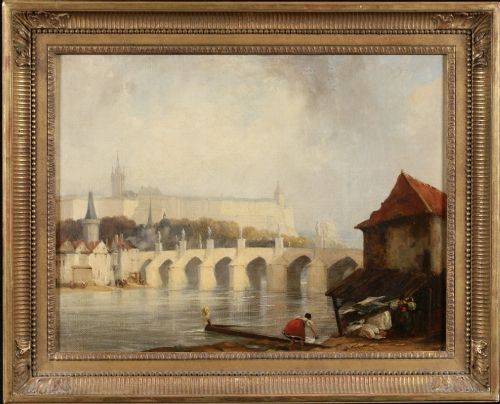
These 19th century architectural painting works capture historic buildings, grand cathedrals and classical ruins, offering a scholarly view of past urban spaces.
19th Century Architectural Painting
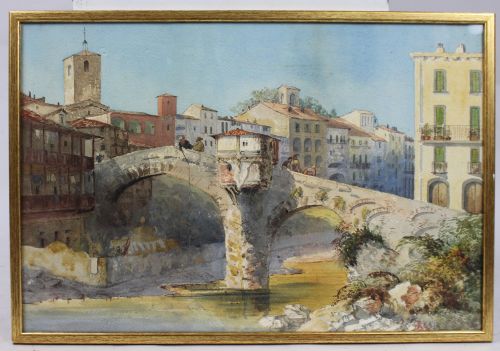
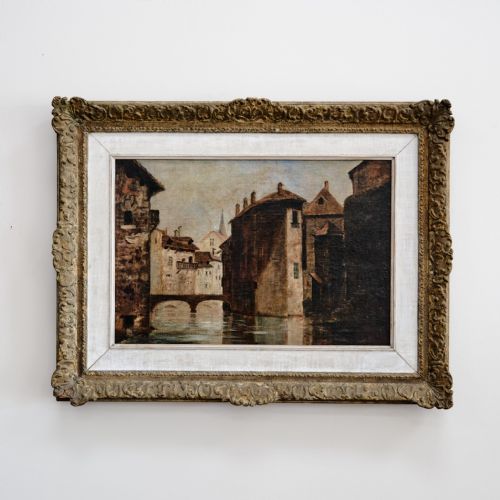
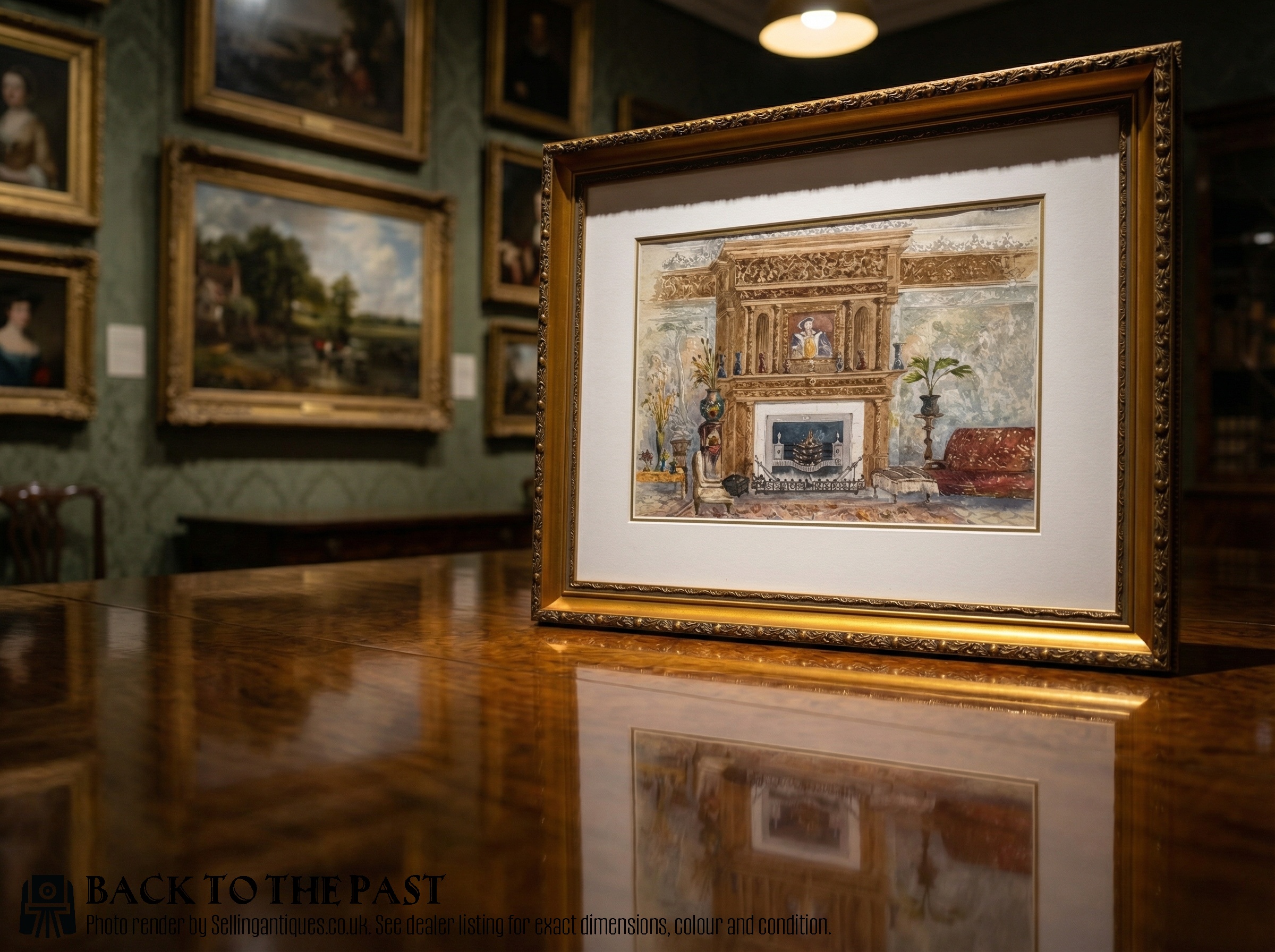
A 19th century architectural painting encompasses detailed watercolours and oil paintings depicting historic townscapes, cathedral interiors, and classical ruins. These works range from small topographical studies to large canvases portraying European landmarks.
The selections span periods such as the Georgian and Victorian eras, drawing heavily on Romanticism and Grand Tour traditions. Buyers frequently encounter depictions of Italian cathedrals, English town scenes, and classical Roman monuments.
Works on this page include signed watercolours and oil on canvas pieces by named artists recording specific buildings. The subjects stretch from Czech bridges to French streets, reflecting a nineteenth-century fascination with structural design and topography.
How these works were produced
Painters applied oil on canvas or watercolour to paper, employing fine brushes to render intricate stonework and perspective. Many works utilise a careful palette of earth tones to capture the texture of stone, brick, and mortar.
Framing often involves gesso and gold leaf or giltwood, framing the painted structures with period ornamentation. Support materials range from stretched canvas to board and thick watercolour paper, depending on the artist's medium.
Several artists clearly braved chilly European cathedral interiors just to capture the exact slant of morning light across a tomb.
Variations in quality
The execution of perspective and spatial depth separates standard topographical records from masterworks. Skilled hands render the intricate shadows of masonry and the precise geometry of arches with convincing realism.
Provenance and documentation elevate certain pieces, particularly those bearing legible signatures, dates, or known connections to the Grand Tour. The handling of atmospheric light and the condition of the original paint layer determine overall artistic standing.
Cornelis Christian Dommersen·Frederick Tully Lott·William George Meadows·Lewis J Wood·Karl Herrle·Armand Guillaumin
The 19th Century Architectural Painting Glossary
- Grand Tour
- A traditional trip of Europe undertaken by upper-class European young men of sufficient means flourished in the 18th and 19th centuries.
- Watercolour Painting
- Artworks executed with water-soluble pigments on paper, favoured for topographical and architectural studies during the nineteenth century.
- Romanticism
- An artistic and intellectual movement originating in Europe toward the end of the 18th century that emphasised emotion and individualism.
- Oil on Canvas
- A painting medium where pigments are suspended in a drying oil, applied to a stretched cloth surface common in period townscapes.
- Giltwood
- Wood carved and prepared with a thin layer of gold leaf, frequently utilised for period frames surrounding these artworks.
19th Century Architectural Painting: Frequently Asked Questions
Where were these paintings displayed?
Nineteenth-century owners typically hung these works in libraries, drawing rooms, and studies to signal cultural learning and travel.
They served as conversation pieces that reflected the educated tastes of the household.
How do I care for these paintings?
Keep works on paper and canvas away from direct sunlight to prevent the fading of watercolours and oil pigments.
Maintain stable indoor humidity levels to protect the wooden frames and the structural integrity of the canvas.
What subjects are most common?
Cathedrals, street scenes, and classical ruins dominate the visual record, reflecting the era's preoccupation with history.
Artists frequently recorded specific European monuments encountered during travels through Italy, France, and Germany.
How do I identify the period?
Examine the framing materials, paper stamps, and canvas types alongside any handwritten signatures or dates on the reverse.
Stylistic markers such as Victorian realism or Romantic atmospheric lighting offer further chronological clues.