

Gold Framed Watercolour Artwork
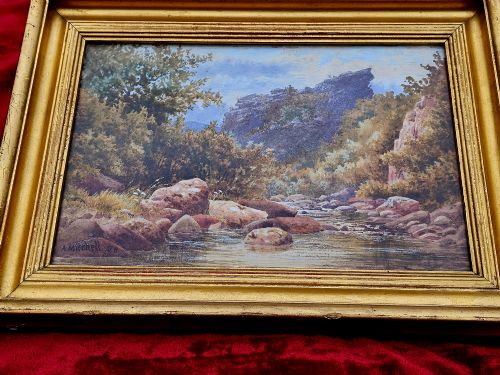
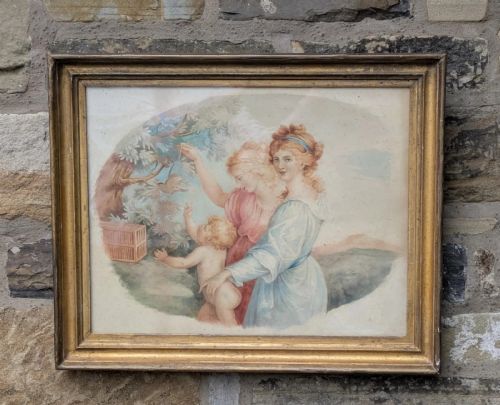
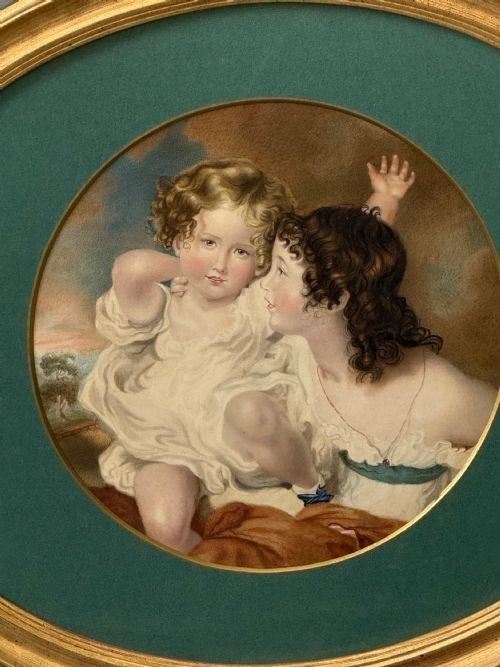
Gold framed watercolour artwork brings together delicate pigment on paper and the warm, reflective border of period wooden moulding.
Gold Framed Watercolour Artwork
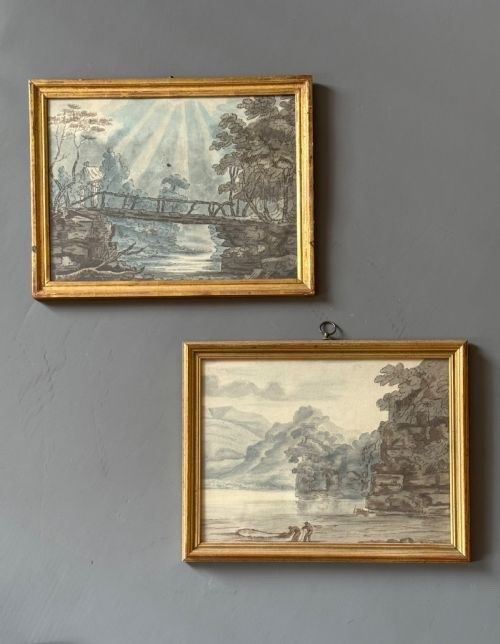
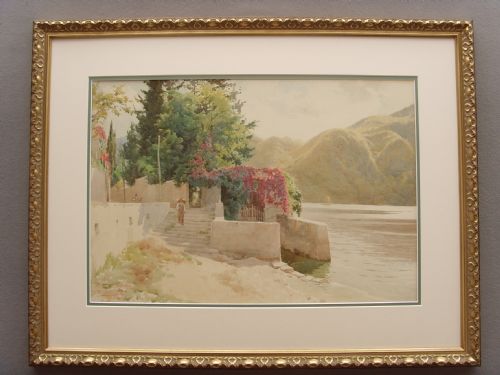
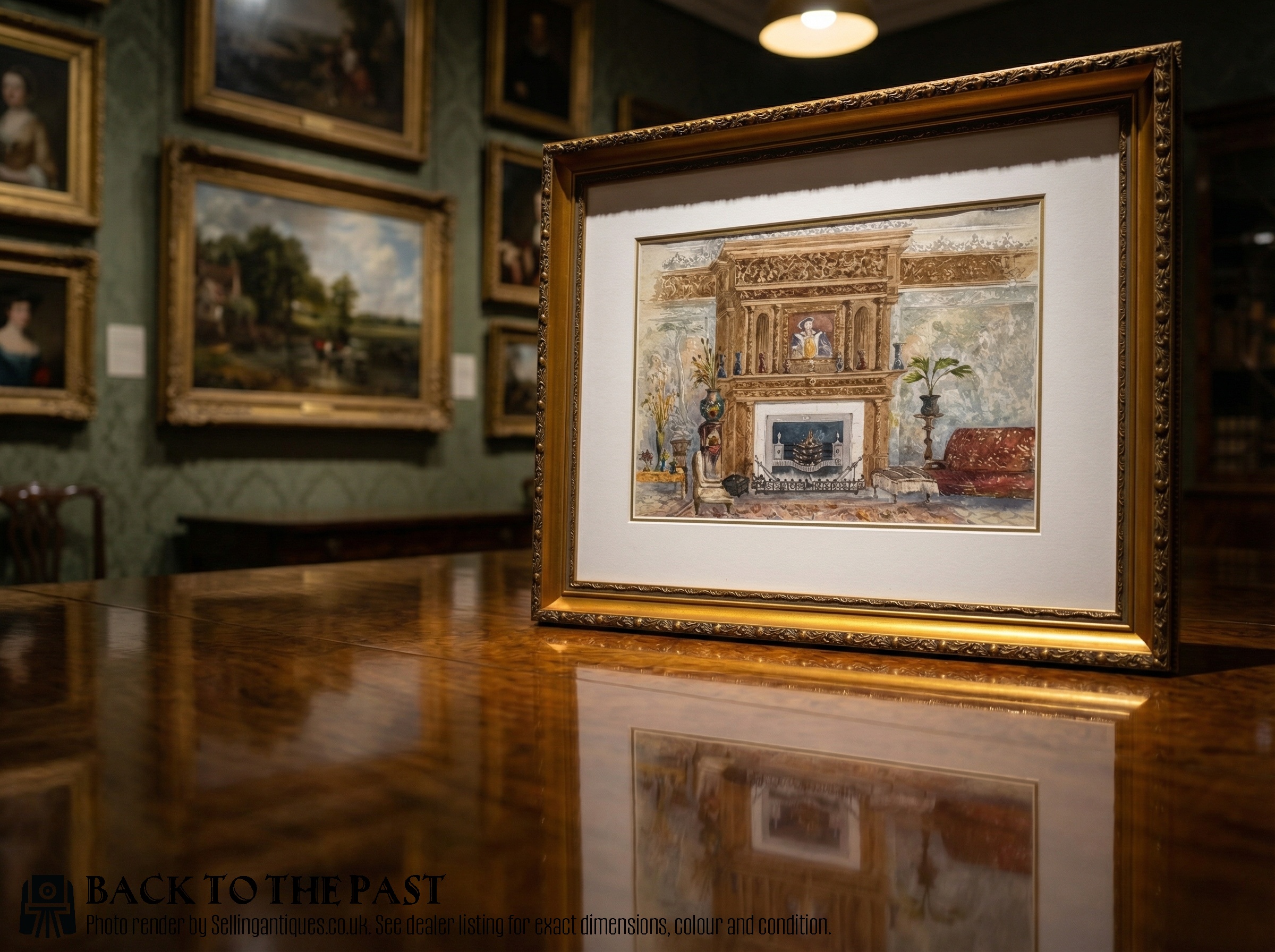
A gold framed watercolour artwork combines works on paper executed in water-soluble pigments with protective glass and a decorative wooden housing finished in gold leaf or gilt. These pieces span portraiture, botanical studies, coastal scenes, and classical landscapes produced across the eighteenth, nineteenth, and twentieth centuries.
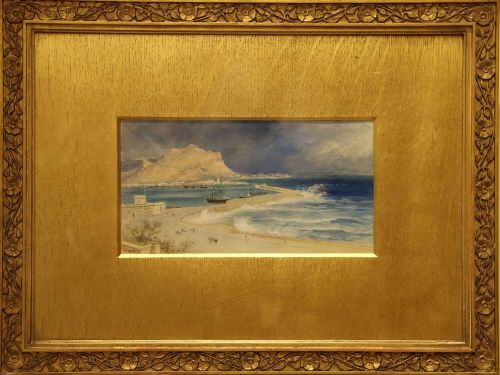
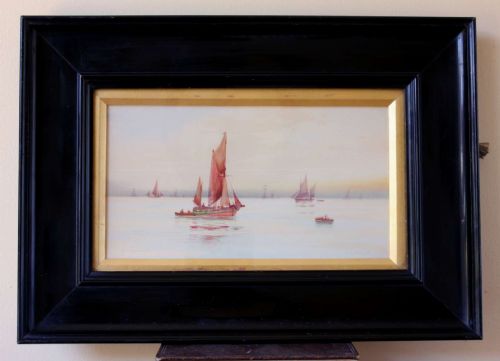
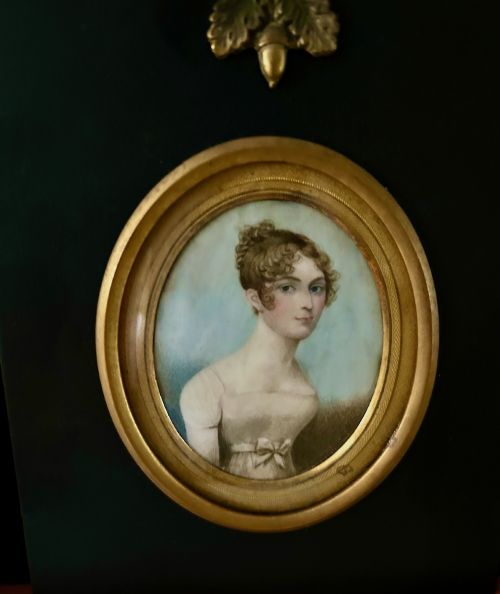
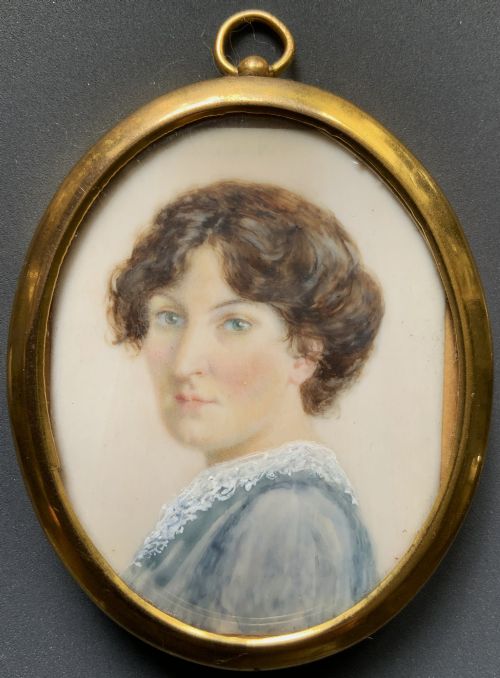
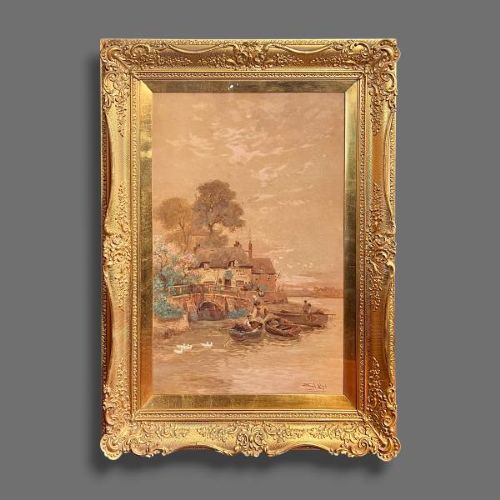
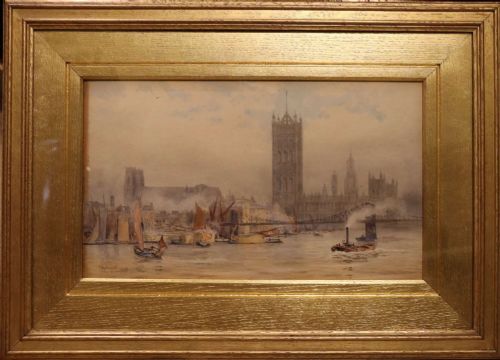
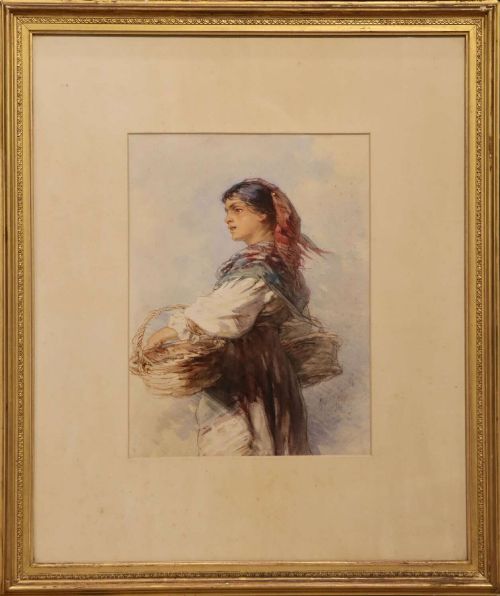
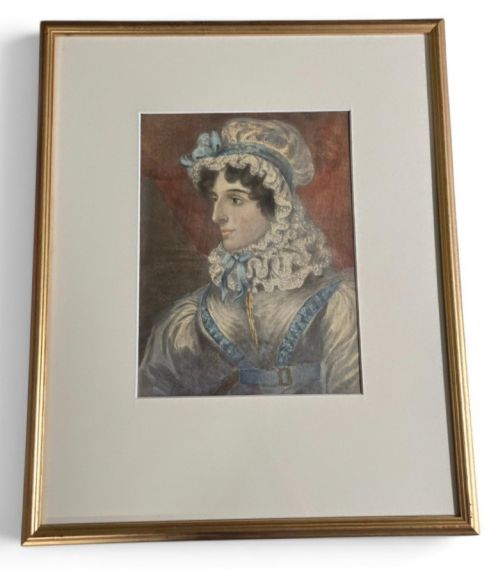
The versions met most frequently on this page date from the Victorian and Edwardian eras, often framed in moulded giltwood that complements the subject matter. Subjects range from naive depictions and maritime views to detailed garden scenes and portrait miniatures.
Works originate from various hands, including named artists, regional English schools, and international contributors working within Neoclassical, Regency, or Impressionist traditions.
How they were made
Watercolour pigment relies on ground colour suspended in a water-soluble binder, applied directly to paper or occasionally reinforced with gouache and pencil. This medium demands precision and allows for transparent washes or opaque highlights.
Frames are constructed from wood, specifically gilt wood, gold leaf, or giltwood, providing a structured border that protects the paper beneath glass. The application of gold leaf involves laying fine metal sheets over a prepared gesso base on timber moulding.
Listings span periods from the eighteenth century through the mid-twentieth century, utilising paper, glass, and gilt wood.
What varies in quality
Quality rests on the handling of the pigment, the fidelity of the composition, and the condition of the paper surface. Finer examples display assured brushwork, careful preservation of colour, and minimal fading from light exposure.
The housing contributes significantly to the overall integrity, with hand-carved or deeply moulded gilt frames holding higher regard than later replacements. The harmony between the artwork and its period frame defines the standard of the piece.
William Banks Fortescue·Frank Watson Wood·Ernest Arthur Rowe·George Oyston·George Stanfield Walters
The Gold Framed Watercolour Artwork Glossary
- Giltwood
- Wood carved and coated with gold leaf or a metallic finish to create a reflective surface. This material forms the traditional border for nineteenth-century pictures.
- Watercolour
- A painting method where paint is made from pigments suspended in a water-based solution. It is traditionally worked on paper surfaces.
- Portrait Miniature
- A small-scale painted likeness, often executed on ivory, vellum, or paper and housed behind glass. These intimate works frequently feature detailed facial expressions.
- Gouache
- An opaque watercolour medium containing pigment mixed with a binding agent and white filler. It allows artists to introduce solid highlights into paper works.
Gold Framed Watercolour Artwork: Frequently Asked Questions
Are these frames original to the art?
Many pieces retain their period giltwood frames, which show appropriate signs of age such as minor losses to the surface gilding. Matching styles and corner construction help indicate whether a frame belongs to the era of the painting.
Re-framing occurred frequently over time as tastes changed or damaged mouldings required replacement. Examining the backing boards and rabbet provides clues about the history of the assembly.
What subjects are most common?
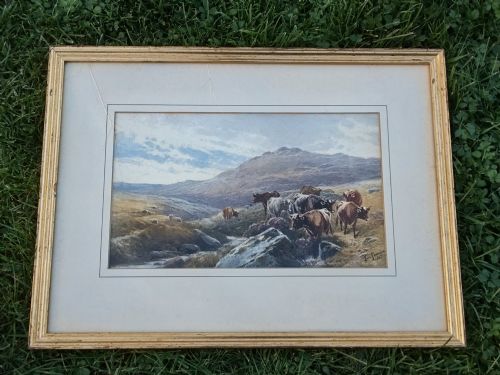
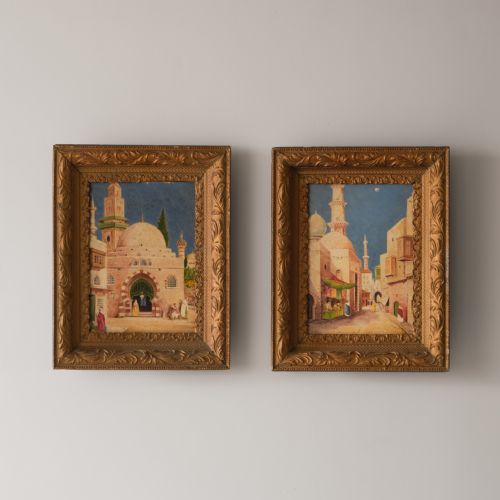
Landscapes, maritime scenes, and botanical studies form the bulk of the subjects, reflecting nineteenth-century artistic preferences. Portraiture and classical Italianate views also appear regularly across the selection.
Artists frequently recorded local topography, coastal shipping, or domestic gardens with careful attention to detail. This variety offers insight into both professional academy work and skilled amateur output.
How do I identify Victorian watercolours?
Victorian watercolours often feature tonal depth, meticulous brushwork, and subjects ranging from romantic pastoral views to narrative genre scenes. The paper stock and framing style usually align with the middle to late nineteenth century.
Signatures, dates, or inscriptions on the reverse can provide precise confirmation of the period. Stylistic conventions of the era, such as Neoclassical or maritime themes, also guide identification.