



Antique Scholar Painting
An antique scholar painting captures learned figures, theologians and men of letters in oil, porcelain and bronze.
Antique Scholar Painting
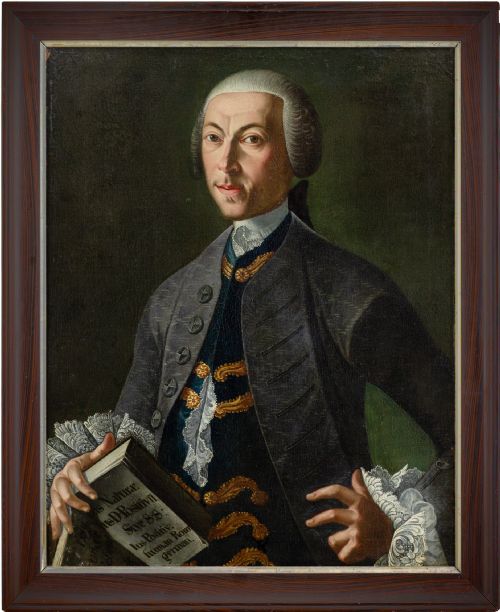
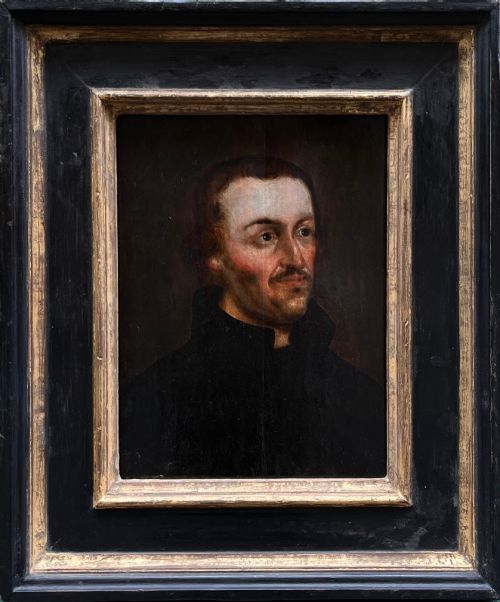
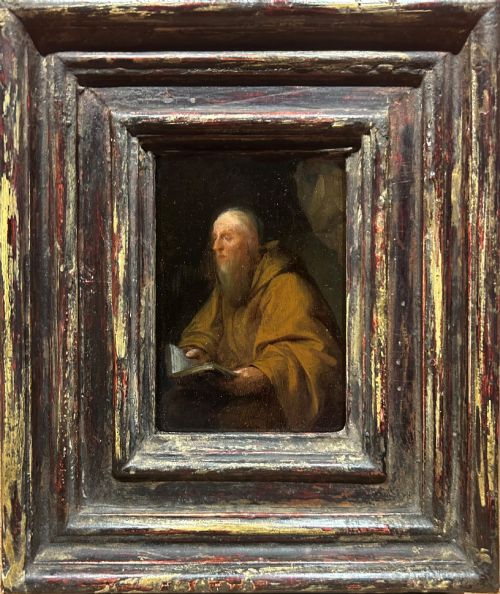
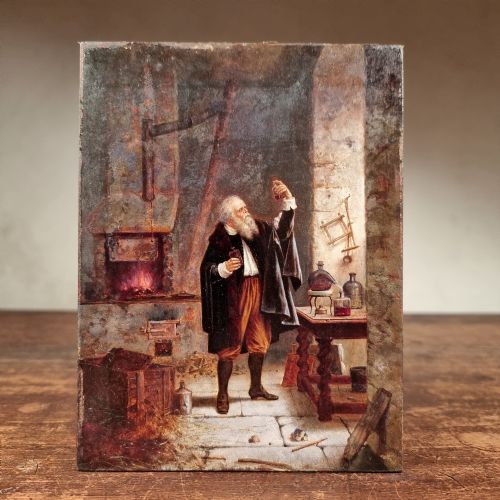
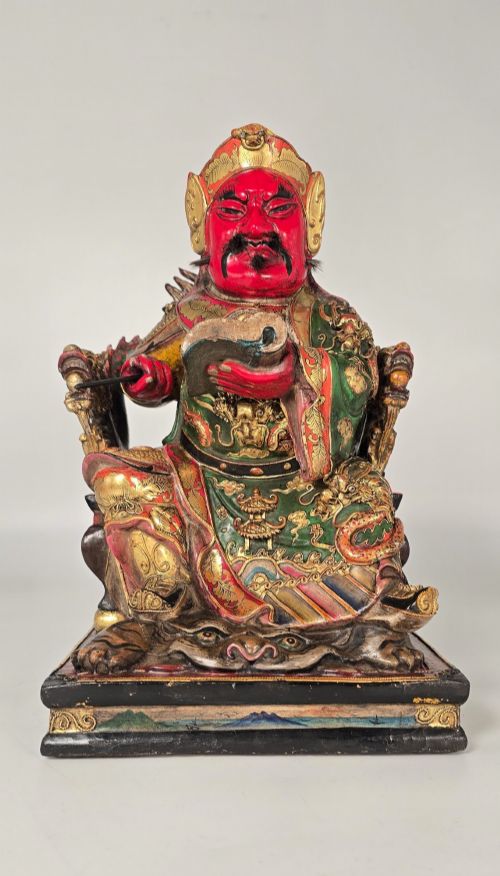
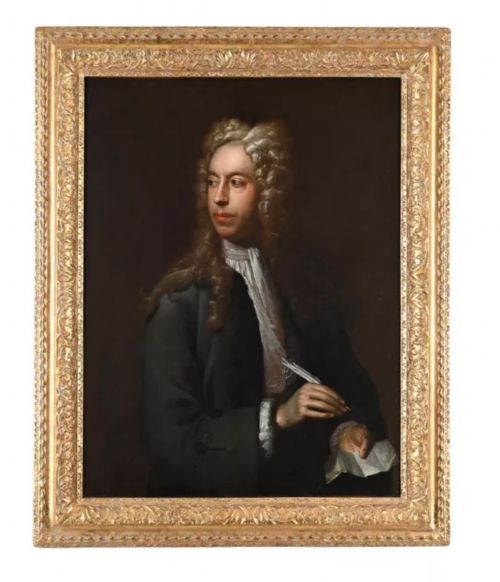
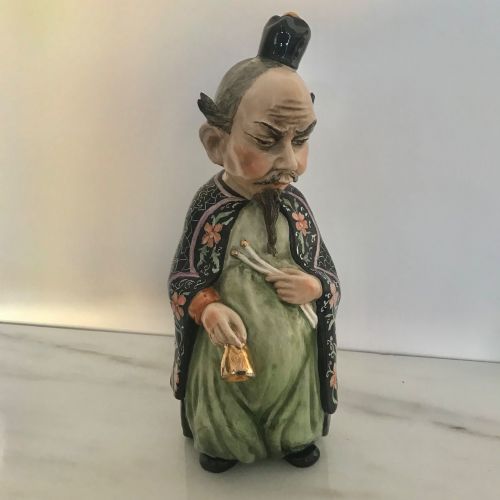
An antique scholar painting portrays men of letters, theologians, physicians, hermits and mathematicians surrounded by books, scrolls or study objects. These works range from seventeenth-century European oil portraits on canvas and wood panel to nineteenth-century Chinese porcelain brush pots and enameled figurines depicting official and scholar scenes.
Buyers meet European canvases depicting historical figures alongside Asian ceramic brush pots and cold-painted bronze figures depicting writers at tables. The selection spans Dutch Golden Age portrayals, British religious ministers, and Qing Dynasty porcelain vessels illustrating scholarly pursuits.
How they were made
Painters utilised oil on canvas, wood panel, copper and board, building rich compositions with layered pigment and gold leaf accents. European works often utilised heavy giltwood frames to house the canvas or panel.
Asian pieces combine porcelain, hand-painted enamel, carved lacquer and bronze. Ceramic items such as brush pots and vases received meticulous underglaze blue and polychrome decorations before kiln firing.
Listings feature oil on canvas, porcelain, bronze, and giltwood spanning the seventeenth through twentieth centuries.
What varies in quality
The sophistication of the brushwork and the precision of the subject's expression dictate the upper tier of canvas paintings. Finer portraits display subtle handling of light on faces, textiles, and surrounding volumes like bookshelves.
Ceramic scholar pieces distinguish themselves through the crispness of the underglaze blue, the control of enamel application, and the depth of carved detail on lacquer and porcelain surfaces.
Michael Dahl·John Watkins Chapman·Franz Bergman·John Scougall·John Hoskins·Edward Penny
The Antique Scholar Painting Glossary
- Oil on canvas
- Pigment bound in drying oil applied to a stretched woven fabric support. This technique allowed artists to create deep tones and smooth gradations in portraits.
- Brush pot
- A cylindrical vessel, often porcelain or wood, used in East Asian studies to hold writing brushes. Examples frequently feature painted scholar scenes.
- Giltwood
- Wood carved and covered with a thin layer of gold leaf. Frames and decorative elements utilised this finish to add luminance.
- Qing Dynasty
- The final imperial dynasty of China, lasting from sixteen forty-four to nineteen twelve. Many fine ceramics and scholar objects originate from this era.
Antique Scholar Painting: Frequently Asked Questions
What subjects appear in scholar art?
These works depict European ministers, physicians, poets, and mathematicians alongside Asian scholars, sages, and officials. Figures are typically shown reading, writing, or surrounded by books and scrolls.
The imagery reflects the cultural reverence for intellect, governance, and philosophy across both European and Asian traditions.
How do I care for oil paintings?
Keep canvases away from direct sunlight, high humidity, and radical temperature fluctuations to prevent cracking of the paint and warping of the stretcher frames.
Dust surfaces gently with a soft, dry brush and avoid using chemical cleaning agents on the pigment.
What materials are scholar objects made from?
Portraits utilise oil paint on canvas, wood panel, copper, and board, frequently housed in giltwood frames. Three-dimensional scholar items utilise porcelain, bronze, carved lacquer, and enamel.
Each material requires specific handling, particularly ceramics and bronzes which benefit from stable indoor humidity.
How are periods identified?
Periods are determined by stylistic conventions in clothing, framing, brush technique, and ceramic firing methods. European works often display the distinctive portrait styles of seventeenth and eighteenth-century schools.
Asian ceramics rely on reign marks, decorative palettes such as famille rose, and manufacturing techniques characteristic of dynasties like the Qing.