

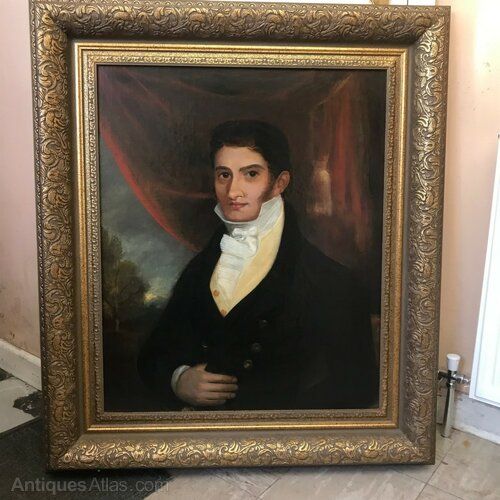
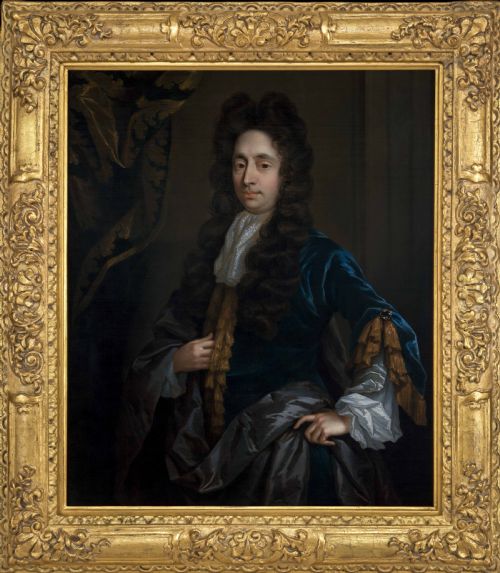
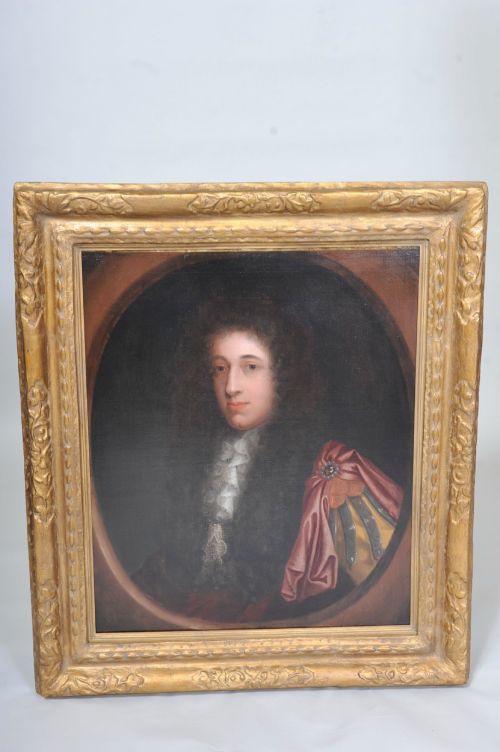
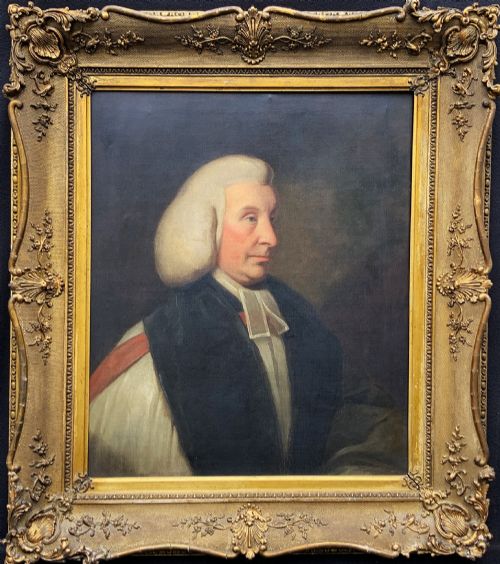
Antique Portraiture Canvas
When you search for antique portraiture canvas, you uncover centuries of painted faces rendered in oil on woven textile.
Antique Portraiture Canvas
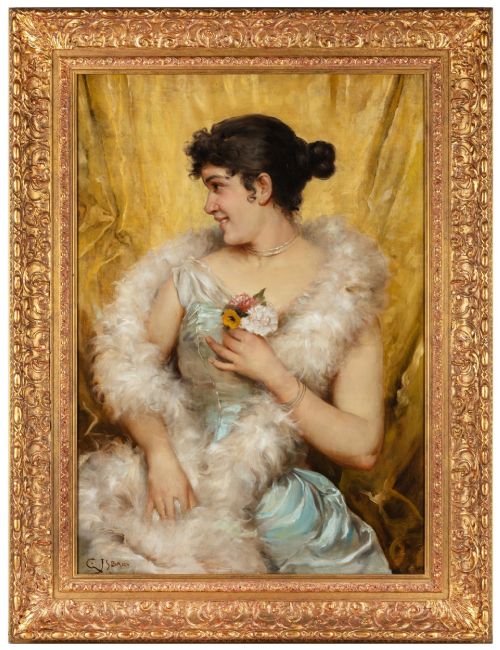
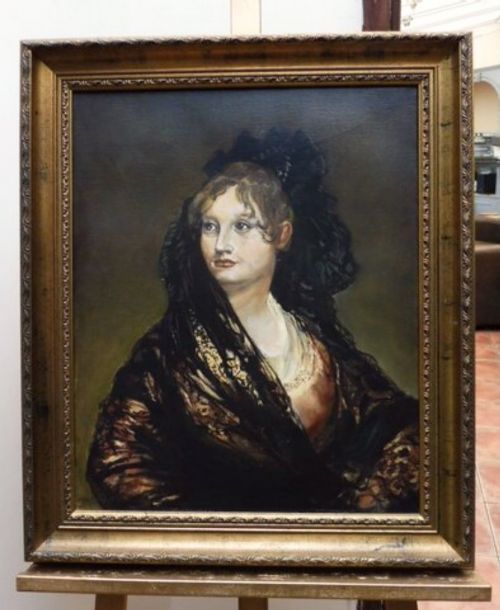
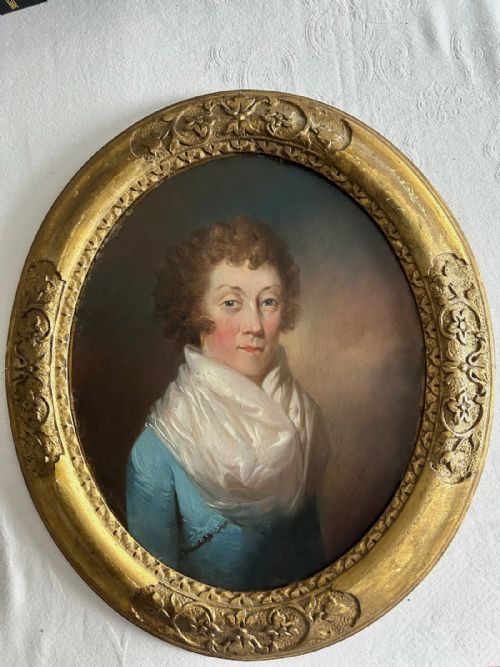
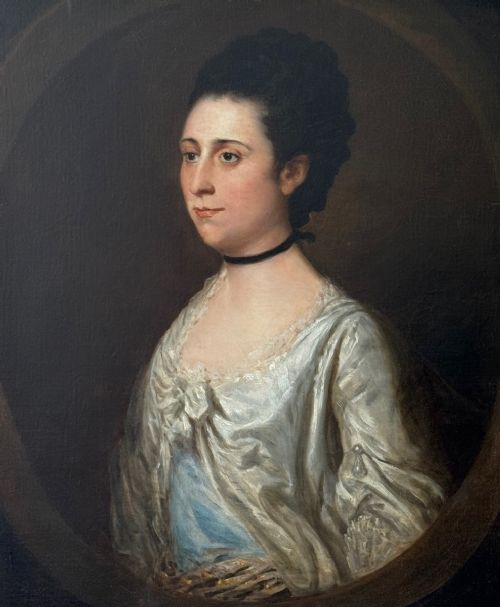
An antique portraiture canvas represents a historic individual painted in oil, capturing likenesses across the seventeenth, eighteenth, and nineteenth centuries. These works range from tightly rendered aristocratic depictions to looser nineteenth-century studies on fabric.
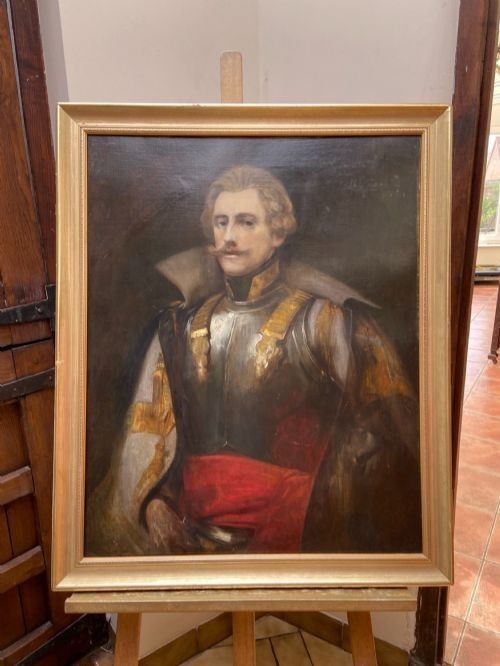
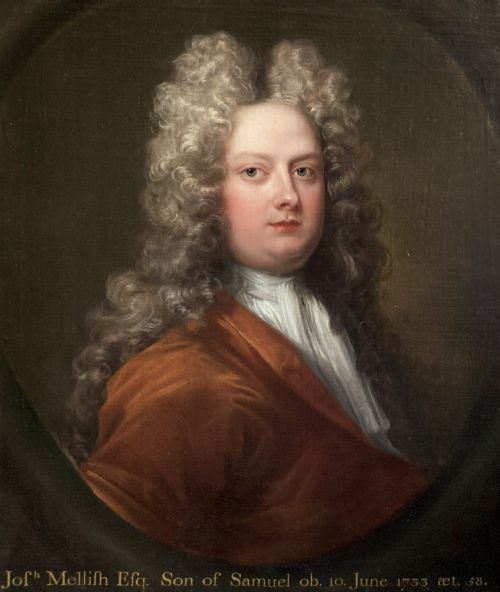
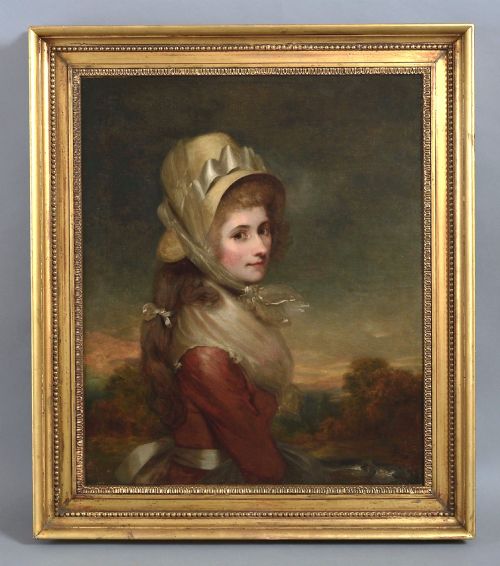
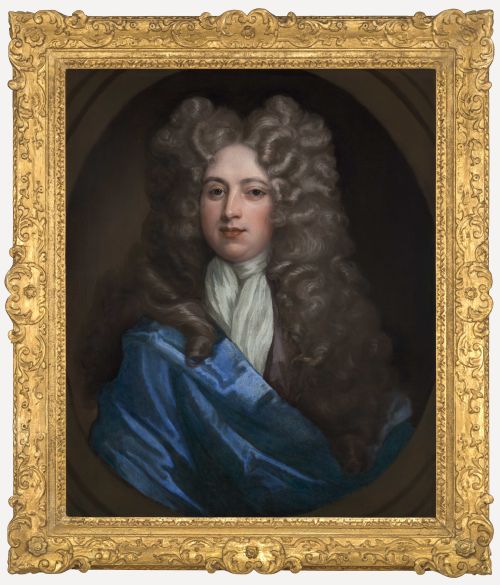
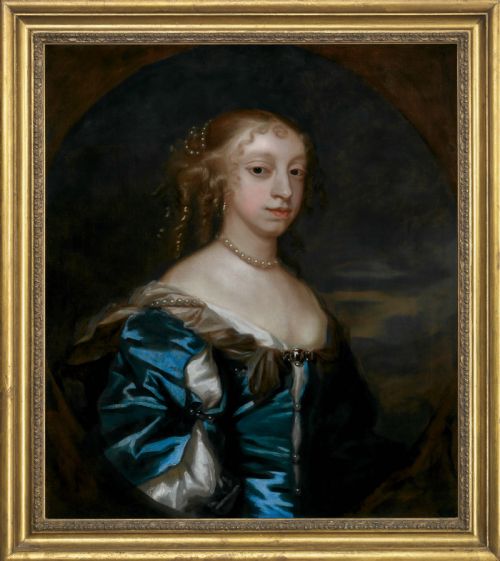
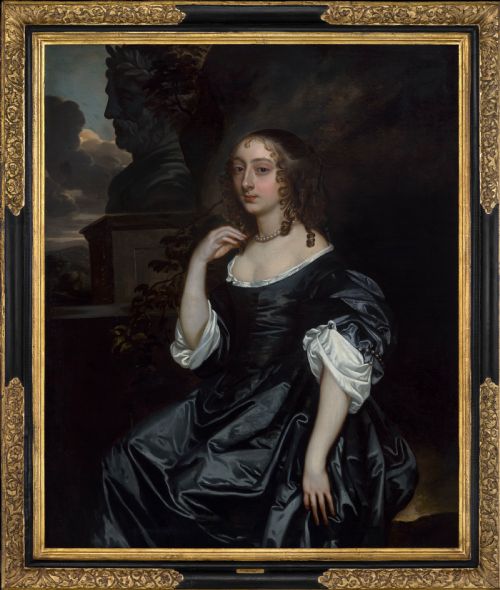
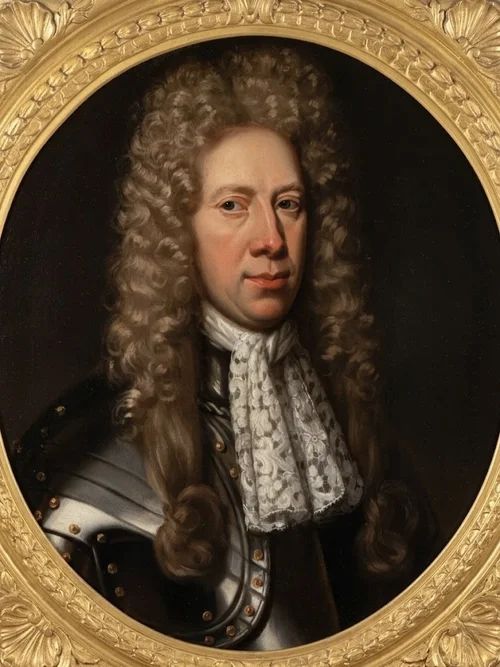
The versions most commonly met on this page span the Stuart era through the Victorian period, including works originating from British and continental schools. Subjects include military officers, noblewomen, gentlemen in periwigs, and children.
Compositions frequently present sitters in half-length or three-quarter view, sometimes accompanied by architectural drapery or distant landscapes. The physical support consists of woven canvas stretched across wooden frames, often housed within period giltwood surrounds.
Materials and construction
Painters built these works upon a woven canvas base, typically primed with gesso or a foundational layer of oil paint to receive subsequent applications of pigment. Oil paint provided the slow-drying medium necessary for nuanced blending and rich tonal depth.
Frames frequently utilised wood decorated with gold leaf or gesso ornamentation, complementing the visual weight of the central painted canvas. Structural stability relied on wooden stretcher frames that held the textile taut over decades of environmental shift.
Listings feature works from the 17th Century to the 19th Century, utilising oil paint, canvas, giltwood, and gesso.
Markers of execution
The sophistication of brushwork and anatomical precision separates standard workshop output from master portraiture. Skilled hands capture character and texture in lace, hair, and fabric with assured economy, whereas lesser examples remain stiff or formulaic.
The integrity of the original canvas surface and the subtlety of the pigment layering dictate the visual impact of the piece. Works retaining their primary stretchers and minimal overpaint hold greater material authenticity than heavily restored canvases.
Charles Jervas·Sir Martin Archer Shee·John Hayls·Constantyn Netscher·Thomas Murray·Sir Peter Lely·John Scougall·Thomas Beach·Pietro Fachetti·W.R. Waters·G. J. S. Bary·John Closterman·Sir Allan Ramsay·Sir William Beechey·Adelaïde Salles-Wagner·John Michael Wright·William Blake Richmond·Henrietta Rae·William Oliver·Jeremiah Davison·Sir Anthony van Dyck·Albin Mattenheimer
The Antique Portraiture Canvas Glossary
- Oil on Canvas
- A traditional painting medium where pigments suspended in drying oils are applied to a woven fabric support. This combination allows for rich colour saturation and gradual blending.
- Gesso
- A plaster-like mixture applied to wooden panels or canvas preparations to create a smooth, absorbent surface for painting. It provides a stable white ground that enhances luminous oil layers.
- Giltwood
- Wood carved and subsequently coated with thin gold leaf or metallic powder. It provides ornamental framing characteristic of formal European portraiture.
- Periwig
- A voluminous artificial hairpiece popular among European elites during the late seventeenth and early eighteenth centuries. Its presence in portraiture often signals the high social standing of the sitter.
- School
- A stylistic grouping designating artists working within a particular region, period, or under the direct influence of a master. It helps categorise anonymous works sharing common technical traits.
Antique Portraiture Canvas: Frequently Asked Questions
What periods do these portraits represent?
The works span from the seventeenth century through the Victorian era and into the early twentieth century. This timeline covers Stuart, Georgian, Regency, and nineteenth-century schools.
Paintings from the earliest periods frequently depict nobility in elaborate costume, while later nineteenth-century canvases capture intimate domestic scenes and individual sitters with softer romanticism.
How were these canvas portraits framed?
Most antique portraits are housed within decorative wooden frames finished in gold leaf or gesso. These surrounds were often designed to complement the status of the sitter and the prevailing interior taste of the period.
Original frames contribute significantly to the historical integrity of the piece, though many canvases have been reframed over subsequent centuries.
How do I identify the sitter?
Sitters are sometimes identified through historic inscriptions on the canvas, stretcher bars, or accompanying documentation. Clothing styles, wigs, and military uniforms also provide reliable clues for dating the portrait.
Many historic portraits depict anonymous subjects whose identities were lost over time, leaving only their visual likeness and artistic execution for modern viewers.
Where should I hang an oil portrait?
Oil paintings on canvas require stable environmental conditions away from direct sunlight and excessive humidity. Placing them on interior walls helps protect the delicate paint layers and wooden stretchers from warping.
Traditional portraiture pairs well with period furniture, creating a formal focal point in a living room, study, or hallway.