




Antique Naive Artwork
Antique naive artwork brings unpretentious charm and honest storytelling into a room, capturing history through the eyes of untutored painters.
Antique Naive Artwork
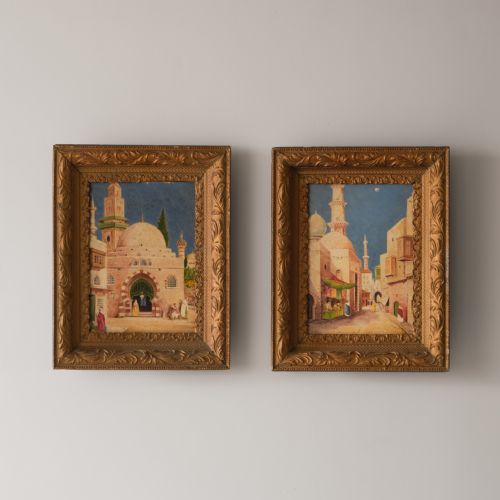
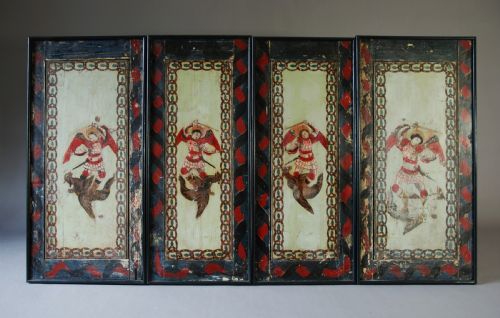
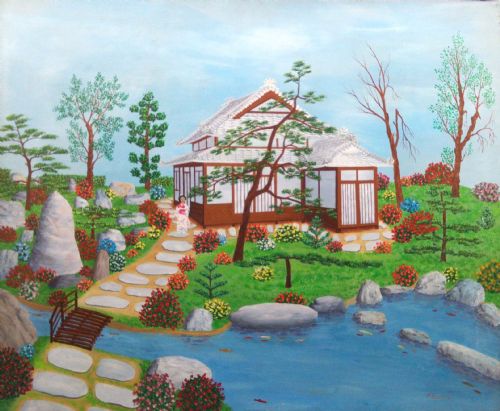
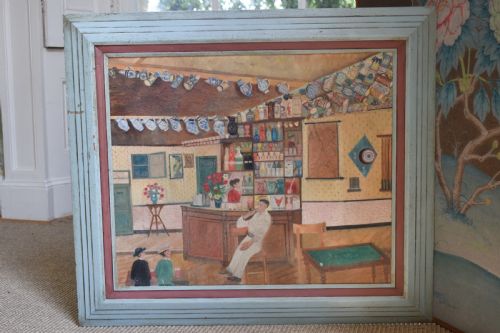
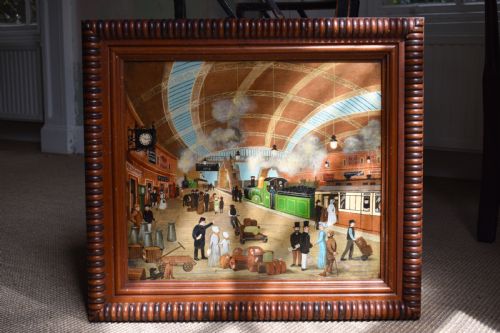
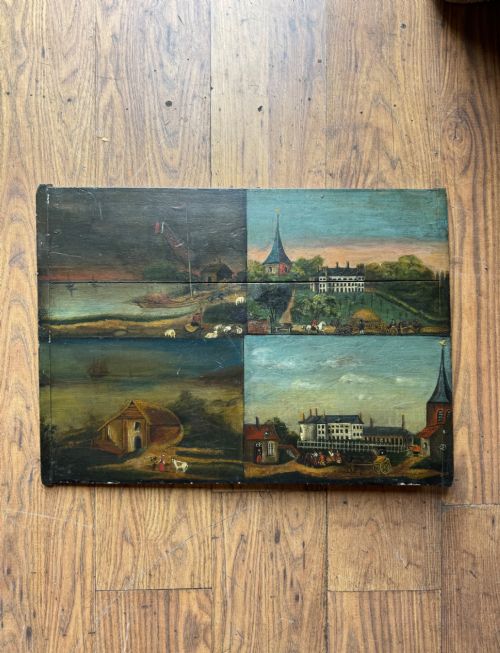
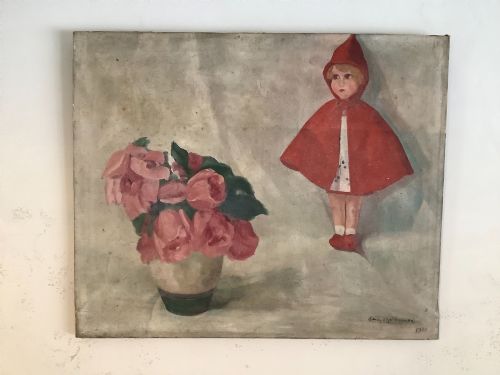
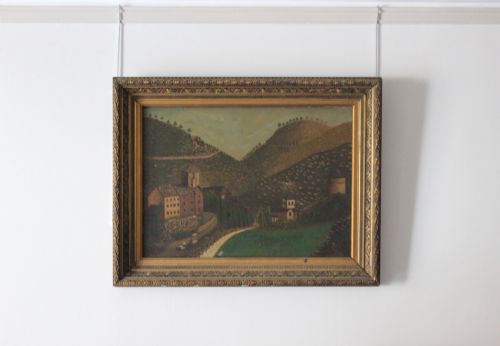
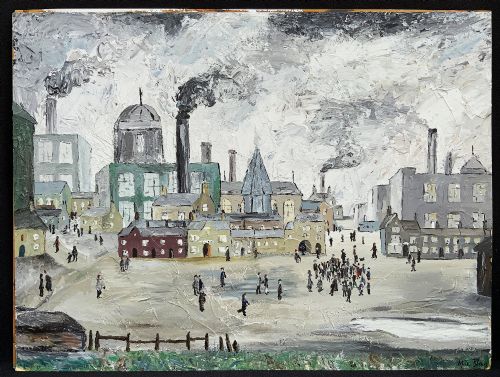
Antique naive artwork encompasses a wonderful range of vernacular paintings, watercolours and decorated panels created outside the formal traditions of academic art. When you examine this selection, you will encounter pieces spanning from the eighteenth century through to the mid-twentieth century, including portraits of people and animals, topographical townscapes and rural scenes.
The creators of these pieces typically worked in provincial regions or followed local folk traditions rather than exhibiting in metropolitan academies. Among these offerings, nineteenth-century oil paintings on canvas and board predominate, alongside charming watercolours housed in period frames.
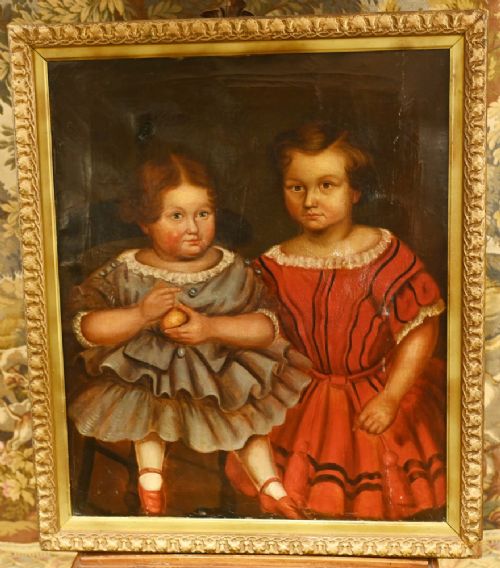
Subjects range from individual family portraits and children with pets to industrial townscapes and historical battle depictions. Each piece offers a direct window into domestic life, local pride and personal memory from eras past.
Markers of distinction
Quality in antique naive artwork rests upon the strength of the composition, the expressiveness of the subject matter and the integrity of the surface. A successful piece balances anatomical or spatial irregularities with a compelling visual rhythm that holds the viewer's attention.
Condition also plays a vital role, distinguishing works that survive with stable paint layers and original framing from those heavily restored or compromised by moisture and neglect.
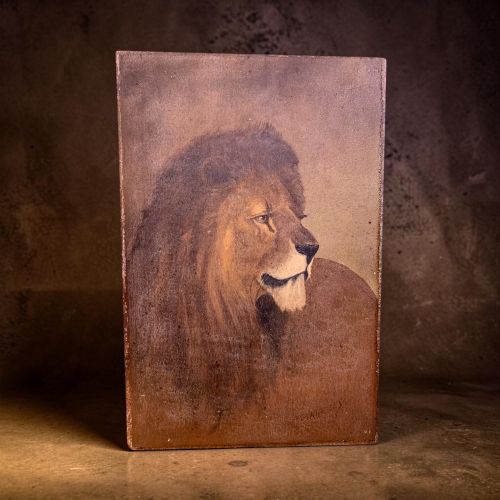
A lion portrait from the late nineteenth century proves that provincial painters did not let a lack of local wildlife stop them from capturing a grand beast.
Holley Bros·J Brown·E H Windred·John Vine of Colchester
The Antique Naive Artwork Glossary
- Naive art
- Art created by a person without formal artistic training, characterised by a quirky perspective, simplified forms and direct emotional expression. It prioritises personal vision over academic rules of proportion and light.
- Folk art
- Utilitarian or decorative items and visual art made within a traditional community culture, often by self-taught makers. It reflects the heritage and lifestyle of ordinary people rather than high-society tastes.
- Primitive
- A descriptive term applied to early or untutored painting styles that pre-date modern academic conventions. These works display a charming lack of sophisticated perspective and linear accuracy.
- Provincial
- Originating from regions outside the capital or major cultural centres, carrying local characteristics and materials. Provincial painting often retains archaic styles long after cities have adopted new fashions.
- Topographical
- Depicting a specific real place, town, estate or landscape rather than an imagined fantasy. These paintings serve as historical records of buildings and countryside that may have since changed.
Antique Naive Artwork: Frequently Asked Questions
What defines antique naive artwork?
These pieces are defined by their lack of formal academic perspective, created by self-taught or provincial painters who prioritised storytelling and direct observation over strict proportion.
They offer an honest look at past lives, depicting ordinary people, local animals and familiar landscapes with unpretentious charm.
How can I date these paintings?
Dating relies on clues found within the clothing, hairstyles, framing materials and subject matter recorded in each composition. Eighteenth-century panels, Regency silhouettes, Victorian dress and mid-twentieth-century industrial scenes all carry distinct visual markers.
Examining the reverse of the canvas or board often reveals older inscriptions, maker signatures or framing stamps that help pinpoint the era.
Where were these pieces originally displayed?
Historically, these artworks hung in domestic parlours, rural farmhouses, provincial inns and local merchants' offices rather than grand estate galleries. They served as personal mementoes, family records or local topographical pride.
Today, they adapt easily to modern interiors, bringing warmth and character to both traditional and contemporary spaces.
Why do proportions often look unusual?
Untutored artists focused on capturing the essence or importance of a subject rather than adhering to strict mathematical rules of perspective. Hands, heads or architectural elements might be enlarged to emphasise their significance in the narrative.
This departure from realism is precisely what gives these pieces their expressive power and distinct personality.