



Antique Folk Art Panel
An antique folk art panel brings vernacular charm and unpretentious character to an interior.
Antique Folk Art Panel
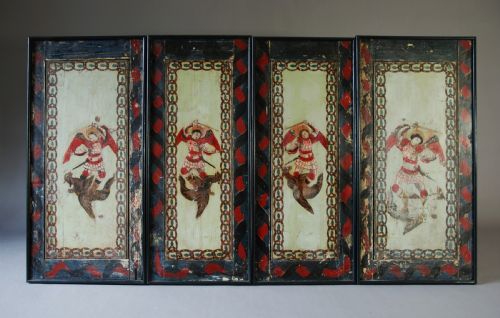
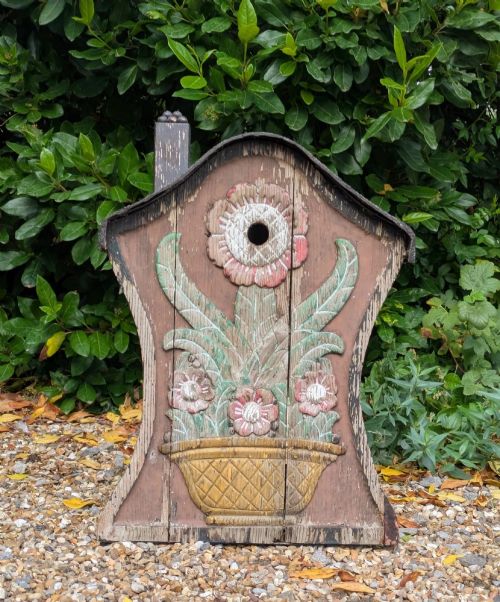
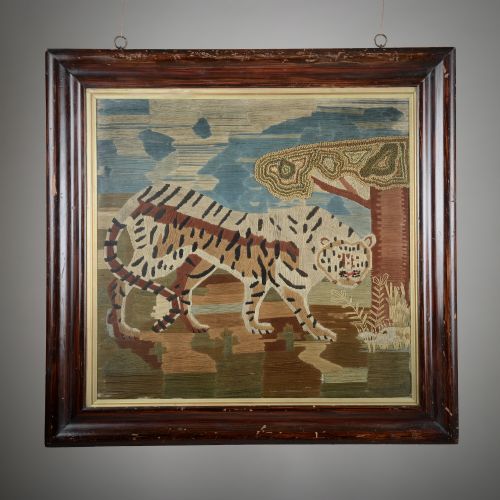
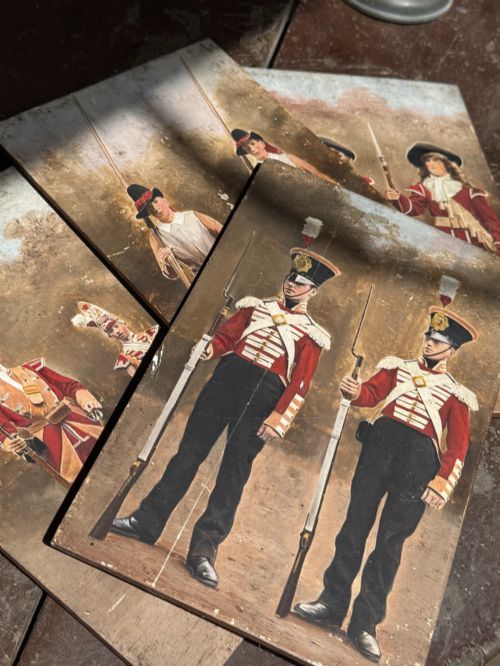
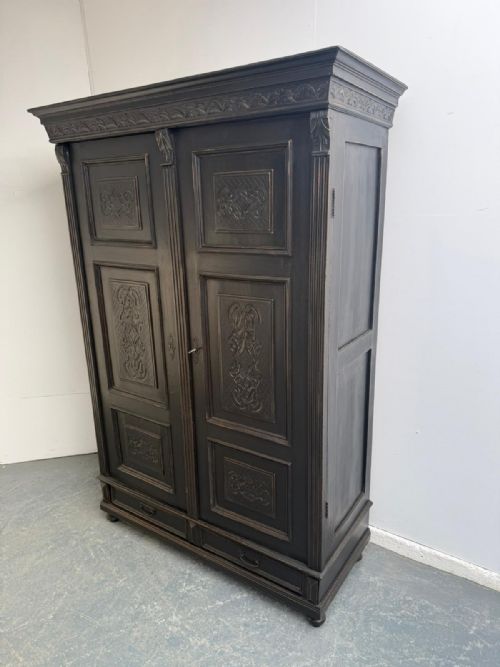
An antique folk art panel encompasses a wide range of vernacular decorative objects designed for walls and architectural settings, originating from domestic and fairground contexts alike. Buyers searching for an antique folk art panel frequently encounter hand-painted wooden boards, carved architectural elements, and richly stitched textile panels. The pieces span from the eighteenth century through to the early twentieth century, reflecting rural traditions across Britain, Europe, and Central Asia.
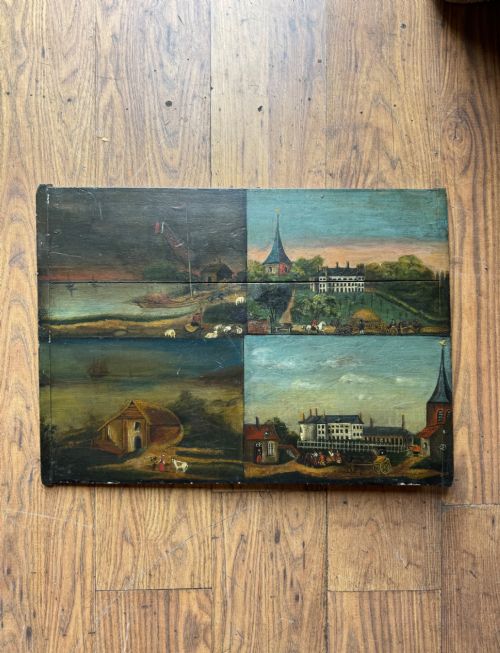
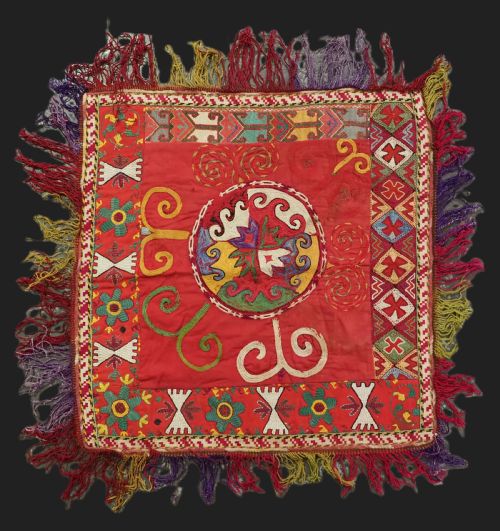
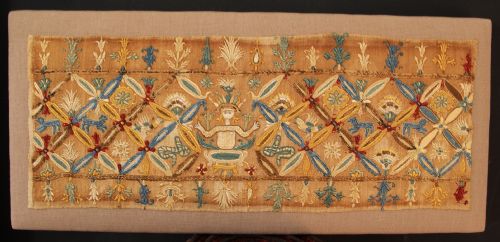
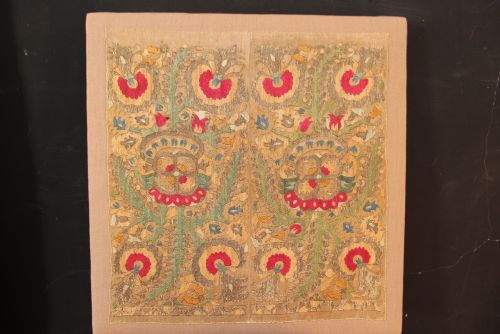
The selection ranges from naive oil paintings on wood and theatre scenery boards to embroidered wall hangings, Suzanis, and carved fairground game panels. Smaller examples include framed samplers, hand towel end panels, and carved wooden boxes, while larger works comprise complete painted pine panels and carousel pieces. These items serve primarily as visual focal points, bringing idiosyncratic narratives and regional traditions into modern spaces.
Understanding quality differences
Quality in these works rests on the strength of the composition, the expressive power of the naive drawing or stitching, and the preservation of the original surface. Superior examples display confident, unhesitating brushwork or needlecraft that transcends amateur execution, capturing a distinct personality or narrative.
The integrity of the material surface dictates desirability, with undisturbed original paint, patinated wood, and vibrant undisturbed textiles holding greater visual authority. Pieces that retain their authentic context, clear regional characteristics, and strong visual rhythm command more attention than heavily restored or indistinct examples.
Antique Folk Art Panel Retail Price Guide 2026
Typical asking prices for folk art panel among the pieces listed under this phrase on Sellingantiques today, from the lower quarter to the upper quarter. They describe what is for sale here now, not the wider market.
Some nineteenth-century makers immortalised local fairground rides and theatre scenery, proving that ancestors loved a good day out just as much as we do.
James Kyd
The Antique Folk Art Panel Glossary
- Suzani
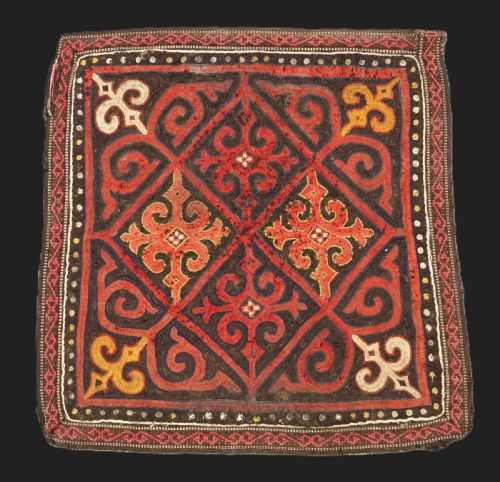
- A large, embroidered tribal wall hanging originating from Central Asia, typically worked in silk on a cotton ground. These textiles were traditionally created as part of a bride's dowry.
- Naive art
- Artwork produced by an artist lacking formal professional training, characterised by a childlike perspective and direct expression. This style prioritises narrative and pattern over strict academic perspective.
- Sampler
- A piece of needlework produced to demonstrate or test skill in embroidery, often featuring alphabets and figures. Early examples frequently include dates and the maker's name.
- Ilgich
- A specific type of Central Asian embroidery used for domestic wall decoration and storage. These panels display traditional tribal motifs and fine needlework.
- Panel
- A flat, distinct piece of wood, canvas, or textile forming part of a larger structure or displayed independently on a wall. In folk art, these frequently depict figurative or topographical scenes.
Antique Folk Art Panel: Frequently Asked Questions
Where were these panels originally displayed?
Many panels served practical functions in domestic interiors, rural farmhouses, or public spaces such as fairgrounds and theatres. They were hung on walls or integrated into furniture and architecture to decorate everyday environments.
Over time, these functional items transitioned into decorative wall art as collectors recognised their distinct aesthetic value and historical connection to vernacular culture.
How do I care for a textile panel?
Textile panels require protection from direct sunlight to prevent the fading of natural dyes in silks, wools, and cottons. Gentle framing behind protective glass or careful hanging away from heat sources helps preserve the delicate fibres.
Avoid using chemical cleaners or excessive moisture on embroidered surfaces, relying instead on very gentle dust removal when necessary.
How do I date a painted wooden panel?
Dating relies on examining the type of wood, the preparation of the panel, and the chemical composition of the pigments used. Tool marks on the reverse and the style of the painting offer further clues to the period of origin.
Comparing the naive stylistic traits with documented examples from specific regions helps narrow down the decade or century of creation.
What is the difference between European and Central Asian panels?
European examples typically consist of painted wood, carved slate, or framed needlework samplers reflecting domestic, fairground, or religious themes. They utilise materials like pine, oak, and wool within regional folk traditions.
Central Asian panels are predominantly textile-based, featuring intricate silk embroidery on cotton or felt grounds with distinct tribal motifs and geometric patterns.