





Primitive Oak Carving
Primitive oak carving brings honest vernacular utility and direct hand-hewn form into domestic spaces.
Primitive Oak Carving
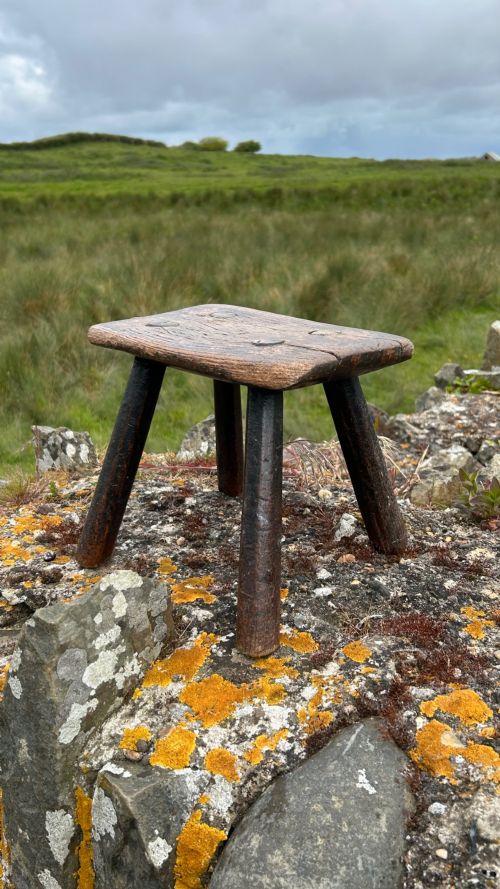
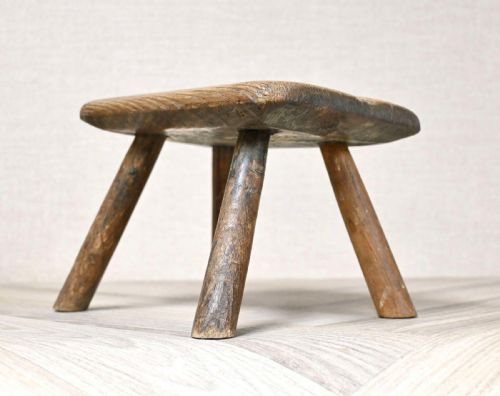
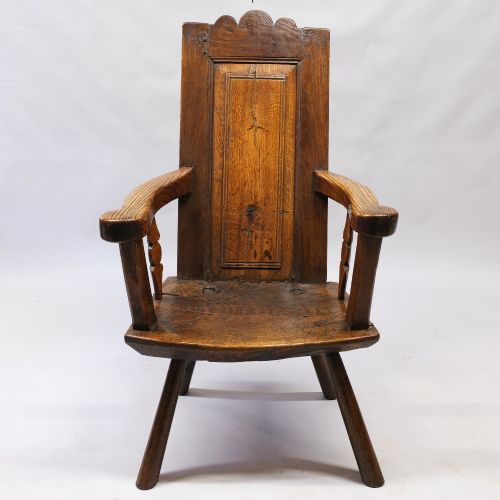
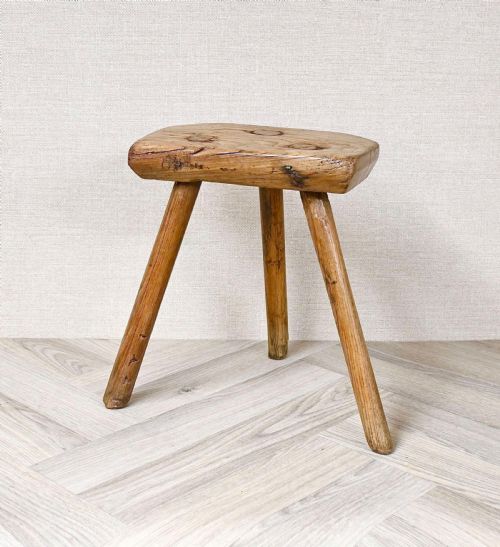
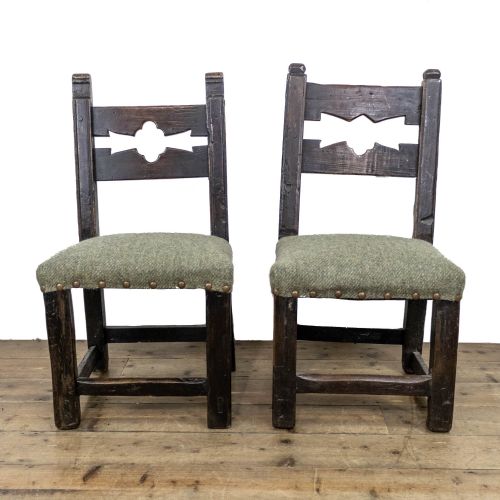
When you search for primitive oak carving, you encounter functional items shaped by rural hands across several centuries. Stools, chairs, and cupboards form the backbone of these listings, alongside sculptural panels and chopping blocks.
The versions you are most likely to meet on this page hail from the eighteenth and nineteenth centuries, often adopting rustic folk art or vernacular styles. These pieces reflect utilitarian domestic life before industrial standardisation took hold.
Occasional sixteenth and seventeenth-century fragments appear, including carved religious panels and snake motifs. Such survivals demonstrate the older, symbolic side of vernacular woodwork.
Materials and construction
Makers relied principally on solid timber, with oak forming the primary structure alongside elm and other hardwoods. Wood was selected for natural strength and worked directly with axes, adzes, and drawknives.
Construction techniques are straightforward and robust, utilising pegged joints, dug-out seats, and wrought iron hardware such as blacksmith-made locks and hinges. Surfaces often retain tool marks, bark, or remnants of early paint.
Primitive Oak Carving Retail Price Guide 2026
Typical asking prices for primitive oak carving among the pieces listed under this phrase on Sellingantiques today, from the lower quarter to the upper quarter. They describe what is for sale here now, not the wider market.
Listings feature items spanning the sixteenth, eighteenth, and nineteenth centuries alongside Edwardian pieces, constructed from oak, elm, bark, and wrought iron.
Judging quality in rustic work
Quality in these items rests upon the balance between utility and sculptural presence. The most compelling pieces display confident, unpretentious shaping by makers who understood the natural grain and growth of the timber.
Proportion and wear distinguish superior examples from ordinary utilitarian objects. A well-worn surface and honest integration of structural repairs indicate a long history of active domestic service.
The Primitive Oak Carving Glossary
- Vernacular
- Everyday objects made by local craftspeople without academic architectural training. These items reflect regional traditions rather than metropolitan fashions.
- Dug-out
- A seating form carved directly from a single solid tree trunk or heavy log. This technique produces heavy, monolithic chairs and stools.
- Folk Art
- Artistic production rooted in traditional community culture rather than professional academies. It encompasses carved figures, panels, and decorative domestic items.
- Gothic Revival
- An architectural and decorative style drawing inspiration from medieval forms. In rustic pieces, this appears through pointed arches and ecclesiastical motifs.
Primitive Oak Carving: Frequently Asked Questions
How old are these pieces?
The pieces span from the sixteenth century through the Georgian and Victorian eras up to the Edwardian period. Most examples originate in the eighteenth and nineteenth centuries.
Dating relies on construction methods, tool marks, and historical style indicators preserved in the timber.
Are these items purely decorative?
While many pieces now serve decorative functions, almost all began as utilitarian objects. Stools, chairs, cupboards, and chopping blocks were made for daily domestic or trade work.
Their current appeal lies in this combination of functional history and strong sculptural form.
What woods were used?
Oak is the predominant material, complemented by elm and other domestic hardwoods. Some pieces also incorporate wrought iron hardware and remnants of early painted finishes.
Makers utilised whatever strong local timber was readily available for the task.
How do I care for primitive oak?
Keep wooden pieces away from direct heat sources and sudden humidity changes to prevent timber splitting. Gentle dusting and occasional wax application will preserve dry historic surfaces.
Avoid aggressive cleaning that might remove patination or original tool marks.