


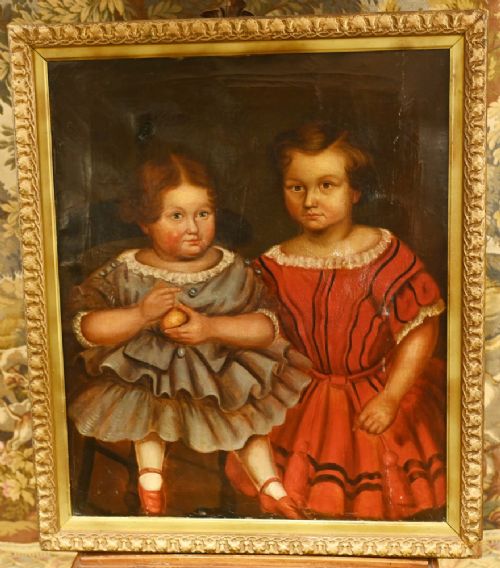

Naive Oil Painting
A naive oil painting captures the unvarnished spirit of past domestic and rural life through direct, untrained hands.
What naive oil painting pieces represent
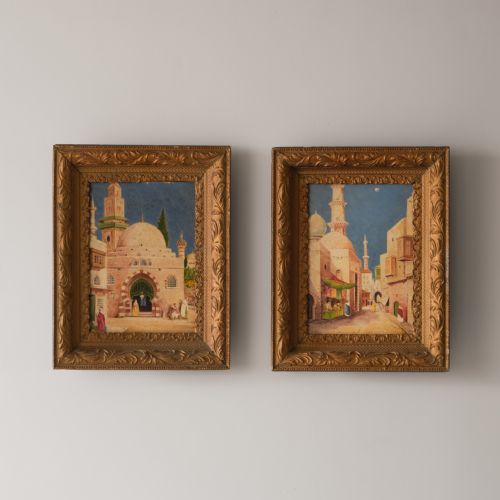
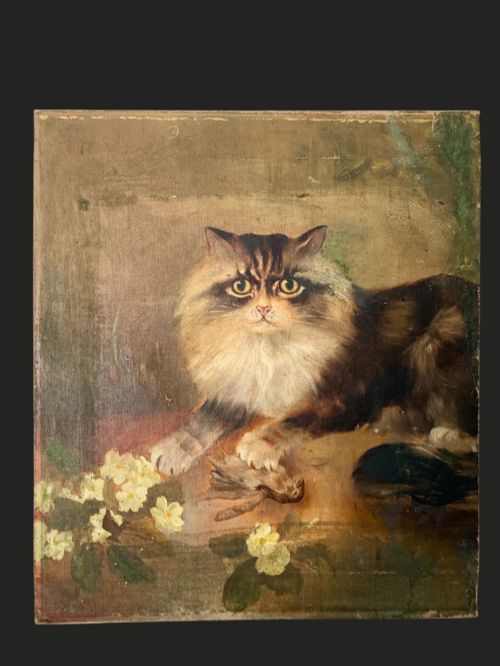
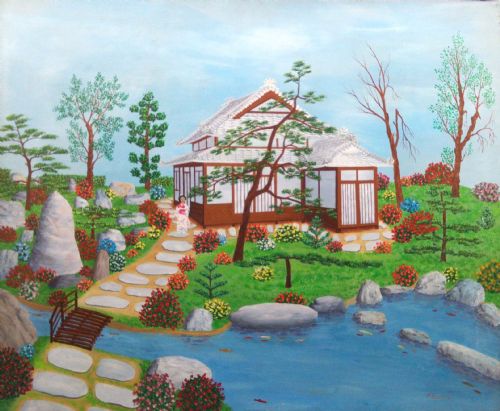
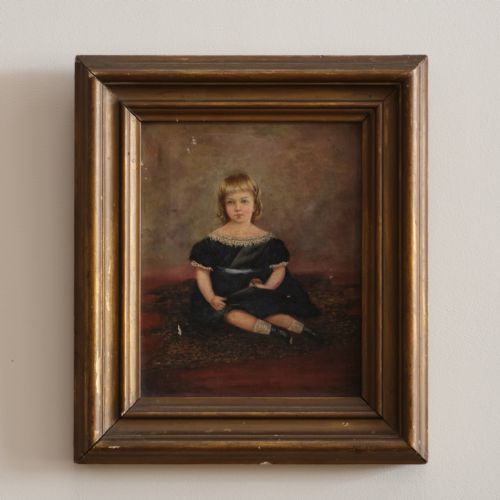
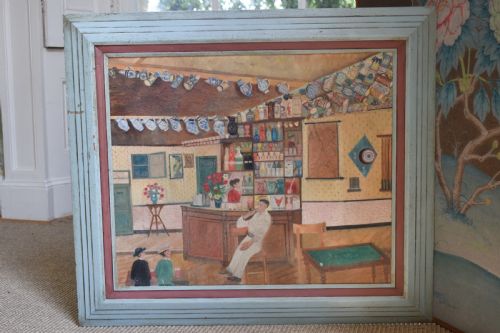
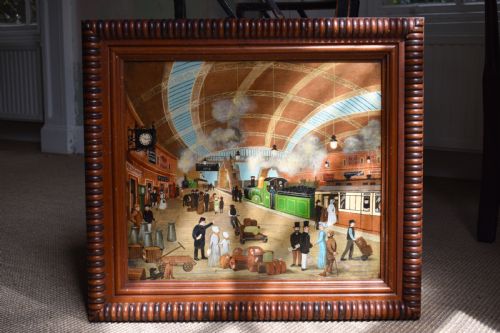
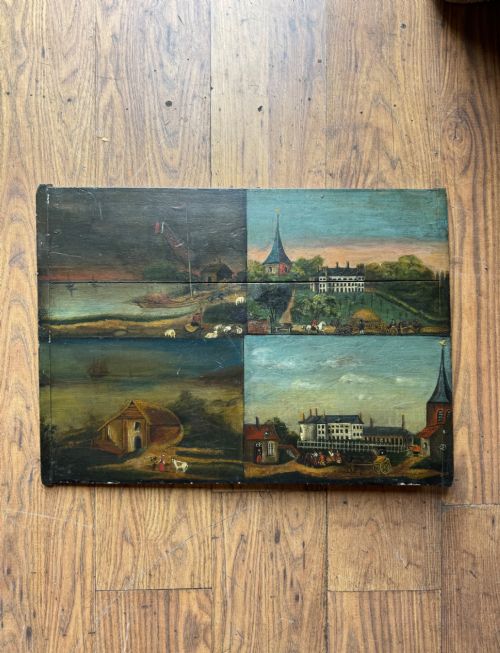
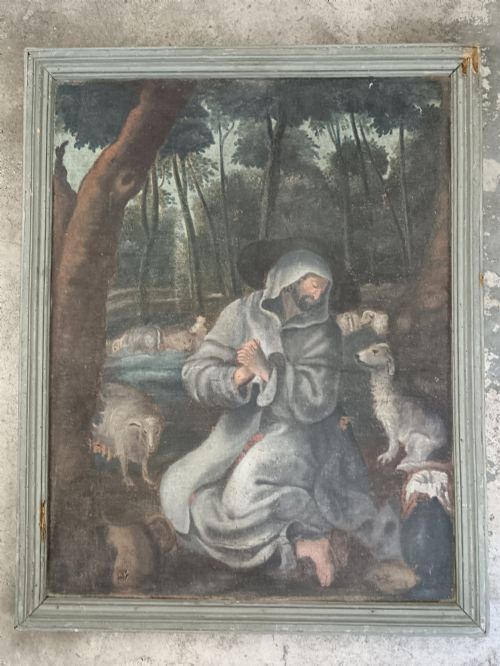
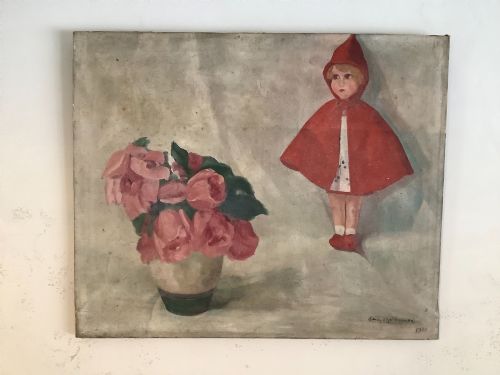
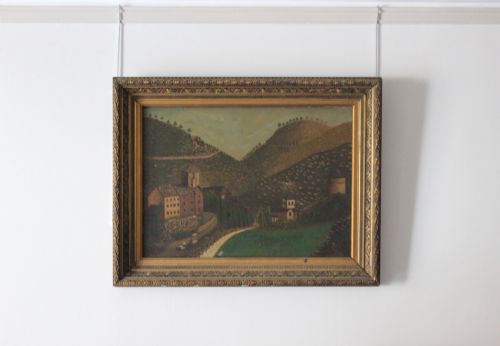
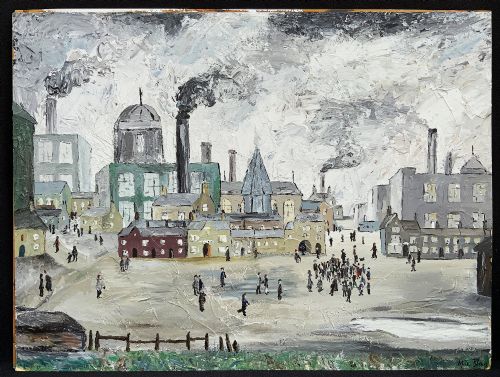
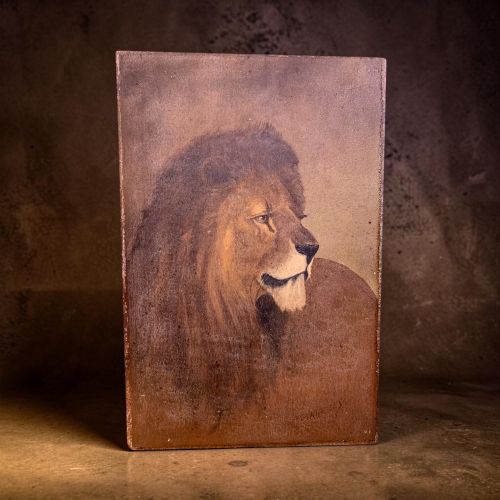
When you search for naive oil painting, you encounter direct, non-academic works created largely during the 19th century and the Georgian period. These pieces record familiar subjects like animals, local landscapes, country houses, sailing ships and portraits of ordinary people, children or pets.
The most common examples on this page are oil paintings executed on canvas or wood panels, often defined by flat perspectives and honest proportions. Makers working in this provincial manner prioritised clarity and character over the strict rules of academic perspective.
Subjects range from prize livestock and working horses such as Mr Tuck or Pride of England to coastal scenes, churches and domestic animal portraits. Many remain unsigned or carry the names of local provincial artists working outside metropolitan art circles.
Materials and construction methods
Surviving works utilise oil paint applied to stretched canvas, wooden panels, curved surfaces, and occasionally zinc panels. Supports were prepared using gesso where necessary, and framing frequently involved period gilt wood or gold leaf mouldings.
Artists relied on straightforward brushwork and heavy pigments to build their compositions directly. The physical materials reflect local availability, with wooden panels and heavy canvas dominating the surviving 19th-century output.
Retail Price Guide 2026
Typical UK retail prices for naive oil painting, calculated from the Sellingantiques database of over a million retail prices indexed since 2003. This retail price guide relies exclusively on Sellingantiques data; no external sources or auction records are used, so the figures do not describe the wider market.
Listings feature works spanning the Georgian era and the 19th century, executed in oil on canvas, wood panels, and zinc.
Distinctions in quality and execution
The distinction between ordinary and exceptional works rests on the vigour of the characterisation and the confidence of the brushwork. Stronger pieces animate their subjects with immediate personality, particularly in depictions of animals and human portraits, whereas weaker examples can feel stiff and static.
Compositional layout and the preservation of the original surface also dictate standing. Works retaining their untouched oil pigment on original canvas or wood panels without heavy modern intervention hold greater visual integrity.
Byron·W Charaton·T Benson·G E Egerton·J Mortimer
The Naive Oil Painting Glossary
- Naive art
- Art created by a person without formal training, typically characterised by a charming disregard for proper perspective and scale. This lack of academic constraint gives the works their direct emotional appeal.
- Oil paint
- A slow-drying paint made by mixing pigments with a drying oil, most commonly linseed oil. It allows for rich colour blending and textured application on canvas or wood.
- Panel
- A rigid flat piece of wood or other material used as a support for a painting. Wooden panels are frequently encountered in early 19th-century folk art.
- Gesso
- A plaster-like mixture used as a prepared surface coating on panels before painting. It provides a smooth, stable ground for the oil pigments.
- Provincial
- Originating from the provinces or regions away from the capital city. In art, it denotes a style distinct from metropolitan academic fashions.
Frequently Asked Questions
What is a naive oil painting?
A naive oil painting is an artwork produced by an untrained or self-taught artist, usually working in a provincial style during the 18th and 19th centuries. These works focus on honest documentation of everyday subjects rather than adherence to formal academic rules.
Subjects often include local animals, family pets, domestic portraits, and rural landscapes depicted with flat perspective and direct charm.
How can I tell the age of these paintings?
Dating relies on examining the physical materials, such as the weave of the canvas, the preparation of the wood panel, and the composition of the frame. Stylistic clues in clothing, hairstyles, and subject matter also help narrow the period.
Many pieces date from the Georgian era through the late 19th century, showing characteristic pigments and mounting techniques of those decades.
Were these artists professional?
Most makers of these works were local artisans, sign painters, or amateur practitioners rather than academically trained portraitists. They worked outside the major metropolitan art academies.
This lack of formal instruction accounts for the unique proportions and expressive character that define folk art traditions.
How do I care for an antique oil painting?
Keep the painting away from direct sunlight, excessive heat, and sudden changes in humidity to protect the canvas and wooden supports. Dust the surface gently with a soft, dry brush without applying pressure.
Avoid using water or chemical cleaners on the paint layer or the original gilt wood frames.