


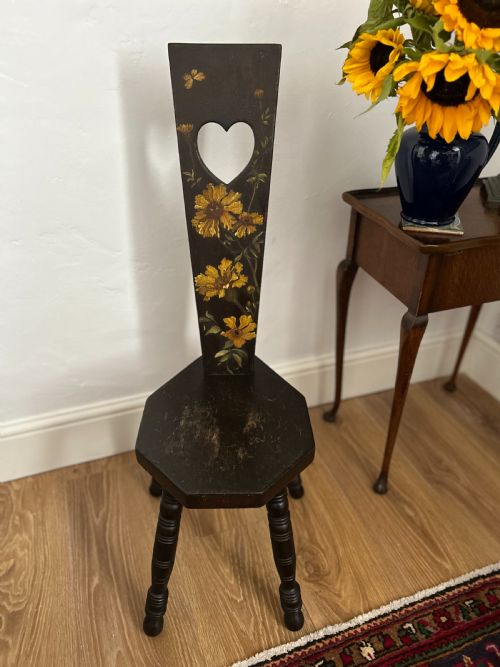


Vernacular Country Art
Vernacular country art represents unpretentious domestic and utilitarian pieces shaped by local traditions and everyday utility.
Vernacular Country Art
Vernacular country art encompasses utilitarian objects and seating created without academic pretension, reflecting regional habits and local resources. Buyers search for these pieces to introduce genuine character and historical depth into domestic interiors.
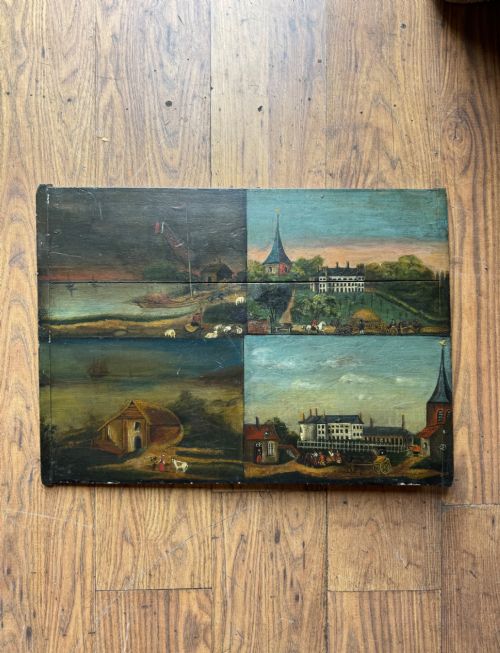
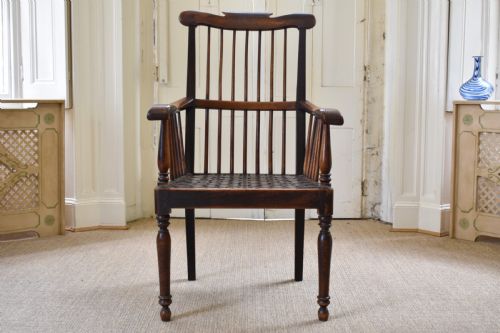
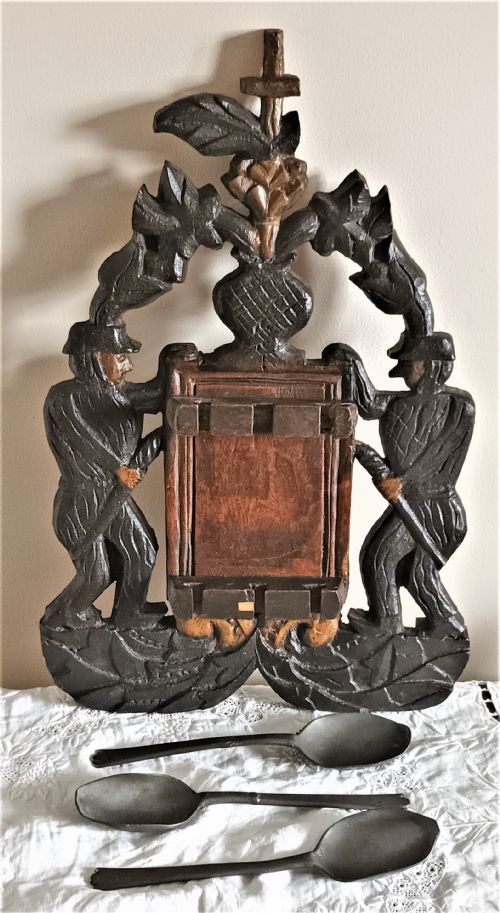
Armchairs, stools, side chairs, and decorative objects dominate the selection, alongside oil paintings and spoon racks. Nineteenth-century examples appear frequently alongside eighteenth-century items.
Regional variations span Scottish, English, Welsh, and Scandinavian vernacular traditions, alongside rustic farmhouse and folk art styles.
How they were made
Local timbers such as oak, pine, elm, fruitwood, and laburnum provide the primary structure for chairs, stools, and coffers. Makers utilised available hardwoods and softwoods to build robust daily furniture.
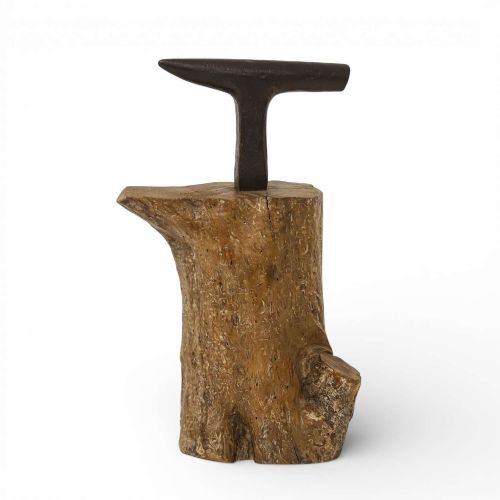
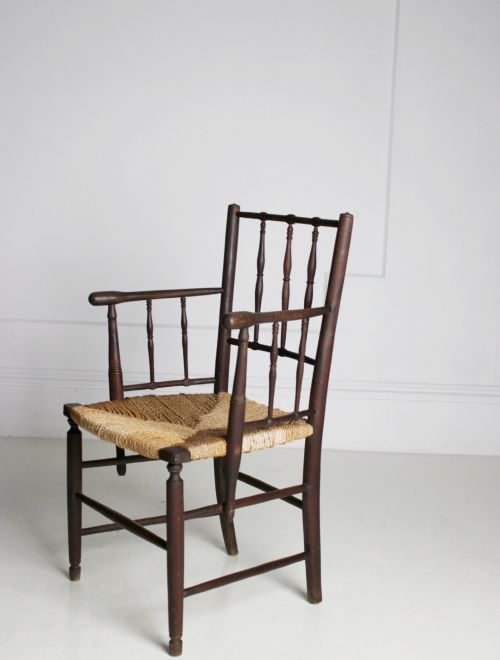
Seating often incorporates rush, straw, and plaited súgán for comfort, while painted finishes protect or decorate pine and beech surfaces. Dug-out construction techniques shape solid logs into primitive seats.
Milking stools balanced on a single leg allowed itinerant workers to remain strapped to their seat while moving around the cow.
What varies in quality
The strength of the original design and the integrity of the surviving material determine the standing of an item. Pieces that retain their unblemished surface patination and untouched construction carry greater visual weight.
Structural honesty and the harmony of regional forms distinguish accomplished rural making from routine utilitarian items. Surface wear tells a clear story of daily service.
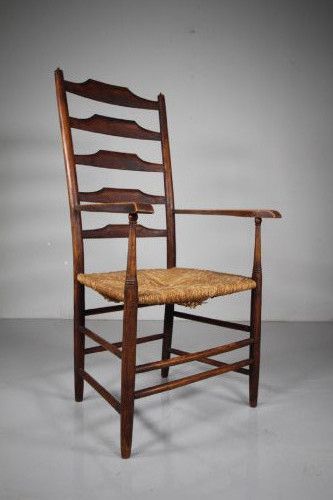
Philip Clissett
The Vernacular Country Art Glossary
- Vernacular
- Architecture and objects made by local craftspeople using traditional methods and native materials without formal academic design. This approach prioritises utility and local habit.
- Súgán
- A type of twisted straw or hay rope used traditionally for chair seats in Ireland and parts of Britain. It provides a resilient and pliable surface.
- Comb back
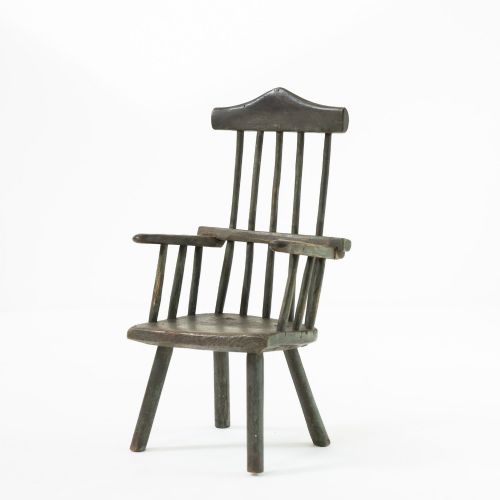
- A Windsor chair variation where the vertical spindles extend through a horizontal crest rail resembling the teeth of a comb. This construction offers robust back support.
- Stick back
- A chair construction method where turned sticks or spindles are inserted directly into a solid wooden seat. It forms a lightweight and sturdy framework.
- Trefid
- A spoon style from the late seventeenth and early eighteenth centuries featuring a broad flat terminal notched into three lobes. It marks an early form of domestic flatware.
Vernacular Country Art: Frequently Asked Questions
What defines vernacular country art?
Vernacular country art consists of utilitarian objects and furniture made by local hands using traditional regional methods. These pieces served domestic, agricultural, or craft purposes rather than following formal academic design.
They reflect the specific materials and habits available in regions from Wales to Scandinavia, using local timbers like oak, elm, and pine.
How do I identify eighteenth-century pieces?
Eighteenth-century items often show deeper patination, simpler tool marks, and construction methods tied strictly to period joinery. Comb-back armchairs and early oak spoon racks display these older structural traits.
Examining the underside and joints reveals hand-worked surfaces distinct from later nineteenth-century production.
Where were Orkney chairs used?
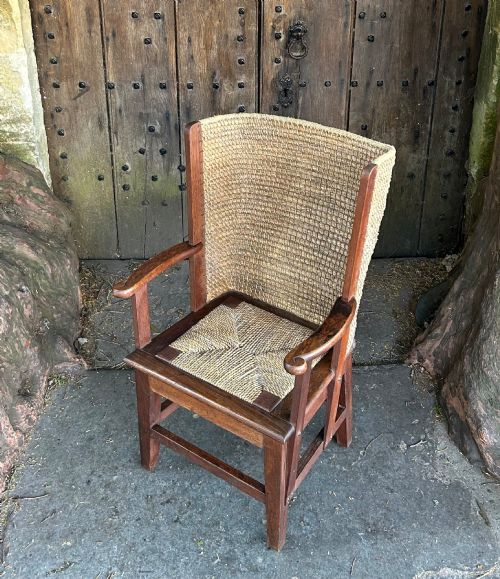
Orkney chairs originated in the harsh northern Scottish climate where high straw backs protected occupants from cold draughts. Their distinctive plaited straw hoods and frames mark a distinct regional tradition.
Later examples from the early twentieth century continue this specific island craft.
How should I care for primitive furniture?
Keep primitive wooden furniture and painted surfaces away from direct heat sources and sudden humidity changes. Natural waxes applied sparingly help preserve dry pine, oak, and elm.
Allowing the wood to breathe maintains the historical patination accumulated over centuries of use.