


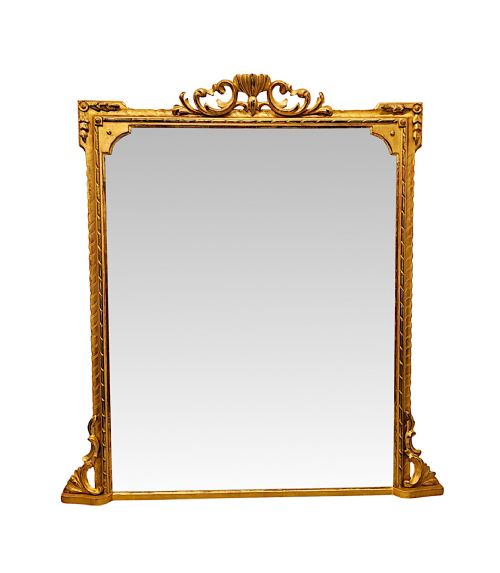
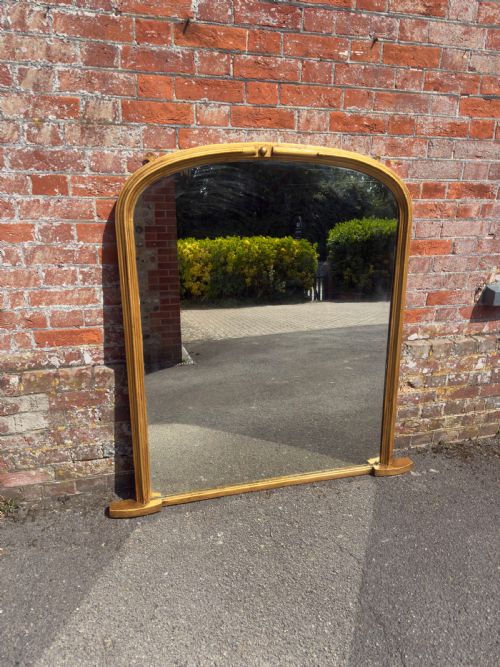
Victorian Gilded Mantle Mirror
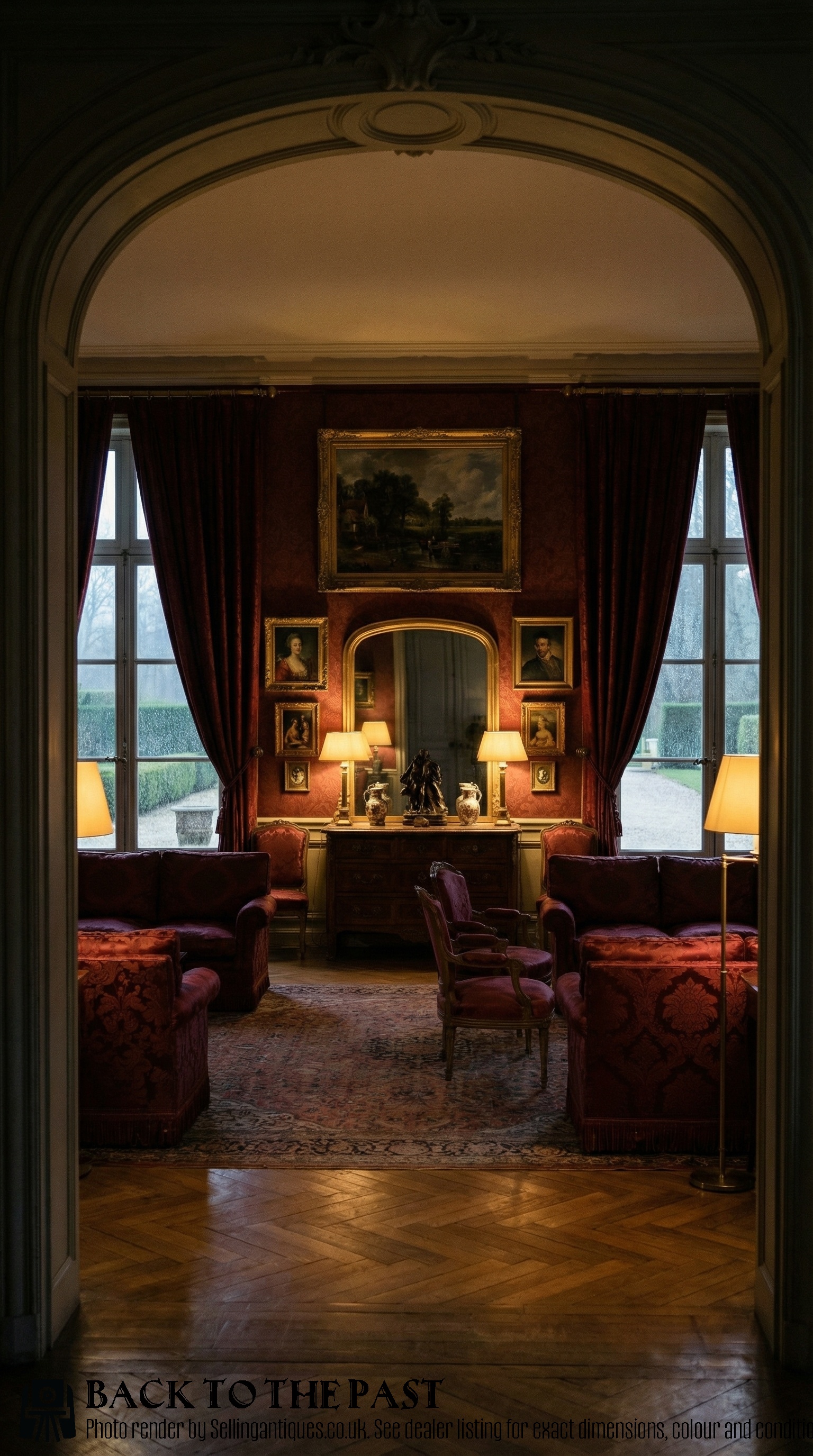
A victorian gilded mantle mirror brings warmth and reflective depth to a principal room, anchoring a chimney breast with nineteenth-century scale and light.
Victorian Gilded Mantle Mirror
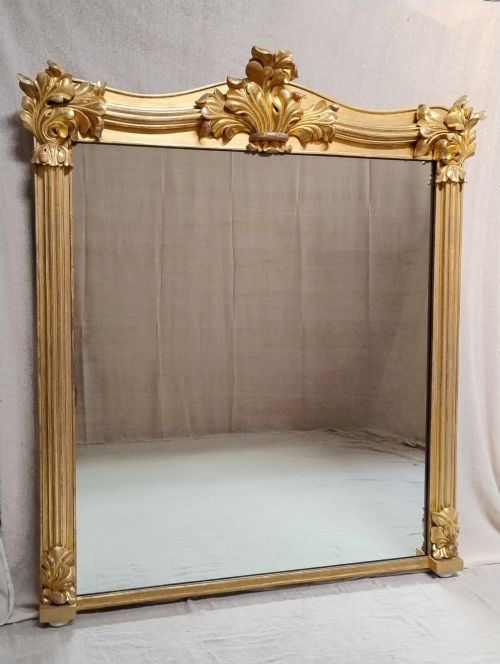
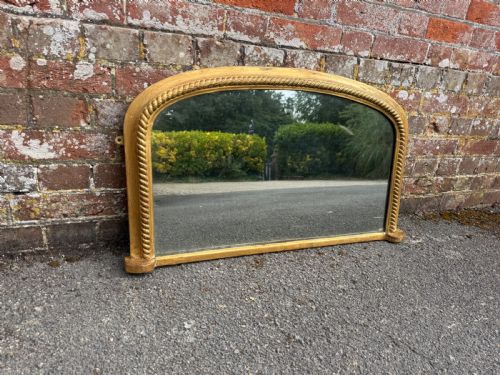
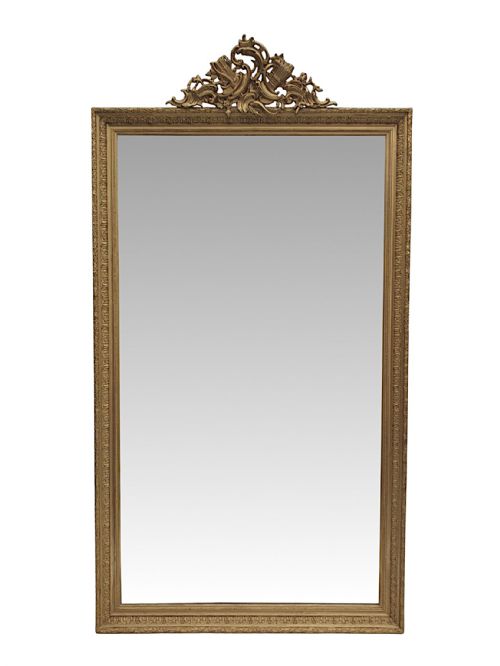
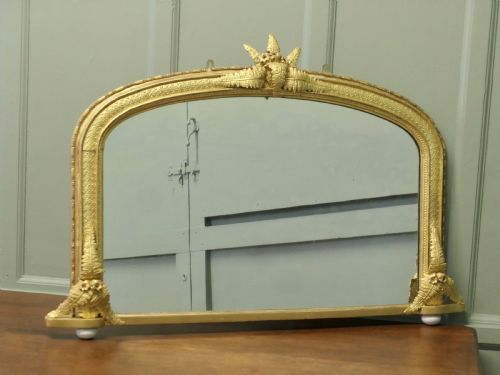
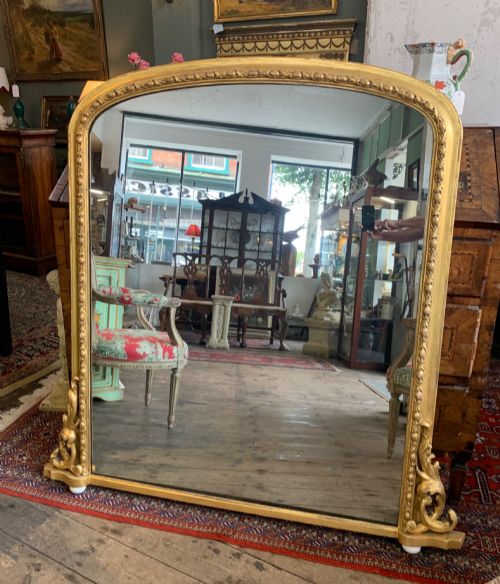
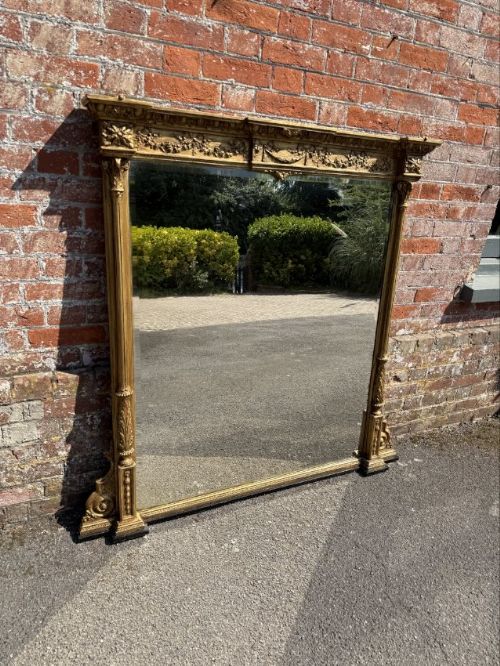
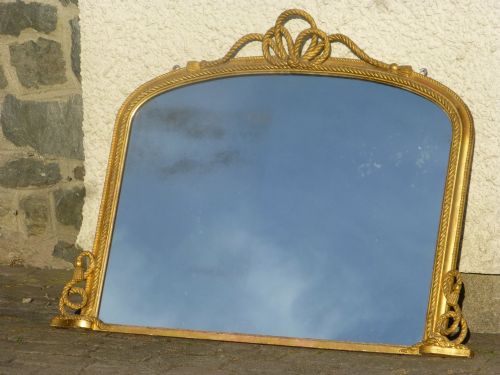
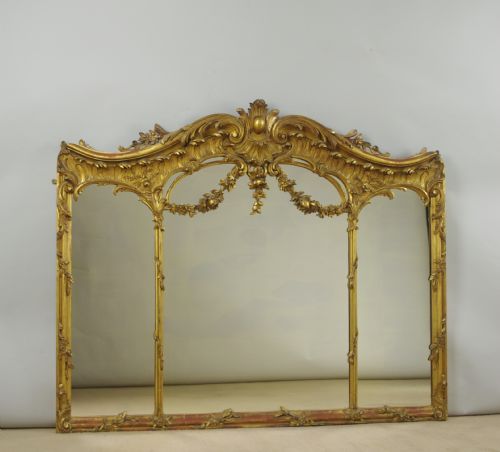
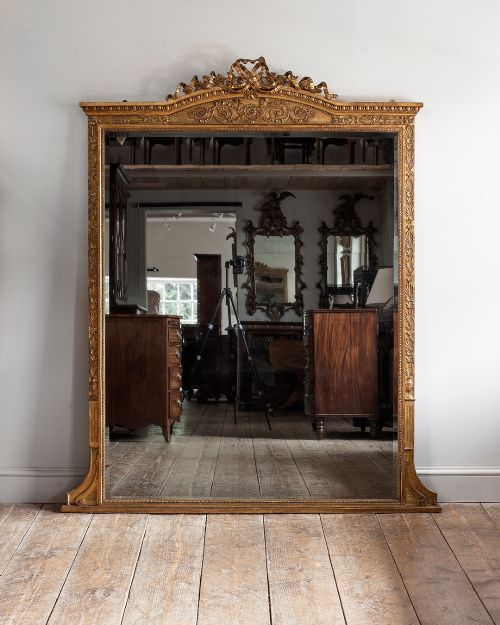
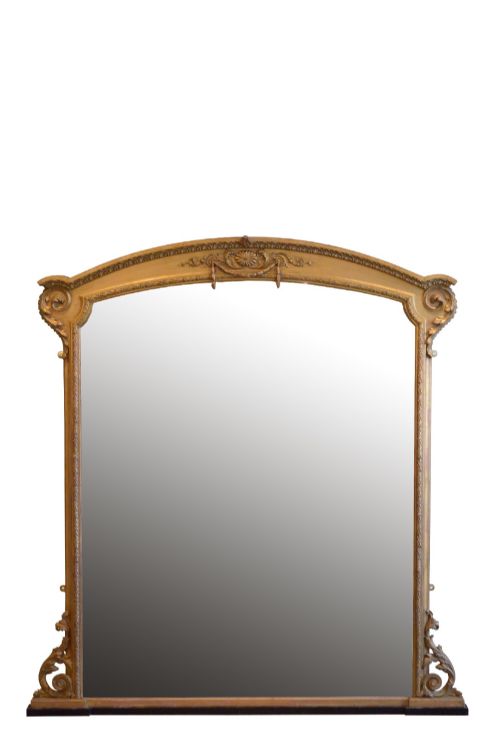
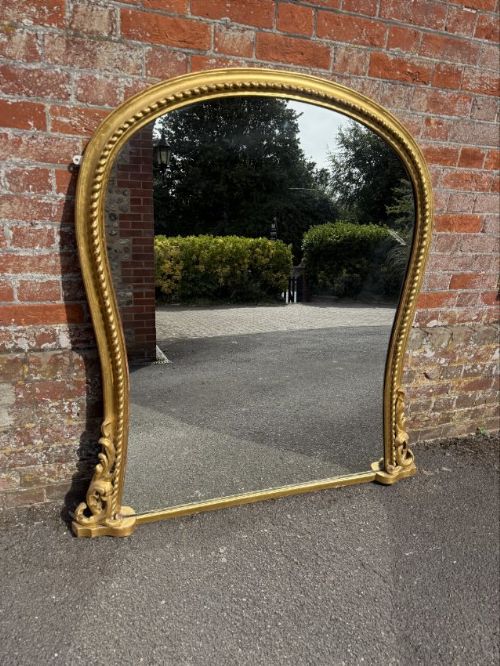
A victorian gilded mantle mirror is a large, architectural glass designed specifically to sit above a fireplace hearth. These pieces emerged from the nineteenth century in various grand formats, most frequently encountered as arched top or rectangular wall-hanging overmantels.
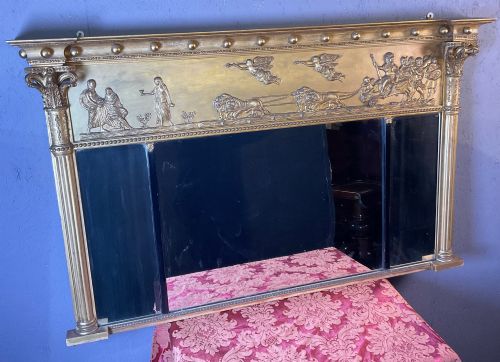
Makers constructed these frames to command the principal reception rooms of townhouses and country piles. The surviving examples draw the eye upward with sweeping proportions, often incorporating detailed crests, cartouches, or triple plate configurations.
The aesthetic leans heavily toward revivalism, encompassing French Rococo, Regency, and early Victorian tastes. Builders shaped wood and gesso to mimic heavier masonry or fluid organic curves, creating an impression of substantial architectural weight.
What varies in quality
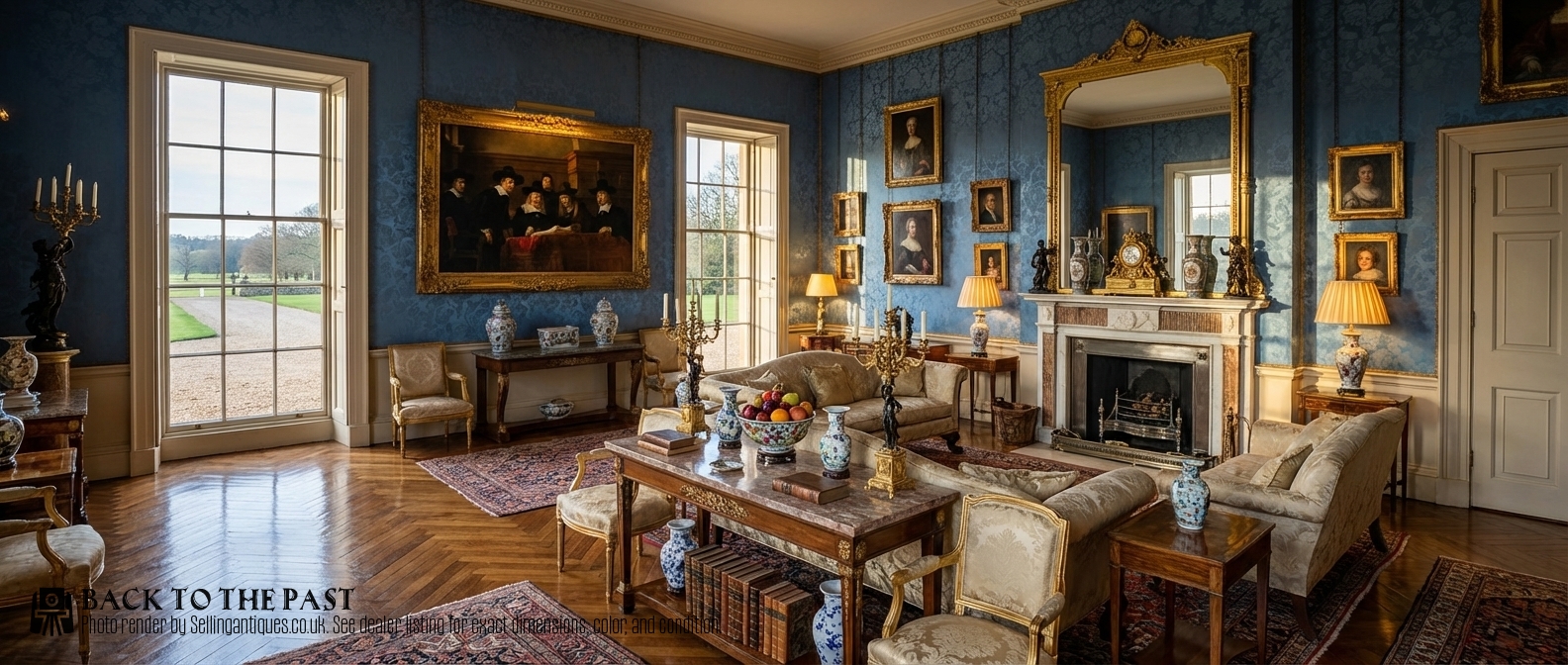
The distinction between ordinary and exceptional examples rests upon the crispness of the carved gesso and the depth of the original gilding. Finer pieces retain intricate relief work around the arches and cartouches without the softening caused by repeated over-painting.
The glass itself plays a vital role, with heavier, distorted antique mirror plates offering a different visual texture than flat modern replacements. Frames that preserve their original gilding and structural joinery command greater respect among collectors.
Victorian Gilded Mantle Mirror Retail Price Guide 2026
Typical asking prices for victorian gilded mantle mirror among the pieces listed under this phrase on Sellingantiques today, from the lower quarter to the upper quarter. They describe what is for sale here now, not the wider market.
Listings for this phrase feature pieces predominantly dated to the nineteenth century, spanning the eighteen-fifties through to nineteen hundred.
The Victorian Gilded Mantle Mirror Glossary
- Gesso
- A mixture of plaster of Paris and glue used as a base for carving and gilding on wooden mirror frames. It provides a smooth, receptive surface for intricate mouldings.
- Giltwood
- Timber that has been coated with gold leaf or metal leaf. This technique protects the wood while delivering a brilliant reflective surface.
- Overmantel
- A large mirror or painting designed to be hung specifically on the wall directly above a mantelpiece. These fixtures were proportioned to match the width of the fireplace below.
- Cartouche
- An ornamental tablet or oval frame, often bearing carved scrollwork or heraldic motifs. It frequently anchors the central crest of an arched mirror.
- Triple plate
- A mirror construction featuring three distinct glass sections within a single overarching frame. This design broadens the reflective expanse across wide chimney breasts.
Victorian Gilded Mantle Mirror: Frequently Asked Questions
How do I hang a heavy overmantel mirror safely?
These large frames carry significant weight from the timber, gesso, and glass combined. Secure the mirror directly into the masonry or heavy wall studs using substantial brackets suited to the load.
Professional installation is strongly advised to distribute the weight evenly across the wall. Ensure the hanging wire or fixing points engage with the core structure rather than superficial plaster.
What is the difference between an overmantel and a wall mirror?
Overmantel mirrors were specifically proportioned to sit on the horizontal shelf of a fireplace surround. Their dimensions balance the width and height of a chimney breast rather than standard wall spaces.
Standard wall mirrors lack this architectural relationship to hearths and generally follow different scale rules. An overmantel often includes specific framing along the lower edge designed to sit close to the wooden mantel.
How do I clean an antique gilded frame?
Dust the intricate gesso and carved details gently using a very soft, dry artist brush or feather duster. Avoid applying moisture or chemical cleaning agents, which can lift fragile gold leaf from the plaster base.
Water and modern solvents will strip nineteenth-century finishes rapidly. Regular, gentle dusting is all that is required to maintain the surface without disturbing the aged patina.
Can I replace the original mirror glass?
Replacing original glass removes part of the historical integrity and visual character of the piece. Antique plates often display desirable foxing, waviness, and imperfections that signal genuine age.
When original glass survives intact, it adds considerably to the authenticity of the object. Only severe damage warrants a modern replacement plate.