






Victorian Fusee Movement
A victorian fusee movement provides the reliable timekeeping at the heart of nineteenth-century clocks, prized for its ability to maintain constant power.
Victorian Fusee Movement
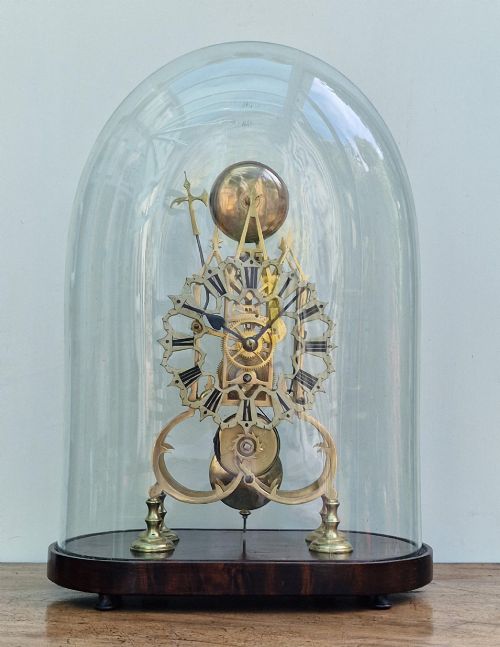
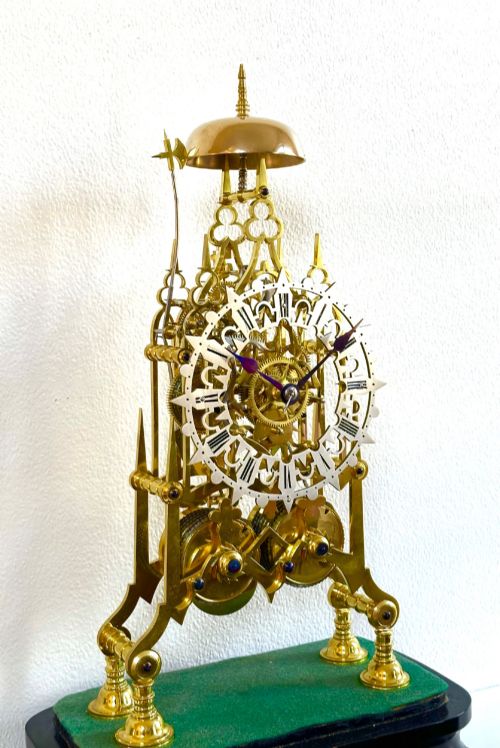
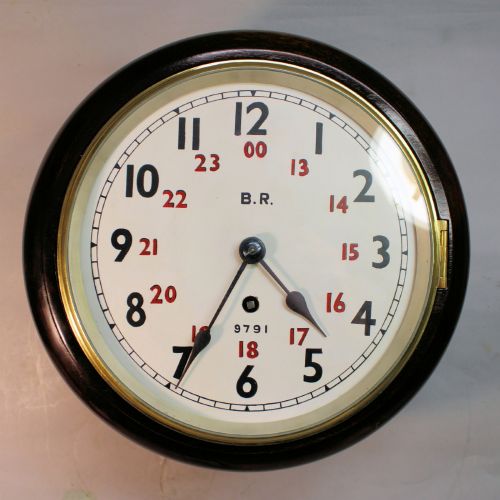
When you search for a victorian fusee movement, you encounter a mechanism designed to equalise the diminishing pull of a declining mainspring. This mechanical heart sits inside various nineteenth-century housings, from utilitarian railway wall clocks to elaborate skeleton clocks under glass domes.
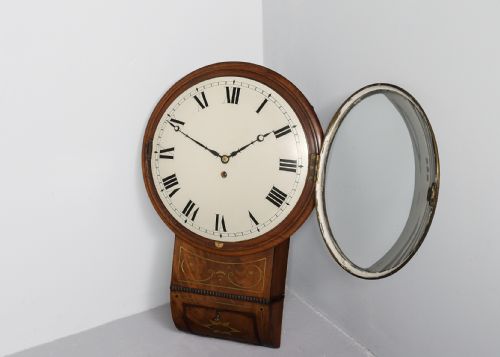
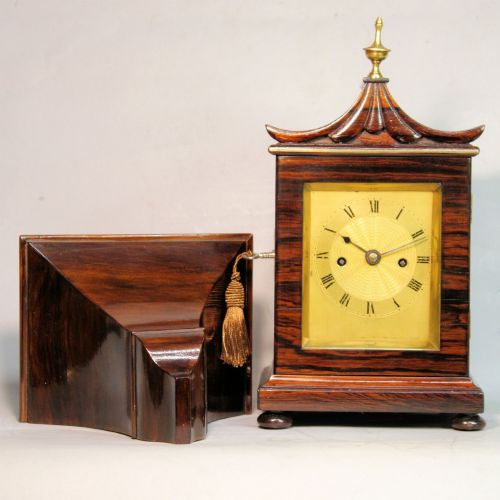
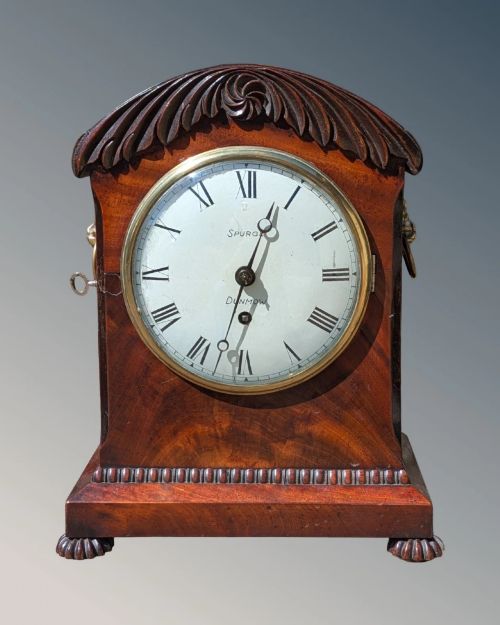
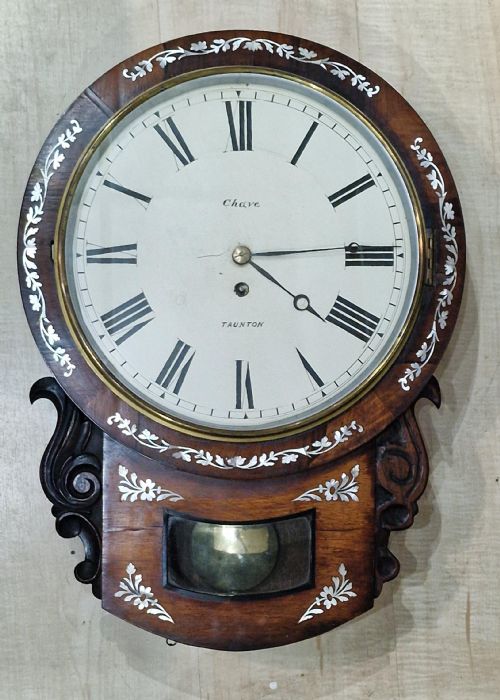
Mahogany and rosewood cases frequently house these movements, appearing as round dial wall clocks, drop-dial school clocks, or table library timepieces. The selection ranges from single fusee timepieces to twin fusee variants capable of striking bells.
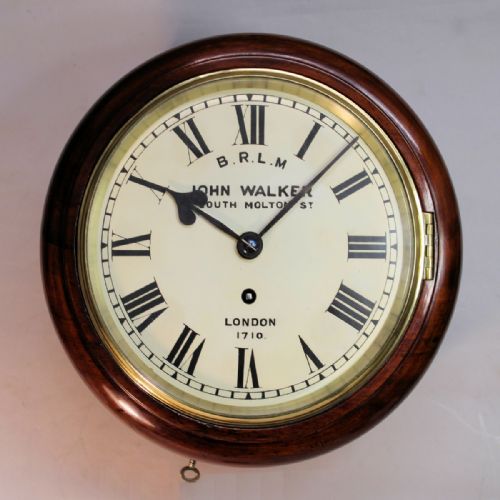
Railway companies and municipal offices utilised these reliable timepieces, leading to many surviving examples bearing station names or retailer signatures upon their dials. Domestic bracket and mantel clocks also employ the same gear train to drive their hands with precision.
How they were made
Makers constructed these movements primarily from brass and steel, housing them within cabinets of mahogany, rosewood, oak, or walnut. Chains or gut lines connect the conical fusee pulley to the spring barrel, transmitting regulated force through the wheel train.
Skilled horologists cut intricate gear teeth by hand and engraved backplates with maker details or serial numbers. Glass domes protect delicate skeleton clock versions, while robust timber framing safeguards utility dials intended for station platforms.
What varies in quality
The degree of hand-finishing on the brass wheels and the crispness of engraving on the backplate distinguish superior examples from standard workshop production. Refined movements exhibit meticulous wheel cutting and fire-gilding where appropriate.
Cabinetwork also dictates value, with well-figured mahogany veneers, brass inlay, and intact original glass holding greater appeal than plain secondary timbers. The presence of signed dials from notable makers elevates the standing of an entire piece.
John Walker·Dent·William Payne·Phillips Brothers·Budgen
The Victorian Fusee Movement Glossary
- Fusee
- A conical pulley with a spiral groove that equalises the declining power of a mainspring as it unwinds. This ingenious cone ensures even torque reaches the escapement throughout the running period.
- Skeleton clock
- A timepiece with an open frame designed to reveal the movement plates and gear train to full view. These brass structures typically sit protected beneath a glass dome.
- Drop dial
- A wall clock featuring an extended wooden trunk below the circular face to accommodate a pendulum. Railway stations and schools widely employed this practical configuration.
- Twin fusee
- A movement possessing two separate fusee cones and spring barrels, enabling one train to drive the timekeeping and another to power a striking mechanism. This layout allows bells to sound on the hour or half-hour.
- Library clock
- A portable mantel or table timepiece housed in a fine wood or glass case suitable for a study. These smaller formats often incorporate five glass panels to display the motion from all angles.
Victorian Fusee Movement: Frequently Asked Questions
How do fusee movements work?
A fusee uses a conical pulley connected to the mainspring barrel by a fine chain. As the spring unwinds and loses tension, the chain pulls higher up the wider part of the cone, maintaining steady power.
This clever geometric design compensates for the changing force of the spring, allowing the clock to keep more accurate time over its running cycle.
How do I wind a fusee clock?
Winding requires inserting the key into the dial or backplate aperture and turning it gently until resistance increases. Most single and twin fusee mechanisms run for eight days on a full wind.
Care must be taken not to overwind the mechanism, ensuring the chain rests correctly within the spiral grooves of the conical pulley.
What is a skeleton clock?
A skeleton clock strips away the traditional enclosing wooden box to display the brass plates, gear wheels, and escapement in plain view. The open metalwork requires meticulous hand-finishing by the maker.
These decorative timepieces often stand upon a plinth and sit beneath a blown glass dome to protect the delicate motion from dust.
Are railway clocks different from domestic ones?
Railway clocks prioritise robust legibility, featuring clear painted dials, sturdy mahogany or oak surrounds, and secure side doors for station staff. They were built to withstand vibrations and heavy daily use.
Domestic variants like bracket or library clocks focus on cabinet aesthetics, utilising fine rosewood, brass inlay, and refined movement engraving for parlour display.