




Vintage Horological Clock
A vintage horological clock brings mechanical precision and period character into a room, offering tangible links to centuries of engineering.
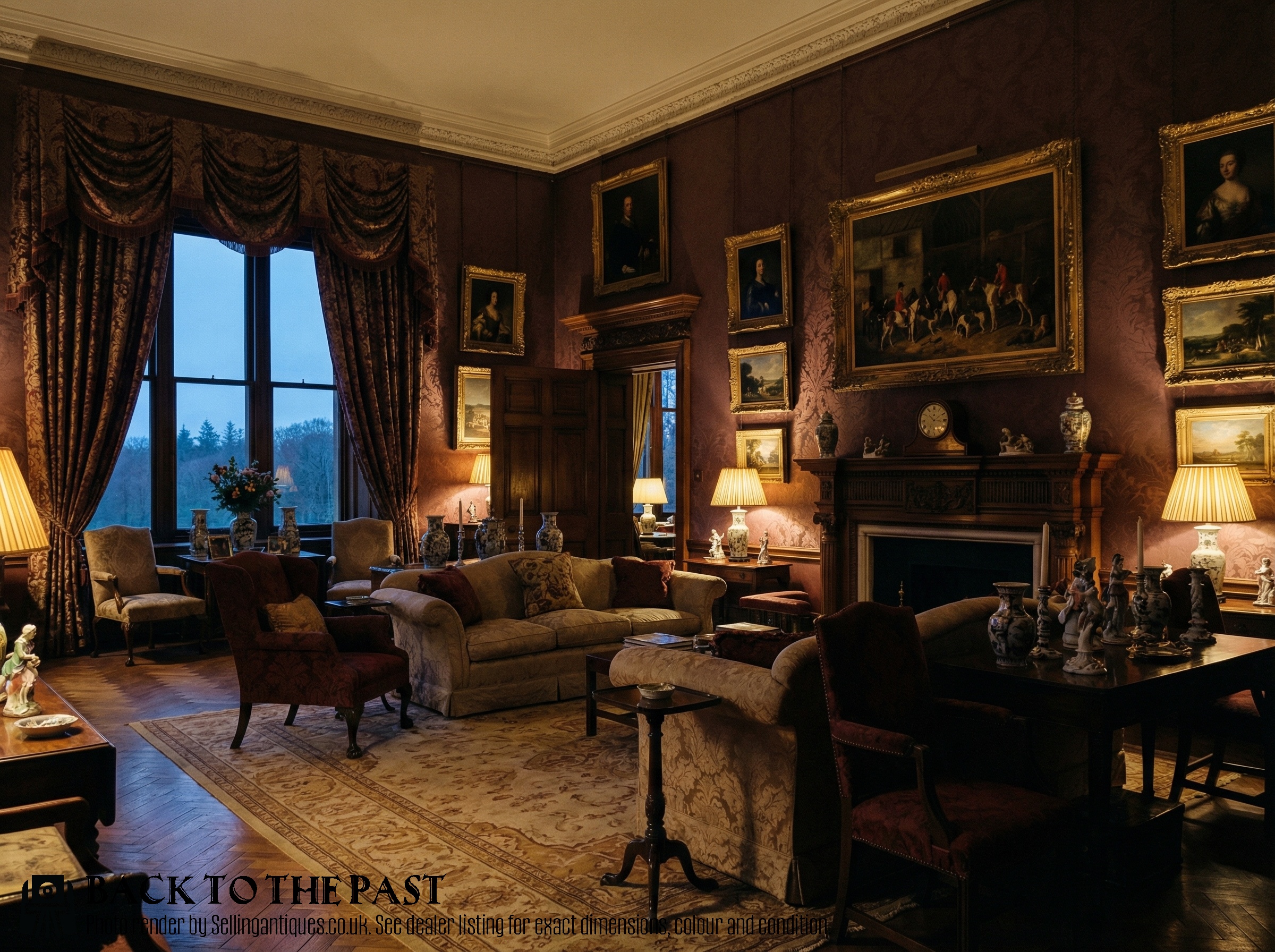
Vintage Horological Clock
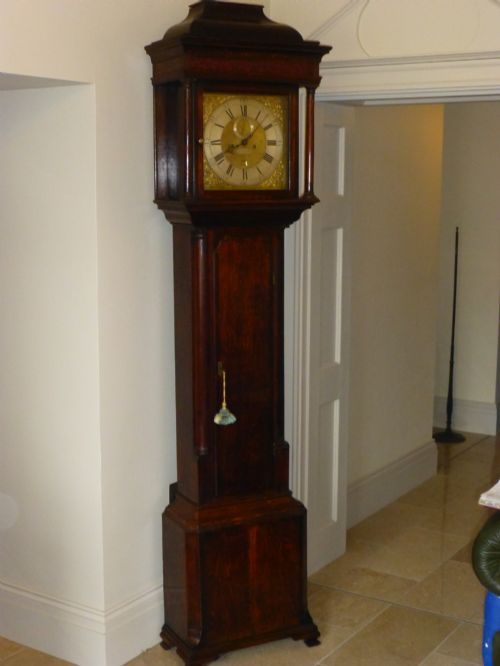
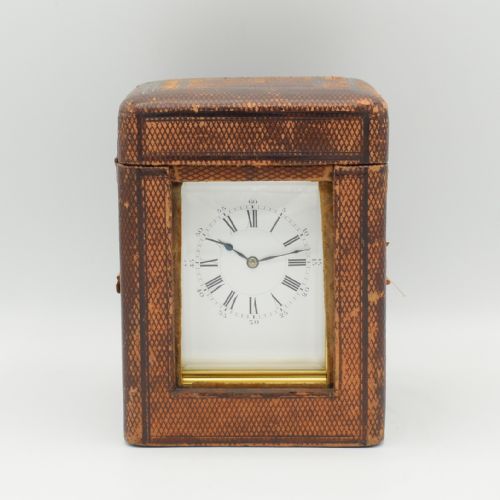
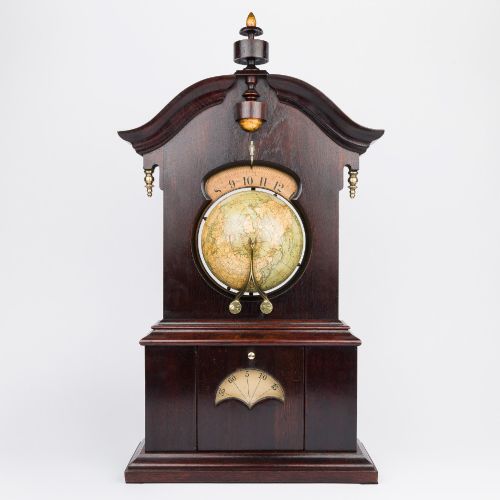
When collectors search for a vintage horological clock, they encounter diverse mechanical timepieces spanning several centuries and styles. The selection ranges from robust longcase pieces housed in oak and walnut to intricate French carriage clocks and exposed skeleton movements.
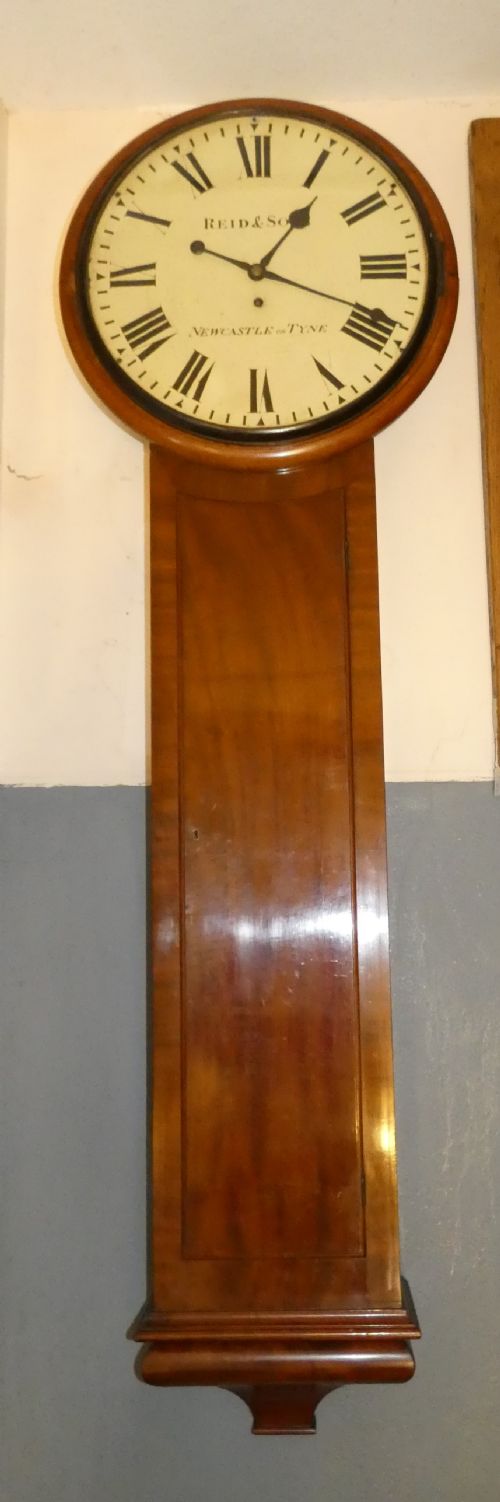
Mantel clocks and wall clocks dominate the offerings, often featuring traditional brass dials, white enamel numerals, and glass panels that reveal the internal gears. Pieces originating from the nineteenth century appear frequently, alongside examples from the eighteenth and early twentieth centuries.
Materials and construction methods
Casing construction relies heavily on durable hardwoods such as mahogany, oak, and walnut, frequently combined with brass components and glass viewing panels. Metalwork elements utilise steel, gilt bronze, and cast brass, creating robust housings that protect the delicate internal mechanisms.
Dials incorporate white enamel and engraved brass plates marked with Roman numerals, while internal gear trains employ precision brass cutting and steel arbors. Specialised protective enclosures often feature leather travel cases tailored to fit specific carriage designs.
Automaton beam engine clocks turn simple timekeeping into miniature industrial theatre, complete with moving parts mimicking steam machinery.
Evaluating craftsmanship and execution
Quality in these pieces rests upon the precision of the movement and the integrity of the original components. Superior examples retain their signed dials, original glass panels, and matching casework without extensive replacement parts.
The refinement of the engraving on brass masks and the complexity of additional complications, such as repeater mechanisms or alarm functions, distinguish finer workshops from standard production. Heavier brass castings and sophisticated escapements further indicate higher manufacturing standards.
Richard Corless of Stockport·Henri Jacot·Antoine Redier of Paris·Brunelot·L Epee·Jas Whitelaw of Edinburgh·Drocourt and Holingue·Mathias Bauerle·Perigal and Duterrau·Andre Guilmet·JOHN WALKER
The Vintage Horological Clock Glossary
- Fusee
- A conical pulley used in mechanical clocks to maintain even driving force as the mainspring unwinds. This mechanism ensures consistent timekeeping accuracy across the power reserve.
- Carriage clock
- A small, portable spring-driven timepiece developed for travel during the nineteenth century. These pieces typically feature a brass case with glass panels and a swinging handle.
- Skeleton clock
- A timepiece designed with an open framework that exposes the entire gear train and movement. This configuration allows the viewer to observe the mechanical operation from multiple angles.
- Lantern clock
- An early form of domestic brass clock, usually driven by weights and designed to hang on a wall or sit on a bracket. They date back to the seventeenth and eighteenth centuries.
- Regulator
- A high-precision clock utilised as a standard for setting other timepieces. These devices prioritize extreme accuracy through careful pendulum calibration and weight-driven consistency.
Vintage Horological Clock: Frequently Asked Questions
How do I wind a mechanical clock?
Winding requires inserting the appropriate key into the winding arbor and turning it gently until resistance is felt. Care must be taken not to overwind the mainspring.
Different movements require specific intervals, ranging from daily winding for certain carriage models to weekly attention for larger longcase clocks.
Where should I place a heavy clock?
Heavy timepieces need a stable, level surface capable of supporting considerable weight, such as a sturdy mantelpiece or a securely mounted wall bracket. Stability prevents vibrations from interfering with the pendulum.
Keeping the clock away from direct sunlight and drafts helps preserve wooden cases and delicate enamel dials over time.
What is the difference between a timepiece and a clock?
In horological terms, a timepiece indicates the hours and minutes without including any striking or chiming mechanisms. It focuses purely on tracking the passage of time.
A clock traditionally incorporates additional striking trains that sound the hours or quarters using bells, gongs, or passing strikes.
How can I identify the period of a clock?
Dating relies on examining stylistic clues within the casework, such as mahogany inlay or oak construction details typical of earlier centuries. Maker signatures and patent marks stamped on the movement plates also provide reliable chronological markers.
Material choices, dial typography, and the presence of specific escapement types help narrow down the decade of manufacture.