
Antique Style Clock
When you search for an antique style clock, you find timepieces echoing historical periods such as the Victorian era, Louis XVI style, and Georgian designs.
Antique Style Clock
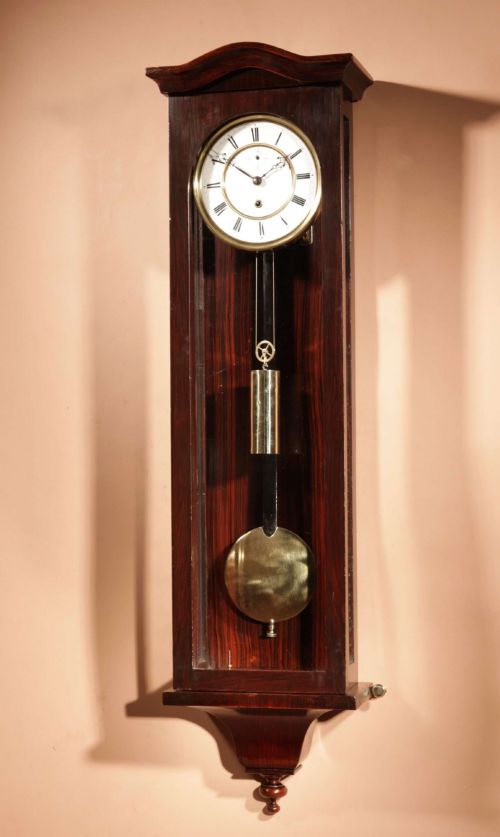
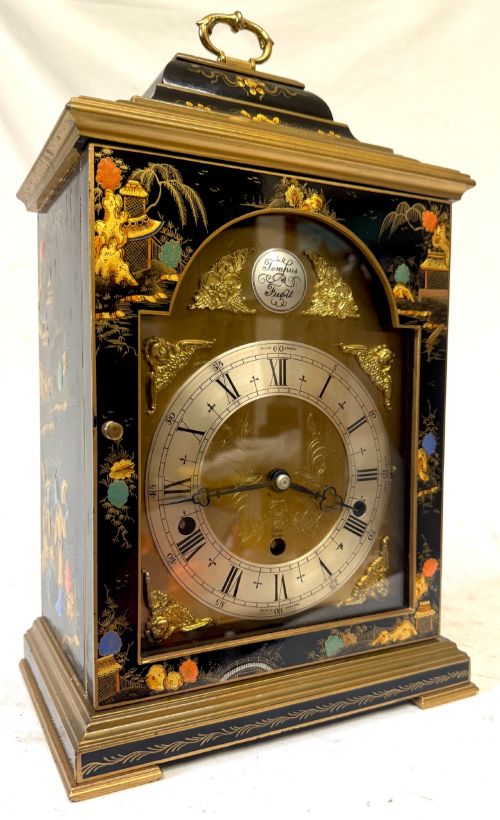
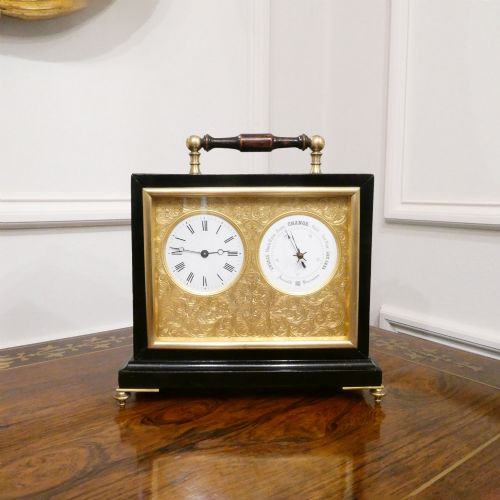
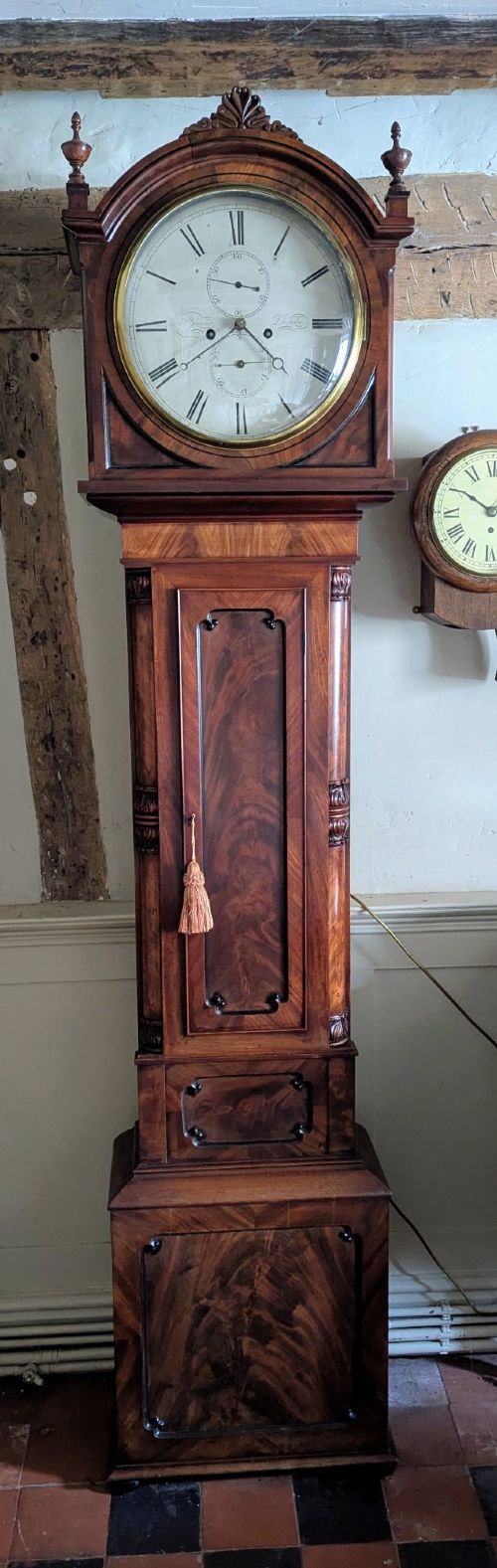
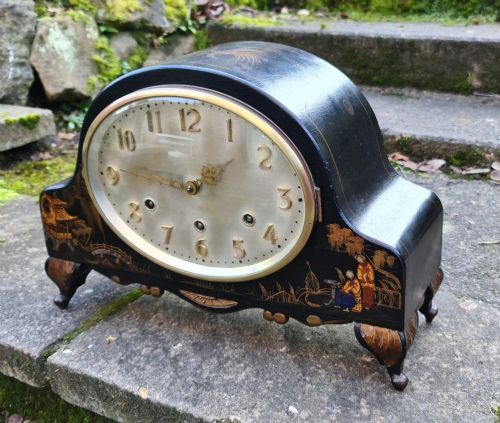
An antique style clock encompasses various forms designed to mimic or continue historical periods, ranging from large floor-standing longcase clocks to smaller mantel and wall clocks. These objects draw inspiration from diverse stylistic traditions, including French Rococo Revival, Chinoiserie, and Vienna regulators.
The pieces appearing on this page span the nineteenth and early twentieth centuries, as well as later interpretations of earlier aesthetics. Buyers encounter both domestic regulators and decorative mantel timepieces housed in wood, marble, or bronze.
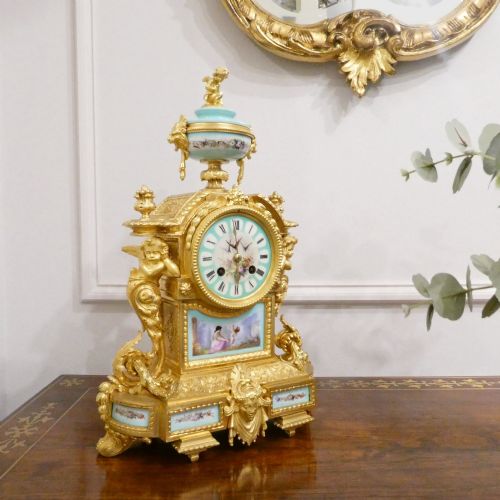
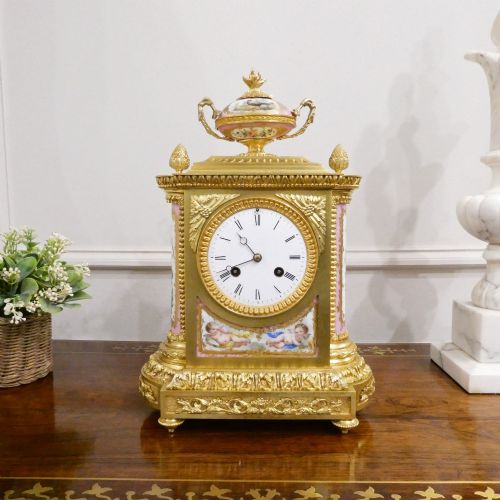
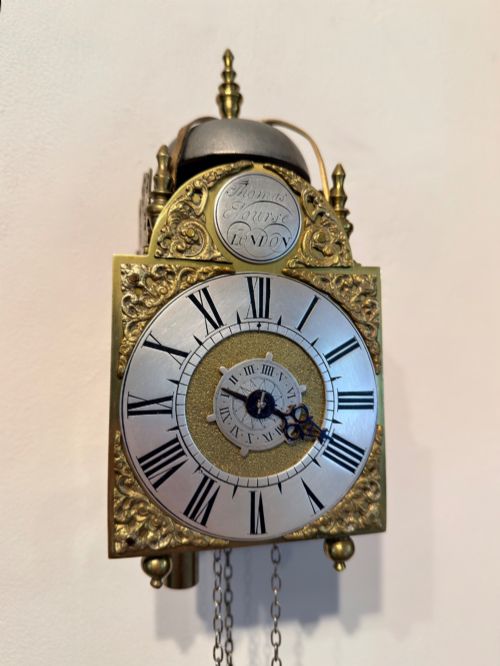
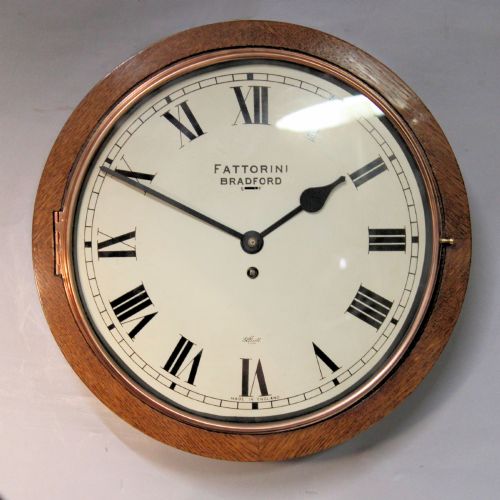
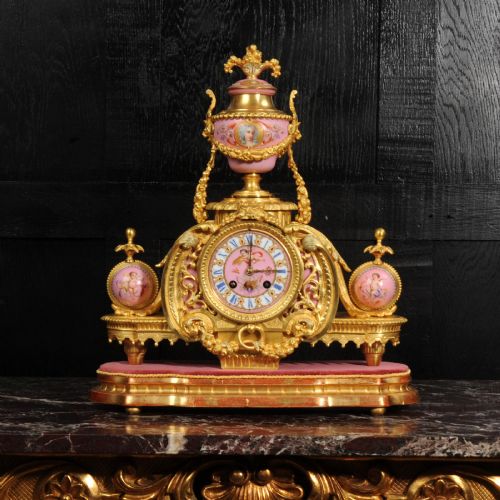
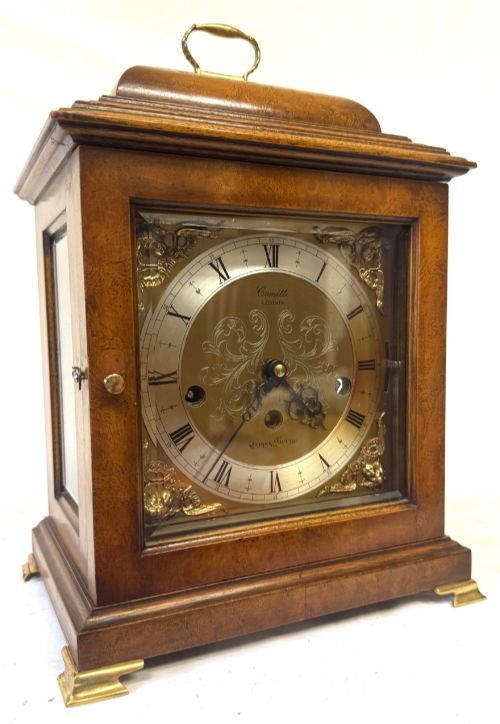
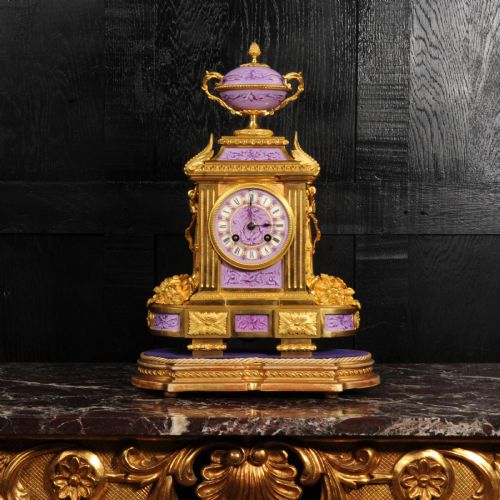
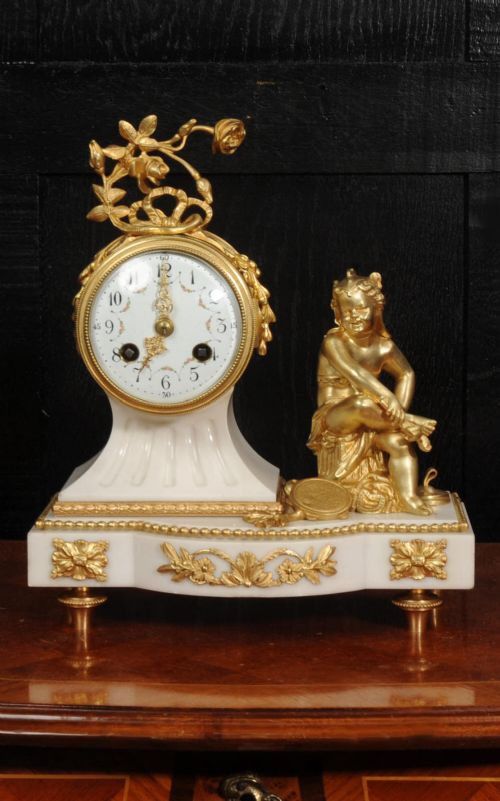
Mantel clocks and wall-hung dial clocks dominate the selection, often featuring specific regional characteristics like Black Forest carving or Parisian gilt bronze mounts. Each object offers a tangible link to past domestic interiors through traditional cabinetry and dial work.
Materials and construction
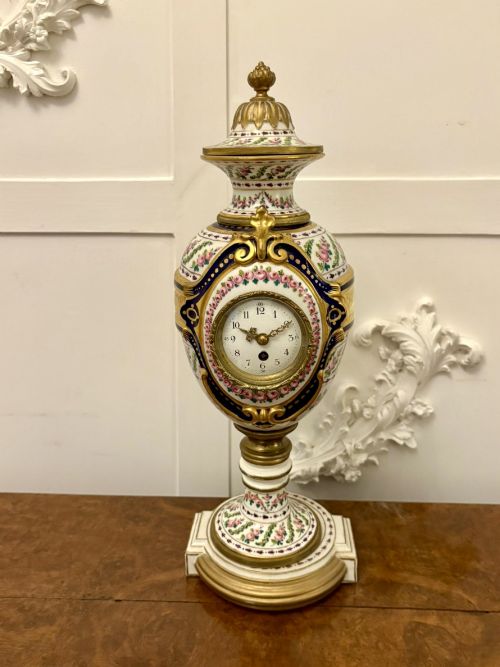
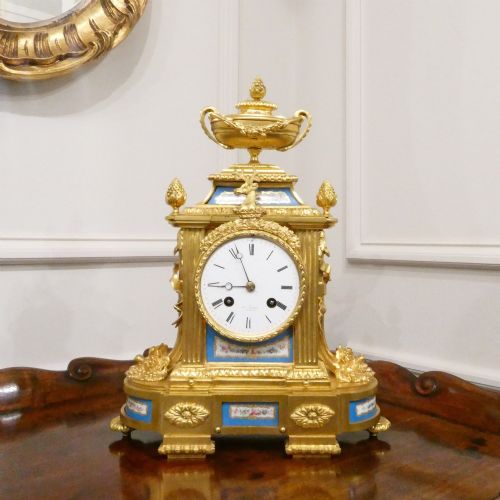
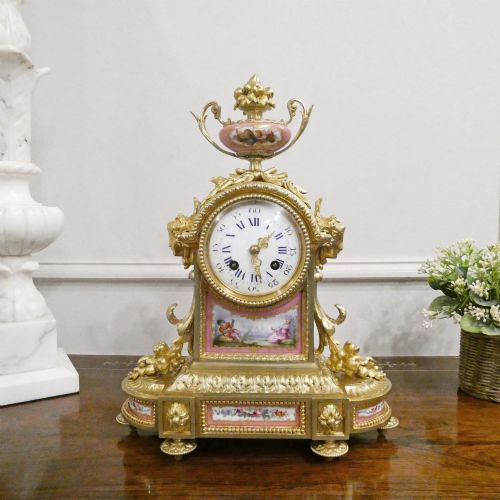
Makers utilised a combination of metals and timber, pairing brass, gilt bronze, and ormolu with mahogany, walnut, and oak for casework. Enamel, porcelain panels, and glass domes frequently complement these structural materials to enhance the visual display of the dial and movement.
Casework often incorporates hand-painted porcelain, marble, or intricate lacquer work in styles such as Chinoiserie and Louis XVI. Movements rely on mechanical escapements, ranging from lever escapements to pendulum-regulated systems housed within architectural or figurative cases.
Distinctions in craftsmanship
Quality separates pieces through the precision of the movement and the execution of the exterior decoration, such as hand-painted porcelain or chased ormolu mounts. Finer examples display harmonious proportions between the case materials - like figured walnut or tortoiseshell - and the internal mechanism.
The integration of signed movements by established makers alongside superior casting and carving elevates certain pieces above standard domestic timepieces. Attention to detail in the dial numerals, bezel fit, and case joinery marks the upper tier of the range.
Achille Brocot·Henry Marc·Japy Freres·Mappin & Webb·Samuel Marti
The Antique Style Clock Glossary
- Ormolu
- Gilded bronze, widely utilised in French decorative arts for mounts and clock cases during the eighteenth and nineteenth centuries. This technique involved applying a mercury-gilding process to a bronze base.
- Escapement
- The mechanical linkage that controls the rotation of the gear train by releasing the wheel at regular intervals. Common types include lever and anchor escapements.
- Garniture
- A set consisting of a central clock flanked by matching decorative objects, such as urns or candelabra, designed to sit together on a mantelpiece.
- Regulator
- A precision pendulum clock designed for high accuracy, often featuring a long case or wall-hung configuration with a prominent seconds dial.
- Boulle
- A form of marquetry utilising brass and tortoiseshell inlaid in contrasting patterns, named after the cabinetmaker André-Charles Boulle.
Antique Style Clock: Frequently Asked Questions
How do I identify the period?
Identifying the period involves examining the combination of materials, case style, and any signature or stamp left by the maker on the movement. Characteristics like gilt bronze ormolu, specific dial numerals, and architectural marble cases point towards nineteenth-century French or English craftsmanship.
Comparing the decorative motifs, such as Rococo scrolls or Chinoiserie lacquer, against known historical design revivals helps narrow down the manufacturing era.
Where were mantel clocks placed?
Mantel clocks traditionally stood on the mantelpiece above a fireplace, serving as both a functional timepiece and a central decorative ornament for the room. They were frequently accompanied by matching side urns or candelabra known as garnitures.
In modern settings, these clocks find placement on sideboards, shelves, or desks where their mechanical movement and case details remain visible.
How should I care for a mechanical clock?
Caring for a mechanical clock involves placing it on a stable, level surface away from direct sunlight, extreme temperature changes, and drafts. Regular winding according to the specific movement type keeps the gear train operating smoothly.
Professional servicing is recommended every few years to clean the mechanical parts, oil the pivots, and ensure accurate timekeeping without damaging vintage components.