





Traditional Horology Clock
Traditional horology clock examples combine brass, wood and glass across centuries of workshop practice to measure time.
Traditional Horology Clock
A traditional horology clock search brings up timepieces spanning the seventeenth century through the twentieth century, encompassing longcase, bracket, mantel, wall, lantern and carriage formats.
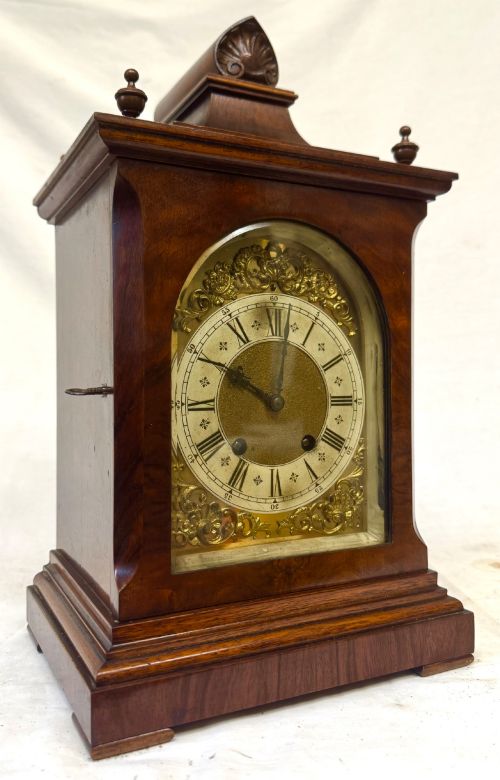
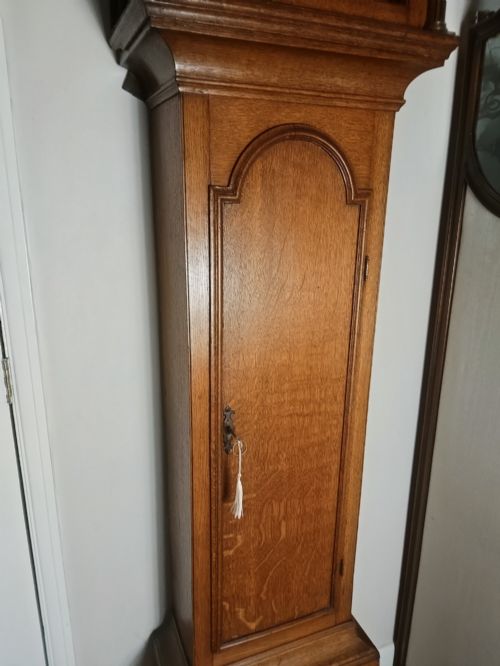
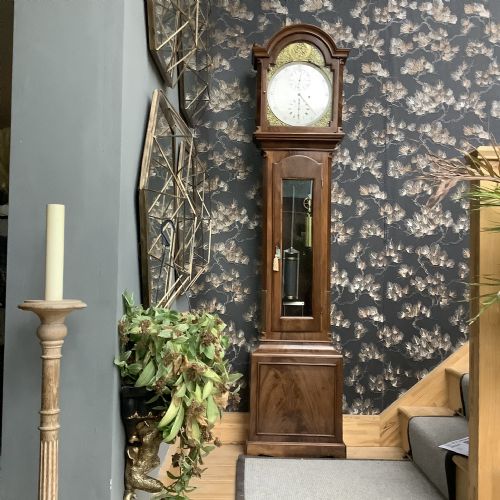
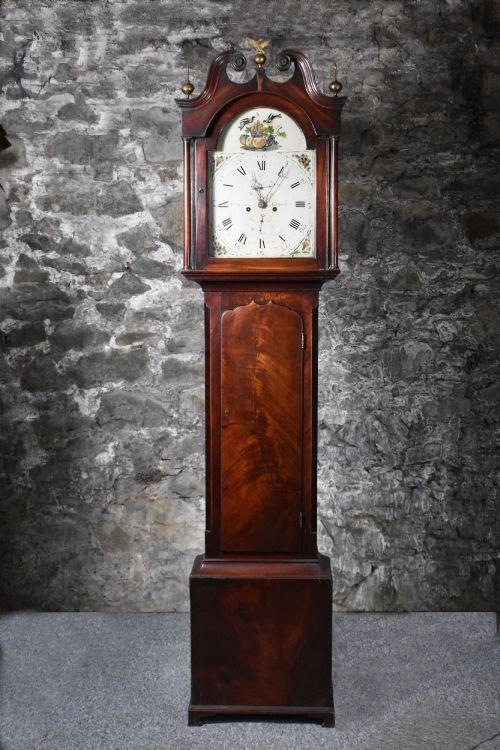
The longcase clock appears frequently in oak and mahogany, often incorporating moon phase dials or strike-silent mechanisms.
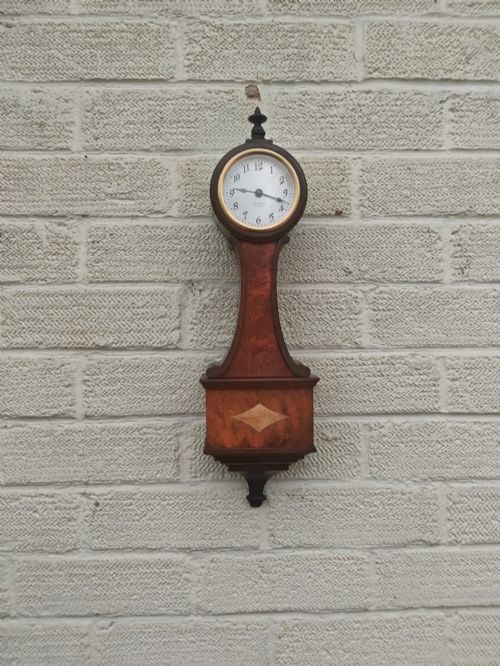
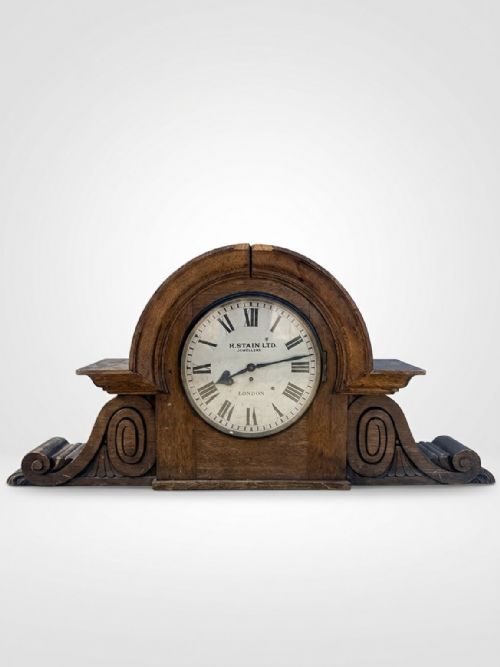
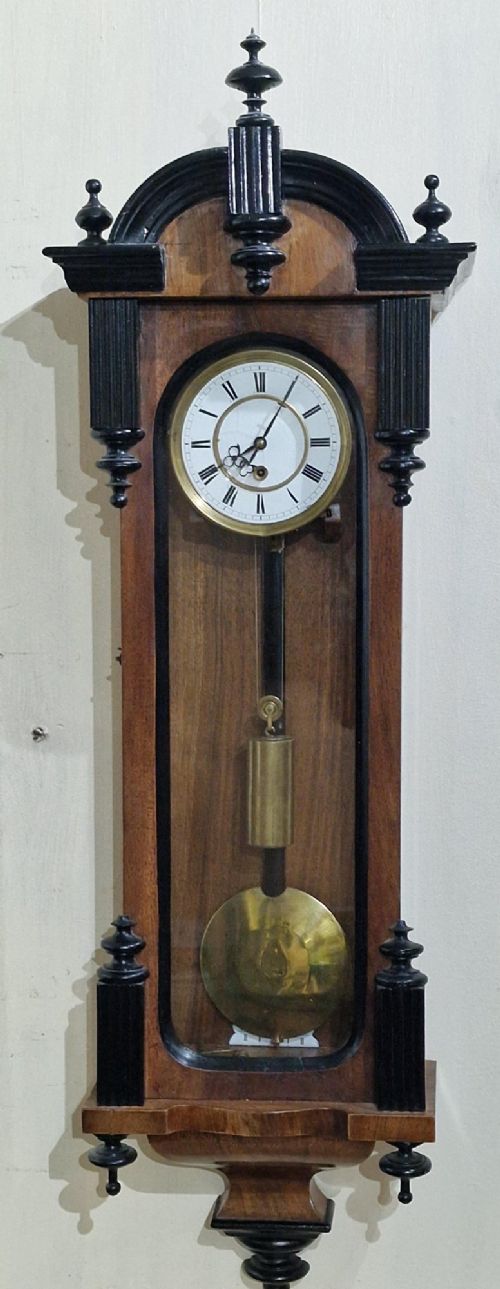
Wall clocks and carriage clocks also feature strongly, ranging from Victorian Vienna regulators to brass-cased portable designs.
How they were made
Cases utilise solid timbers including mahogany, walnut, oak and ebonised wood, frequently complemented by brass dials and glass panels.
Movements incorporate steel and brass components, driven by weights or springs and regulated by pendulums or balances, with enamel often applied to dial faces.
Traditional Horology Clock Retail Price Guide 2026
Typical asking prices for traditional horology clock among the pieces listed under this phrase on Sellingantiques today, from the lower quarter to the upper quarter. They describe what is for sale here now, not the wider market.
Listings feature periods spanning from the 17th century through the 20th century, utilising brass, mahogany, oak and walnut materials.
What varies in quality
Quality differences emerge in the execution of the casework, from plain oak housings to burr walnut or kingwood finishes with intricate marquetry and carving.
The sophistication of the movement dictates distinction, ranging from standard time-only mechanisms to complex quarter-striking, moon phase additions and signed maker plates.
Lenzkirch·Seth Thomas·Mappin & Webb·Henry Weedon·John Spershott·William McEwan·L. Vick·Henry Massy·David Craig·Connell of London·Grey of Edinburgh·Henry Deykin·Johann Baptist Beha·Whitelaw·Richard Prew·Thomas Lees·James Grohe·Baveux and Jacot
The Traditional Horology Clock Glossary
- Fusee
- A conical pulley connected to the mainspring by a chain or cord, designed to equalise the torque as the spring unwinds. This mechanism helps maintain consistent timekeeping throughout the power reserve.
- Vienna Regulator
- A precision pendulum wall clock developed in Austria during the nineteenth century. These clocks are known for their refined wooden cases and accurate weight-driven movements.
- Bracket Clock
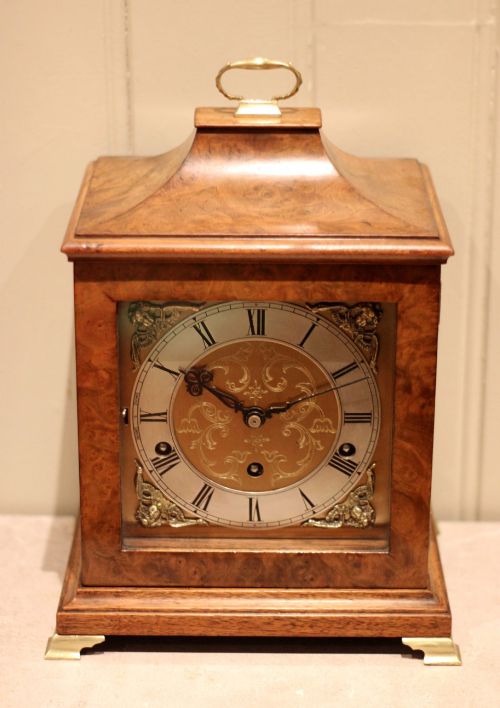
- A portable mechanical clock originally designed to sit on a bracket or shelf. Most examples feature a carrying handle on top and enclosed wooden or glazed cases.
- Moon Phase
- A dial mechanism tracking the lunar cycle through a rotating disc showing the phases of the moon. It typically appears on the arched top of longcase clock faces.
- Lantern Clock
- An early form of brass chamber clock, usually wall-mounted with exposed weight cords and decorative strapwork. They represent some of the earliest domestic mechanical clocks produced in Britain.
Traditional Horology Clock: Frequently Asked Questions
How do I wind a traditional horology clock?
Winding requires inserting the appropriate key into the winding holes on the dial face and turning it gently until resistance is met. Care should be taken not to overwind the mainspring.
For weight-driven clocks, the weights are pulled up via a chain or cord system rather than wound with a key. Each mechanism has its own interval, typically running for eight days or thirty hours between winds.
Where should I place a longcase clock?
Longcase clocks need a stable, dry interior wall away from direct sunlight, central heating vents and heavy foot traffic that might cause floor vibrations. A level surface ensures the pendulum swings evenly.
Securing the case to the wall using the provided bracket prevents accidental tipping, particularly on older timber floors.
How do I tell an 18th-century clock from a 19th-century one?
Eighteenth-century clocks often feature simpler, robust oak or early mahogany longcase designs with brass chapter rings and hand-engraved maker signatures. Proportions tend to be heavier and construction relies on traditional joinery.
Nineteenth-century examples frequently introduce refined veneers like burr walnut, standardised movement components, factory-stamped plates and varied regional styles such as Vienna regulators or carriage clocks.
What is a strike-silent mechanism?
A strike-silent mechanism is a small lever or dial setting on the clock face that disables the hourly chime without stopping the timekeeping movement. This feature allowed owners to silence the clock during the night.
It operates by lifting the rack or warning lever so the strike train cannot release its gear train when the hour arrives.