

Victorian Fusee Dial Clock
A victorian fusee dial clock delivers steady time through a conical gear movement housed in a clear circular timber case meant for public or domestic rooms.
Victorian Fusee Dial Clock
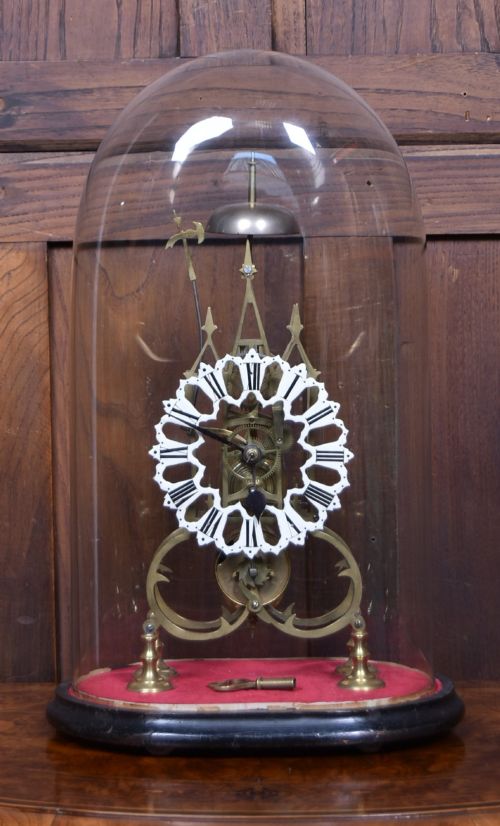
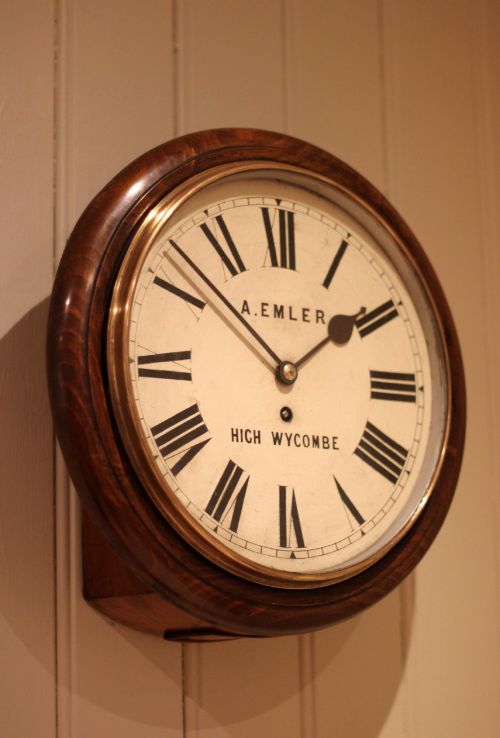
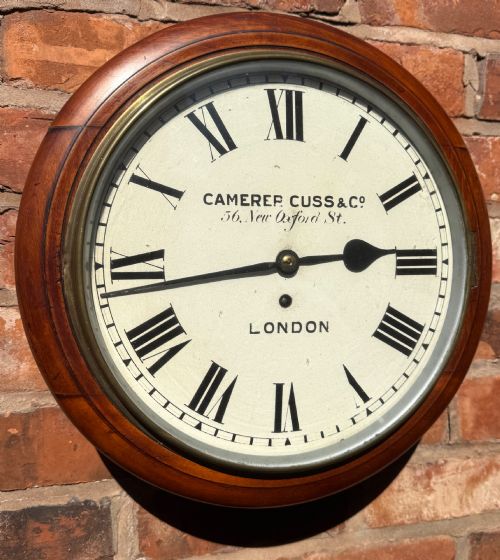
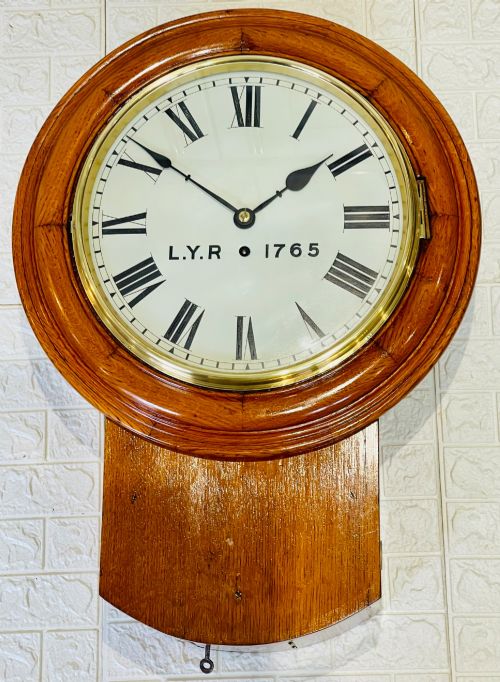
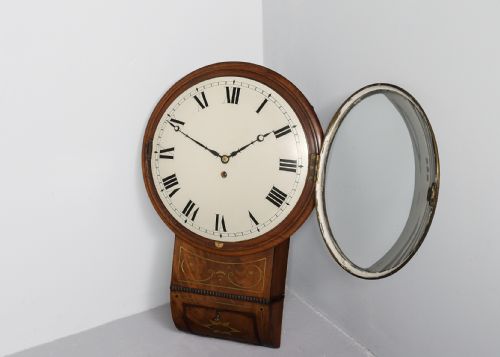
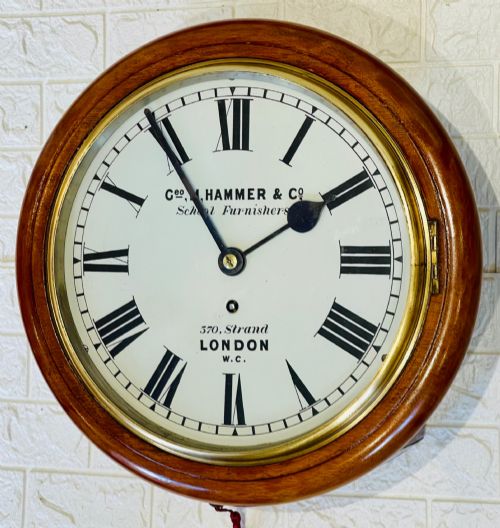
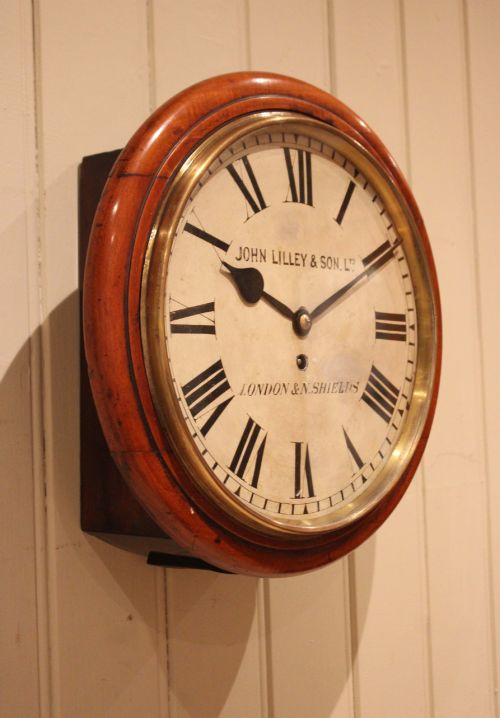
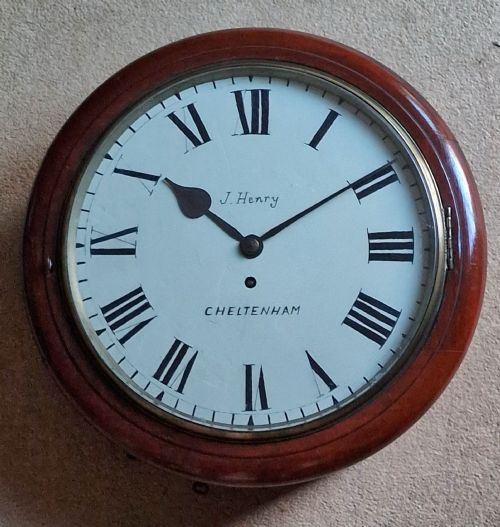
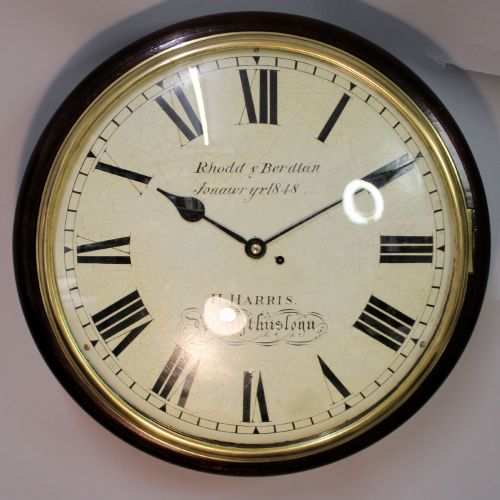
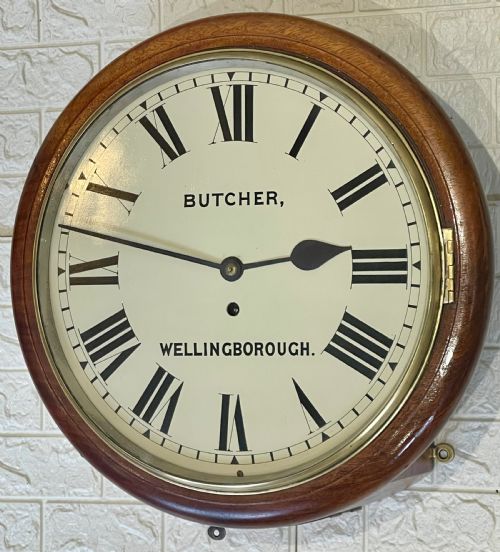
A victorian fusee dial clock is primarily a wall-mounted timepiece designed for precise timekeeping in railway offices, public spaces, and domestic interiors. These instruments typically feature a circular wooden surround enclosing a white-painted dial protected by a heavy glass bezel.
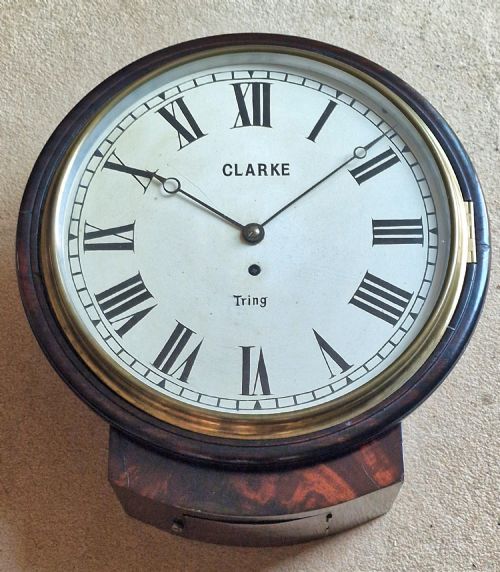
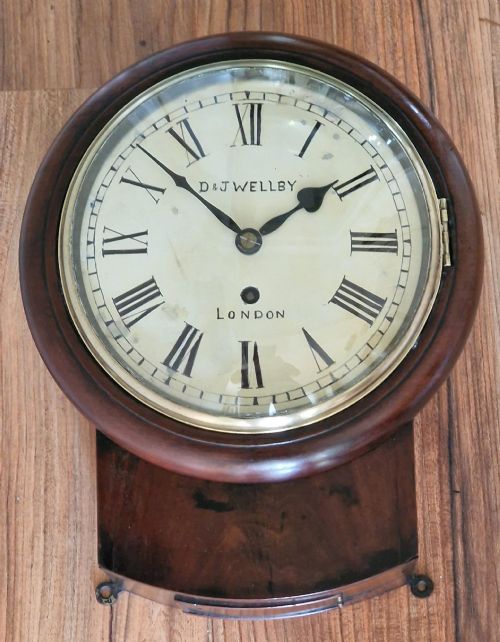
The version most commonly encountered on this page is the single-fusee wall clock or drop-dial variant. These pieces date from the nineteenth century, spanning periods from the early Victorian decades through to the 1890s, and originate from English workshops, provincial makers, and major railway companies.
How They Were Made
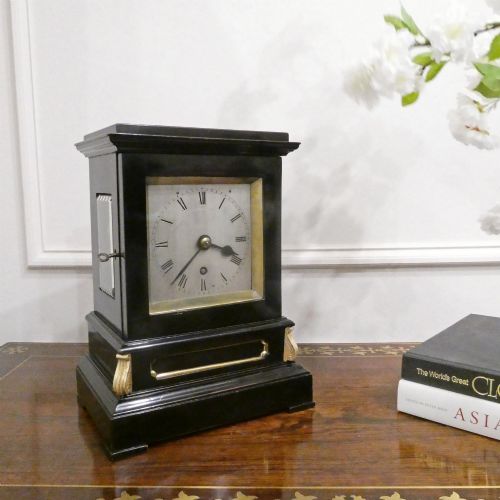
Cases are constructed from timber such as mahogany, oak, and rosewood, sometimes inlaid with brass or finished with ebonised wood. These woods provide the structural strength and stable housing required for the heavy brass mechanical movements inside.
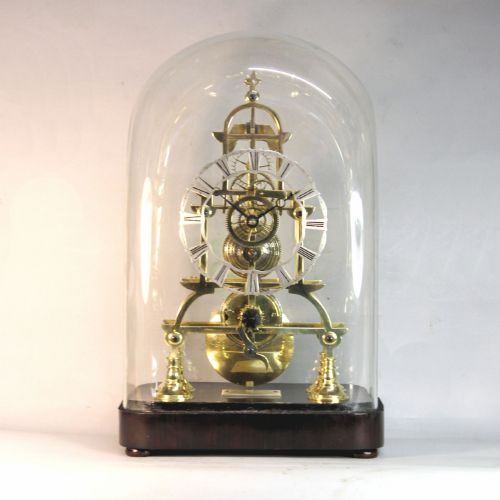
The timekeeping mechanism relies on a brass gear train driven by a chain connected to a conical fusee pulley. This conical drum smooths out the varying force of the mainspring as it unwinds, ensuring consistent energy is delivered to the escapement.
Listings feature mahogany, oak, rosewood, and ebonised wood cases housing brass fusee movements dating from the Regency period through to the late Victorian era.
What Varies in Quality
Quality in a victorian fusee dial clock is largely determined by the crispness of the timber cabinet work and the fidelity of the dial execution. Finer examples display carefully chosen wood grains, clean brass inlay, and sharp hand-painted numerals on the convex or flat metal face.
The internal movement also distinguishes between standard utility timepieces and high-grade instruments. Superior mechanisms display precise wheel-cutting, robust plates, and signatures from noted makers or trusted provincial retailers.
Cousens And Whiteside·Camerer Cuss And Co·D And J Wellby·Henry Harris·Richard Winter·Joseph Bird·Mappin And Webb·William Payne·John Walker·Dent
The Victorian Fusee Dial Clock Glossary
- Fusee
- A conical pulley used in mechanical clocks to equalise the torque of the mainspring as it winds down. This ingenious device ensures steady power reaches the escapement from a fully wound state to near empty.
- Dial
- The visible face of the clock showing the hours and minutes. These are frequently painted on metal and protected by a hinged brass or wooden bezel containing glass.
- Drop dial
- A wall clock case featuring an extended lower wooden trunk beneath the circular dial. This drop box often houses a swinging pendulum and provides space for access to the mechanism.
- Chain fusee
- A movement driven by a fine steel chain rather than catgut or cord. The chain wraps around the fusee cone and connects to the barrel containing the mainspring.
- Timepiece
- A clock that indicates the time without a striking mechanism. Many dial clocks are simple timepieces designed solely for continuous running rather than sounding the hours.
Victorian Fusee Dial Clock: Frequently Asked Questions
How do fusee clocks work?
A fusee clock uses a spring-driven movement regulated by a conical pulley and a chain. As the mainspring uncoils, the chain pulls across the varying diameters of the cone to maintain even tension on the gear train.
This mechanical compensation prevents the loss of amplitude as the power diminishes, resulting in much more reliable daily timekeeping than a standard spring-driven clock.
Where were dial clocks used?
These dial clocks served widely in railway stations, offices, public institutions, and large domestic hallways throughout the nineteenth century. Their clear circular faces allowed people to read the time quickly from a distance.
Many examples carry specific railway company lettering on the dial or casing to denote their precise operational posting.
How do I wind my clock?
Winding requires inserting a appropriate key into the winding hole on the dial face and turning it carefully until the mechanism comes to a stop. Care must be taken not to overwind the mainspring.
Most eight-day fusee movements require this attention roughly once a week to keep the pendulum swinging reliably.
Are drop dial clocks different?
Drop dial clocks incorporate a lower wooden case extension attached to the main circular dial surround. This trunk accommodates the pendulum swing and balances the proportions of the wall case.
They share the same underlying fusee mechanical principles as standard round dial clocks but offer a distinct visual silhouette.