
Victorian Dressing Glass
A victorian dressing glass brings functional elegance to a bedroom, offering a reflective surface scaled for the dressing table or floor.
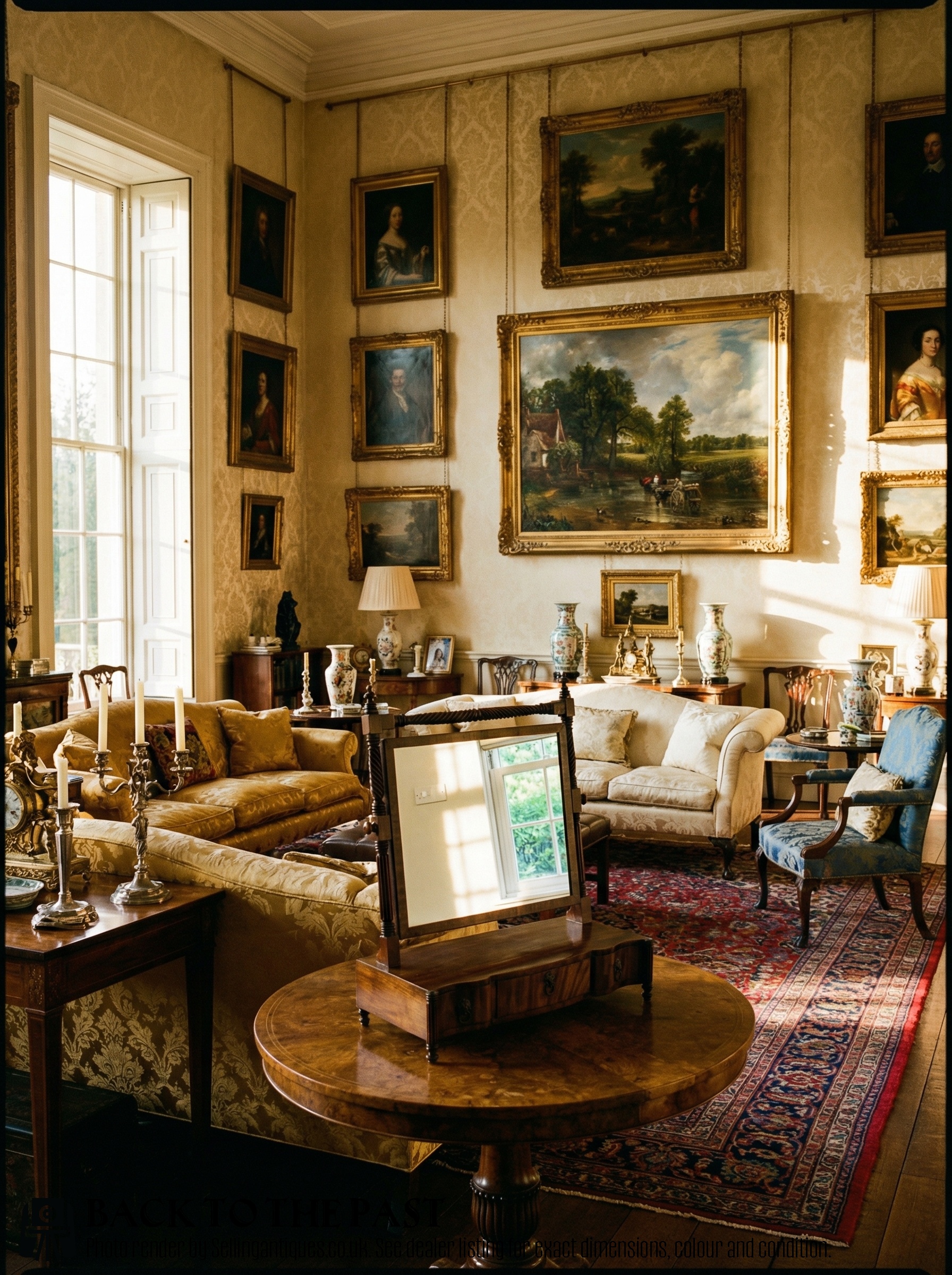
Victorian Dressing Glass
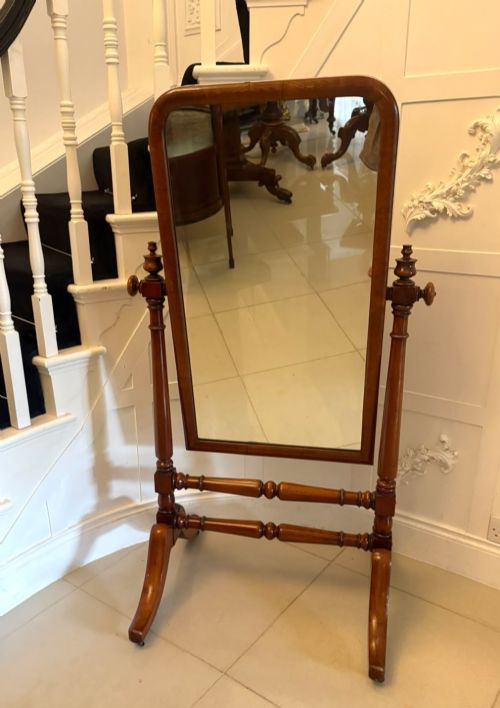
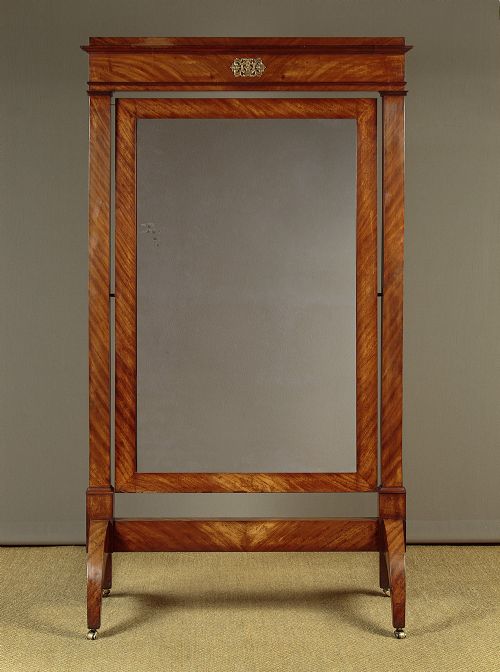
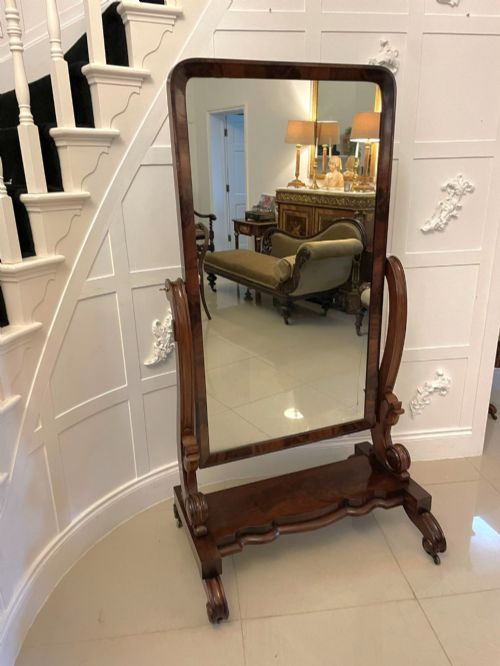
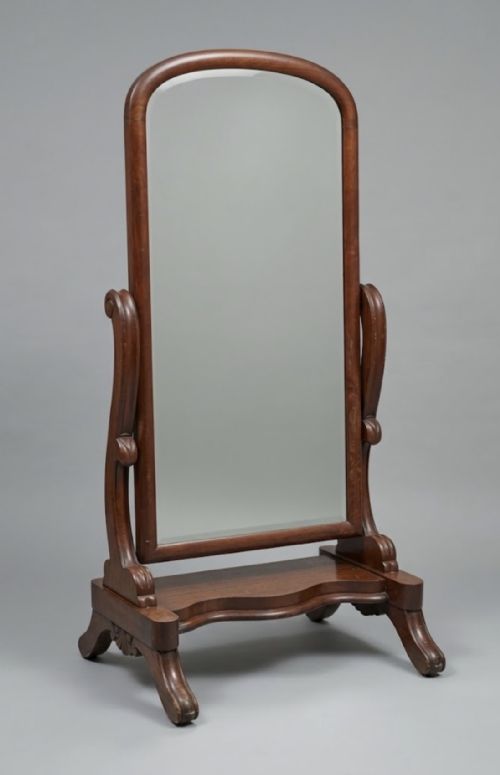
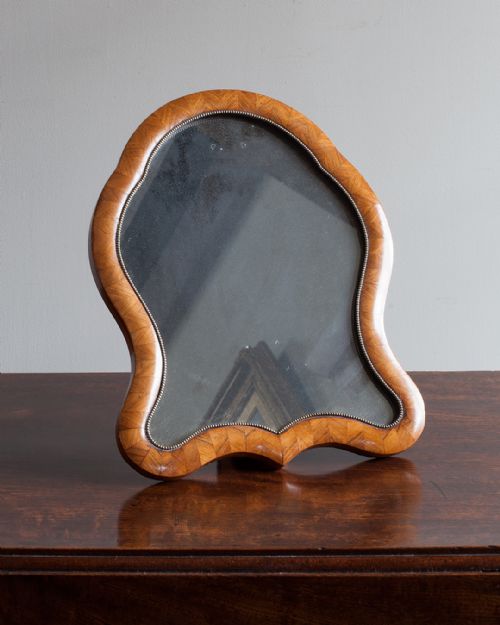
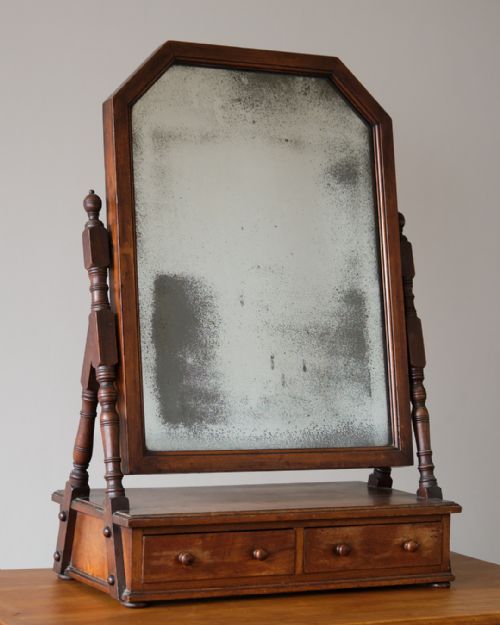
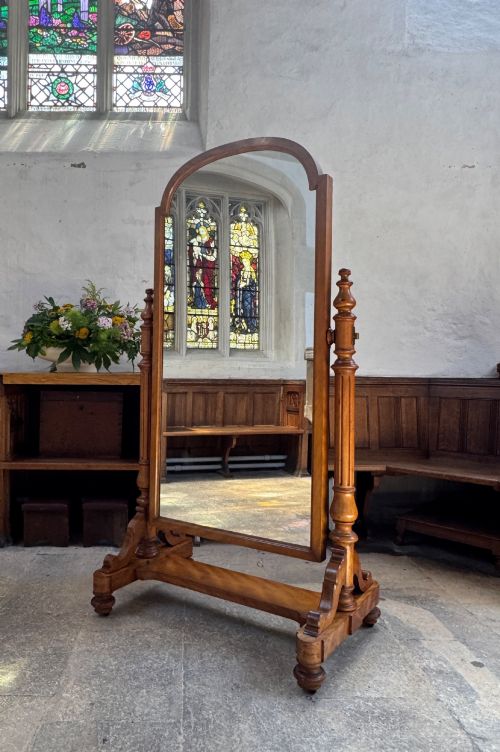
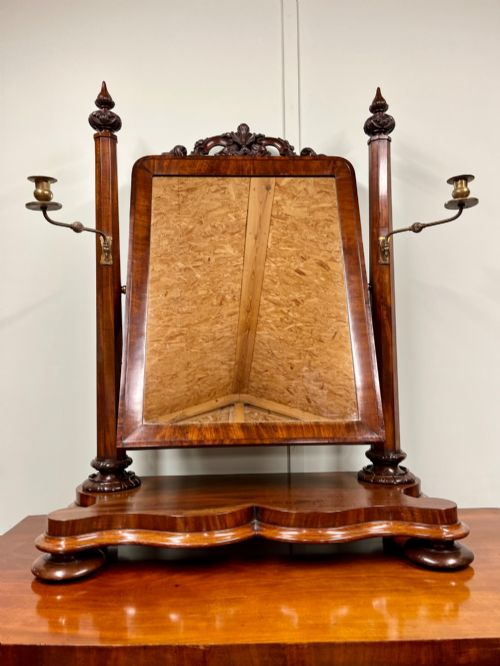
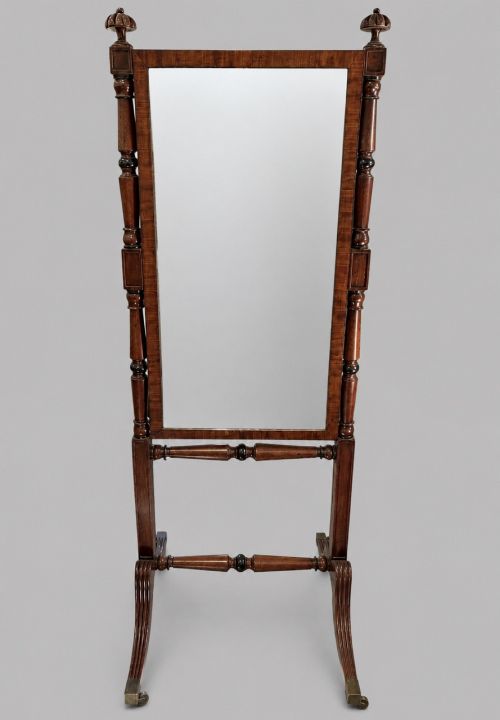
A victorian dressing glass encompasses both compact table mirrors designed to sit atop a chest or dressing table and taller freestanding cheval mirrors intended for full-length reflection.
The pieces appearing here stem primarily from the nineteenth century, spanning standard Victorian production alongside related Regency, William IV, and Edwardian examples.
Beyond adjustable table mirrors with small drawer bases, the selection frequently includes large floor-standing swing mirrors supported by barley twist columns or upright frames.
What Varies in Quality
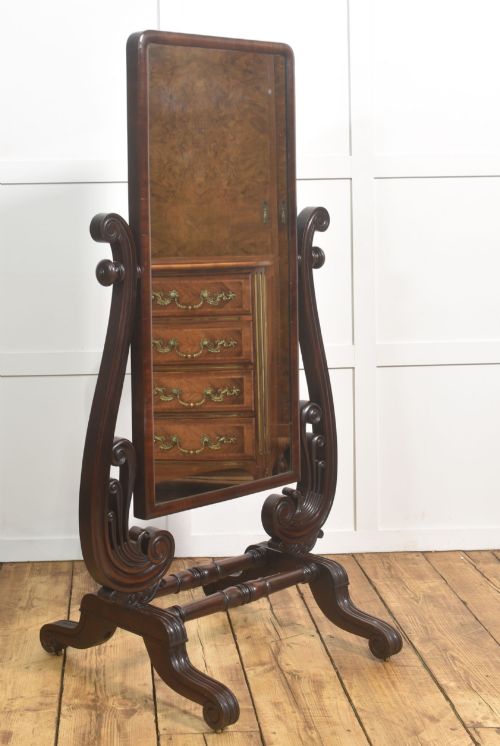
Craftsmanship shows in the selection of figured wood veneers, such as burr walnut or rich mahogany, and the structural integrity of the swing frame pivots and support columns.
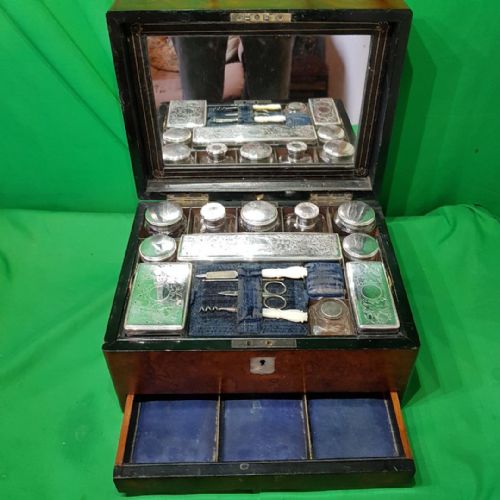
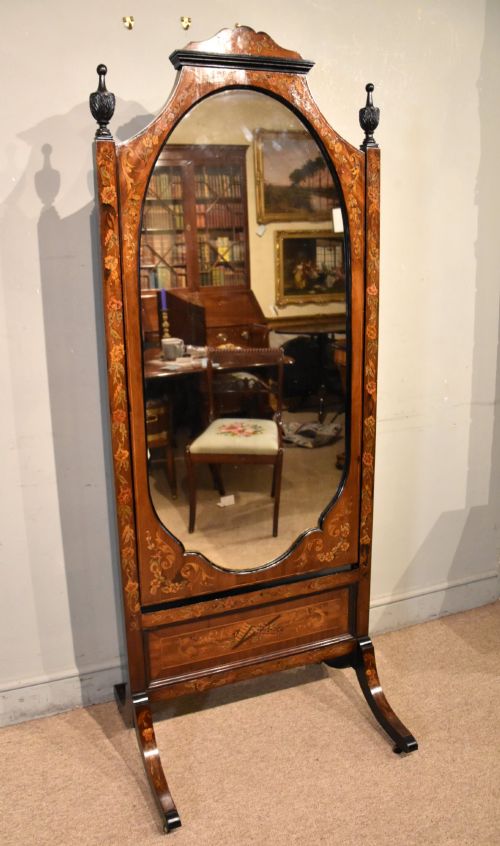
Detailing distinguishes standard items from finer work, seen in carved ornament, inlaid borders, fitted drawer compartments, and the quality of the glass plate itself.
Victorian Dressing Glass Retail Price Guide 2026
Typical asking prices for victorian dressing glass among the pieces listed under this phrase on Sellingantiques today, from the lower quarter to the upper quarter. They describe what is for sale here now, not the wider market.
Listings feature woods spanning mahogany, walnut, satin birch, kingwood, and oak alongside mirrored glass, brass, silver, and cut glass.
Heal And Sons·Thomas Ingleton·Jenner And Knewstub
The Victorian Dressing Glass Glossary
- Cheval mirror
- A large floor-standing dressing glass mounted on a freestanding frame that allows the glass to swing freely. This format provides a full-length reflection for dressing rooms and bedrooms.
- Toilette mirror
- A smaller dressing glass designed to sit upon a dressing table or chest of drawers. These often incorporate small storage drawers in the base plinth.
- Cut glass
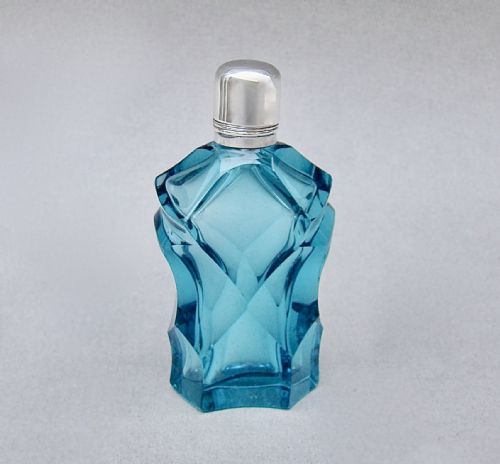
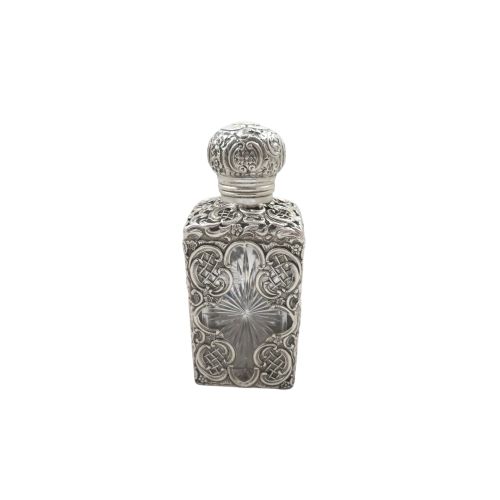
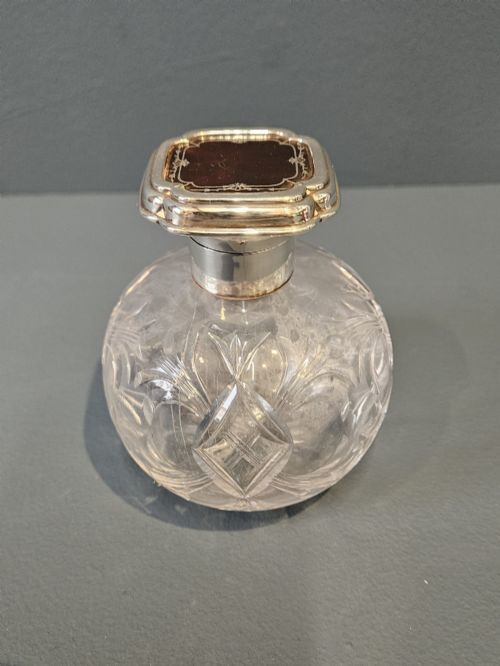
- Glass decorated by cutting facets or patterns into the surface using a wheel. This technique adds considerable weight and sparkle to scent bottles and jars.
- Ormolu
- Gilded bronze mounts applied to furniture and decorative objects for ornamentation. The technique adds metallic contrast to timber frames.
Victorian Dressing Glass: Frequently Asked Questions
Where should I place a dressing glass?
Table mirrors suit the top of a solid chest of drawers or a dedicated dressing table where they provide a convenient height for seated grooming. Freestanding floor models need sufficient clearance to tilt safely without touching surrounding furniture.
Positioning them near a natural light source maximises their reflective capability, helping to brighten dressing areas and bedrooms alike.
How do table mirrors differ from cheval mirrors?
Table mirrors are compact pieces built to rest on horizontal surfaces, frequently featuring small drawer units at the base for holding trinkets and accessories. They focus on upper-body reflection during grooming.
Cheval mirrors stand directly on the floor as independent furniture items, held within tall upright frames that tilt entirely to show a full-length view.
What woods were used for these mirrors?
Mahogany and walnut predominate among surviving examples, selected for their rich grain and structural stability in framing movable glass panels. Figures range from plain straight grain to highly decorative burr veneers.
Lighter timbers like satin birch and oak also appear, particularly in pieces dating towards the later nineteenth and early twentieth centuries.
Are dressing glasses adjustable?
Most traditional examples utilise pivot screws or trunnions mounted on the upright supports, allowing the user to tilt the glass angle as needed. This mechanism gives control over the reflection depending on the user's height.
Floor-standing and table versions both rely on this pivoting action, which requires secure side fixings to hold the glass firmly in position.