
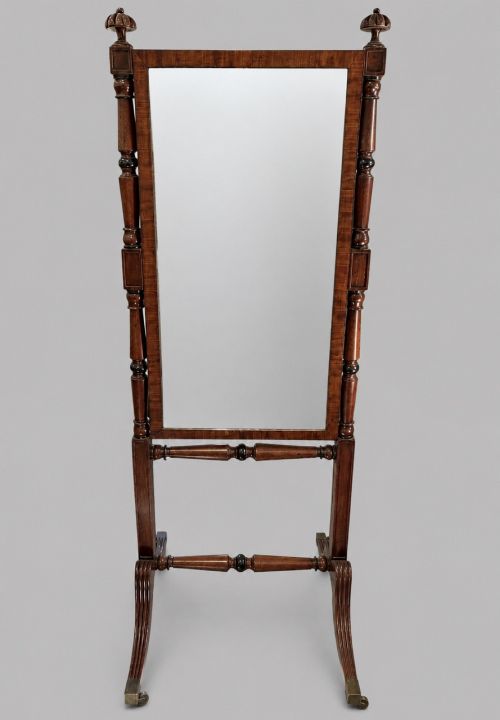
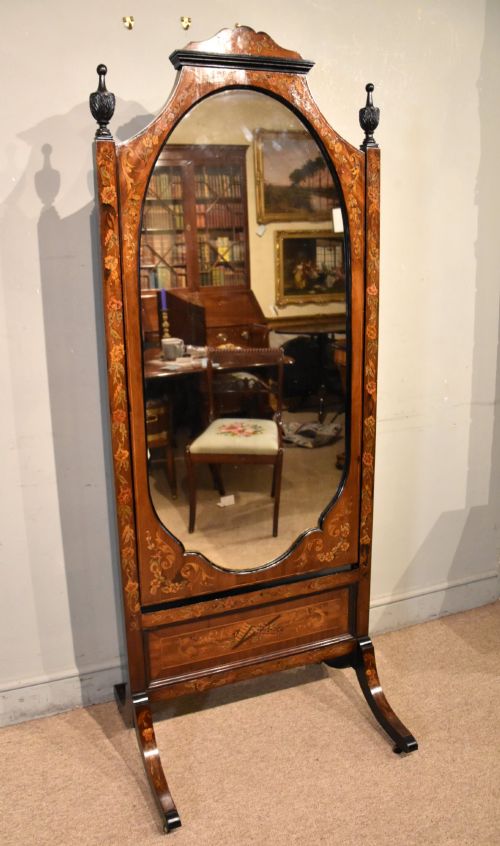


Floor Standing Mirror
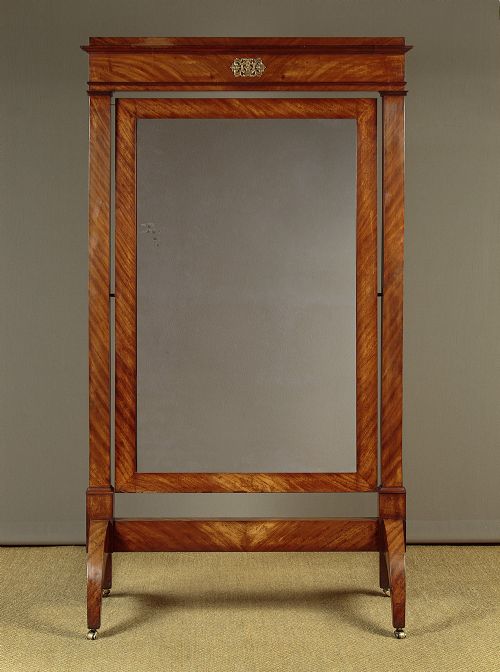
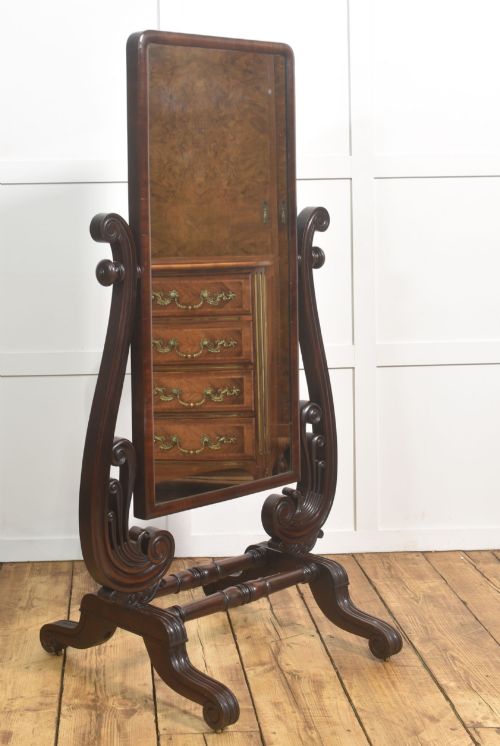
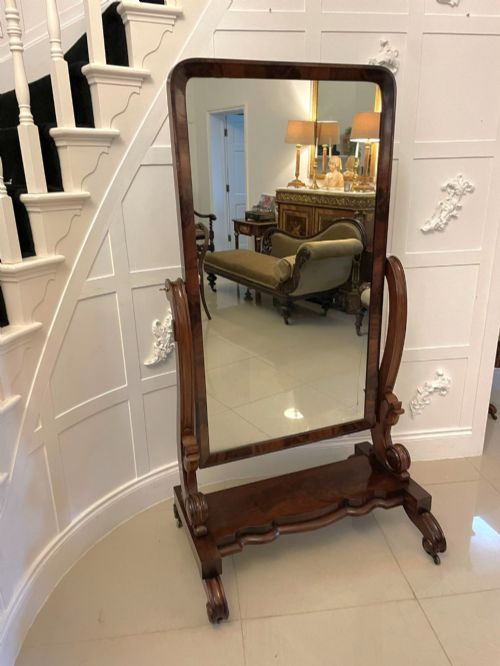
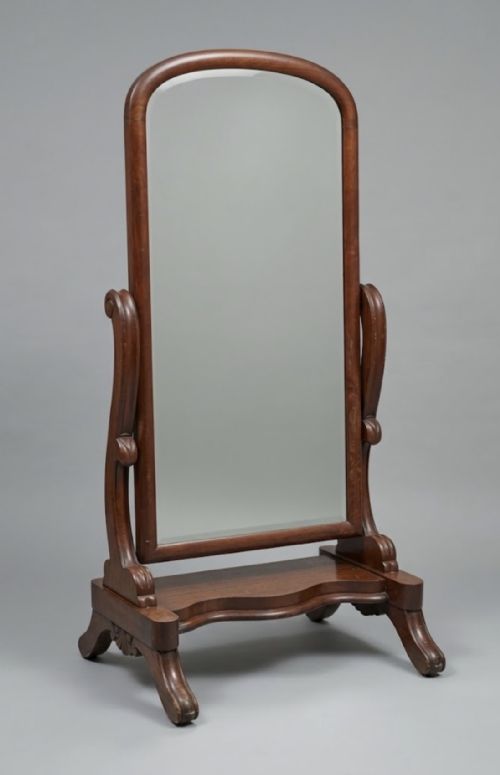
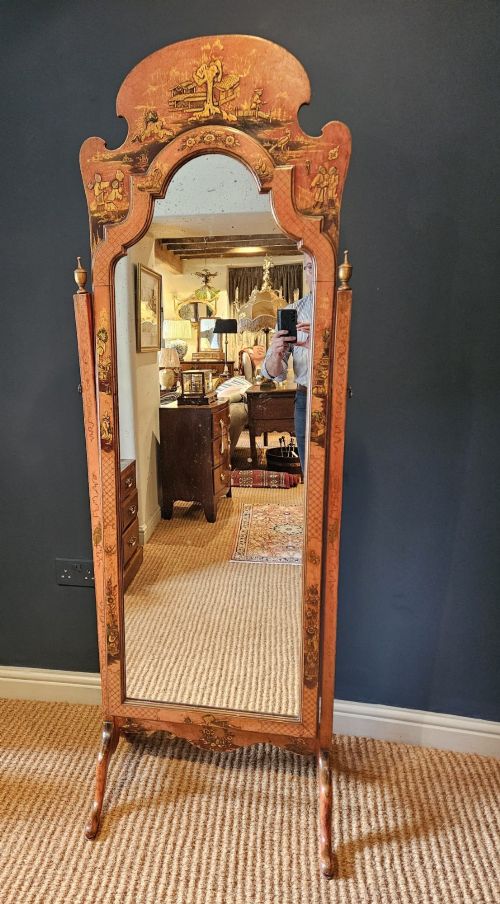
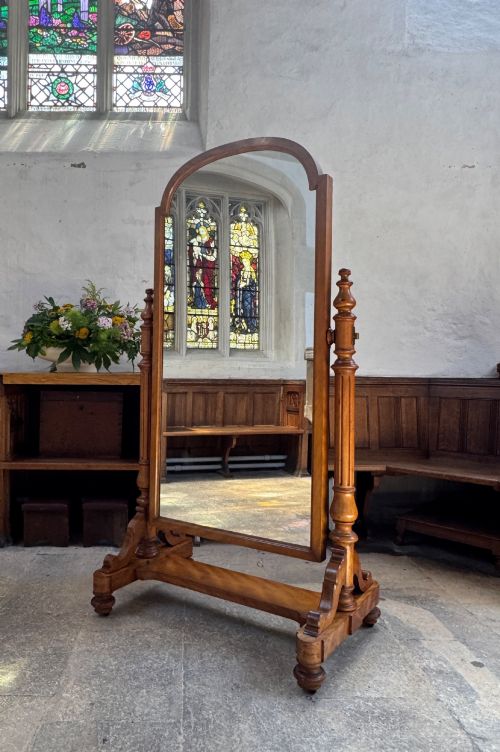
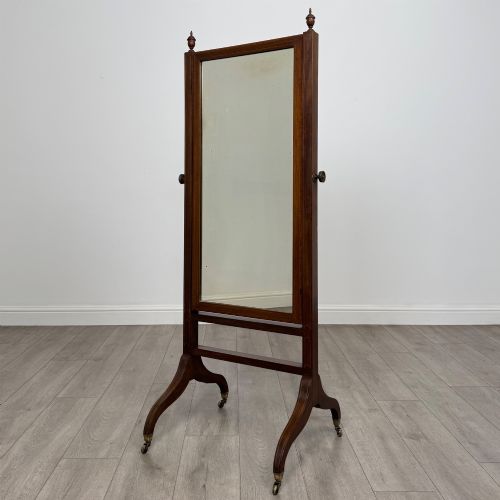
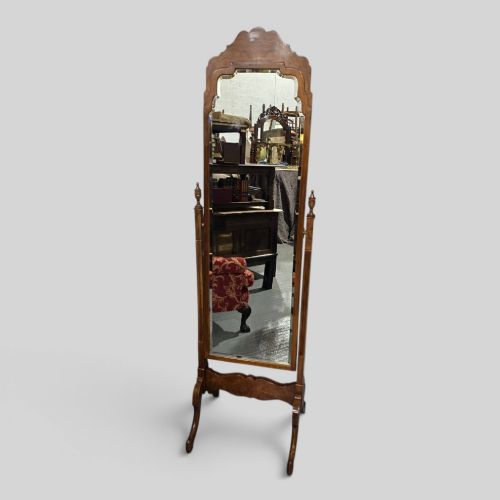
A floor standing mirror provides a full-length reflection through pivoting frames, tall wall glasses, and heavy cheval structures.
Floor Standing Mirror
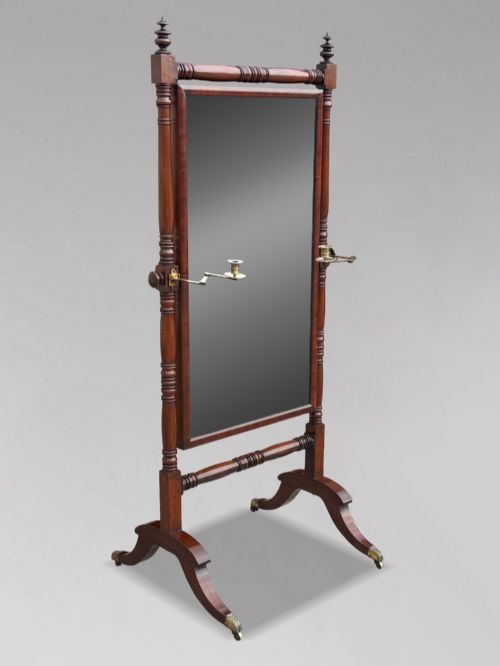
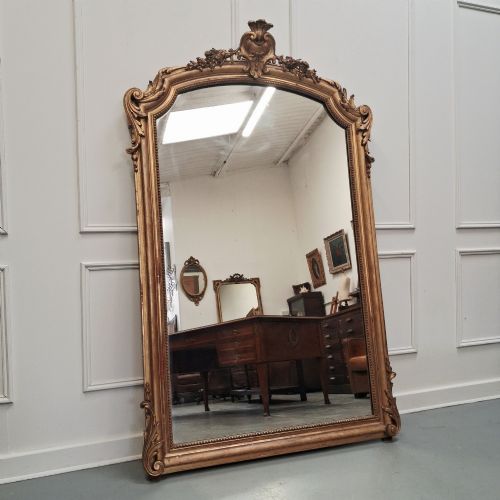
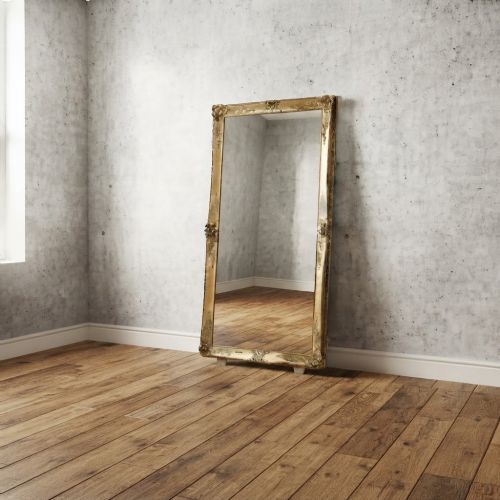
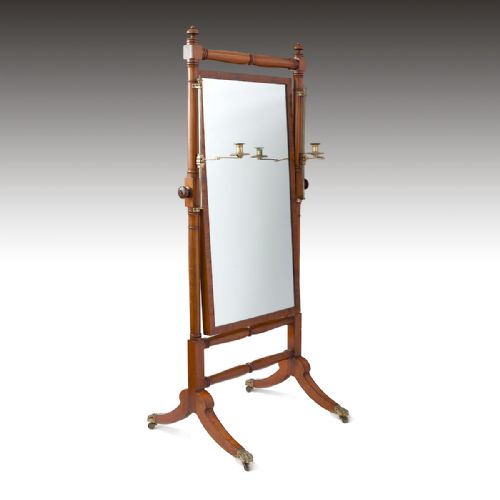
A floor standing mirror spans several centuries of design, encompassing Regency, Victorian, and later periods found in the archive and current listings. Buyers encounter tall cheval formats mounted on cradles, shaving stands with adjustable glass, and large leaner glasses resting directly against walls.
Mahogany dominates the timber choices, alongside oak, walnut, satinwood, and painted or gilded surfaces. Frames range from simple rectangular cheval designs to elaborate gesso, arched crests, and giltwood overmantles adapted for floor placement.
Construction and Materials
Frames utilise solid timbers such as mahogany, oak, and walnut, often exhibiting flame veneers or decorative painted and gilded finishes. Glass panels sit within rebated mouldings, supported by brass pivots, telescopic arms, or heavy floor bases.
Joinery relies on traditional techniques suited to heavy pivoting frames and tall uprights. Brass hardware secures the tilting mechanisms on cheval and shaving mirrors, permitting angle adjustments without straining the surrounding wood.
Retail Price Guide 2026
Typical UK retail prices for floor standing mirror, calculated from the Sellingantiques database of over a million retail prices indexed since 2003. This retail price guide relies exclusively on Sellingantiques data; no external sources or auction records are used, so the figures do not describe the wider market.
Early gentlemen spent mornings adjusting brass telescopic shaving mirrors before tackling the day's business.
Craftsmanship and Proportion
Quality shows in the weight and stability of the supporting frame, particularly in large cheval mirrors that must bear heavy glass plates safely. Refined examples display careful timber selection, such as flame mahogany or fine walnut, alongside crisp gilding and original brass fittings.
Proportion and execution separate standard utility pieces from grander architectural examples. Finer mirrors integrate original crests, well-turned uprights, and smooth tilting actions that hold their position securely.
The Floor Standing Mirror Glossary
- Cheval mirror
- A large standing mirror suspended on a vertical frame with pivots that allow it to tilt. This form became popular during the Regency and Victorian periods for full-length dressing.
- Gesso
- A plaster-based material applied to wood frames before gilding or painting. It provides a smooth surface for intricate moulded ornament and surface decoration.
- Telescopic mirror
- A glass mounted on an adjustable vertical brass rod that extends in height. These appear frequently on shaving stands and compact dressing pieces.
- Trumeau mirror
- A tall mirror designed to fit a specific wall pier or space between windows. Examples often feature decorative painted panels or carvings above the glass plate.
Frequently Asked Questions
How do I secure a heavy floor standing mirror?
Many large mirrors lean directly against walls or rely on wide cheval bases for stability.
Additional wall fixings or brackets help prevent tipping in high-traffic rooms.
What is a cheval mirror?
A cheval mirror is a freestanding glass suspended within a frame on vertical pivots.
This design allows the user to tilt the glass plate to various angles for full-length viewing.
How do I date an antique floor standing mirror?
Dating relies on timber choices, construction methods, and hardware styles across periods like the Regency and Victorian eras.
Mahogany frames, brass telescopic fittings, and original backboards offer reliable chronological clues.
Can these mirrors be used as wall mirrors?
Certain large formats feature dual fixings or sturdy construction suitable for both floor placement and wall mounting.
Checking the weight and frame fixings ensures safe installation when hanging heavy glasses.