

Victorian Coffer Box
A victorian coffer box offers substantial storage and enduring utility, bringing the robust craftsmanship of the nineteenth century directly into modern living spaces.
Victorian Coffer Box
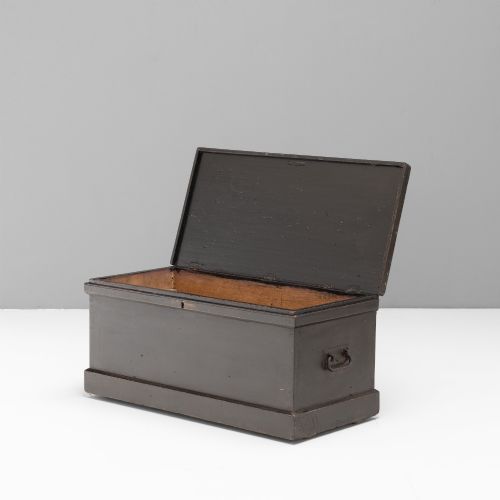
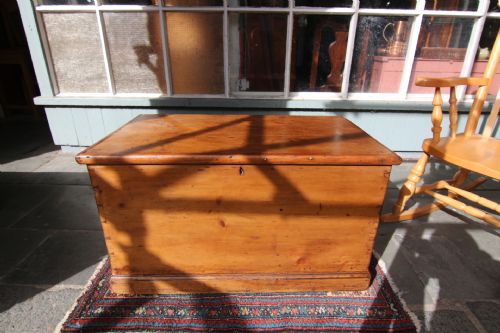
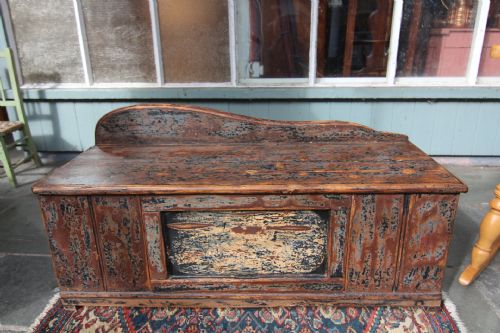
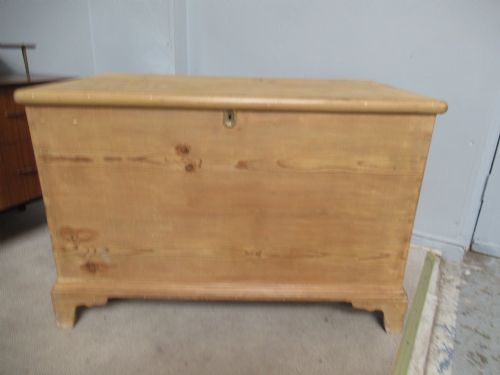
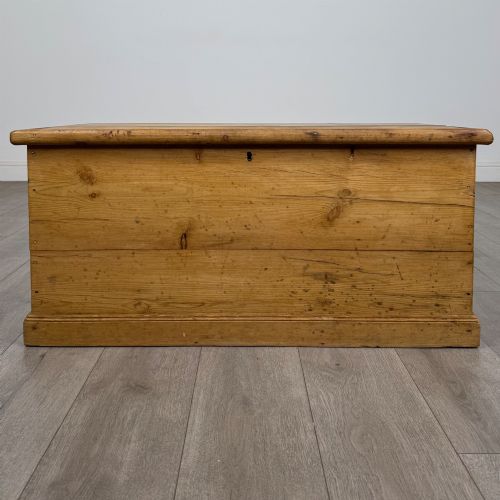
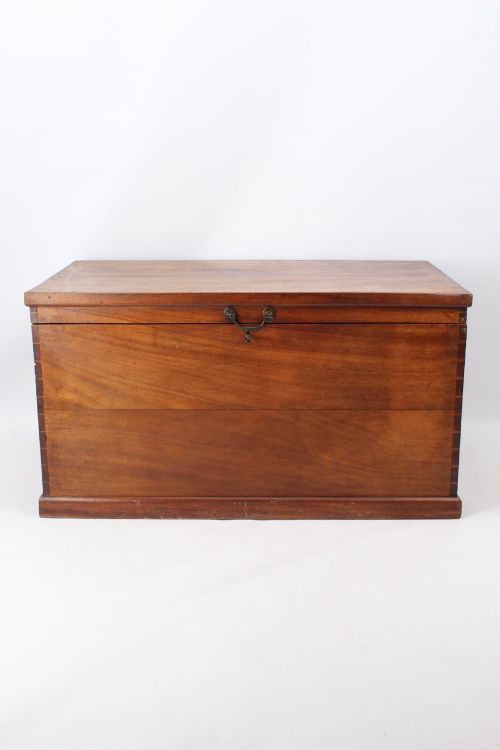
When searching for a victorian coffer box, collectors encounter a diverse range of sturdy storage containers, blanket boxes, and campaign chests originating primarily from the nineteenth century. These pieces served practical domestic and travel needs, functioning as travel trunks, blanket stores, or secure deed boxes.
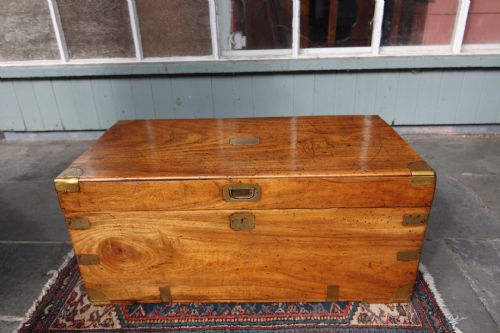
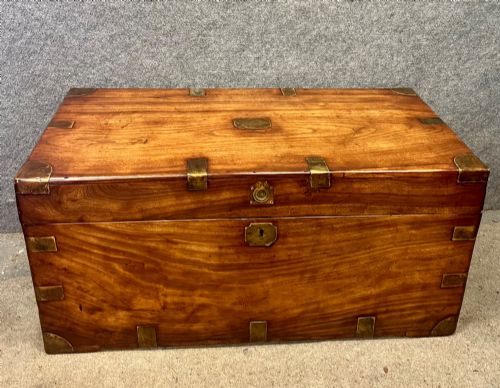
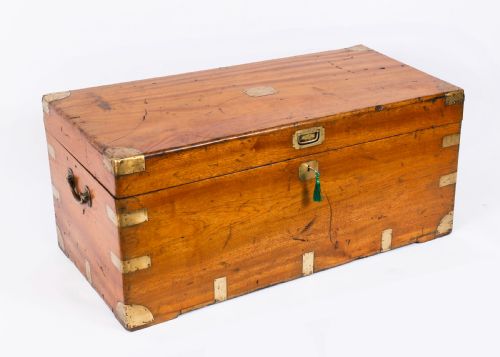
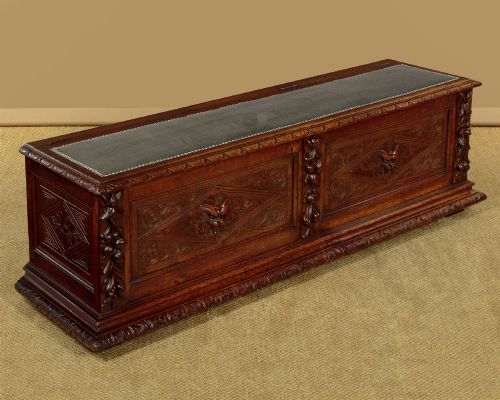
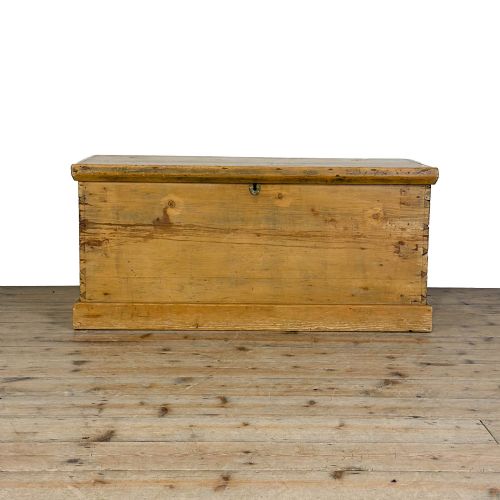
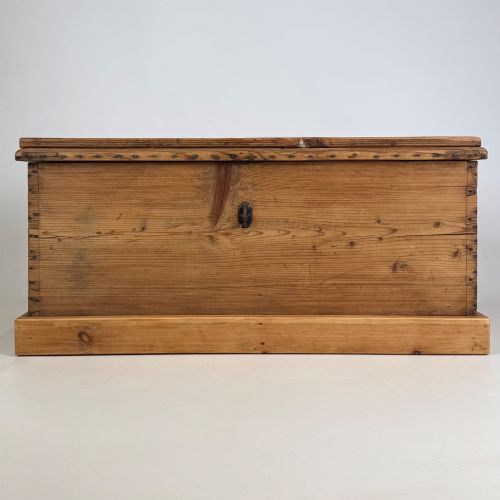
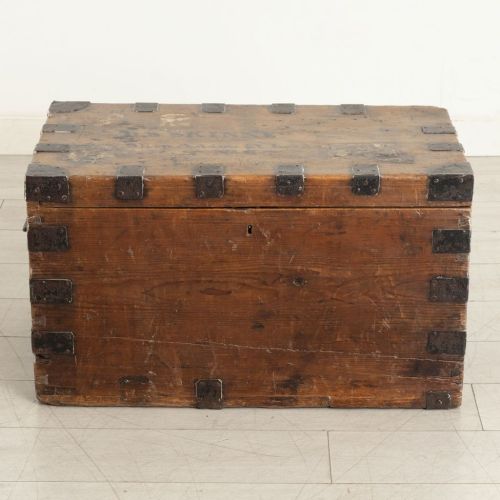
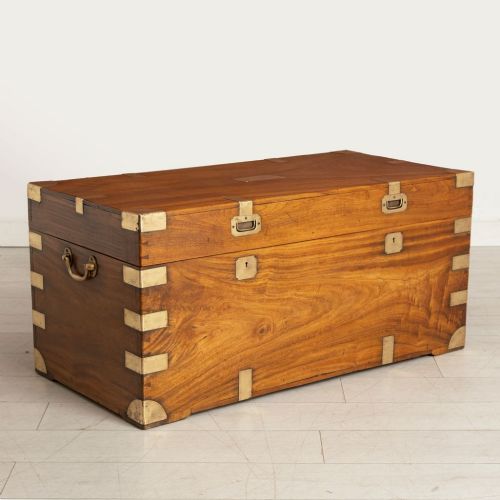
The most common variations on this page include utilitarian pine blanket boxes, heavy oak storage chests, and exotic camphor wood military campaign trunks bound in brass. Forms range from simple country pine travel trunks to elaborately carved oak and elm ottomans, reflecting both domestic use and colonial transport.
Origins span British country houses and workshops as well as Anglo-Indian and colonial outposts, utilising regional timbers such as pitch pine, teak, mahogany, and padouk. Buyers find pieces adapted for modern interiors alongside untouched travel trunks bearing the marks of active service.
How They Were Made
Makers constructed these storage pieces using durable domestic and exotic timbers like pine, oak, camphor wood, and mahogany, often joining structural panels with dovetails or pegged joints. The choice of wood depended heavily on function, with dense camphor wood selected for its insect-repellent qualities in military trunks, and pine or oak utilised for heavy domestic blanket boxes.
Hardware played a vital structural role, with brass corners, strapwork, and iron banding reinforcing the joints against the strains of travel and frequent movement. Leather bindings, brass studwork, and fitted internal compartments further distinguished campaign and travel pieces intended for heavy transit.
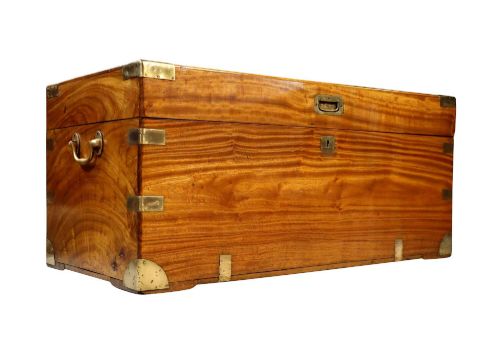
Campaign trunks frequently incorporate brass binding, iron straps, and recessed handles designed for military transport.
What Varies in Quality
Quality in these storage pieces rests upon the integrity of the timber selection and the retention of original hardware, such as brass binding and flush handles. Pieces retaining their fitted internal drawers, original locks, and untouched surface patination command greater interest than those stripped or heavily altered over time.
The refinement of the joinery and the presence of maker details or specialised campaign adaptations separate standard domestic blanket boxes from superior travelling chests. Finer examples display meticulous dovetailing, robust iron or brass reinforcement, and well-preserved painted or waxed finishes.
Wm. Insall of Bristol·Arthur Wannop·George Waters T L Aveling
The Victorian Coffer Box Glossary
- Campaign trunk
- A portable storage chest designed for military officers or travellers, typically constructed from camphor wood or teak with recessed brass handles and corner brackets.
- Camphor wood
- An aromatic timber utilised for nineteenth-century military chests due to its natural resistance to insects and damp conditions.
- Coffer
- A heavy wooden box or chest traditionally used for storing valuables, linen, or documents, often featuring a hinged lid and solid timber construction.
- Mule chest
- A traditional storage chest characterised by a drawer or drawers placed beneath the main lifting compartment.
- Padouk
- A heavy, durable tropical hardwood with a reddish hue, frequently encountered in Anglo-Indian campaign furniture and deed boxes.
Victorian Coffer Box: Frequently Asked Questions
What were camphor wood chests used for?
Camphor wood chests served primarily as military campaign trunks for British officers stationed abroad during the nineteenth century. The dense, aromatic wood protected uniforms and documents from tropical humidity and insects.
These sturdy boxes also functioned as travel luggage on long sea voyages, equipped with brass binding to withstand rough handling during transport.
How do I identify a campaign chest?
Campaign chests are easily recognised by their recessed brass handles, corner brackets, and sectional construction designed for easy dismantling and transport. They are frequently made from durable timbers like camphor wood, teak, or mahogany.
Many examples feature maker stamps, brass carrying handles on the sides, and secondary locking mechanisms to secure contents during transit.
Where should I place a blanket box at home?
A blanket box works exceptionally well at the foot of a bed, serving as convenient storage for spare linens, quilts, and pillows while providing a sturdy seat. They also function effectively in hallways as a place to sit when removing shoes.
Many people utilise low wooden coffers as coffee tables in living rooms, combining rustic tabletop utility with hidden interior storage space.
How do I care for nineteenth-century pine?
Nineteenth-century pine benefits from occasional gentle waxing with a traditional beeswax polish to nourish the dry wood and maintain a soft sheen. Avoid placing pine storage boxes near direct heat sources or in damp environments to prevent warping.
Cleaning should be done with a soft, dry cloth to preserve the historic surface patination and any original wax finishes.