
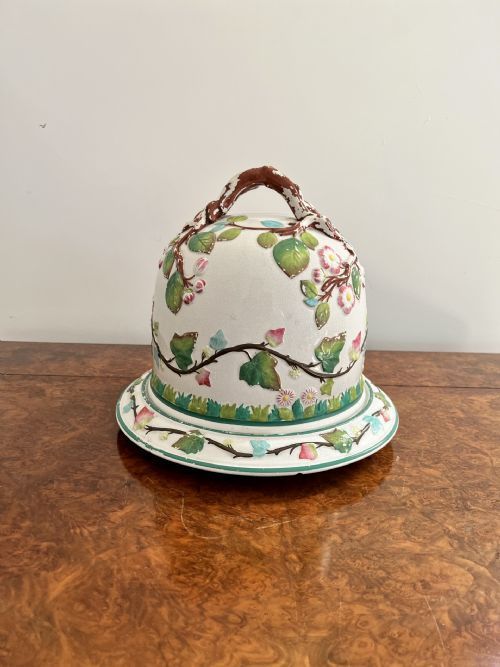


Victorian Cheese Dish
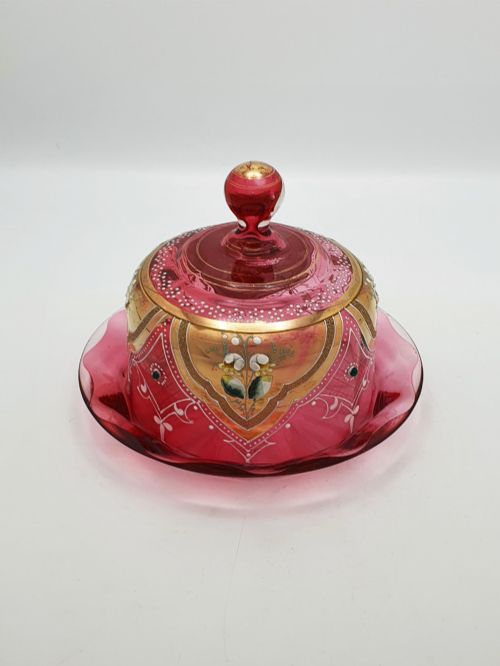
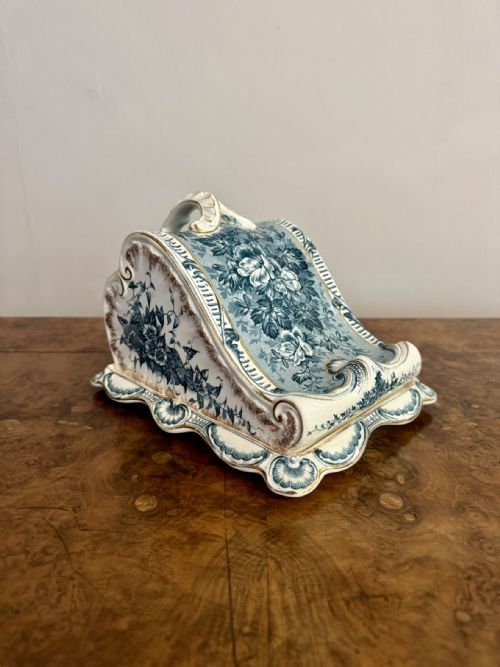
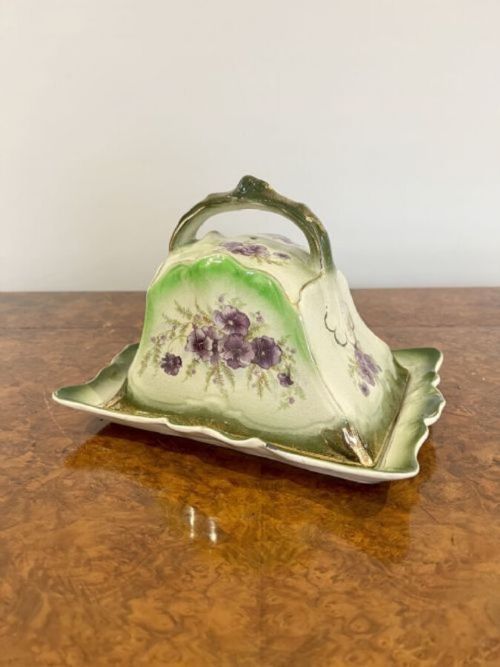
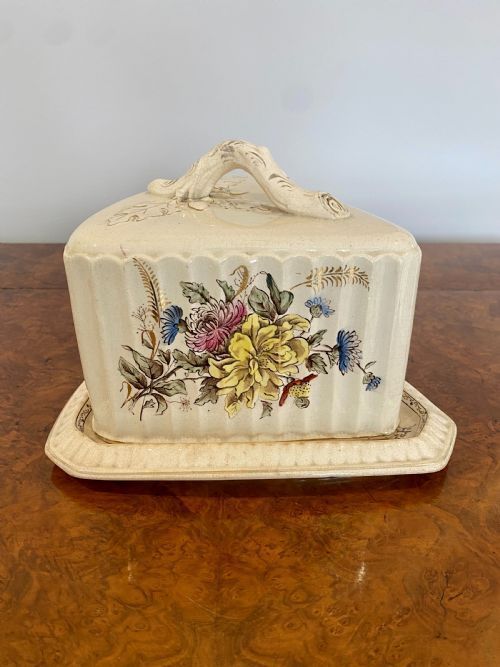
These Victorian cheese dishes are substantial covered domes designed to keep cheese fresh on the dining table.
Victorian Cheese Dish
A Victorian cheese dish consists of a matching base plate and a tall domed cover, often shaped specifically to accommodate a wedge of hard cheese or a whole Stilton. The form developed to protect dairy produce from the dust and draughts of nineteenth-century dining rooms before domestic refrigeration became common.
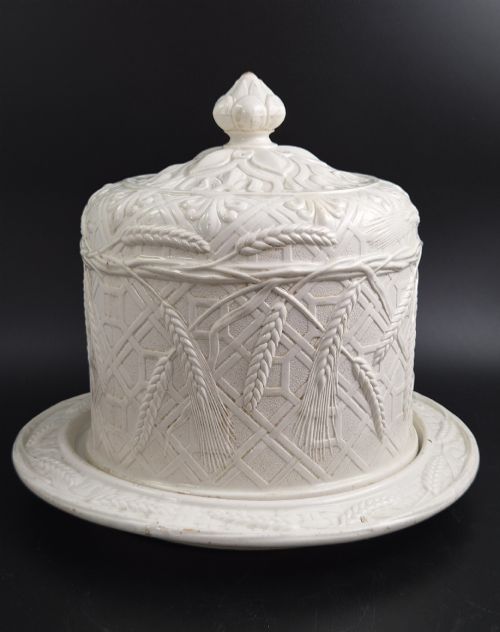
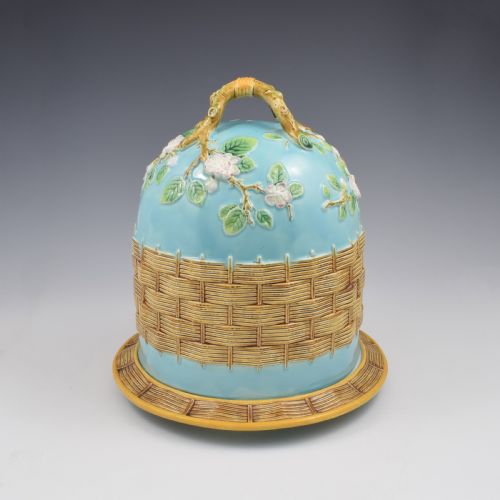
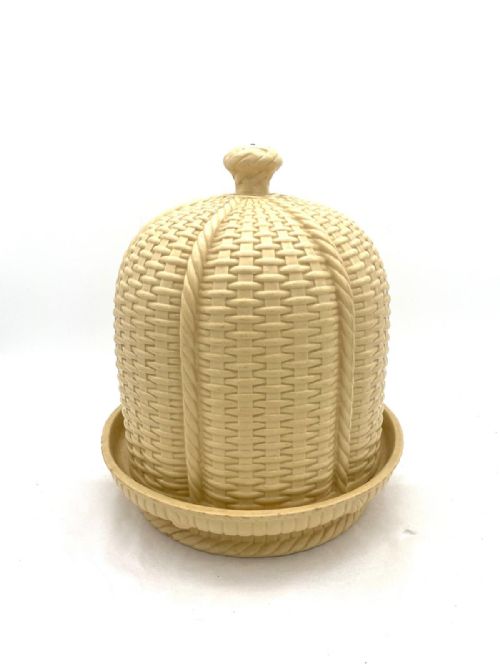
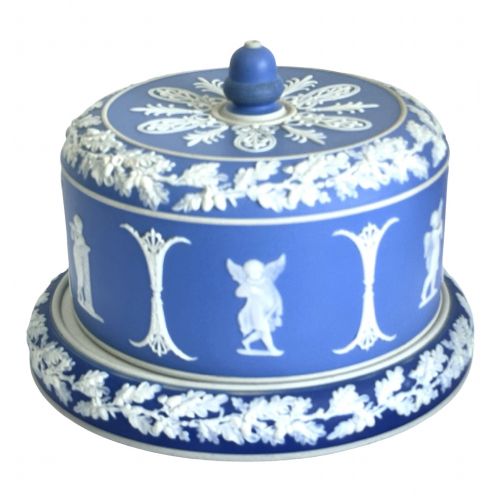
Ceramic examples dominate the available selection, ranging from heavy white ironstone to brightly coloured majolica and moulded jasperware. Collectors frequently encounter decorative floral motifs, basket weave textures, and occasional novelty shapes such as cow heads or beehives.
Most pieces date from the latter half of the nineteenth century, aligning with the Victorian and Edwardian periods. They function primarily as serveware, though many surviving examples serve equally well as decorative centrepieces.
Materials and construction
Potters utilised durable earthenware, ironstone, and stoneware to form the heavy bodies of these domes and stands. Majolica pieces rely on colourful lead glazes applied over moulded earthenware reliefs, creating rich greens, browns, and pinks.
Jasperware variants employ fine stoneware bodies with contrasting applied white clay reliefs. Occasional examples incorporate glass domes paired with silver-plated stands or rims.
Listings feature earthenware, ironstone, stoneware, and glass materials spanning the Victorian and Edwardian eras.
Assessing craftsmanship and design
Quality rests heavily on the crispness of the moulding and the depth of the relief work, particularly on majolica and jasperware pieces where sharp detailing defines the decoration. Finer examples retain bright, unblemished glazes and crisp botanical or architectural patterns without blurring.
Proportion and scale also separate standard utility items from monumental display pieces. Domes of large proportion by renowned makers command greater attention for their ambitious modelling and balanced composition.
George Jones·Wedgwood·James Dudson·Copeland·Mintons·John Maddock·Burgess and Leigh
The Victorian Cheese Dish Glossary
- Ironstone
- A heavy, durable type of earthenware patented in the nineteenth century. It provided a robust alternative to porcelain for domestic serveware.
- Majolica
- Low-fired earthenware coated with colourful lead glazes. It became popular in the mid-nineteenth century for its vibrant hues and naturalistic relief ornamentation.
- Stilton cheese dome
- A tall, cylindrical dome specifically proportioned to house a whole tall wheel of Stilton cheese. They are generally larger than standard wedge-shaped cheese dishes.
- Drabware
- Earthenware produced with unglazed or slip-coloured bodies in muted shades of grey, brown, or olive. It provides a subdued backdrop for moulded decorative patterns.
Victorian Cheese Dish: Frequently Asked Questions
What is a Victorian cheese dish used for?
These covered ceramic vessels kept cheese moist and protected at the dining table. The dome trapped humidity and kept out insects while the matching base caught crumbs.
Wealthy households used them during the dessert course following dinner. Today, they serve both practical storage and decorative display purposes.
Are these cheese dishes safe to use with food?
Most antique ceramic dishes remain structurally sound for serving dry foods or whole cheeses. Historic glazes can contain lead, so daily food use requires caution.
Many collectors prefer to use them as decorative display items or for serving wrapped cheeses. Hand washing is essential to preserve nineteenth-century surfaces.
Why are some domes called Stilton cheese dishes?
Stilton cheese requires a tall, cylindrical dome because the cheese traditionally matures in large tall wheels. Standard wedge dishes are too short for these specific portions.
Makers designed larger domed covers specifically to fit these substantial cheeses. They represent some of the grandest examples of Victorian dairy serveware.